
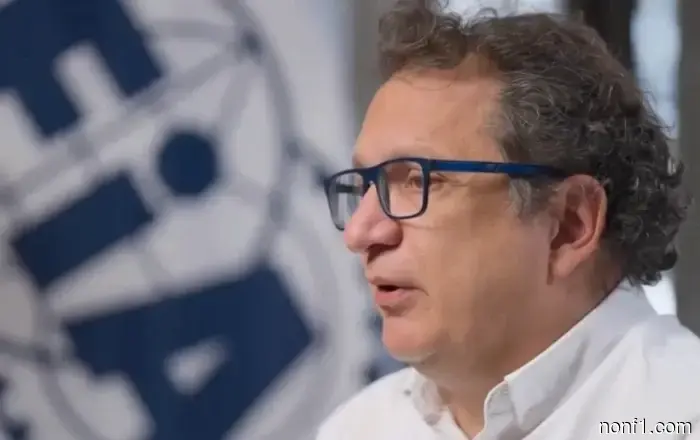
The innovations will be fully implemented after a couple of races.
Nicholas Tombazis, the FIA director for single-seater racing, commented on the adjustments made to the World Championship regulations, specifically addressing the start procedure. According to him, Formula 1 will begin testing innovations in Miami, but it will take a few races before they are fully implemented.
Nicholas Tombazis: "It's quite difficult to start well in these cars, partly because it's necessary to achieve the optimal boost pressure provided by the power unit's turbo at the moment the traffic lights go out. This could lead to dangerous situations, and we've already seen one or two examples of poor starts.
Starting from the next race, we will be testing some innovations. It will likely take two or three races before they are fully introduced. In Miami and Canada, we will conduct certain tests and make adjustments. But everything we plan to do is aimed at improving safety.
If the system detects that a car has had a very poor start, the electric part of the power unit will engage to ensure that the car safely moves off the line, which will help avoid issues with cars starting behind.
A number of other small changes are also being introduced – all of them relate to the sensations that the driver experiences while driving and the car's handling. In qualifying, this will help drivers focus solely on driving and achieving the highest possible speeds, as that's what everyone wants to see."
Other articles
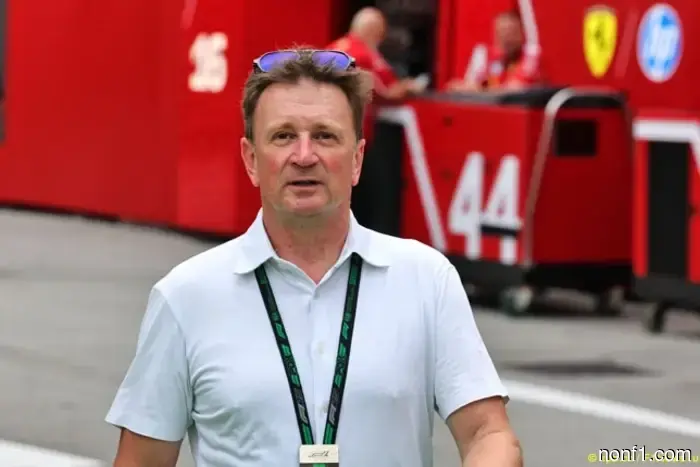 Alan McNish will be promoted at Audi.
Alan McNish, who took charge of Audi's youth program at the beginning of the year, will be promoted within the Formula 1 team.
Alan McNish will be promoted at Audi.
Alan McNish, who took charge of Audi's youth program at the beginning of the year, will be promoted within the Formula 1 team.
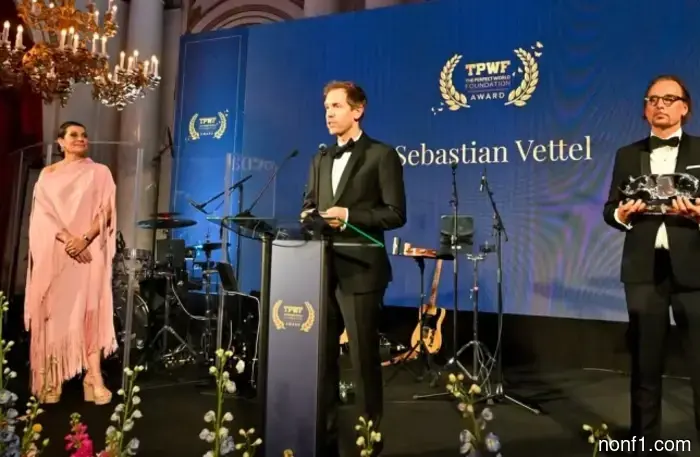 Vettel awarded for his environmental initiatives
Sebastian Vettel received an award from the Perfect World Foundation – at a ceremony held recently in Sweden, the four-time world champion was recognized as the "Environmental Advocate of the Year 2026"...
Vettel awarded for his environmental initiatives
Sebastian Vettel received an award from the Perfect World Foundation – at a ceremony held recently in Sweden, the four-time world champion was recognized as the "Environmental Advocate of the Year 2026"...
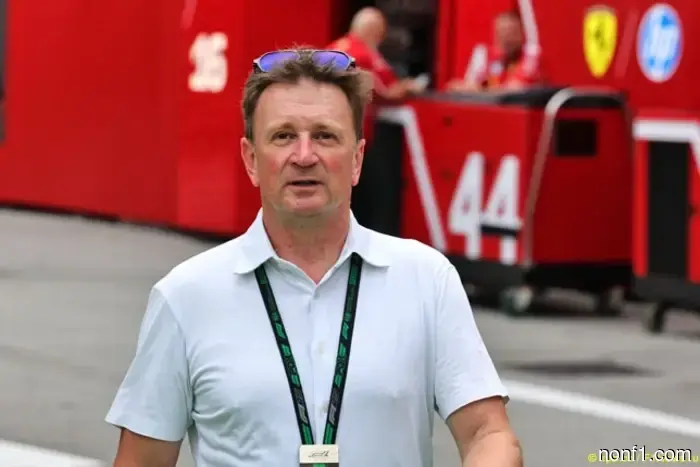 Alan McNish will be promoted at Audi.
Alan McNish, who took charge of Audi's youth program at the beginning of the year, will be promoted within the Formula 1 team.
Alan McNish will be promoted at Audi.
Alan McNish, who took charge of Audi's youth program at the beginning of the year, will be promoted within the Formula 1 team.
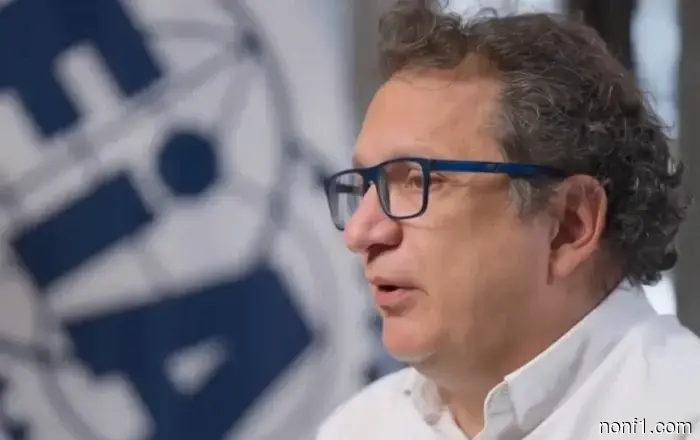 The innovations will be fully implemented after a couple of races.
Nicholas Tombasis, the FIA's single-seater racing director, commented on the adjustments made to the World Championship regulations, specifically addressing the starting procedure...
The innovations will be fully implemented after a couple of races.
Nicholas Tombasis, the FIA's single-seater racing director, commented on the adjustments made to the World Championship regulations, specifically addressing the starting procedure...
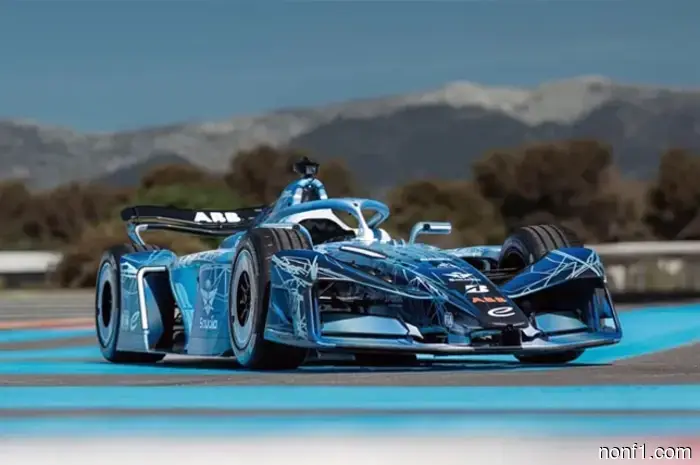 Max Verstappen liked the new Formula E car.
Antonio Felix da Costa, competing in Formula E for the Jaguar team, revealed that right after the presentation of the new GEN4 car, Max Verstappen shared his thoughts on the new model with him.
Max Verstappen liked the new Formula E car.
Antonio Felix da Costa, competing in Formula E for the Jaguar team, revealed that right after the presentation of the new GEN4 car, Max Verstappen shared his thoughts on the new model with him.
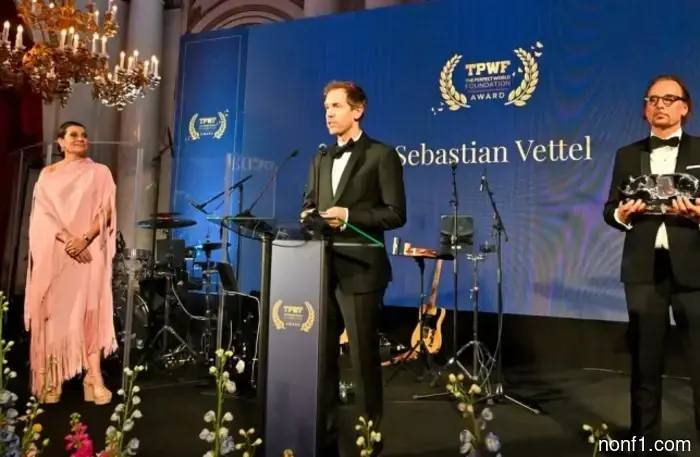 Vettel awarded for his environmental initiatives
Sebastian Vettel received an award from the Perfect World Foundation – at a ceremony held recently in Sweden, the four-time world champion was recognized as the "Environmental Advocate of the Year 2026"...
Vettel awarded for his environmental initiatives
Sebastian Vettel received an award from the Perfect World Foundation – at a ceremony held recently in Sweden, the four-time world champion was recognized as the "Environmental Advocate of the Year 2026"...
The innovations will be fully implemented after a couple of races.
Nicholas Tombasis, the FIA director for single-seater racing, commented on the adjustments made to the World Championship regulations, specifically addressing the starting procedure...