
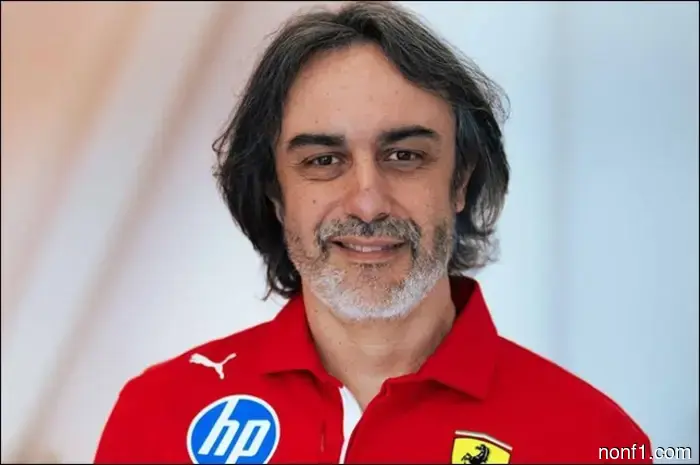
Ferrari driver on the features of the track in Miami...
Ferrari power unit efficiency engineer Carlo Bussi spoke about the features of the track before the Miami Grand Prix…
Question: After the last race, there were changes in the regulations, mainly concerning the power unit. What changes will we see on the track – in qualifying, at the start, and during the race… Carlo Bussi: The 2026 regulations are rightly called revolutionary; it justifies this name both in terms of the complexity of the power unit and in terms of energy management.
The abandonment of MGU-H and the increased role of the electric component have complicated energy management, its recovery, and usage. The first three races showed not only the strengths of the new rules but also areas that require refinement. In particular – the interaction of the driver with the car in qualifying and safety issues – at the start and during overtaking.
Starting from the Miami stage, the amount of electric energy available in qualifying will decrease, while the power of automatic recharging on the straights will increase, which will reduce the need to lift off the throttle and coast. It will become easier to prepare the power unit for the start of a fast lap in qualifying, and the hybrid system's operation will become more flexible and predictable.
At the start, cars that fail to accelerate properly will be able to use the MGU-K motor-generator to gain speed, which will reduce risks. Due to the reduction in electric power and restrictions on energy management, safety during overtaking in blind corners or on short straights, where a large speed difference can be dangerous, will improve.
Question: How will the features of the Miami track affect the operation of the power unit? Carlo Bussi: In Miami, the city track is of medium length, and the configuration includes four high-speed sections that are taken with the throttle fully pressed, linked by medium-speed and slow corners.
For the 2026 power unit, the track can be considered moderately complex in terms of recovery and energy usage. The critical section is from turn 7 to turn 17, where two long straights will allow for a complete battery discharge in the battle for position, while charging it in slow corners will be difficult.
The high temperature and humidity typical of May will require the cooling system to work efficiently. Additionally, the track is demanding on the turbine, which this year has lost electrical support from the MGU-H.
Question: What has your journey in Ferrari been like? Carlo Bussi: I was born and raised in Modena, and I have been passionate about engines, Formula 1, and Ferrari since childhood. After university, I decided to dedicate myself to an academic career, and while working on my dissertation in 2001, I had the opportunity to work with the Scuderia.
I was impressed by the high technical level, team spirit, and incredible ability to focus on priorities and solve the most complex problems in a short time. When it came time to decide what to do, the opportunity to join the team arose – and I seized it without hesitation.
Over the past twenty years, I have held various positions in the engine and power unit department. I started with the fuel injection system, then worked in the hybrid systems design group, and eventually reached my current position, where I coordinate efficiency improvements and management strategy.
The team has become a second family to me, with whom I have gone through a lot, experiencing both great successes and difficult moments. It inspires me to set and solve challenging tasks, develop, and achieve better results.
Other articles
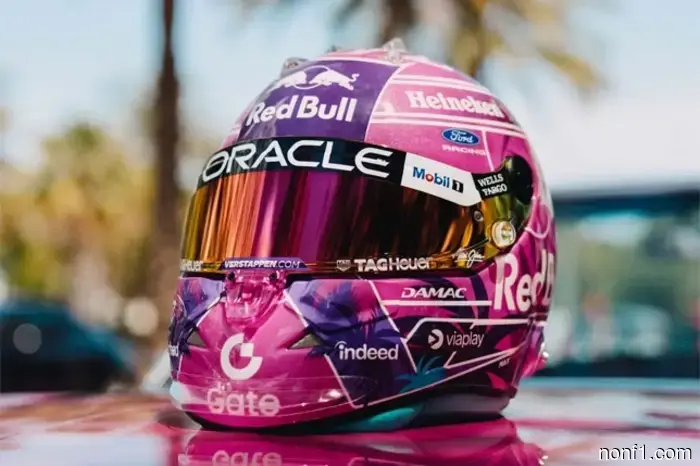 Max Verstappen unveiled the helmet for the Miami Grand Prix.
Max Verstappen unveiled the racing helmet he will wear at the Miami Grand Prix.
Max Verstappen unveiled the helmet for the Miami Grand Prix.
Max Verstappen unveiled the racing helmet he will wear at the Miami Grand Prix.
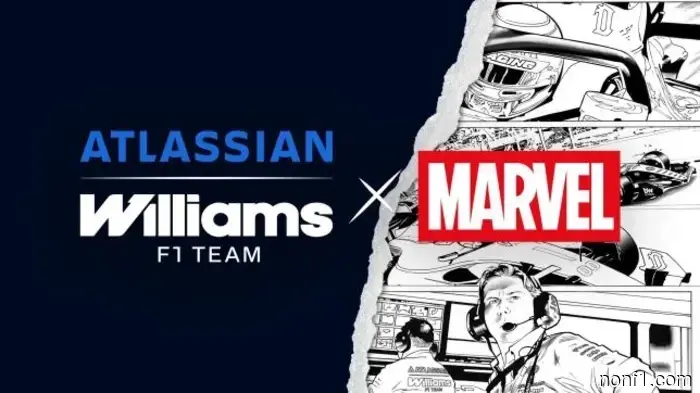 Sainz and Albon will fight Doctor Doom in a new comic.
In December 2026, a new film from the Marvel Cinematic Universe titled "Avengers: Judgment Day" will be released worldwide, in which superheroes will unite in the fight against Doctor Doom. Disney is gradually starting the film's advertising campaign, during which an agreement was made with the Williams team.
Sainz and Albon will fight Doctor Doom in a new comic.
In December 2026, a new film from the Marvel Cinematic Universe titled "Avengers: Judgment Day" will be released worldwide, in which superheroes will unite in the fight against Doctor Doom. Disney is gradually starting the film's advertising campaign, during which an agreement was made with the Williams team.
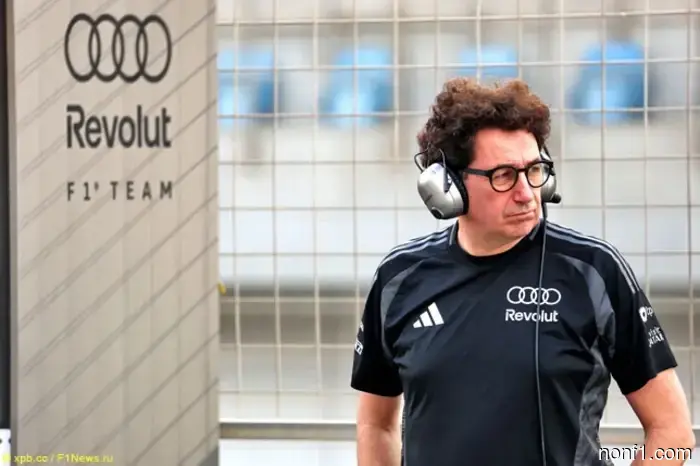 Audi will not compromise for the sake of short-term success.
Mattia Binotto stated that Audi will not abandon long-term goals for the sake of achieving quick but short-term success.
Audi will not compromise for the sake of short-term success.
Mattia Binotto stated that Audi will not abandon long-term goals for the sake of achieving quick but short-term success.
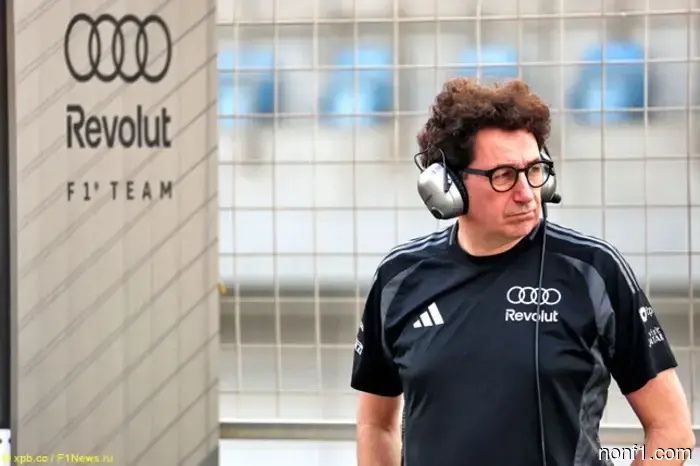 Audi will not compromise for the sake of short-term success.
Mattia Binotto stated that Audi will not abandon long-term goals for the sake of achieving quick but short-term success.
Audi will not compromise for the sake of short-term success.
Mattia Binotto stated that Audi will not abandon long-term goals for the sake of achieving quick but short-term success.
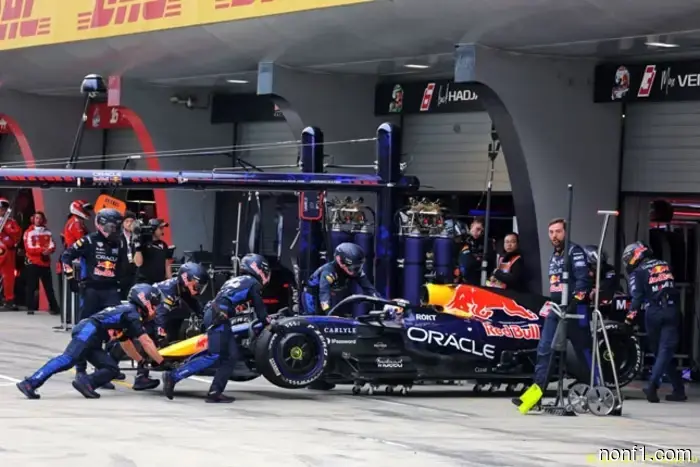 Palmer expects serious progress from Red Bull in Miami.
Former driver and F1 TV expert Jolyon Palmer believes that the long break between Japan and Miami will help Red Bull Racing…
Palmer expects serious progress from Red Bull in Miami.
Former driver and F1 TV expert Jolyon Palmer believes that the long break between Japan and Miami will help Red Bull Racing…
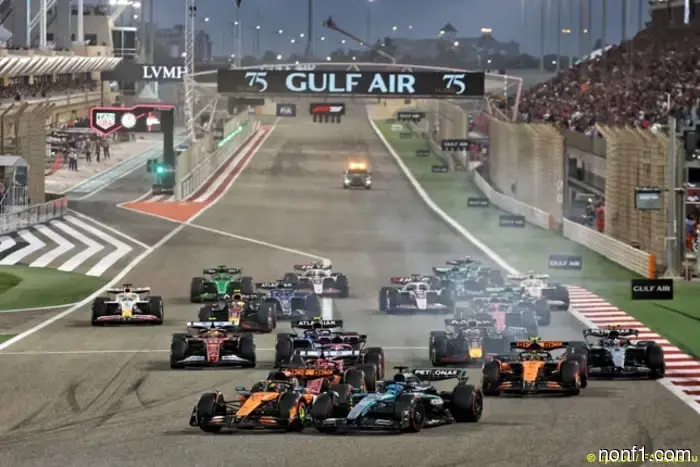 The Bahrain Grand Prix will open the 2027 season.
Work continues in Formula 1 on compiling the calendar for the 2027 season. An official announcement is expected no earlier than June, however, a preliminary version has already appeared in the press, in which changes are still possible.
The Bahrain Grand Prix will open the 2027 season.
Work continues in Formula 1 on compiling the calendar for the 2027 season. An official announcement is expected no earlier than June, however, a preliminary version has already appeared in the press, in which changes are still possible.
Ferrari driver on the features of the track in Miami...
Ferrari power unit efficiency engineer Carlo Bussi spoke about the features of the track before the Miami Grand Prix...