
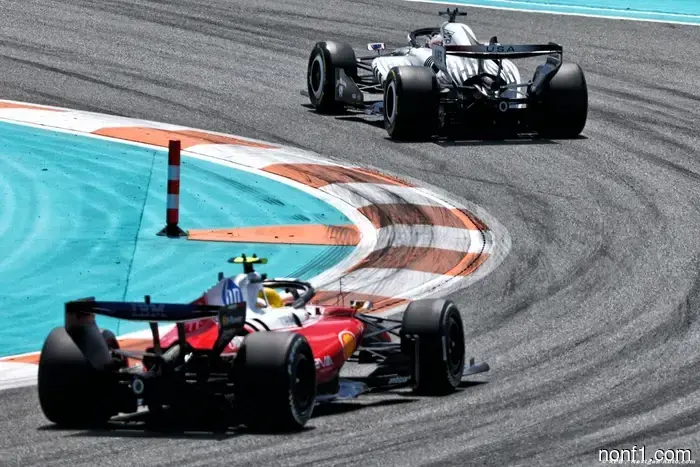
Discussions on new regulations are set for Friday amidst persistent worries regarding 2026.
"The charging options will simply not be enough."
Formula 1's contentious regulations for 2026 are scheduled for further discussion on Friday, as the FIA, teams, and FOM will assess whether the modifications made in Miami actually enhanced the racing experience. This meeting comes after the first race weekend utilizing the updated rules introduced during the five-week gap caused by the cancellation of the Bahrain and Saudi Arabian Grands Prix. Critics are cautioning that the fundamental energy issue is still far from resolved, especially as they approach power-sensitive circuits like Montreal. "The charging options will simply not be enough," reported Auto Motor und Sport. "It is anticipated that drivers may run out of power too soon in the multiple full-throttle segments."
One suggestion reportedly on the table is to increase the fuel allowance so that the internal combustion engine contributes more than its current share of 50 percent of total output. However, this change could have significant technical ramifications. "If we are meant to implement this as early as 2027, we really need to know right now," warned Alpine boss Steve Nielsen. "We are currently finalizing the design for the next car."
Andrea Stella has also proposed adjustments to the electrical system itself. "There are many opportunities to use energy during a lap, but very few places to recover it," the McLaren boss explained. "For instance, we could think about raising the charging capability from 350 kW to 400 kW or even 450 kW. Bigger batteries would also help." Nonetheless, Stella cautioned that 2027 might already be too late for meaningful redesigns. "The lead times for engine manufacturers are extensive," he stated. "We don't have much time left before next season." "That’s why I urge everyone involved to finalize discussions about potential measures before the summer break, ensuring the package is ready for the 2028 season."
Meanwhile, as discussions about a possible return to V8 engines around 2030-2031 continue, Ferrari CEO Benedetto Vigna expressed that he is not alarmed. "We believe in maintaining the three-engine strategy – thermal, hybrid, and electric," he remarked during Ferrari’s quarterly shareholder meeting. "We are aware of these discussions with the FIA; they have been ongoing for quite some time. I think we definitely need to review certain aspects every five years, as is customary with the FIA’s regulations, but there won't be any repercussions, neither for road cars nor for our strategy."
F1 CEO Stefano Domenicali, however, maintains that the current situation does not constitute a crisis. "We are resilient," he stated. "At first, everyone has something to say about it, but eventually, someone must draw conclusions." "Of course, there is continuous evolution, but that has always been part of Formula 1. Together with all parties involved in shaping the rules, we aim to account for changing trends and developments, but right now, we are concentrating on the fact that the races are genuinely thrilling."
Other articles
 DIY Enthusiast Creates Ultimate Chore Squad Featuring Mini Bulldozer and Road Grader Built on Lawn Tractors
Do you have an old Cub Cadet sitting unused? Consider transforming it into an articulating dump truck or a forklift like this guy did!
DIY Enthusiast Creates Ultimate Chore Squad Featuring Mini Bulldozer and Road Grader Built on Lawn Tractors
Do you have an old Cub Cadet sitting unused? Consider transforming it into an articulating dump truck or a forklift like this guy did!
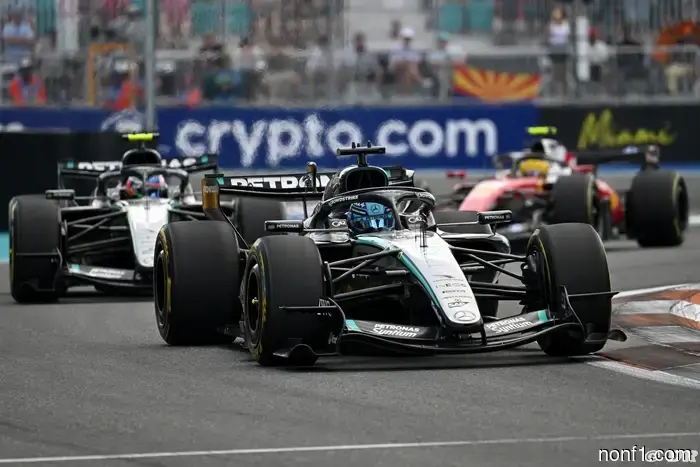 Rosberg anticipates a confrontation between Antonelli and Russell as the tension escalates.
Formula 1 | Nico Rosberg thinks a future confrontation between Kimi Antonelli and George Russell is now unavoidable as the young prodigy keeps accumulating (…)
Rosberg anticipates a confrontation between Antonelli and Russell as the tension escalates.
Formula 1 | Nico Rosberg thinks a future confrontation between Kimi Antonelli and George Russell is now unavoidable as the young prodigy keeps accumulating (…)
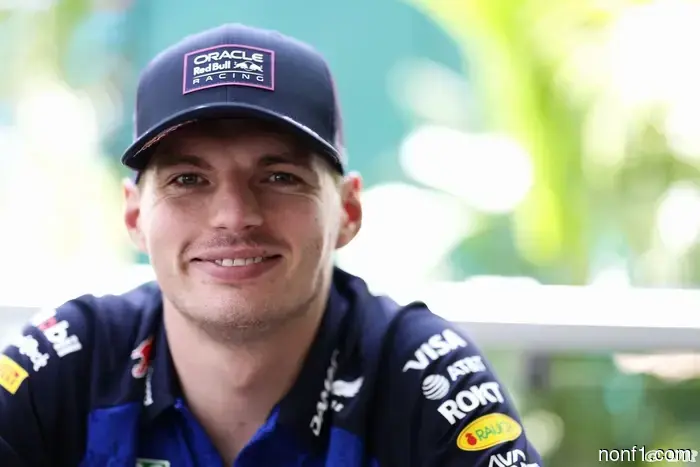 Verstappen embracing GT3 amidst new future speculations.
Formula 1 | Max Verstappen expresses his desire to compete as much as he can outside of Formula 1 while getting ready for his inaugural Nurburgring 24 race as a four-time world champion.
Verstappen embracing GT3 amidst new future speculations.
Formula 1 | Max Verstappen expresses his desire to compete as much as he can outside of Formula 1 while getting ready for his inaugural Nurburgring 24 race as a four-time world champion.
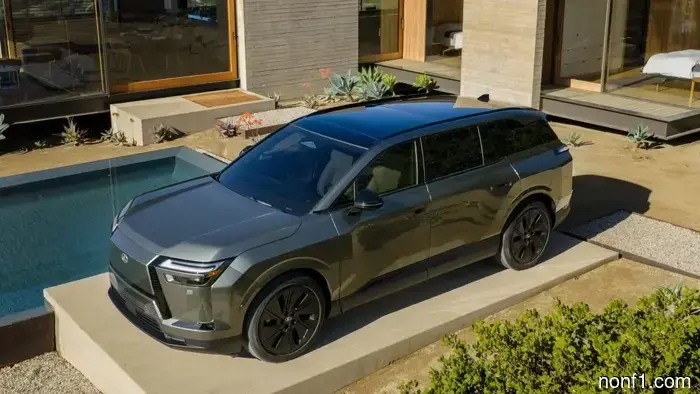 Lexus Has Nonchalantly Introduced Its First Electric SUV with Three Rows.
You’ve checked out the new electric Toyota Highlander. Now, take a look at the Lexus equivalent.
Lexus Has Nonchalantly Introduced Its First Electric SUV with Three Rows.
You’ve checked out the new electric Toyota Highlander. Now, take a look at the Lexus equivalent.
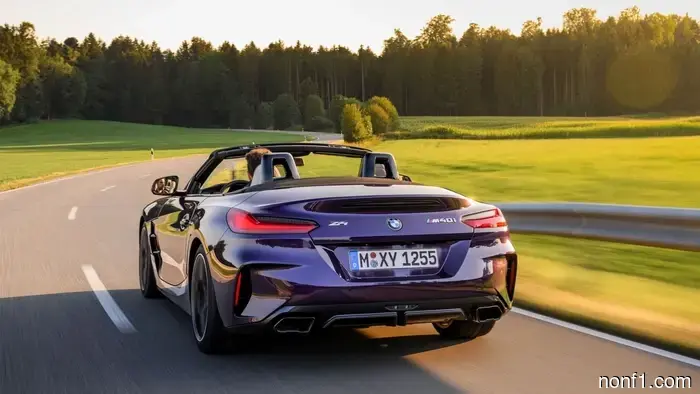 The final BMW Z4 has been produced, marking the conclusion of almost three decades of roadster models.
The final BMW roadster for the near future has officially come off the production line in Austria.
The final BMW Z4 has been produced, marking the conclusion of almost three decades of roadster models.
The final BMW roadster for the near future has officially come off the production line in Austria.
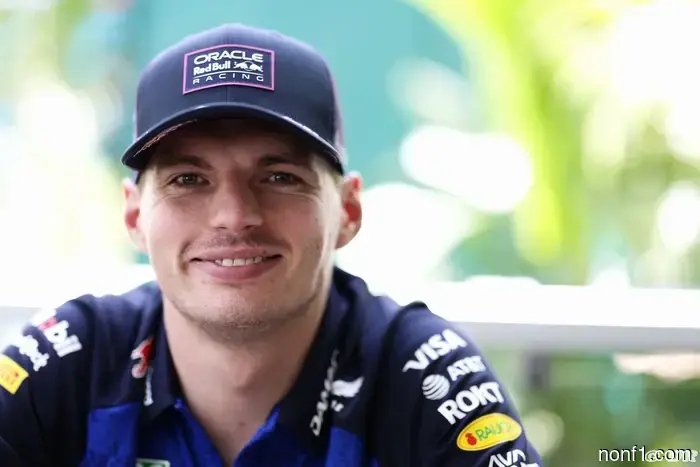 Verstappen welcoming GT3 in light of new future speculations
Formula 1 | Max Verstappen expresses his desire to compete as often as he can outside of Formula 1, as the four-time world champion gears up for his inaugural Nurburgring 24.
Verstappen welcoming GT3 in light of new future speculations
Formula 1 | Max Verstappen expresses his desire to compete as often as he can outside of Formula 1, as the four-time world champion gears up for his inaugural Nurburgring 24.
Discussions on new regulations are set for Friday amidst persistent worries regarding 2026.
Formula 1 | The contentious 2026 regulations of Formula 1 will be revisited on Friday, as the FIA, teams, and FOM prepare to evaluate the Miami (…)