
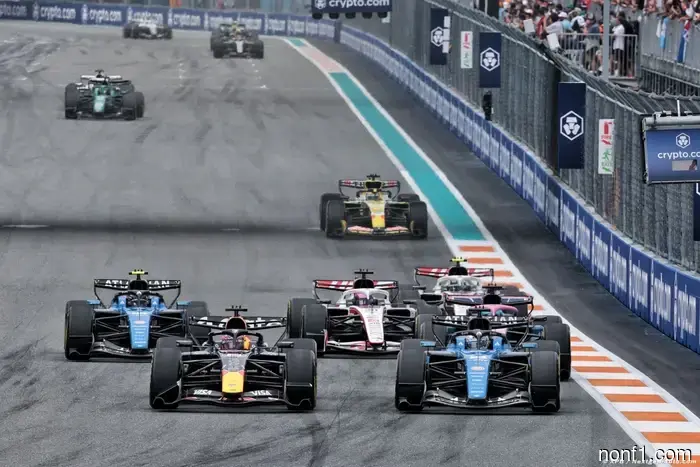
Marko claims that the 2026 regulations have diminished the excitement of qualifying.
Former Red Bull advisor Dr. Helmut Marko has stated that Formula 1 qualifying has lost its significance due to the controversial regulations set for 2026. The 83-year-old Austrian is among the most vocal opponents of the new hybrid era, despite the FIA making emergency adjustments after only a few races.
"It was evident that the shift to these engine regulations would bring about many changes," Marko told motorsport-magazin.com. "However, I honestly didn’t anticipate such a profound effect on qualifying. Qualifying has diminished in its excitement."
Marko contends that the move from aggressive driving to energy conservation has altered the fundamental nature of Formula 1 racing. "Previously, it was crucial to brake as late as possible and accelerate earlier while pushing the limits of the equipment," he stated. "Now, the primary focus is on managing energy consumption."
"And that's what Formula E is for."
He noted that the races have only remained engaging due to specific technical characteristics of the current regulations. "Thanks to Ferrari having an edge at the start, the races are running well," Marko mentioned. "However, overtaking is not as we used to see."
Nonetheless, Marko welcomed the FIA's recent openness to revisiting some of the more extreme elements of the regulations. "If we gradually reduce the electric power contribution and increase the output of the internal combustion engine, we could eventually restore a more typical scenario," he explained.
Marko also pointed out that the original purpose behind the regulations has become outdated. "These regulations were initially intended to attract Porsche and Audi to the series," he clarified. "Then Cadillac also decided to develop its own power unit for Formula 1. Now, however, the internal combustion engine is making a resurgence, justified by the shift to carbon-neutral fuels."
Formula 1 had already implemented its first mid-season adjustments ahead of the Miami Grand Prix after drivers expressed concerns about excessive energy harvesting, lift-and-coast racing, and unsafe closing-speed disparities. "The initial modifications were made before the Miami Grand Prix, leading to some improvements, even if they were minor."
"Efforts in this area will continue, though it is a complex task that will inevitably require compromises," Marko noted.
Despite his critique of Formula 1’s electric direction, Marko emphasized that he is not against electric vehicles. "I drive a Mini E myself," he shared. "But I admit that the range on a single charge significantly decreases in winter. In urban settings, an electric car like this has several advantages, especially with the abundance of charging stations."
"I try to keep up with modern trends," Marko added. "But I wouldn't use one of these cars in rural areas."
Other articles
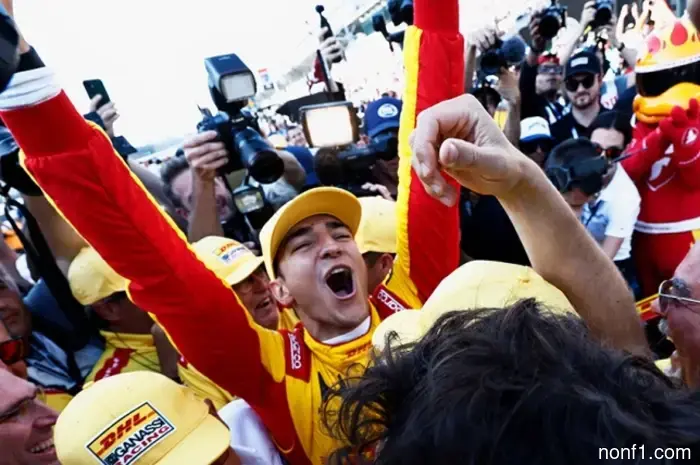 Alex Palou has once again secured pole position at the Indy 500.
Alex Palou won the Indy 500 a year ago and in 2026 he will try to repeat that success, starting from the most favorable position...
Alex Palou has once again secured pole position at the Indy 500.
Alex Palou won the Indy 500 a year ago and in 2026 he will try to repeat that success, starting from the most favorable position...
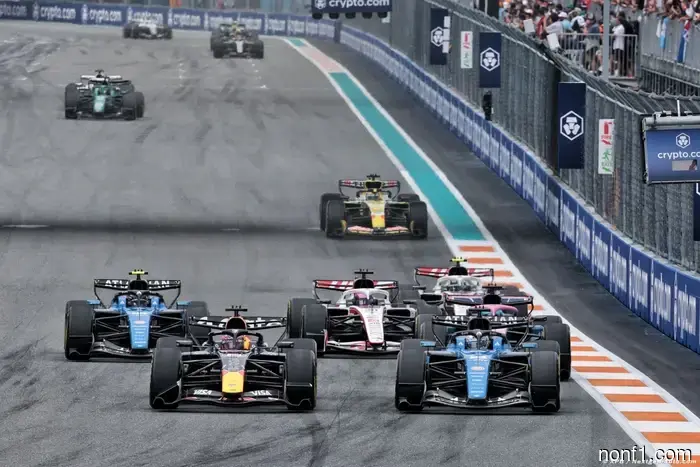 Marko claims that the 2026 regulations have diminished the attractiveness of qualifying.
Formula 1 | Dr. Helmut Marko, a former advisor for Red Bull, argues that the essence of Formula 1 qualifying has diminished due to the contentious regulations set to take effect in 2026. The (…)
Marko claims that the 2026 regulations have diminished the attractiveness of qualifying.
Formula 1 | Dr. Helmut Marko, a former advisor for Red Bull, argues that the essence of Formula 1 qualifying has diminished due to the contentious regulations set to take effect in 2026. The (…)
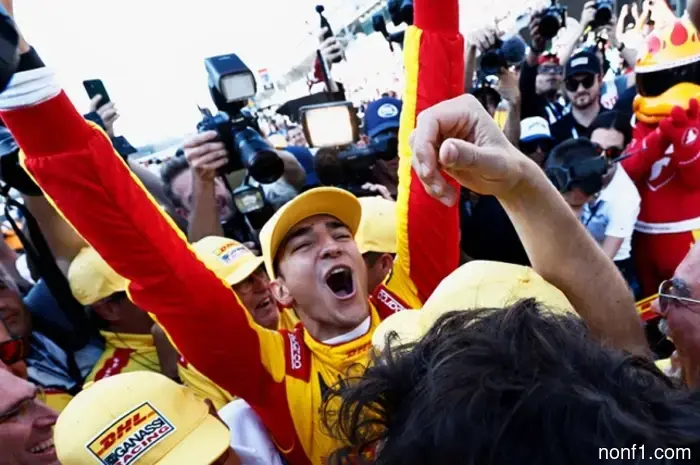 Alex Palou has once again secured pole position at the Indy 500.
Alex Palou won the Indy 500 a year ago and in 2026 he will try to repeat that success, starting from the most favorable position...
Alex Palou has once again secured pole position at the Indy 500.
Alex Palou won the Indy 500 a year ago and in 2026 he will try to repeat that success, starting from the most favorable position...
 Schumacher is uncertain that Leclerc will ever secure a title with Ferrari.
Formula 1 | Former driver Ralf Schumacher believes that Charles Leclerc has the potential to become a world champion if he has the right car, but it is unlikely to happen with Ferrari. (…)
Schumacher is uncertain that Leclerc will ever secure a title with Ferrari.
Formula 1 | Former driver Ralf Schumacher believes that Charles Leclerc has the potential to become a world champion if he has the right car, but it is unlikely to happen with Ferrari. (…)
 Schumacher questions whether Leclerc will ever secure a title with Ferrari.
Formula 1 | Charles Leclerc has the potential to be a world champion if he has the right car, but it is unlikely to happen with Ferrari, says former Formula 1 driver Ralf Schumacher. (…)
Schumacher questions whether Leclerc will ever secure a title with Ferrari.
Formula 1 | Charles Leclerc has the potential to be a world champion if he has the right car, but it is unlikely to happen with Ferrari, says former Formula 1 driver Ralf Schumacher. (…)
Marko claims that the 2026 regulations have diminished the excitement of qualifying.
Formula 1 | Ex-Red Bull advisor Dr. Helmut Marko claims that the essence of Formula 1 qualifying has been diminished due to the controversial regulations set for 2026. The (…)