
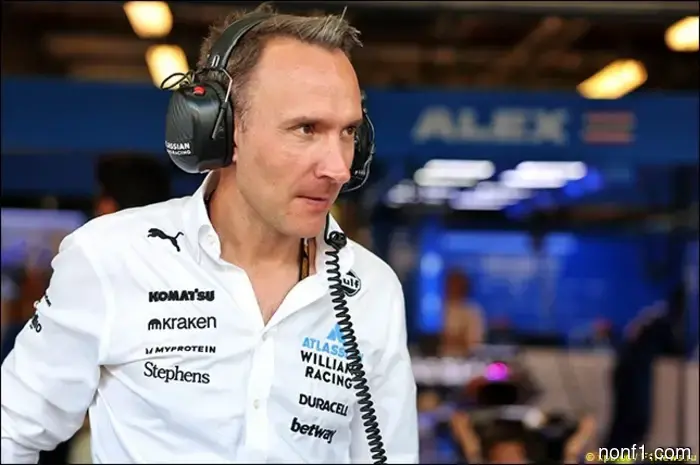
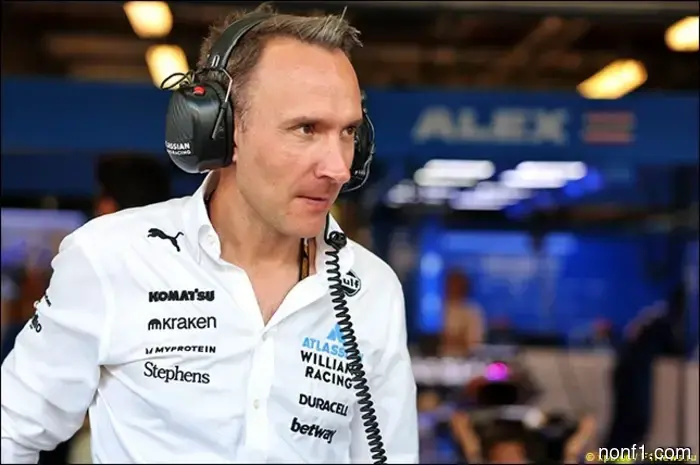
Paul Williams on the features of the track in Canada…
Before the Canadian Grand Prix, Paul Williams, the chief engineer of the Williams racing team, spoke about the key technical factors that could influence the weekend's proceedings...
Question: What are the main technical challenges of the track in Canada?
Paul Williams: We are facing the third of six rounds with a Saturday sprint this season, and these are always challenging rounds with only one practice session before the sprint qualifying. The power and efficiency of the car will play a key role. A series of straights interspersed with slow corners puts the performance of the power unit, aerodynamic efficiency, and overall downforce at the forefront. Issues with tire warming, especially the front tires, will affect grip and stability throughout the lap. The braking zones at turns 8 and 10, combined with aggressive curb usage at turns 3 and 4, require good handling while maintaining strong braking and quick acceleration.
Question: How will the transition to the 2026 regulations affect the weekend's proceedings?
Paul Williams: The track configuration creates unique challenges – low energy consumption in the first half of the lap and high in the second. Energy accumulation restrictions will affect qualifying strategy — changes to the regulations before the Miami race reduced the energy accumulation limit from 8 MJ to 6 MJ, which will impact energy distribution but will allow drivers to push to their limits.
Question: What challenges might arise in working with tires?
Paul Williams: The compounds this year are one step harder than in 2025 – the C6 compound that was available then is no longer present. In cool weather, there is a risk of tire granulation for Medium and Soft compounds. Preparing the tires for a fast lap will be one of the most challenging tasks this season. The short, flat track, which does not particularly stress the tires, combined with cool weather, will complicate tire warming significantly, especially in qualifying, where an additional warm-up lap may be required. Wear is typically limited to the left rear tire.
Question: What strategic considerations should be taken into account before the race?
Paul Williams: There are various options possible in qualifying – the short lap allows for many permissible schemes, including series of one fast lap and 3-4 laps, with the key factor being the choice between optimal tire preparation and managing traffic. The first-ever Saturday sprint in Montreal will likely take place without pit stops, with a slight advantage for Medium tires – they will allow laps to be completed about a tenth faster than Hard tires. In the Sunday race, a one-stop strategy with Hard and Medium compounds is likely. A two-stop strategy yields about one position worse, and pace over the distance in Canada is more important than qualifying pace. The likelihood of a real (70%) and virtual safety car (44%) is above the season average. An early safety car announcement will contribute to very long second stints, while a late one may cause additional pit stops.
Other articles
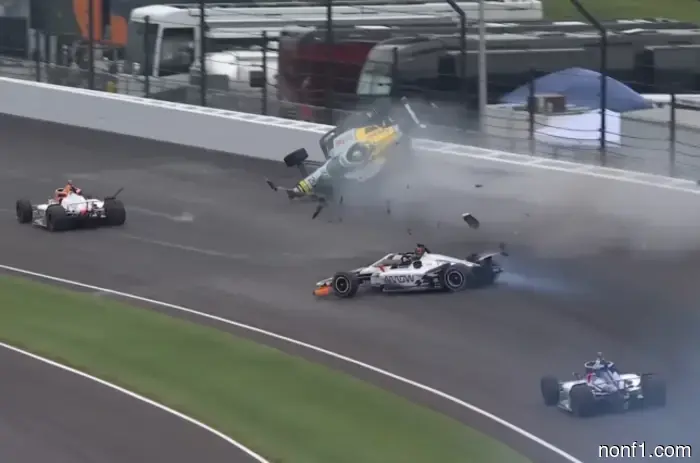 Indy 500: Alex Rossi was involved in a serious accident
Alex Rossi showed the 2nd best result in the qualifying for the Indy 500, however, his participation in the famous race is now in question...
Indy 500: Alex Rossi was involved in a serious accident
Alex Rossi showed the 2nd best result in the qualifying for the Indy 500, however, his participation in the famous race is now in question...
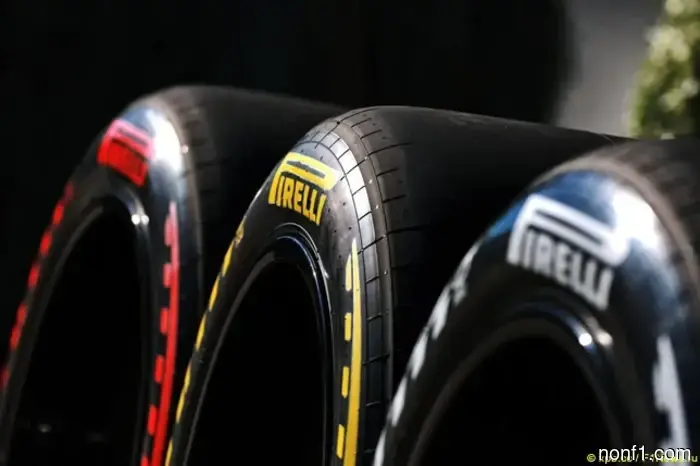 Pirelli announced the tire compounds for the races in Monaco and Barcelona.
Pirelli has announced the tire compounds that will be available to teams for the first two summer races of the season in Monaco and Barcelona.
Pirelli announced the tire compounds for the races in Monaco and Barcelona.
Pirelli has announced the tire compounds that will be available to teams for the first two summer races of the season in Monaco and Barcelona.
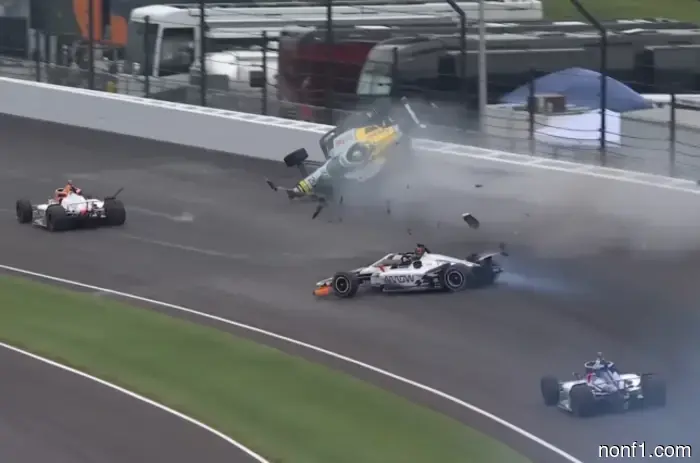 Indy 500: Alex Rossi was involved in a serious accident
Alex Rossi showed the 2nd best result in the qualifying for the Indy 500, however, his participation in the famous race is now in question...
Indy 500: Alex Rossi was involved in a serious accident
Alex Rossi showed the 2nd best result in the qualifying for the Indy 500, however, his participation in the famous race is now in question...
 Paul Williams on the features of the track in Canada…
Paul Williams on the technical factors that could influence the course of the weekend...
Paul Williams on the features of the track in Canada…
Paul Williams on the technical factors that could influence the course of the weekend...
Paul Williams on the features of the track in Canada…
Paul Williams on the technical factors that could affect the course of the weekend...