
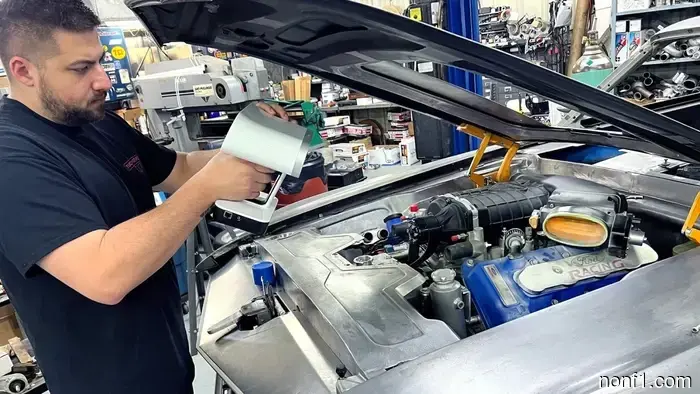
Traditional hot rodders are utilizing advanced 3D scanners to create custom components.
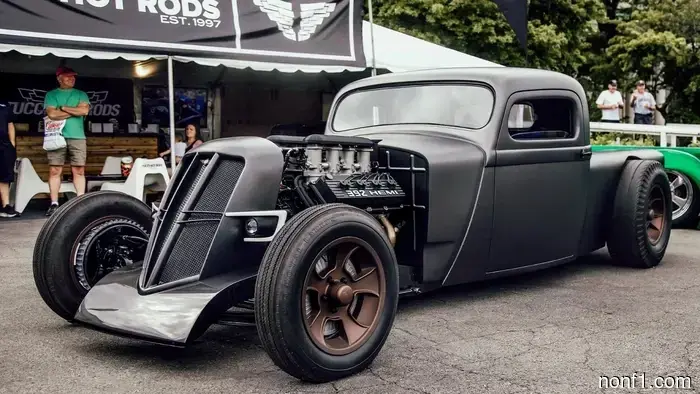
Tucci Hot Rods
The latest car news and reviews, no nonsense.
Our daily newsletter, available for free, delivers the most important stories straight to you every weekday.
Whether it’s replicating discontinued parts or crafting unique performance components, 3D printing has created numerous opportunities. However, the quality of these parts heavily relies on the accuracy of the templates used, and obtaining precise measurements can be a lengthy task. One hot rod shop discovered the solution by fully embracing technology.
Located in Marcy, Upstate New York, Tucci Hot Rods is best recognized for the lowered Ford Maverick SEMA concept, which sparked a street truck revival and inspired the Maverick Lobo. The shop is inclusive of all eras, working on modern vehicles like the Maverick as well as classic hot rods such as the 1931 Ford Model A and the 1936 Dodge pickup. This approach avoids a one-size-fits-all mentality.
According to a press release from Artec 3D, Tucci Hot Rods frequently utilizes 3D printers to produce items such as headlight and taillight lenses, vents, and various trim pieces. Artec provided a Leo 3D scanner and its accompanying software to enhance the part-making process. Prior to implementing 3D scanning, the creation of these components was often fraught with labor-intensive trial and error.
"We used a lot of cardboard and made numerous prototype pieces to test for fit, with plenty of adjustments and new prints. It was a lot of back and forth," said Dominick Tucci, a designer at Tucci Hot Rods and son of the founders Dave Jr. and Jill Tucci, in the release. "In the end, we spent three to four days going back and forth, a process we now reduced to just 15 minutes of scanning."
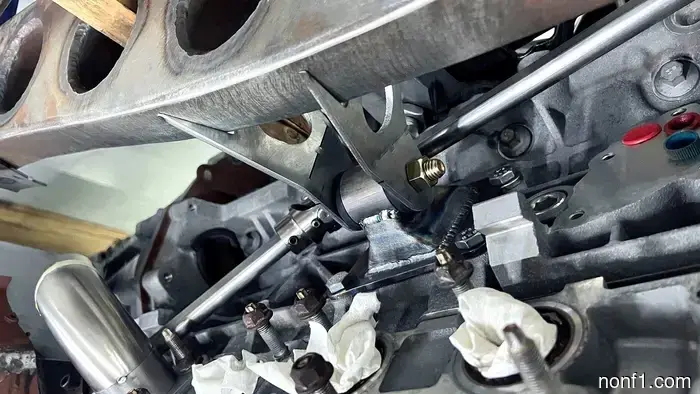
This efficient method has already been utilized in several projects. For a recent 1931 Model A build, Tucci was able to create engine mounts by simply placing the new engine between the frame rails and scanning everything. However, the benefits extend beyond speed; the scanning tool also offered the necessary precision to measure a 1936 Dodge grille accurately to create new headlight covers that fit perfectly around it. Previously, parts made using traditional measurement techniques were consistently a quarter inch off either front or back.
The ongoing AI surge illustrates that technology should not be employed merely for its own sake. When technology is both innovative and practical, it proves to be a valuable asset.
Have a tip about new technology that simplifies tasks? Reach out to us at tips@thedrive.com.
Other articles
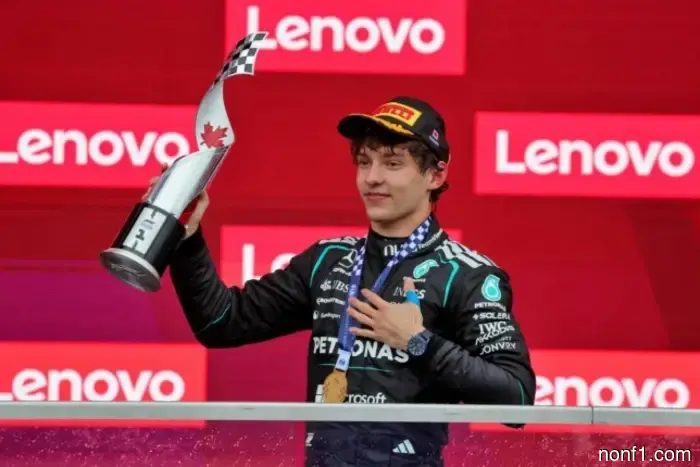 Antonelli: It was very fun to fight with George.
Kimi Antonelli won the Canadian Grand Prix and became the first driver in Formula 1 history to achieve the first four victories consecutively, one after another...
Antonelli: It was very fun to fight with George.
Kimi Antonelli won the Canadian Grand Prix and became the first driver in Formula 1 history to achieve the first four victories consecutively, one after another...
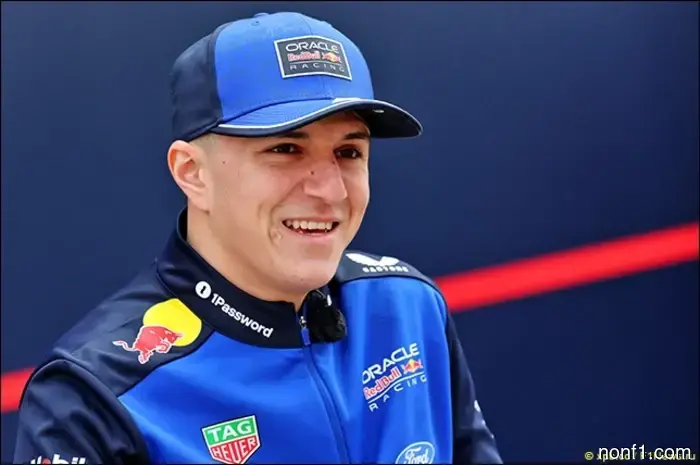 90 minutes to the start: Isaac Hadjar's comment
Isaac Hajar is waiting for a tough race...
90 minutes to the start: Isaac Hadjar's comment
Isaac Hajar is waiting for a tough race...
 90 minutes to the start: Isaac Hajar's comment
Isaac Hajar is expecting a tough race...
90 minutes to the start: Isaac Hajar's comment
Isaac Hajar is expecting a tough race...
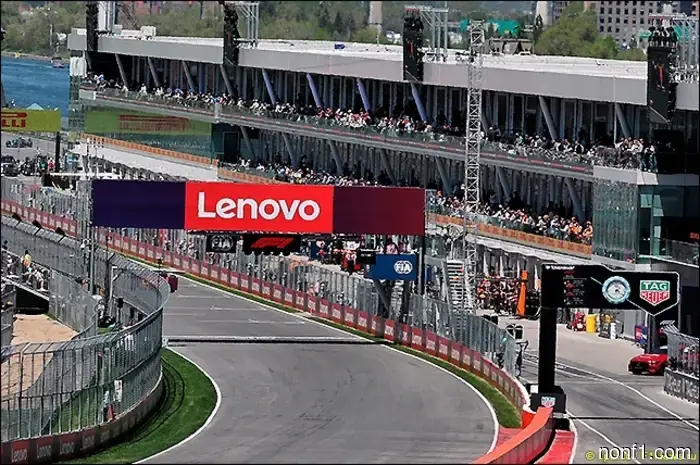 Canadian Grand Prix: Starting Grid
Starting grid of the Canadian Grand Prix...
Canadian Grand Prix: Starting Grid
Starting grid of the Canadian Grand Prix...
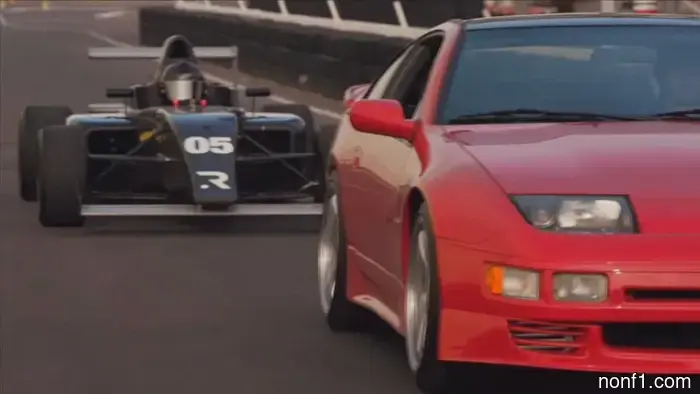 The Nissan 300ZX featured in that legendary Super Bowl commercial was actually a replica. This recreation is more authentic.
The original "Dreamer" advertisement from 1990 featured a naturally aspirated Z32 styled to look like a twin-turbo. Thirty-six years later, a YouTuber remedied that.
The Nissan 300ZX featured in that legendary Super Bowl commercial was actually a replica. This recreation is more authentic.
The original "Dreamer" advertisement from 1990 featured a naturally aspirated Z32 styled to look like a twin-turbo. Thirty-six years later, a YouTuber remedied that.
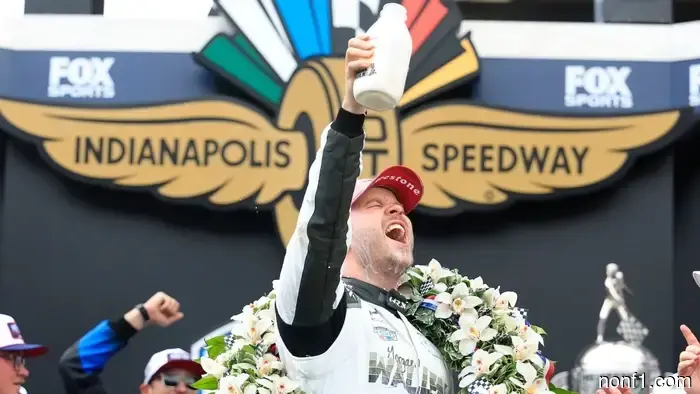 Felix Rosenqvist Secures Victory at the 2026 Indy 500
The Greatest Spectacle in Racing impressed once more, as Swedish driver Felix Rosenqvist secured Meyer Shank Racing's second win at the 500 this year.
Felix Rosenqvist Secures Victory at the 2026 Indy 500
The Greatest Spectacle in Racing impressed once more, as Swedish driver Felix Rosenqvist secured Meyer Shank Racing's second win at the 500 this year.
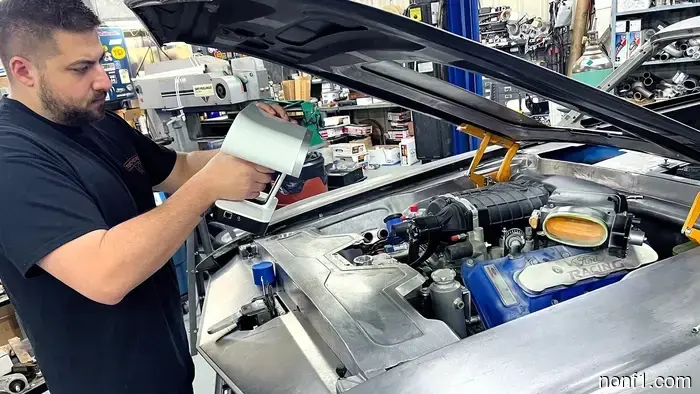
Traditional hot rodders are utilizing advanced 3D scanners to create custom components.
Scanning vehicles to obtain measurements for new components saves considerable time... and cardboard.