
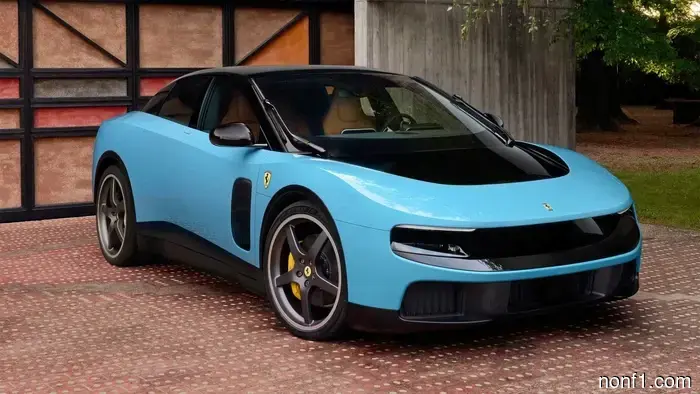
The Ferrari Luce needed to completely rethink the windshield wiper due to its design, which offered no available space for conventional wipers.
Ferrari
The most significant updates and assessments in the automotive world, no nonsense.
Subscribe to our complimentary daily newsletter to receive the most important stories directly in your inbox every weekday.
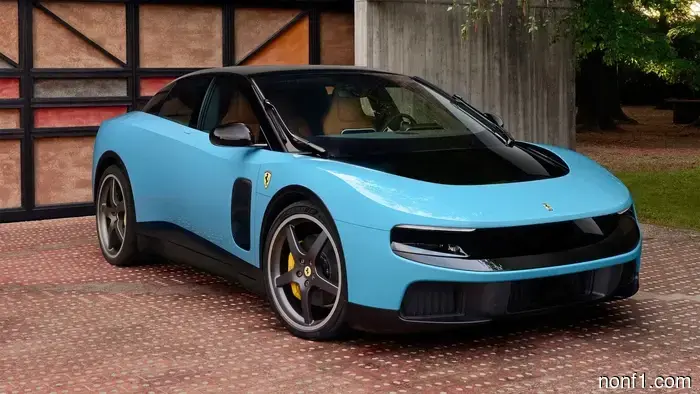
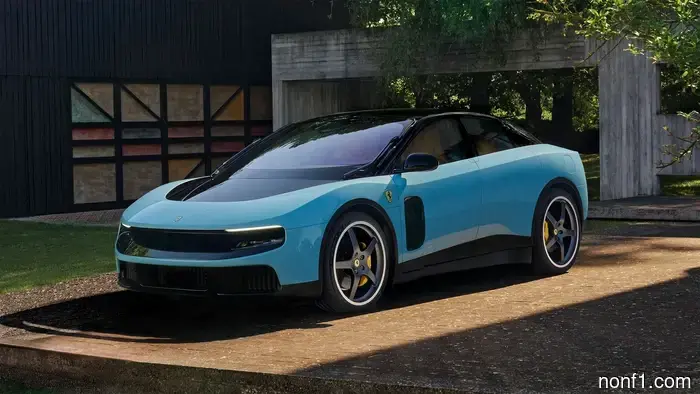
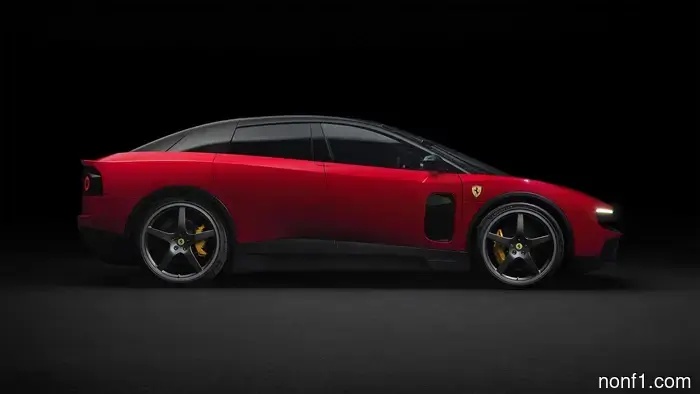
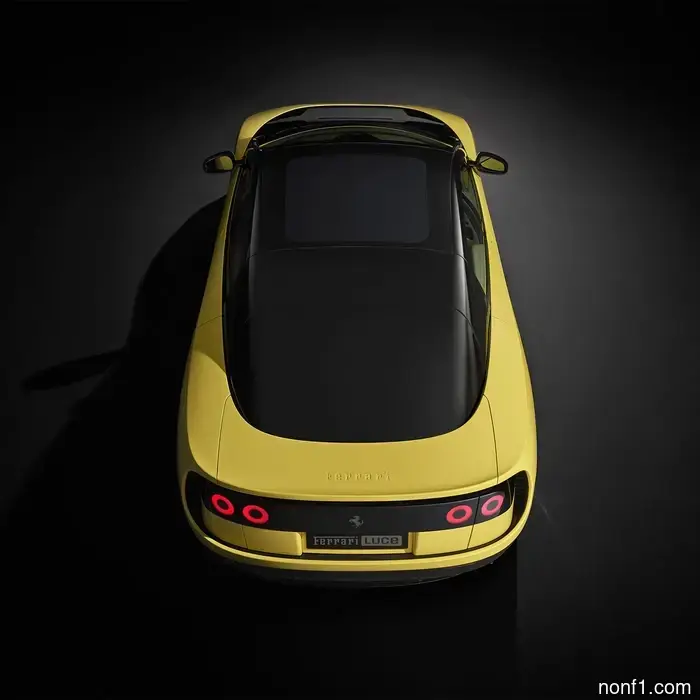
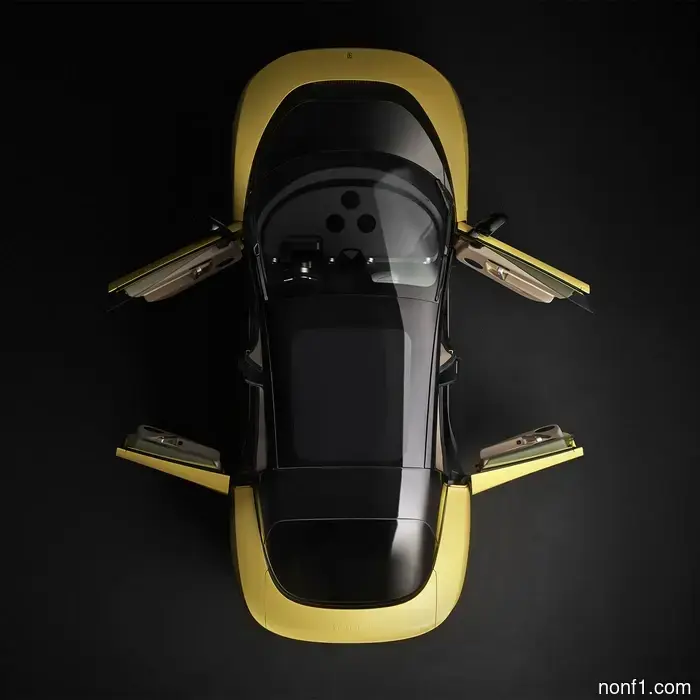
There’s a lot that’s unusual and contentious about the Ferrari Luce, a 1,035-horsepower electric sedan designed by creatives known for their work in electronics and furniture rather than automobiles. Even if you have strong opinions about it—whether positive or negative—one thing is evident: LoveFrom, the design firm that Ferrari hired for the Luce, has implemented some decidedly unconventional ideas for automotive design, including the unique placement of the windshield wipers.
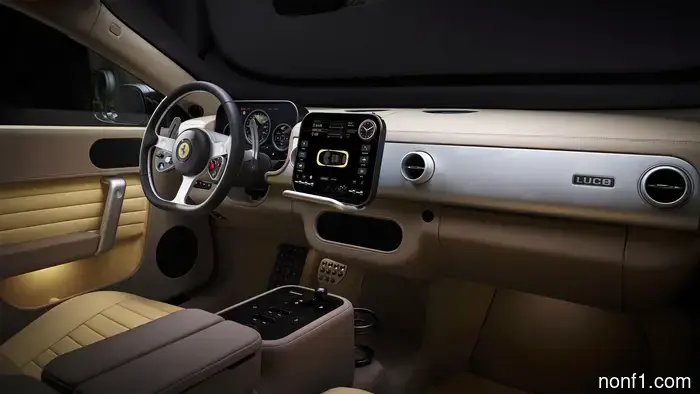
In fairness, this might be the least strange aspect of the Luce, considering its tall and narrow profile, the large mail slot in the front, and the oversized Apple Watch-inspired infotainment screen. However, it is still peculiar to see a production vehicle that positions its wipers upright against the A-pillars when not in use.
The wipers operate by sweeping towards each other and then moving away, instead of in the same direction. Ferrari had to keep them in this position because the Luce’s cowl is so low—featuring a near-seamless glossy black surface stretching from the edge of the windshield and over the body—that there’s no place for the blades to conceal themselves.
This placement makes the wipers a surprisingly prominent feature in the sedan’s design, which seems to contrast with the smooth, pebble-like exterior and the goal of achieving an ultra-low drag coefficient. However, for those familiar with Jony Ive’s work—the industrial designer who gained fame at Apple for shaping several groundbreaking products and who contributed to the Luce’s design—it begins to make more sense. He is the one who introduced the “notch” to the iPhone, opting to highlight a technical distinction rather than disguise it while competitors struggled to hide selfie cameras. This logic may also apply here.
Is it right or wrong? I don’t hold an art degree and won’t provide an answer, but even if the wipers are the fifth thing you notice on the Luce's front end, they signify that this Ferrari has been designed in a distinctly different manner than any previous models and comes from a separate realm with unique inspirations. Will this heritage prompt loyal customers of Maranello to spend at least $640,000 on one? Only time will reveal the answer to that question.
Ferrari
Have a tip? Contact us at tips@thedrive.com
Other articles
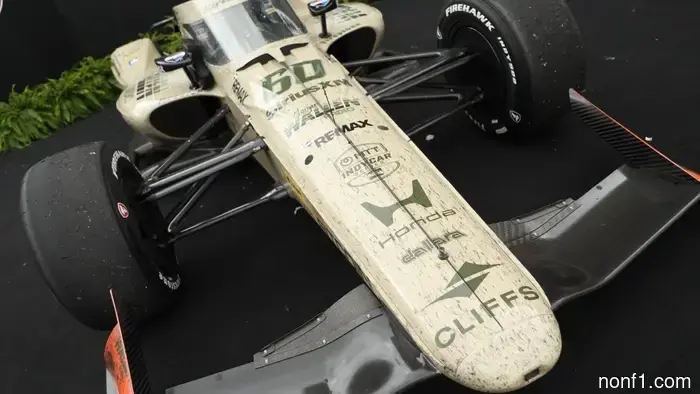 Honda Having a Voice in IndyCar's 2028 Regulations Is 'Essential' for Remaining in the Sport
IndyCar will ultimately make the final decisions regarding the 2028 regulations, but it is hoped that Honda and Chevy will have provided their guidance.
Honda Having a Voice in IndyCar's 2028 Regulations Is 'Essential' for Remaining in the Sport
IndyCar will ultimately make the final decisions regarding the 2028 regulations, but it is hoped that Honda and Chevy will have provided their guidance.
 Ferrari unexpectedly emerges as favorites in Monaco following Hamilton's rise.
Formula 1 | Ferrari has unexpectedly become a leading contender for Monaco, despite an uneven beginning to the 2026 season - with competitors now candidly recognizing the Italian (...)
Ferrari unexpectedly emerges as favorites in Monaco following Hamilton's rise.
Formula 1 | Ferrari has unexpectedly become a leading contender for Monaco, despite an uneven beginning to the 2026 season - with competitors now candidly recognizing the Italian (...)
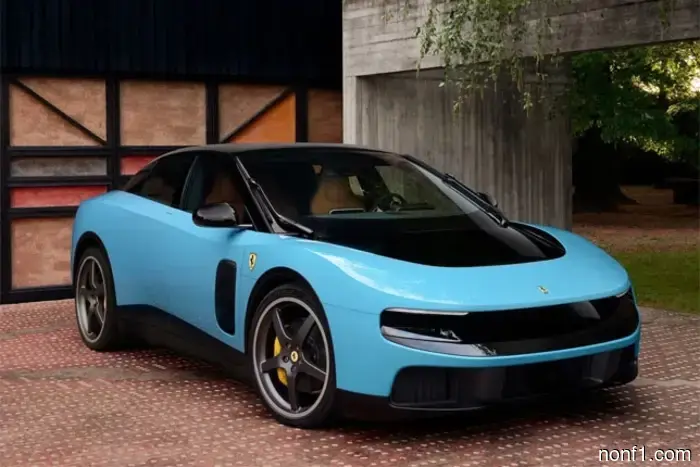 Di Montezemolo did not like the first Ferrari electric car.
On the eve, the company Ferrari presented its first electric car – Luce. The novelty is equipped with four electric motors, with a total power of 1050 hp. Not everyone is thrilled with Luce, including former company president Luca di Montezemolo.
Di Montezemolo did not like the first Ferrari electric car.
On the eve, the company Ferrari presented its first electric car – Luce. The novelty is equipped with four electric motors, with a total power of 1050 hp. Not everyone is thrilled with Luce, including former company president Luca di Montezemolo.
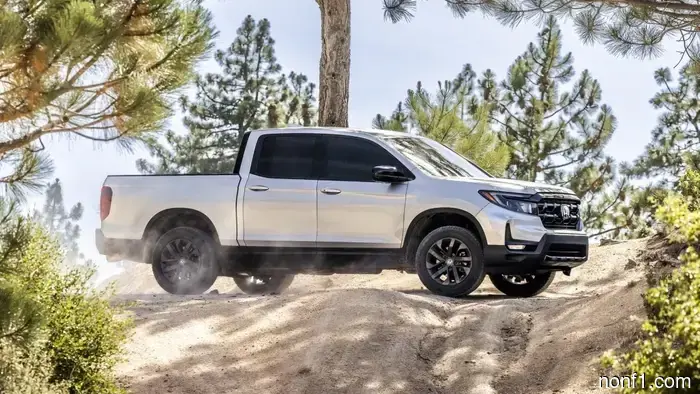 Report: Honda Ridgeline Will Be Discontinued for 18 Months Until It Returns with a V6 Hybrid.
The midsize pickup will take a break until 2028 as Honda introduces a new dual-motor hybrid powertrain and updates its design.
Report: Honda Ridgeline Will Be Discontinued for 18 Months Until It Returns with a V6 Hybrid.
The midsize pickup will take a break until 2028 as Honda introduces a new dual-motor hybrid powertrain and updates its design.
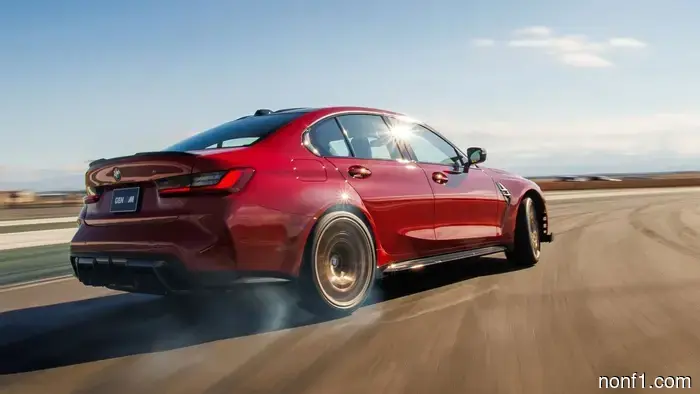 It's Officially the Final Call for the G80 BMW M3: TDS
BMW will complete the current generation of its sport sedan with the limited-edition Handschalter, before the M3 transitions to its next Neue Klasse phase.
It's Officially the Final Call for the G80 BMW M3: TDS
BMW will complete the current generation of its sport sedan with the limited-edition Handschalter, before the M3 transitions to its next Neue Klasse phase.
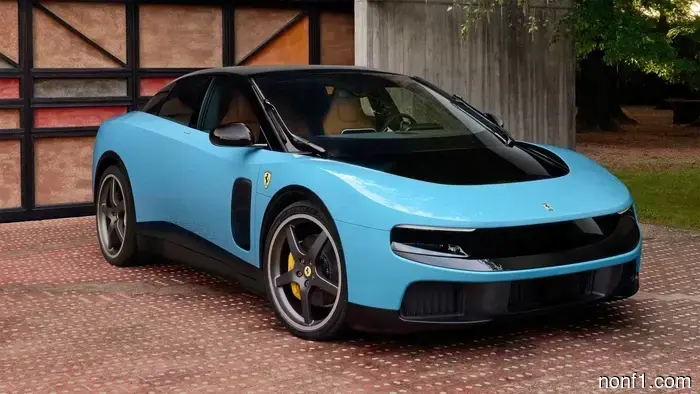 The Ferrari Luce needed to completely rethink the windshield wiper due to its design constraints.
Ferrari's new car, arguably its most contentious yet, is peculiar, even in the subtle details that could easily go unnoticed.
The Ferrari Luce needed to completely rethink the windshield wiper due to its design constraints.
Ferrari's new car, arguably its most contentious yet, is peculiar, even in the subtle details that could easily go unnoticed.
The Ferrari Luce needed to completely rethink the windshield wiper due to its design, which offered no available space for conventional wipers.
Ferrari's latest car, which could be the most controversial in its history, is peculiar, even in the subtle details you might overlook.