
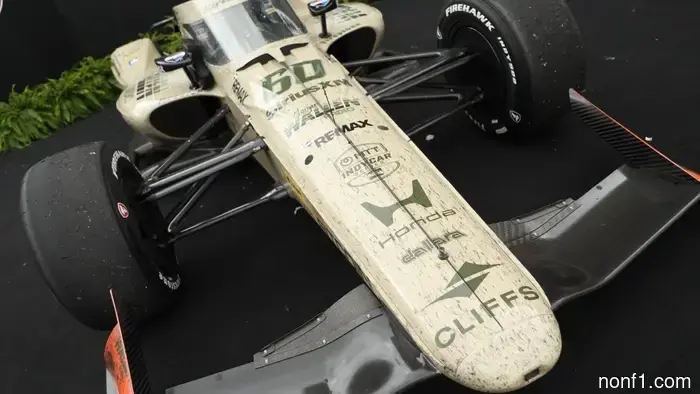
Honda Having a Voice in IndyCar's 2028 Regulations Is 'Essential' for Remaining in the Sport
Matt Fraver via IndyCar
The most important automotive news and reviews, no nonsense
Our complimentary daily newsletter delivers the most significant stories directly to you each weekday.
David Salters, President of Honda Racing Corporation US, confirmed to The Drive that the automaker’s involvement in future discussions regarding IndyCar regulations is “critical” to its ongoing participation in the American open-wheel series.
In February, both Honda and Chevrolet committed to remaining engine manufacturers in the IndyCar series for “multiple years” as part of an effort to secure the sport’s future, especially following years of speculation that Honda might seek an exit strategy, similar to its recent departure from IMSA. A part of the commitment stipulates that both manufacturers “be heavily involved in the development of the engine and competition rules to be implemented” by 2028, according to a press release from IndyCar.
In response to a question from The Drive about how Honda’s role in shaping future IndyCar regulations influenced its decision to stay in the series, Salters stated unequivocally: “I think it’s critical.”
“It’s important to establish a framework that ensures the series is sustainable from a manufacturer’s perspective,” he continued. “We need to contribute to advancing technology.”
However, Salters pointed out an even more significant consideration: Honda must evaluate, “How do we make this sustainable for a manufacturer from an economic standpoint?”
“We’re all passionate about this sport. Let’s ensure it remains viable for the future.”
Sustainability in motorsport extends beyond environmental concerns. Salters repeatedly noted that sustainability also encompasses the long-term financial viability of the sport, in addition to ensuring that technological advancements carry over into production vehicles that define Honda. Since motorsport is resource-intensive, it’s essential that the resources invested yield benefits beyond just the racetrack.
Salters referred to this challenge as a “balance”: “It must be relevant. We have to ensure we can afford it; otherwise, the series will cease to exist. It needs to be sensible and sustainable over time. We also have to be responsible; we’re striving to develop more efficient technologies and conserve energy, among other things. We need to integrate all of this to create something that works.”
“To IndyCar’s credit, they’re aware of these considerations,” noted Kelvin Fu, HRC US Vice President. “They consistently seek to understand the needs of everyone involved: fans, teams, OEMs, suppliers. It’s a balancing act that we all navigate. We aim for the series to thrive, 100%. This is crucial, and we need partners to ensure it happens. However, it also means that everyone should benefit from the series too.”
This context has shaped the existing discussion format on IndyCar’s future.
At its core, Salters explained how regulations are formulated. Both Honda and Chevrolet assemble a preliminary list of ideas they wish to implement or avoid moving forward, a process largely undertaken separately based on each manufacturer’s past experiences.
Nevertheless, the competing engine suppliers come together to discuss these ideas collaboratively.
“We all gather in the same room,” Salters elaborated, “and sometimes we agree, and sometimes we argue!”
“It’s quite logical. We have many individuals with extensive racing backgrounds. We will either find common ground or not.”
However, Salters made it clear that the ultimate decision lies with IndyCar.
“It’s their responsibility to determine, ‘Okay, what do we want?’” he stated.
Taking feedback from both manufacturers, IndyCar will develop a regulatory framework that responds to at least some of Honda and Chevrolet’s requests. These regulations will then be communicated to the manufacturers, who will use them as guidelines to inform the design of the power units for the future of American open-wheel racing.
Salters opted not to disclose specifics about the discussions regarding the 2028 regulations but did confirm that negotiations are ongoing and that the deadline for finalizing those regulations “should be about now” — though his tone suggested that there are still crucial aspects to finalize before any announcement.
The overall sentiment is one of stability and growth. Salters took the opportunity to commend the efforts of IndyCar, Fox, and the series' partners, all of whom have contributed to the rising interest in the series, which ultimately facilitated Honda's extension with IndyCar.
“We are passionate about IndyCar,” Salters remarked. “We’ve been involved for over 30 years. Our history in IndyCar is significant.” Having a role in the technological evolution of the sport will ensure Honda's continued participation.
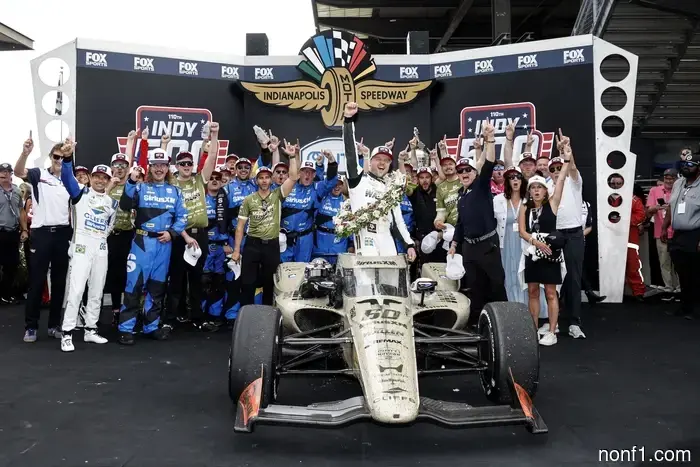
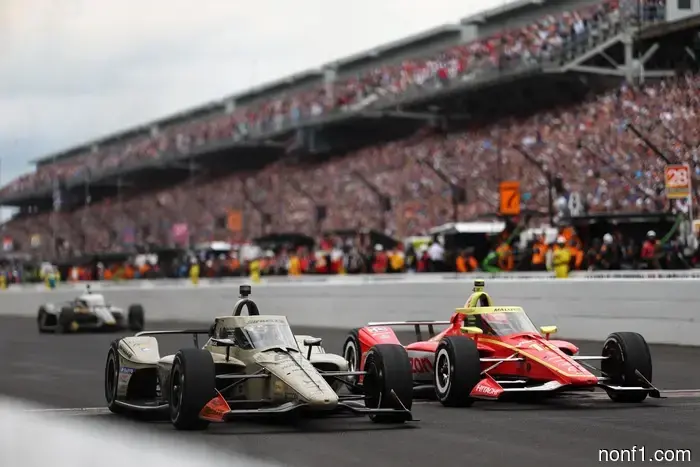
Additionally, it’s worth noting that on Sunday, when Felix Rosenqvist crossed the yard of bricks ahead of his competitors, Honda secured yet another 500 victory over Chevy, marking win number 17.
Have a tip? Email us at tips@thedrive.com

Other articles
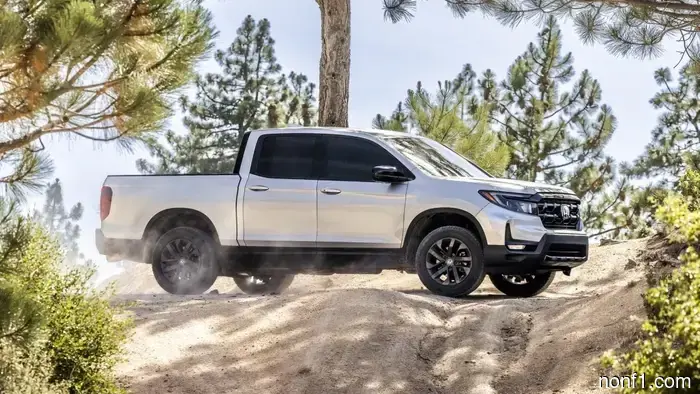 Report: Honda Ridgeline Will Be Discontinued for 18 Months Until It Returns with a V6 Hybrid.
The midsize pickup will take a break until 2028 as Honda introduces a new dual-motor hybrid powertrain and updates its design.
Report: Honda Ridgeline Will Be Discontinued for 18 Months Until It Returns with a V6 Hybrid.
The midsize pickup will take a break until 2028 as Honda introduces a new dual-motor hybrid powertrain and updates its design.
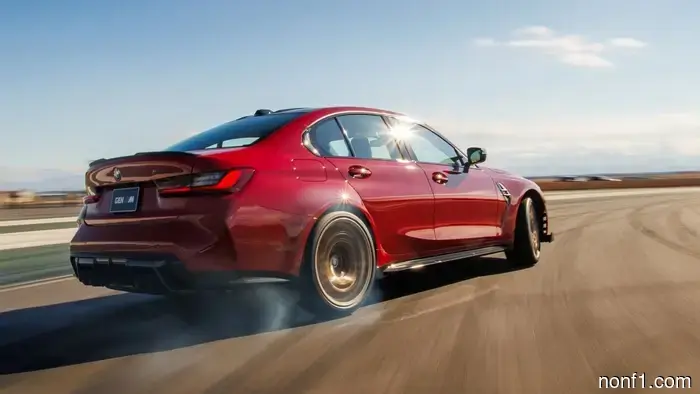 The G80 BMW M3's final announcement is here: TDS.
BMW will complete the current generation of its sport sedan with the limited-edition Handschalter, prior to the M3 transitioning to its next Neue Klasse phase.
The G80 BMW M3's final announcement is here: TDS.
BMW will complete the current generation of its sport sedan with the limited-edition Handschalter, prior to the M3 transitioning to its next Neue Klasse phase.
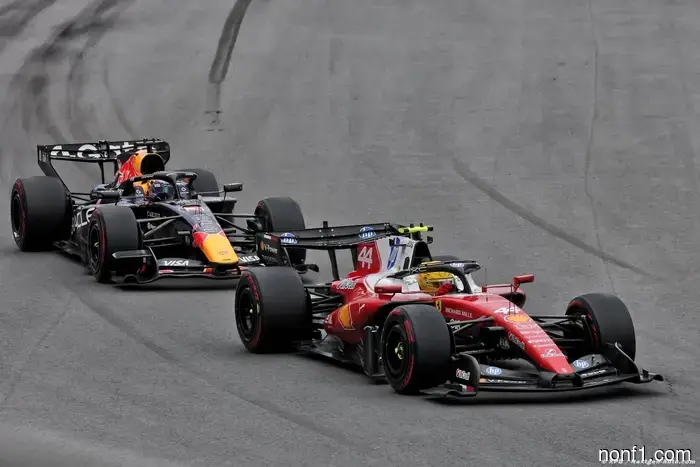 Ferrari unexpectedly emerges as favorites in Monaco following Hamilton's rise.
Formula 1 | Ferrari has unexpectedly become a leading contender for Monaco, despite an uneven beginning to the 2026 season - with competitors now candidly recognizing the Italian (...)
Ferrari unexpectedly emerges as favorites in Monaco following Hamilton's rise.
Formula 1 | Ferrari has unexpectedly become a leading contender for Monaco, despite an uneven beginning to the 2026 season - with competitors now candidly recognizing the Italian (...)
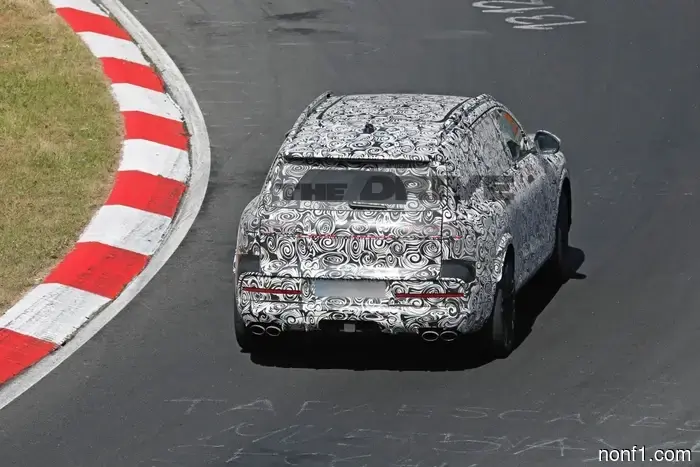 The Audi CEO has just informed us that the V8 is not finished: Here’s its future direction.
Gernot Dollner believes there’s no need to remove the V8 from Audi's biggest SUVs, despite the shift towards electrification in models such as the RS5.
The Audi CEO has just informed us that the V8 is not finished: Here’s its future direction.
Gernot Dollner believes there’s no need to remove the V8 from Audi's biggest SUVs, despite the shift towards electrification in models such as the RS5.
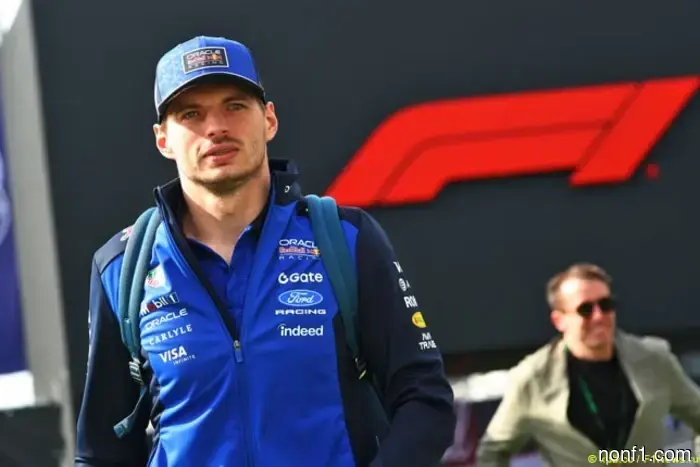 Verstappen's fate in Formula 1 depends on Audi's decision.
In the Formula 1 paddock, many consider Max Verstappen's threats to leave if the regulations for next year do not change to be political pressure, but people close to him assure that Max is absolutely serious.
Verstappen's fate in Formula 1 depends on Audi's decision.
In the Formula 1 paddock, many consider Max Verstappen's threats to leave if the regulations for next year do not change to be political pressure, but people close to him assure that Max is absolutely serious.
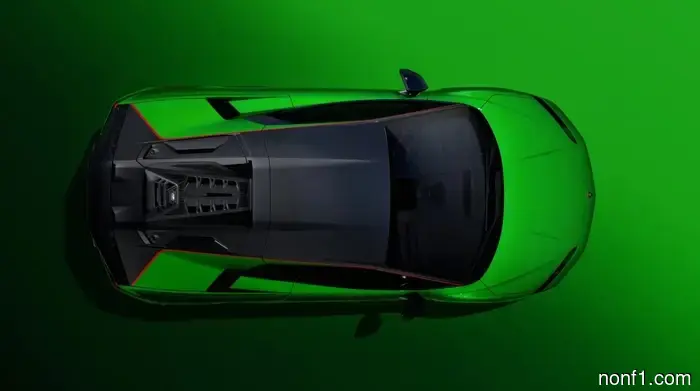 The CEO of Audi responded with a chuckle and remarked, "Good idea," when inquired about a third-generation R8.
Gernot Dollner neither confirmed nor dismissed the idea of a new R8, and he was well aware of the Lamborghini Temerario's redline.
The CEO of Audi responded with a chuckle and remarked, "Good idea," when inquired about a third-generation R8.
Gernot Dollner neither confirmed nor dismissed the idea of a new R8, and he was well aware of the Lamborghini Temerario's redline.
Honda Having a Voice in IndyCar's 2028 Regulations Is 'Essential' for Remaining in the Sport
IndyCar will ultimately make the final decisions regarding the 2028 regulations, but it is hoped that Honda and Chevy will have provided their guidance.