
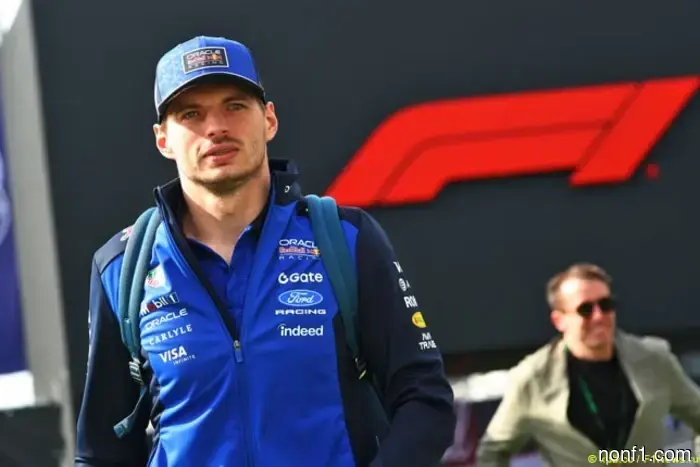
Verstappen's fate in Formula 1 depends on Audi's decision.
In the Formula 1 paddock, many consider Max Verstappen's threats to leave if the regulations do not change for next year to be political pressure, but people close to him assure that Max is absolutely serious. According to them, the four-time world champion's statement that continuing to drive the new generation cars is "psychologically impossible" for him was sincere. Although Max has not been complaining as much lately about the characteristics of the new generation cars, his opinion has not changed, and he is simply tired of repeating himself.
After a preliminary agreement among teams to change the power ratio between the internal combustion engine and the electric component of the power unit from 50/50 to 60/40 in 2027, it seemed that Verstappen would not leave; however, in Canada, it became clear that the consensus had collapsed due to political games.
As a result, Formula 1 currently lacks the necessary support for the changes to take effect next season. This is why the FIA's proposal has not yet reached an official vote, as it is clear to everyone that there are not enough votes to pass the changes. Max Verstappen's position has accelerated the actions of the FIA and FOM, who are trying to gather a coalition for regulatory reform. For the changes to take effect in 2027, the agreement of four out of six power unit manufacturers is required. Currently, only Mercedes and Red Bull Racing support the changes, while Audi, Ferrari, and Cadillac are against them, each for their own reasons. Honda is taking a neutral position.
Audi does not like the idea of quickly redesigning the engine by 2027, as it is expensive and technically challenging, especially for a manufacturer that has just entered Formula 1. Ferrari and Cadillac have a different problem. They are concerned about the possible allowance for engine modifications for all manufacturers, which could nullify the advantages of the ADUO system that Ferrari is counting on to close the gap with Mercedes. If ADUO is canceled, Mercedes will not only maintain its advantage but could achieve an even greater one.
Ferrari wants more time to understand the implications of possible changes in 2027 and 2028, but the FIA is not ready to wait, as if the regulations change, work on the 2027 power unit needs to start now. This is why FIA single-seater racing director Nicholas Tombazis was circulating in the paddock in Canada, trying to negotiate with manufacturers and find a compromise. However, Ferrari is not ready to compromise, nor is Cadillac, so Audi has become a key player, as it is believed that it can be convinced.
The logic is simple – if Audi agrees, then Honda will likely join the supporters of the changes. However, for Audi, an additional 10 million dollars to modify the power unit after multi-million dollar investments for its debut in Formula 1 seems too painful. But within the framework of budget constraints, there may be mechanisms that could convince Audi to support the adjustment of the technical regulations for engines.
At the same time, the FIA and FOM do not want a temporary compromise for just one season with subsequent chaos in 2028. They need a solution that will last until the transition to V8 engines in 2030 or 2031. If Audi and Honda side with Mercedes and Red Bull, then Ferrari and Cadillac will no longer be able to block the reform. In fact, Max Verstappen's fate in Formula 1 now depends on whether the FIA and FOM can convince Audi to support the adjustment of the regulations.
Other articles
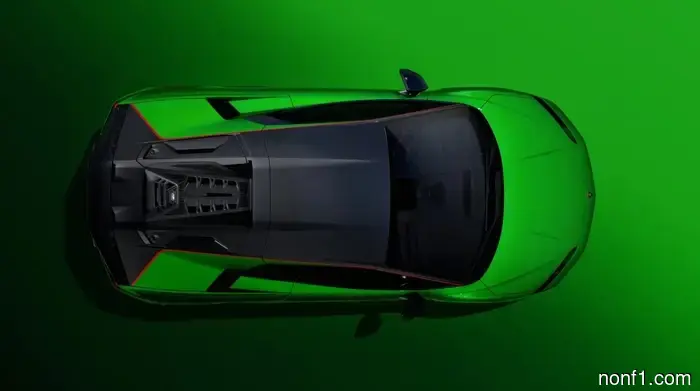 Audi's CEO responded with a laugh and said "Good idea" when questioned about a third-generation R8.
Gernot Dollner didn’t officially announce a new R8, but he didn’t dismiss the idea either, and he was well aware of the Lamborghini Temerario's redline.
Audi's CEO responded with a laugh and said "Good idea" when questioned about a third-generation R8.
Gernot Dollner didn’t officially announce a new R8, but he didn’t dismiss the idea either, and he was well aware of the Lamborghini Temerario's redline.
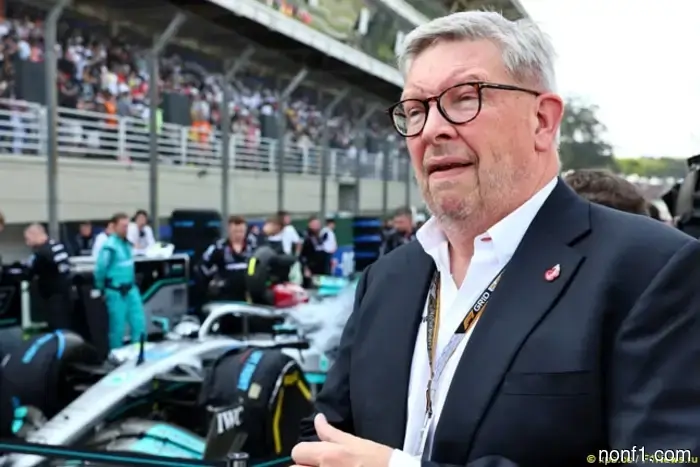 Ross Brawn has returned to motorsport with a MotoGP team.
One of the most successful and decorated engineers in the history of Formula 1, Ross Brawn, has returned to motorsport.
Ross Brawn has returned to motorsport with a MotoGP team.
One of the most successful and decorated engineers in the history of Formula 1, Ross Brawn, has returned to motorsport.
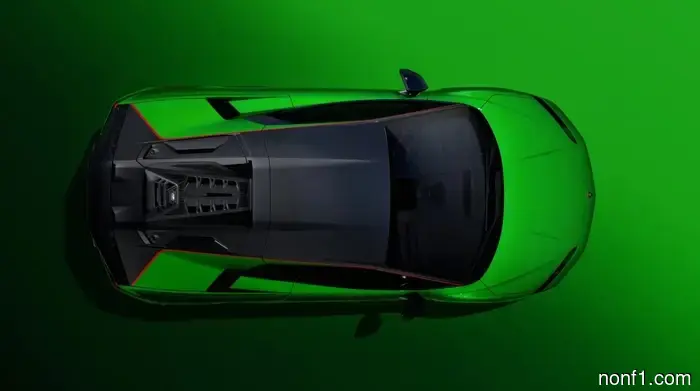 The CEO of Audi responded with a chuckle and remarked, "Good idea," when inquired about a third-generation R8.
Gernot Dollner neither confirmed nor dismissed the idea of a new R8, and he was well aware of the Lamborghini Temerario's redline.
The CEO of Audi responded with a chuckle and remarked, "Good idea," when inquired about a third-generation R8.
Gernot Dollner neither confirmed nor dismissed the idea of a new R8, and he was well aware of the Lamborghini Temerario's redline.
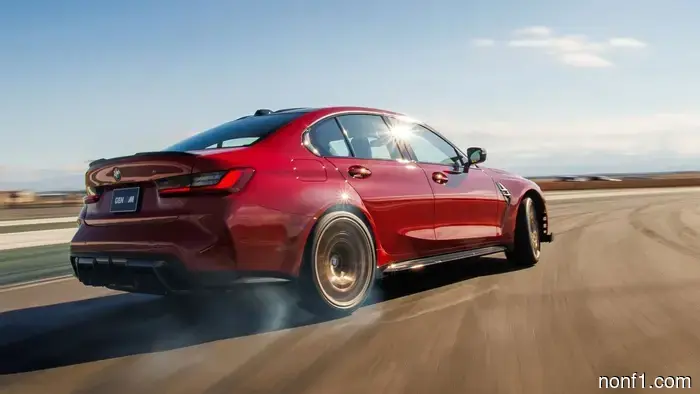 It's Officially the Final Call for the G80 BMW M3: TDS
BMW will complete the current generation of its sport sedan with the limited-edition Handschalter, before the M3 transitions to its next Neue Klasse phase.
It's Officially the Final Call for the G80 BMW M3: TDS
BMW will complete the current generation of its sport sedan with the limited-edition Handschalter, before the M3 transitions to its next Neue Klasse phase.
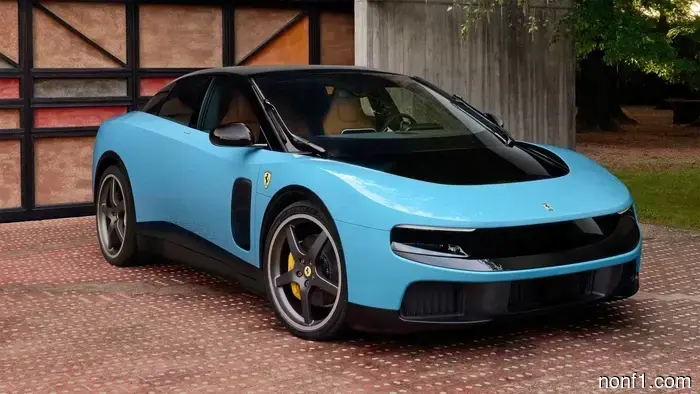 The Ferrari Luce needed to completely rethink the windshield wiper due to its design constraints.
Ferrari's new car, arguably its most contentious yet, is peculiar, even in the subtle details that could easily go unnoticed.
The Ferrari Luce needed to completely rethink the windshield wiper due to its design constraints.
Ferrari's new car, arguably its most contentious yet, is peculiar, even in the subtle details that could easily go unnoticed.
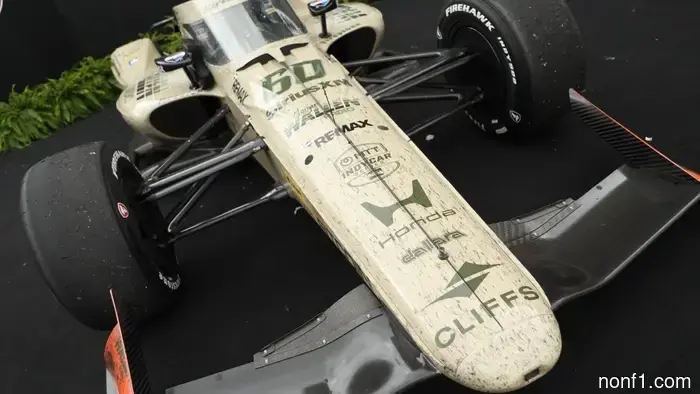 Honda Having a Voice in IndyCar's 2028 Regulations Is 'Essential' for Remaining in the Sport
IndyCar will ultimately make the final decisions regarding the 2028 regulations, but it is hoped that Honda and Chevy will have provided their guidance.
Honda Having a Voice in IndyCar's 2028 Regulations Is 'Essential' for Remaining in the Sport
IndyCar will ultimately make the final decisions regarding the 2028 regulations, but it is hoped that Honda and Chevy will have provided their guidance.
Verstappen's fate in Formula 1 depends on Audi's decision.
In the Formula 1 paddock, many consider Max Verstappen's threats to leave if the regulations for next year do not change to be political pressure, but people close to him assure that Max is absolutely serious.