
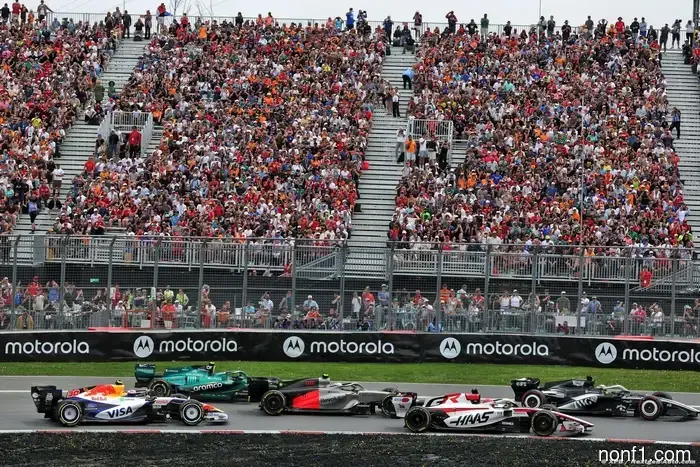
F1 moves closer to reaching an agreement on engines as pressure increases.
Formula 1 seems to be moving toward a compromise on its contentious power unit regulations, although a final decision has not yet been made. The F1 Commission gathered in London on Tuesday, with the FIA only confirming that "minor changes were agreed to aerodynamic and bodywork components." However, discussions regarding the future of the engines are intensifying behind the scenes, with further conversations anticipated during this weekend’s Monaco Grand Prix. Reports from Italy indicate that manufacturers are contemplating a phased compromise, whereby the targeted 60:40 balance between combustion and electric power would not be fully realized until 2028.
One suggestion involves initially boosting combustion-engine output by just around 5 percent, which would help avoid a costly overhaul of chassis, engines, and gearboxes. Reaching the full 60:40 split would otherwise demand roughly a 13 percent increase in combustion power. Another scenario still under consideration would transition Formula 1 to naturally aspirated 2.6-litre V8 engines with a small KERS system by as early as 2029.
The manufacturers remain split on these matters. Mercedes and Red Bull are adhering to their current positions, Audi and Honda are advocating for compromise, Ferrari is opposing any changes, while Cadillac, aligned with Ferrari, is reportedly trying to foster a consensus. Simultaneously, support for a future V8 formula is gaining traction. FIA president Mohammed Ben Sulayem is openly endorsing the idea, and Formula 1 CEO Stefano Domenicali has recently declared himself "1000 percent" in favor of reverting to V8 engines.
Many analysts believe that action is necessary to prevent further harm to Formula 1's image. Auto Motor und Sport veteran Michael Schmidt characterized the existing regulations as fundamentally flawed and "for the bin." "Let’s be honest," he stated. "The technical regulations are catastrophically poorly written. The 50:50 division between combustion engines and electric power was simply a marketing tactic." Schmidt claims Formula 1 has already lost the communication battle with fans "if it has to explain megajoules instead of horsepower."
"Go out on the street and ask what a megajoule is. Most people have no idea," he remarked. The German journalist believes that the FIA erred by granting manufacturers excessive influence during the rule-writing process, leading to a situation where "now it is stumbling from one makeshift solution to the next." "We must somehow endure this regulation until 2030 and make the best of it," he noted. "I think we’re on the right path at present. However, we must ensure that the next set of regulations is executed correctly."
Другие статьи
 F1 moves closer to an agreement on engines as the pressure increases.
Formula 1 seems to be moving closer to a consensus on its debated power unit regulations, although a definitive agreement has not been achieved yet. (…)
F1 moves closer to an agreement on engines as the pressure increases.
Formula 1 seems to be moving closer to a consensus on its debated power unit regulations, although a definitive agreement has not been achieved yet. (…)
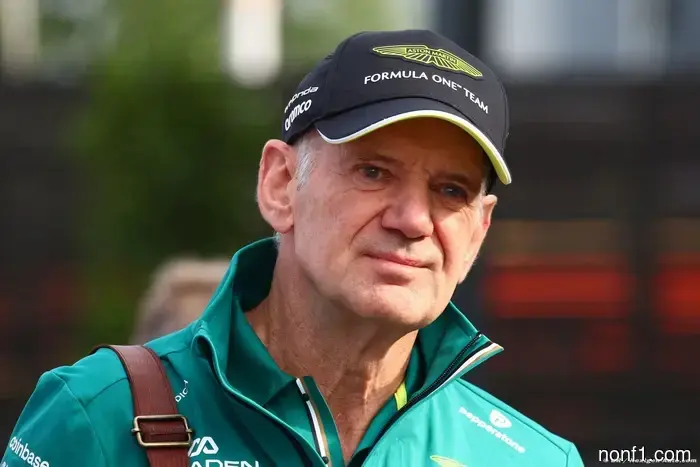 Newey poised for comeback in Monaco amid uncertainties with Aston.
Formula 1 | Adrian Newey may return to the Aston Martin garage this weekend in Monaco following a notably subdued beginning to his participation with the (…)
Newey poised for comeback in Monaco amid uncertainties with Aston.
Formula 1 | Adrian Newey may return to the Aston Martin garage this weekend in Monaco following a notably subdued beginning to his participation with the (…)
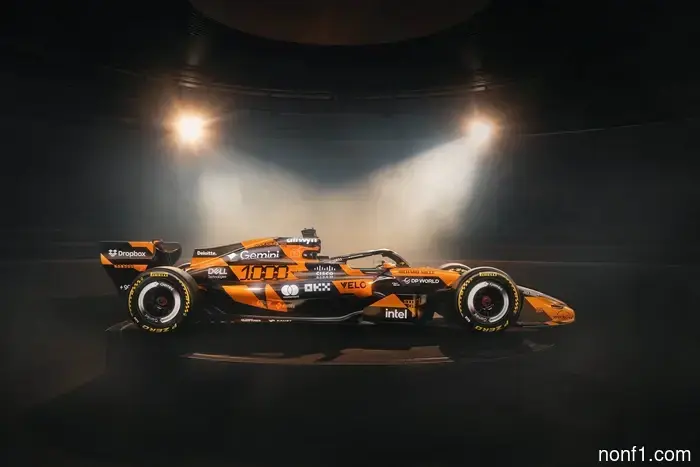 McLaren's milestone in Monaco ignites discussion over counting methods.
Formula 1 | This weekend in Monaco, McLaren will honor what it claims to be its 1000th Formula 1 grand prix with a unique anniversary livery. The world (…)
McLaren's milestone in Monaco ignites discussion over counting methods.
Formula 1 | This weekend in Monaco, McLaren will honor what it claims to be its 1000th Formula 1 grand prix with a unique anniversary livery. The world (…)
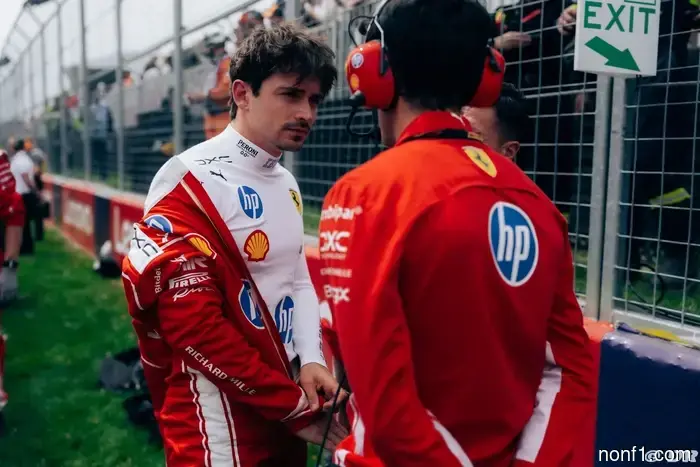 Leclerc is unwilling to give up on his championship aspirations.
Formula 1 | Charles Leclerc asserts that Ferrari is still solidly in contention for the 2026 championship, despite Mercedes' strong beginning to the season. The Monegasque is set to …
Leclerc is unwilling to give up on his championship aspirations.
Formula 1 | Charles Leclerc asserts that Ferrari is still solidly in contention for the 2026 championship, despite Mercedes' strong beginning to the season. The Monegasque is set to …
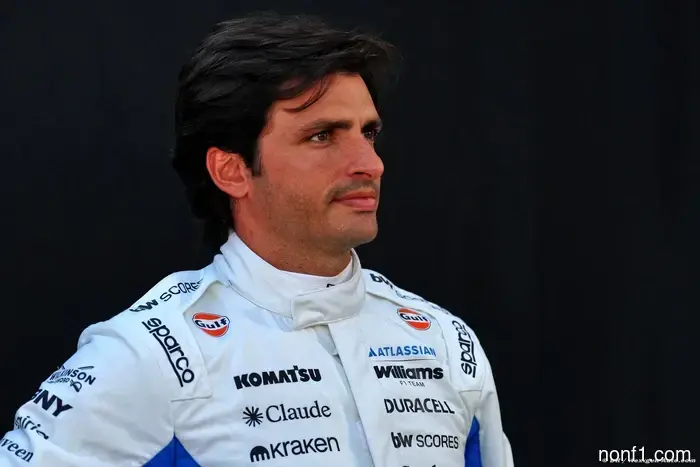 Sainz looks towards competing into his 40s as speculation about his future persists.
Formula 1 | Carlos Sainz expresses his desire to keep racing until at least the age of 40, amid new discussions regarding his long-term future in Formula 1. (…)
Sainz looks towards competing into his 40s as speculation about his future persists.
Formula 1 | Carlos Sainz expresses his desire to keep racing until at least the age of 40, amid new discussions regarding his long-term future in Formula 1. (…)
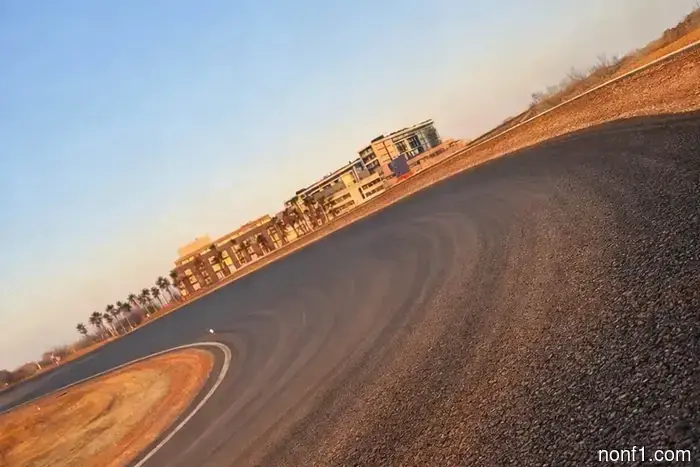 Madring receives the initial green light from the FIA, while organizers refute rumors of delays.
Formula 1 | The new Madrid circuit for Formula 1 is set to debut in September as planned, confirmed by officials from both the FIA and Madring. The FIA conducted (…)
Madring receives the initial green light from the FIA, while organizers refute rumors of delays.
Formula 1 | The new Madrid circuit for Formula 1 is set to debut in September as planned, confirmed by officials from both the FIA and Madring. The FIA conducted (…)
F1 moves closer to reaching an agreement on engines as pressure increases.
Formula 1 seems to be moving towards a consensus regarding its disputed power unit regulations, although a definitive agreement has not been established yet. (…)