
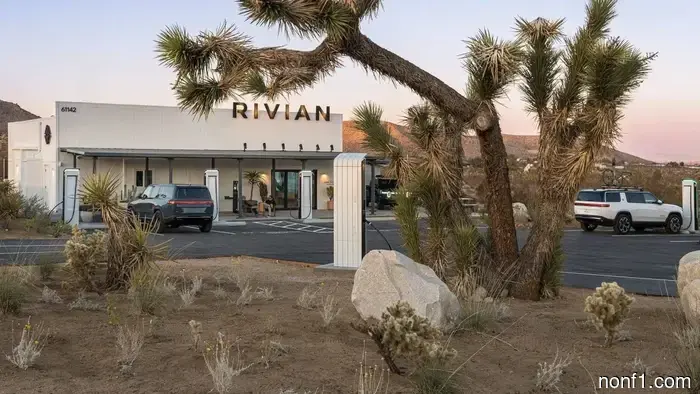
Rivian's charging network currently represents 4% of Tesla's. Here's RJ Scaringe's strategy to improve that.
The latest car news and reviews, straight to the point
Rivian is looking to enhance its charging infrastructure. CEO RJ Scaringe aims to position it among the largest in the United States.
While current growth is consistent, it's not rapid. The rollout will speed up with the introduction of the power cabinet 2.0.
Competition and reliability are vital. Scaringe highlights the importance of having various dependable networks.
Significant growth is anticipated in the next few years, with major expansion linked to new product launches from the Georgia facility.
In summary: Rivian is strategically aiming to grow its charging network significantly in the upcoming years to compete with Tesla and enhance the EV infrastructure.
AI assisted, editor reviewed
Electric car chargers are set to become busier than ever, making the ongoing expansion of charging networks increasingly important. Rivian recognizes this and has developed a strategy with ambitious objectives.
In an exclusive interview with The Drivecast in Park City, Utah, Rivian Founder and CEO RJ Scaringe stated, “our goal is to be one of the largest [charging] networks in the United States.”
You can hear the full conversation, which begins with Scaringe discussing the Rivian Adventure Network (RAN), its growth, timelines, and its current status below.
Scaringe reaffirmed his commitment to developing Rivian’s charging network, explaining, “It’s a pretty linear buildout as it is today, meaning the rate at which we’re adding new RAN locations.”
Despite the introduction of the mass-market and more affordable R2, Rivian will not expedite the rollout of the RAN network, according to Scaringe. However, changes will eventually occur.
“Currently, we have around 150 RAN locations, and this number will continue to grow. The point where we will see significant acceleration in our buildout will coincide with the launch of what we refer to as our power cabinet 2.0. This update will enhance all the power electronics that are included in the cabinet located behind the charging dispensers. The reason for waiting for this substantial ramp-up is that the power cabinet 2.0 has been optimized for cost and installation ease,” Scaringe explained.
If this seems like the Rivian R2 concept for charging networks, you are both correct and aligned with Scaringe's vision. “That’s exactly right. When considering the network expansion, we want to delay making a significant investment until the timing aligns with the launch of products from our Georgia facility. This growth won't occur in the coming months; we plan to continue advancing over the next couple of years. Then, we’ll observe a significant increase in our expansion rate. Our aim is to be one of the largest networks in the U.S.,” Scaringe stated.
Scaringe remarked that competition and diverse charging options are beneficial, but that reliability and operational uptime are essential. “As you mentioned, there are currently two networks with exceptionally high uptime—Tesla's network, which is impressive, and ours. Tesla's network is considerably larger; ours is only about 4% or 5% the size of Tesla’s. Ultimately, it will be important to have multiple excellent networks in the U.S. We would love to see universally reliable charging with over 99% uptime and accessible locations. However, it has taken longer than many of us anticipated, myself included, to achieve that,” Scaringe pointed out.
The timeline for electric car chargers to appear along interstates like gas stations remains uncertain, but it may take a few years before Rivian significantly scales up its charging network. When that happens, the electricity will start to flow more abundantly.
If you have any tips about pain points, please reach out to us at tips@thedrive.com.
Other articles
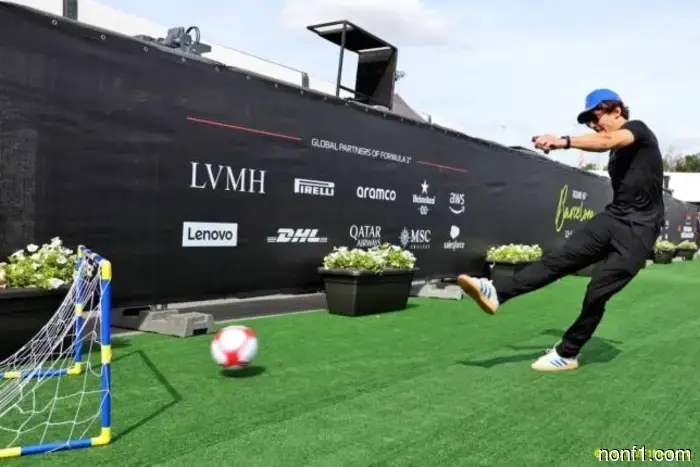 Photo gallery: 11/06. Grand Prix of Barcelona-Catalonia, Thursday
© F1News.Ru Editorial 1997-2026. Media registration certificate El No. FS77-29173. Registered with the Federal Service for Supervision of Communications, Information Technology and Mass Communications.
Photo gallery: 11/06. Grand Prix of Barcelona-Catalonia, Thursday
© F1News.Ru Editorial 1997-2026. Media registration certificate El No. FS77-29173. Registered with the Federal Service for Supervision of Communications, Information Technology and Mass Communications.
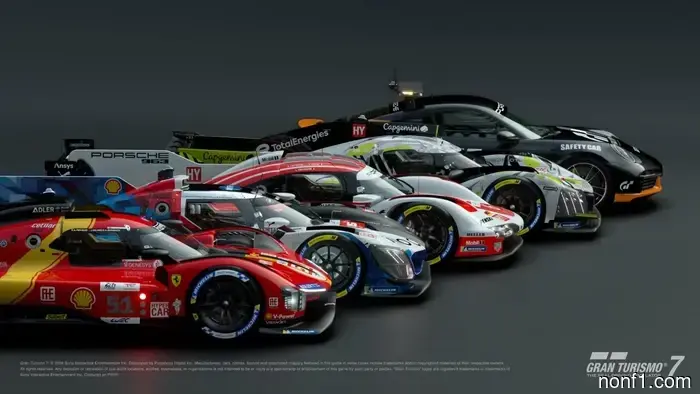 The latest update for GT7 commemorates Le Mans with the introduction of four highly-anticipated hypercars.
The latest update for GT7 introduces the modern Le Mans Hypercar prototypes that fans have been eagerly anticipating, featuring the Ferrari 499P, which has won the 24 Hours of Le Mans three times.
The latest update for GT7 commemorates Le Mans with the introduction of four highly-anticipated hypercars.
The latest update for GT7 introduces the modern Le Mans Hypercar prototypes that fans have been eagerly anticipating, featuring the Ferrari 499P, which has won the 24 Hours of Le Mans three times.
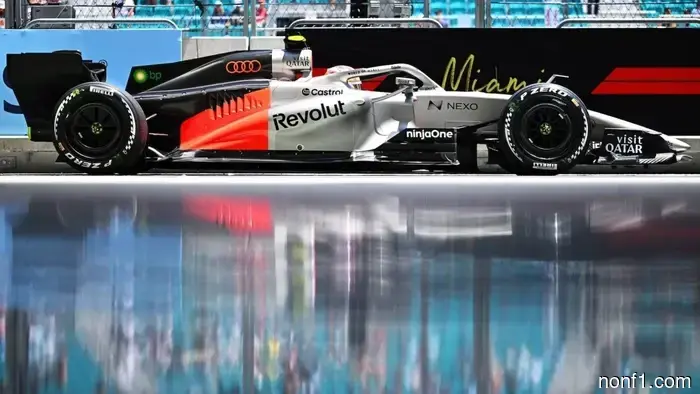 Growing Pains: Analyzing Audi's Challenging Start in F1
From problems with car reliability to significant changes in leadership, Audi's inaugural season in F1 is truly a test by fire—and that's exactly what they desire.
Growing Pains: Analyzing Audi's Challenging Start in F1
From problems with car reliability to significant changes in leadership, Audi's inaugural season in F1 is truly a test by fire—and that's exactly what they desire.
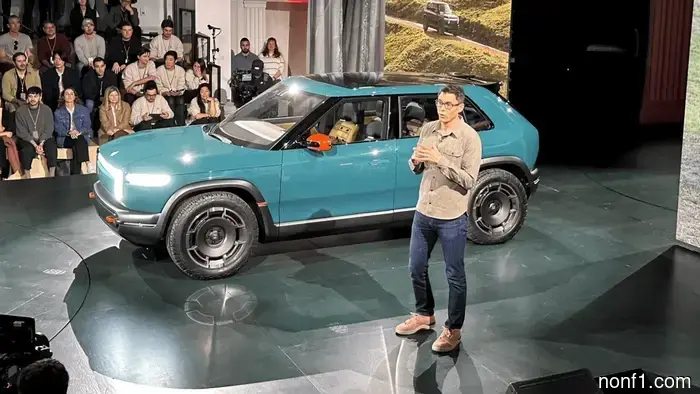 Rivian R3X is 'a few years off.' RJ Scaringe provided us with the initial concrete timeline.
Rivian CEO RJ Scaringe shared with The Drive that the R3X is expected to debut in about two years, closely linked to the opening of the Georgia factory.
Rivian R3X is 'a few years off.' RJ Scaringe provided us with the initial concrete timeline.
Rivian CEO RJ Scaringe shared with The Drive that the R3X is expected to debut in about two years, closely linked to the opening of the Georgia factory.
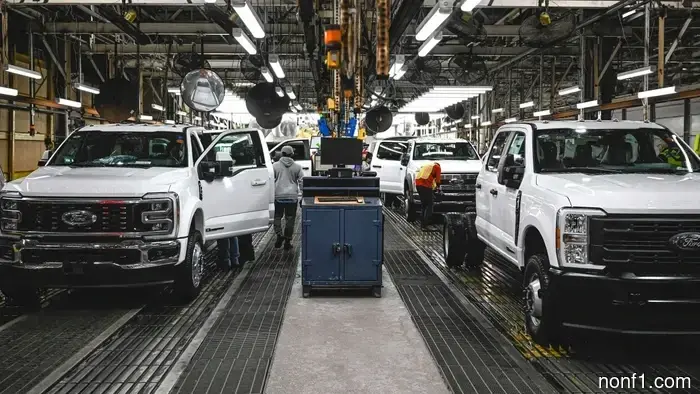 Ford Trucks Has Finally Received Their Aluminum Supply After a 9-Month Shortage: TDS
The facility responsible for rolling the aluminum used in the Ford F-150 and Super Duty is finally resuming operations after several fires caused it to shut down last fall.
Ford Trucks Has Finally Received Their Aluminum Supply After a 9-Month Shortage: TDS
The facility responsible for rolling the aluminum used in the Ford F-150 and Super Duty is finally resuming operations after several fires caused it to shut down last fall.
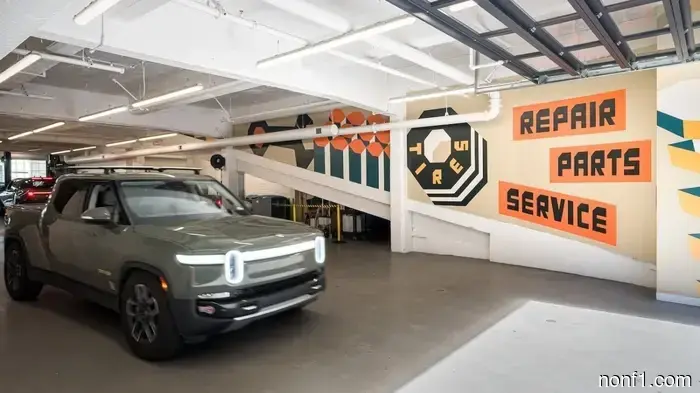 Rivian made you wait 50 days for service, but RJ Scaringe claims those days are in the past.
Rivian CEO RJ Scaringe revealed to The Drive the challenges the automaker faced with early service issues, including wait times of 40 to 50 days, and discussed how the team managed to reduce those times to just hours.
Rivian made you wait 50 days for service, but RJ Scaringe claims those days are in the past.
Rivian CEO RJ Scaringe revealed to The Drive the challenges the automaker faced with early service issues, including wait times of 40 to 50 days, and discussed how the team managed to reduce those times to just hours.
Rivian's charging network currently represents 4% of Tesla's. Here's RJ Scaringe's strategy to improve that.
RJ Scaringe, the CEO of Rivian, shared exclusively with The Drive that the company's aim is to create one of the biggest charging networks in the United States and outlined a two-year plan to achieve this.