
Dutch Startup Aims to Create a Supercar You’ll Straddle Rather than Sit In
Sanrivatti
The latest car news and reviews without the fluff.
Our free daily newsletter delivers the most important stories straight to your inbox every weekday.
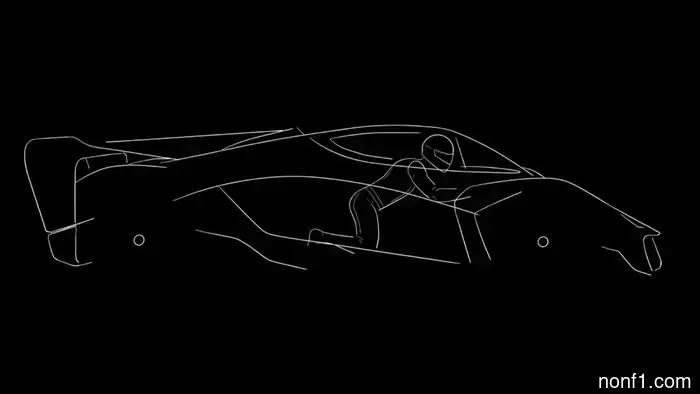
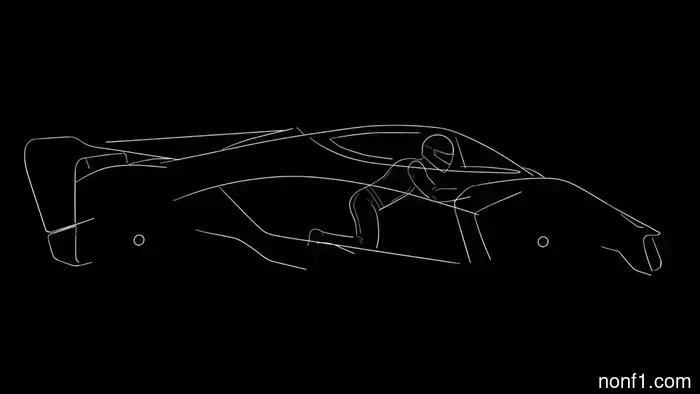
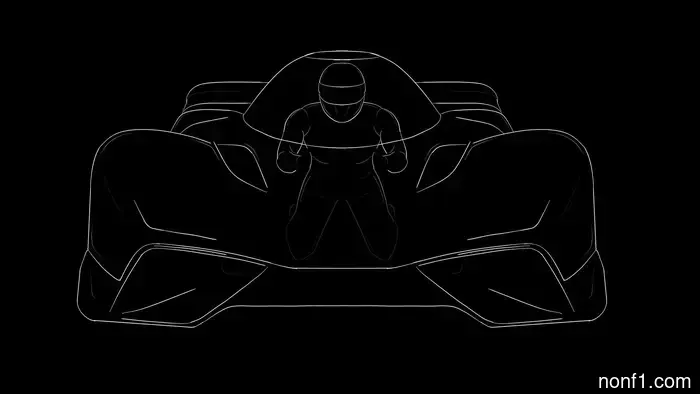
With a plethora of prestigious supercars available, entering the market as an unfamiliar startup is quite challenging. However, although Sanrivatti, based in the Netherlands, lacks a long history or a renowned figure leading it, it offers something distinctive: you won't merely sit in its upcoming supercar; you'll straddle it.
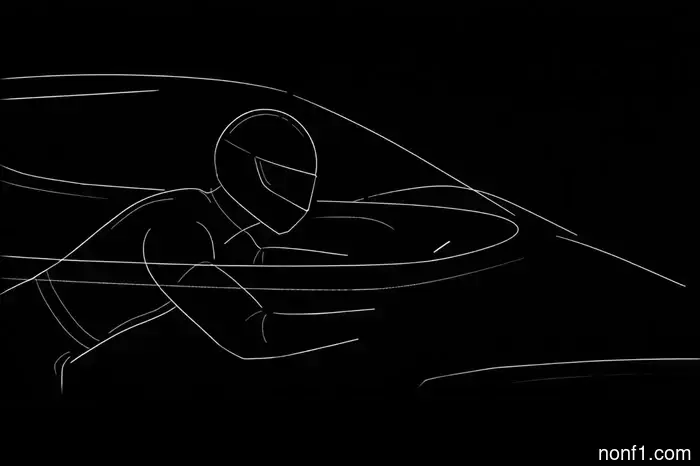
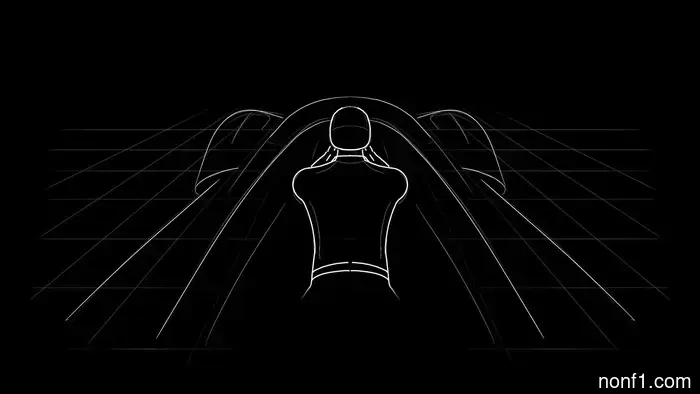
Sanrivatti has introduced what it refers to as the “Apex Position,” a motorcycle-inspired seating arrangement that the company asserts will pair with proprietary technology to provide the driver with a “heightened sense of awareness, superior balance, and enhanced connection during acceleration, braking, and cornering.” This approach aims to make the driver feel more attuned to the car's actions, as Sanrivatti CEO Santiago Sánchez Rivero explained in an interview with Top Gear.
“On a high-performance motorcycle, the rider and machine function as one,” Rivero stated. “In contrast, even the most capable performance cars often create a disconnection between driver and machine due to layers of structure, design, technological systems, and traditional practices.”
The exact method Sanrivatti plans to implement this improved connection remains unclear. The company mentions “immersive ergonomics” and “controls tailored to natural human movement.” Furthermore, as reported by Top Gear, the staff includes veterans from McLaren, Lotus, Bentley, and Singer. However, specifics about the vehicle’s design, powertrain, or a definitive unveiling date have yet to be revealed.
Other manufacturers have attempted to capture the motorcycle feel with additional wheels, focusing more on how bikes lean into corners rather than the seating itself. Another Dutch company, Carver, which was founded in 1994 and went bankrupt in 2024, created a three-wheeler that featured two standard seats arranged in a line. Its unique control system allowed the narrowly-built vehicle to lean while cornering without tipping over. Similarly, the Mercedes-Benz F400 Carving concept from 2001, a more typical four-wheeled roadster, achieved comparable results by adjusting its wheel camber.
In terms of offering an unfiltered driving experience, vehicles like the Ariel Atom and BAC Mono don't particularly pamper or insulate their drivers. Moreover, there are numerous motorcycles (and three-wheelers) available for those seeking a more raw experience. While it may not be essential, Sanrivatti will be able to claim it has something unique that sets it apart—something that could make a center-seat McLaren F1 or Czinger 21C seem ordinary. Considering the array of options supercar buyers already have, this uniqueness could be as crucial to the company's success as its engineering.
Other articles
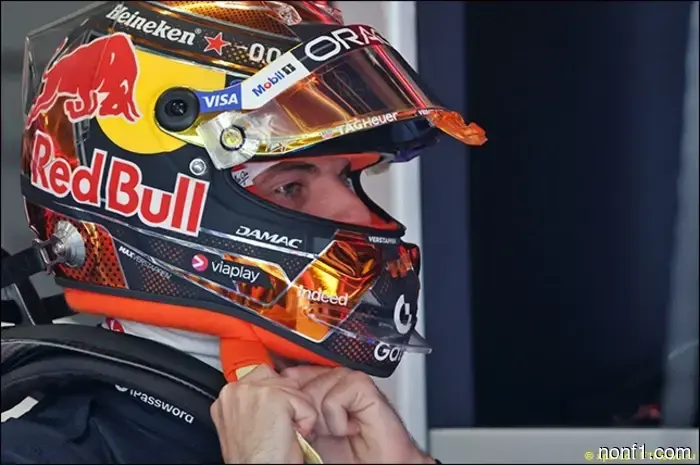 80 minutes to the start: Max Verstappen's comment
Max Verstappen starts in Spielberg in fifth place and hopes to fight for the podium...
80 minutes to the start: Max Verstappen's comment
Max Verstappen starts in Spielberg in fifth place and hopes to fight for the podium...
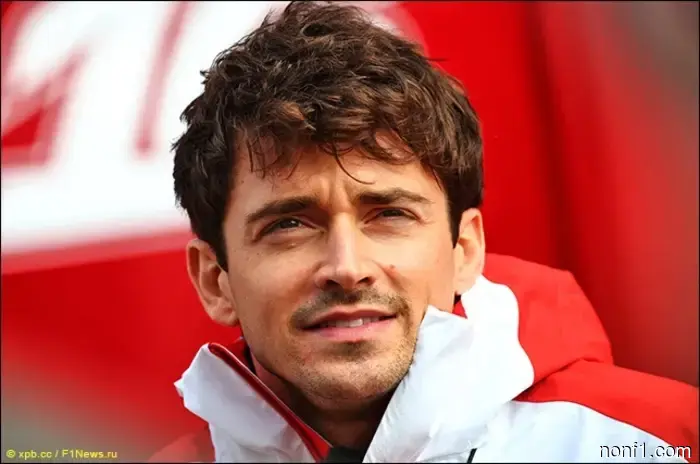 120 minutes to the start: Charles Leclerc's comment
Charles Leclerc starts in Spielberg in second place and is looking forward to a hot race...
120 minutes to the start: Charles Leclerc's comment
Charles Leclerc starts in Spielberg in second place and is looking forward to a hot race...
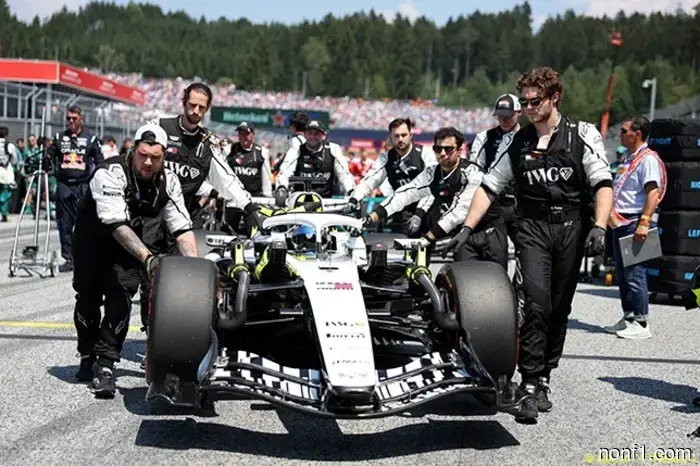 Both Cadillac cars were recalled due to brake problems.
The Austrian weekend turned out to be very unsuccessful for Cadillac, as the team's drivers were only able to complete six laps between them in the race...
Both Cadillac cars were recalled due to brake problems.
The Austrian weekend turned out to be very unsuccessful for Cadillac, as the team's drivers were only able to complete six laps between them in the race...
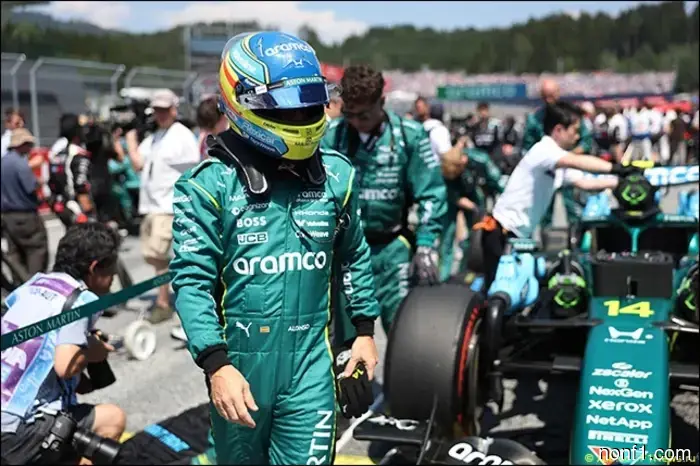 Fernando Alonso: Another tough weekend
The weekend in Spielberg continued Aston Martin's sad streak – the best result was Fernando Alonso's last place...
Fernando Alonso: Another tough weekend
The weekend in Spielberg continued Aston Martin's sad streak – the best result was Fernando Alonso's last place...
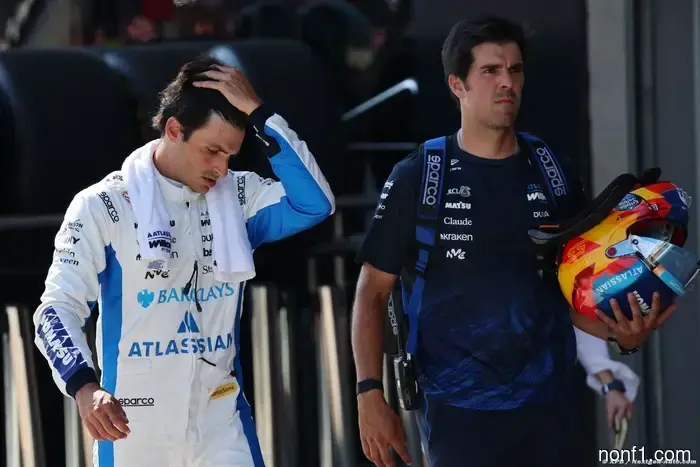 Sainz teams up with Alonso in challenging the upgrades of their competitors.
Formula 1 | Carlos Sainz has expressed his shared confusion with fellow Spaniard Fernando Alonso regarding the persistence of Formula 1's leading teams in rolling out upgrades at nearly every race (...)
Sainz teams up with Alonso in challenging the upgrades of their competitors.
Formula 1 | Carlos Sainz has expressed his shared confusion with fellow Spaniard Fernando Alonso regarding the persistence of Formula 1's leading teams in rolling out upgrades at nearly every race (...)
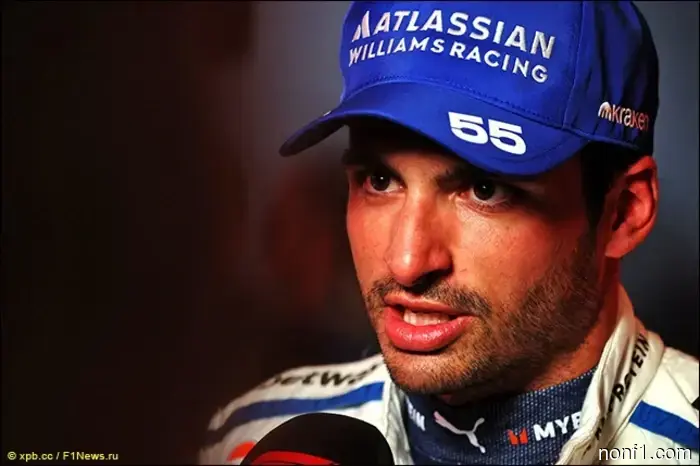 100 minutes to the start: Carlos Sainz's comment
Carlos Sainz is starting only 16th and is expecting a tough race...
100 minutes to the start: Carlos Sainz's comment
Carlos Sainz is starting only 16th and is expecting a tough race...
Dutch Startup Aims to Create a Supercar You’ll Straddle Rather than Sit In
Is this essential? Likely not. However, it’s an effective method for a new automaker to gain visibility.