
Advanced Aftermarket Engineering: This Is How Committed TuxMat Is to Achieving Perfect Fitment
This post is presented by TuxMat.
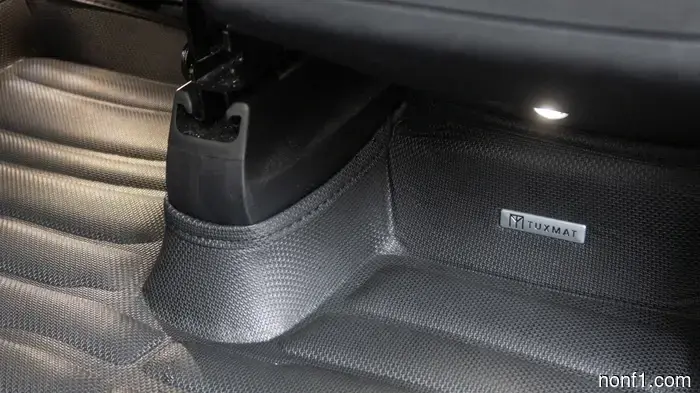
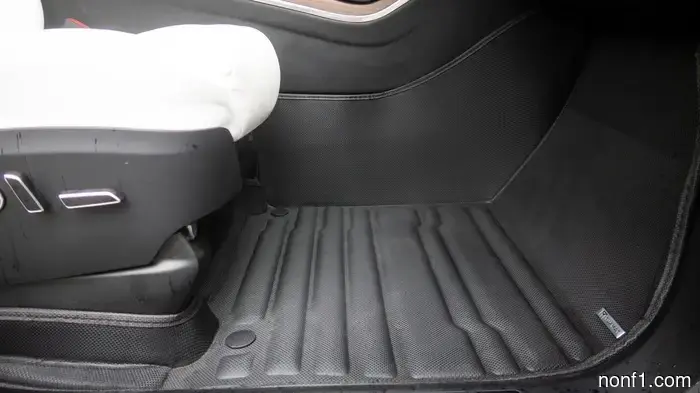
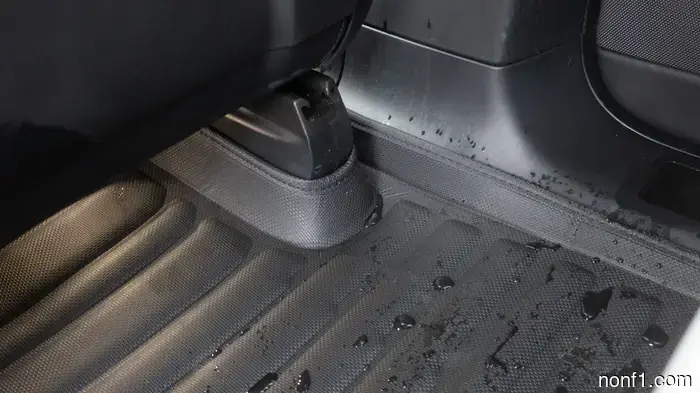
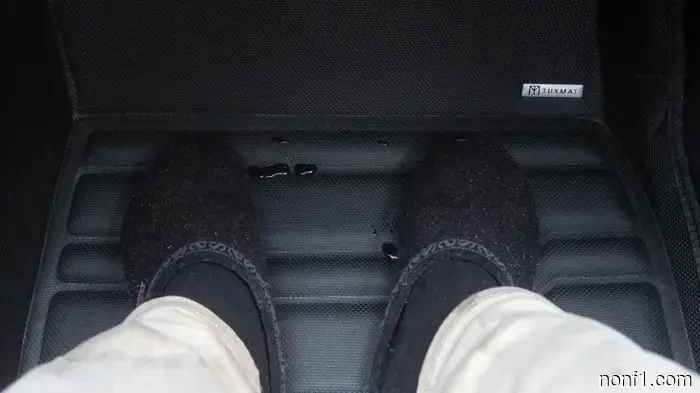
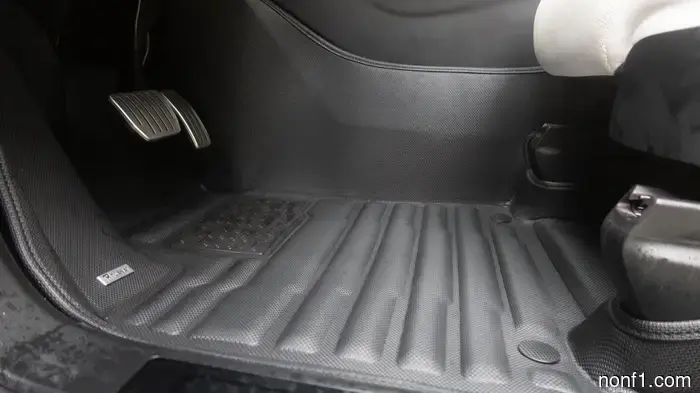
My first encounter with TuxMat happened long before I conducted any official product testing. I was once picked up from a Miami hotel in a Mercedes EQS that was equipped with TuxMat, and I recall being impressed by how well the mats combined a sturdy yet sophisticated look that suited the car perfectly. Additionally, their remarkable feature is the way they completely cover the lower part of the car's interior.
Since that initial experience, we've installed them in sedans, crossovers, and trucks, and I've been delighted to observe how well TuxMat mats are tailored not only to specific vehicle models but also to specific trim levels. Many custom mat companies provide options for particular models, but TuxMat dives into a level of detail that other aftermarket brands often overlook. This meticulous approach comes from Sam Cheng, TuxMat’s Director of Product Development, and his team.
I have a passion for industrial design and have been exploring 3D digital design, especially since I began 3D printing, as they are closely related. It was enjoyable to discuss the design processes behind TuxMat’s vehicle-specific mats with Sam.
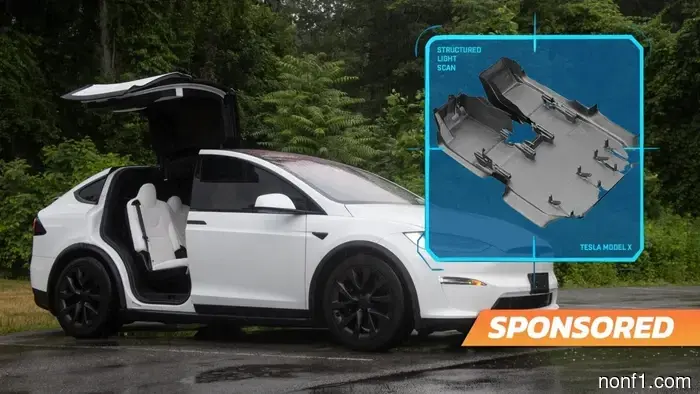
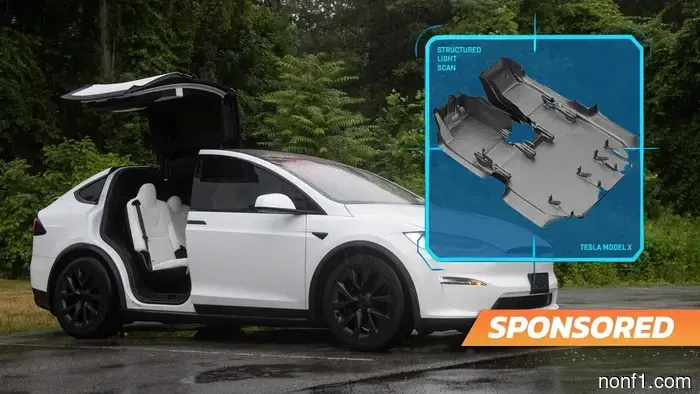
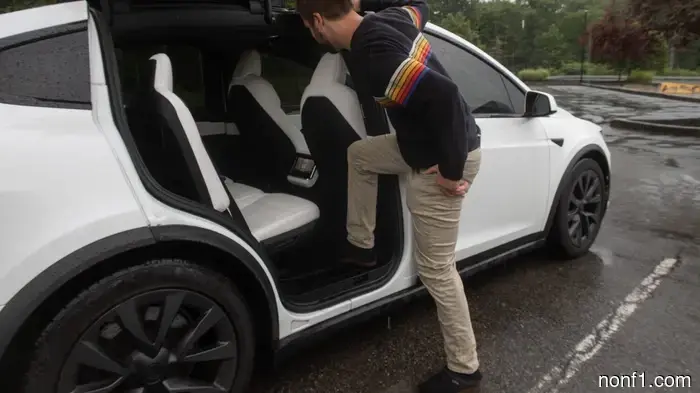
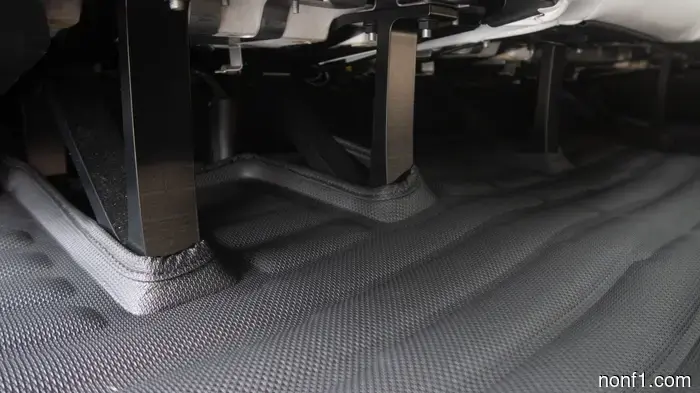
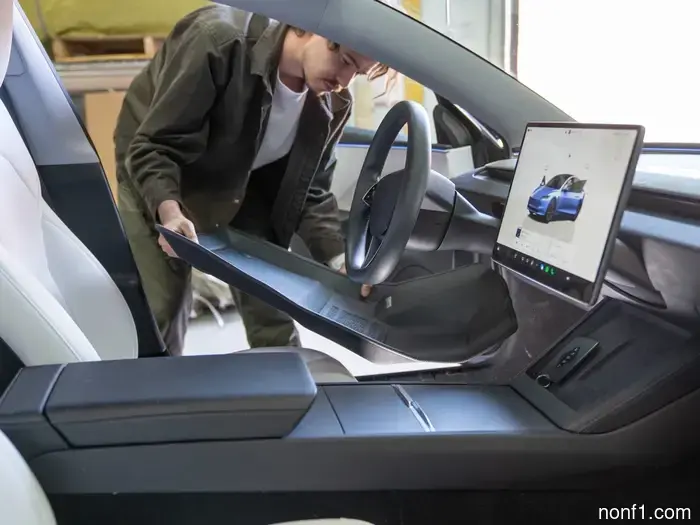
The Tesla Model X features one of TuxMat’s largest rear-seat liners, which offers significantly better protection compared to the OEM mat.
TuxMat’s dedication to a superior-fitting, trim-specific design philosophy makes product development considerably more challenging than that of a standard make/model-specific mat set.
During our conversation about the company's workflow and design process, Sam pointed out that modern cars exhibit more physical variability across trim levels than in the past, citing instances such as adjustable consoles, bench seats versus captain's chairs, and optional ice boxes. "That customer ... chose the car with the ice box and the subwoofer, and the mat doesn’t just bend around it, it actually contours around those shapes."
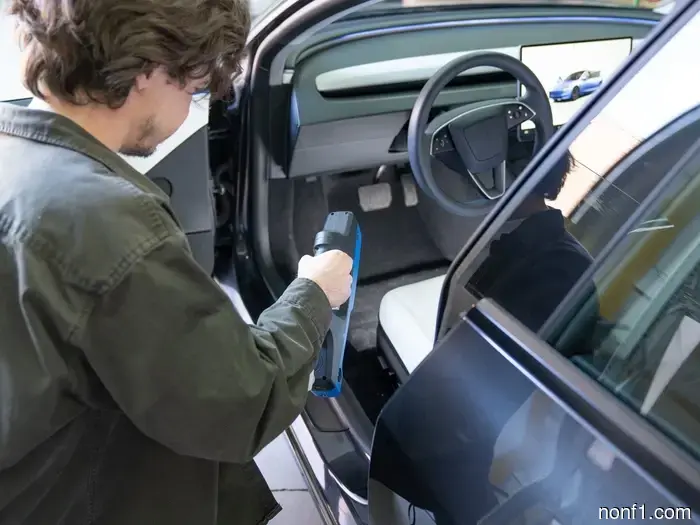
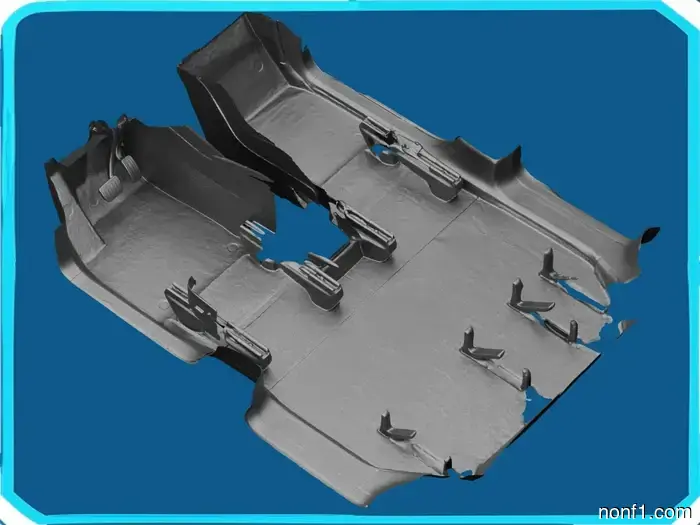
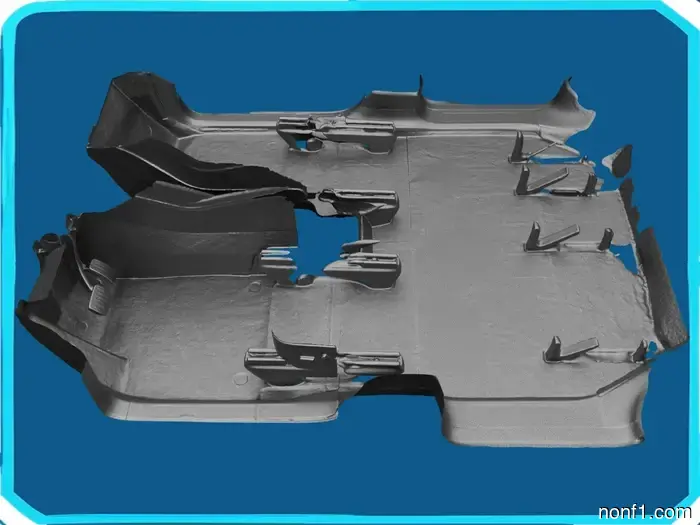
Naturally, gathering all those measurements is more intricate than simply measuring lengths and widths. TuxMat employs a detailed 3D scanning and data clean-up technique to create models of vehicle interiors. Their development process utilizes sophisticated scanning technology that involves "structured light," incorporating laser lines, blue LEDs, and infrared light to effectively scan different textures and light-absorbing surfaces.
This intensive scanning process allows TuxMat to capture the complex shapes of car interiors with precision. Sam mentioned that scanning typically requires about two and a half hours, depending on the vehicle's size, after which the team refines the polygon data. Blind spots in tight areas are tackled by taking multiple scans from various angles and stitching them together to produce a high-fidelity model.
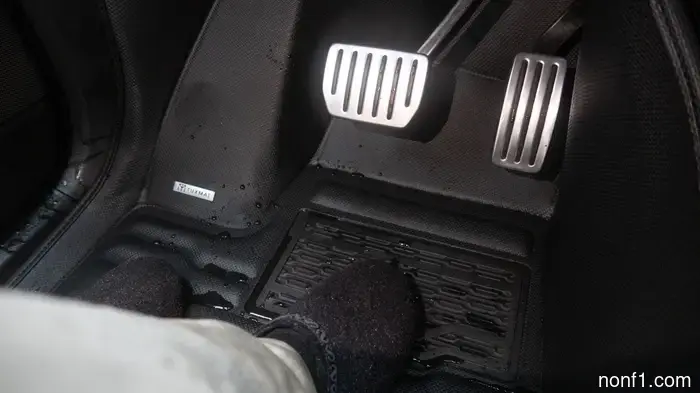
"We have a team of highly experienced designers who understand our coverage requirements, and they design the mat to the best of our ability without sacrificing safety. We incorporate safety features to ensure we clear the pedals and comply with OEM retention," Sam explained. "Every automaker, whether it's Mercedes, Subaru, or Kia, has different methods for securing mats, so we document all these and acquire the exact matching hardware that fits seamlessly with the OEM style. We do this for every single area and then collaborate with our factory to create molds for these mats. That's just one phase—after that, the mats undergo test-fitting and refinement."
TuxMat is now sending out its second generation of mats, enriched by the company’s continually expanding expertise. "...Sometimes we examine customers' vehicles that have been used for a while, and we look for scuff marks. Dirt and similar marks give us potential insights, right? It’s like, you might not expect to step in that spot, but you inevitably will brush against it.” Insights like these initially propelled TuxMat towards the path of comprehensive coverage fitment.
“Every car presents a distinct design challenge,” Sam shared. For instance, with the Tesla Model X, “I distinctly remember those seat rails—the way those seats slide forward and backward, and addressing that was completely different than our recent work with the Lucid Gravity, which has an unusual folding geometry requiring simulations.”
Now that TuxMat has over a decade of experience, it has built a vast library of internal knowledge to support related product development. Sam mentioned the new Toyota RAV4 and 4Runner, some of which feature an unusual step to accommodate hybrid batteries beneath the floor. “We just revisited our data and adapted a solution from another project to tackle this one.”
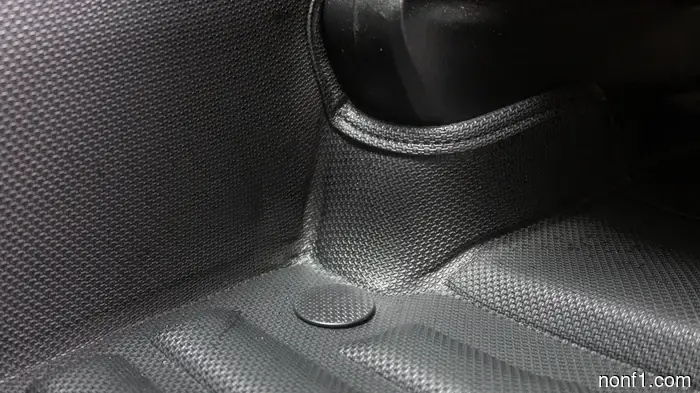
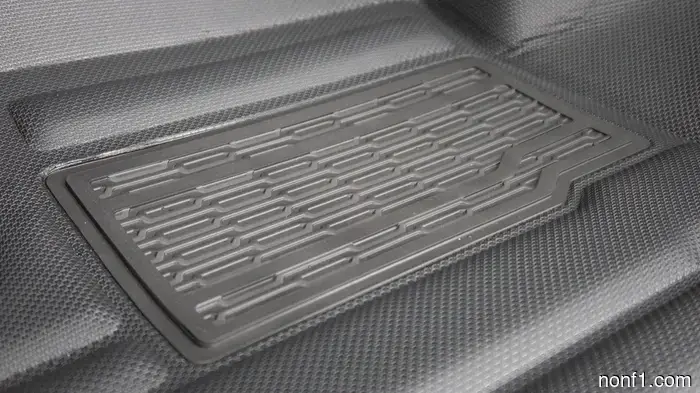
TuxMat's details, inserts, and accessories are just as impressive as the mats themselves.
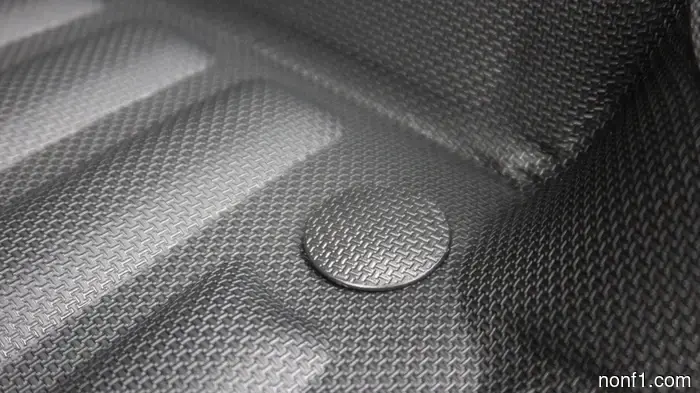
While fitment remains crucial, material selection is equally important. TuxMat car mats feature a unique multi-layer composition known as TriForce™, which provides a plush feel without sacrificing TuxMat’s characteristic sharp edges. Sam explained how it works.
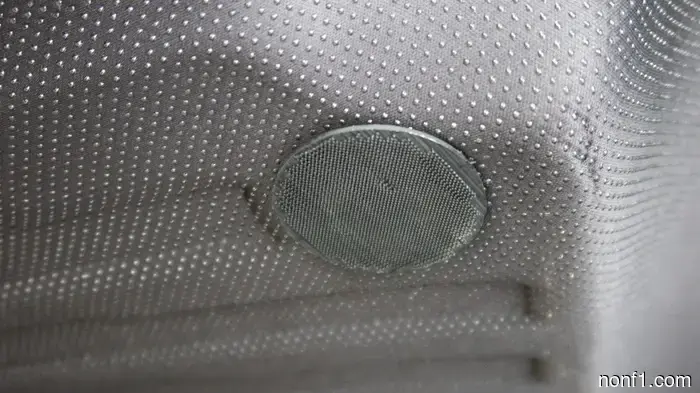
"Our mats have a tri-layer design. The top layer is vinyl, the middle layer is EVA foam, and the bottom layer has grip dots." This TriForce™ structure allows TuxMat to produce mats that are soft where needed but firm where necessary.
“That’s what
Other articles
 Randy Singh: Efficiency plays a key role
Randy Singh, the racing director of McLaren, spoke about the specifics of preparing for the race in Silverstone...
Randy Singh: Efficiency plays a key role
Randy Singh, the racing director of McLaren, spoke about the specifics of preparing for the race in Silverstone...
 Federal Authorities May Change Their Stance on the Right to Repair Vehicle Emissions Systems.
President Trump is calling on the EPA to specify which repairs are permitted, lessen dependence on CARB, and reassess enforcement actions against individuals attempting to repair their vehicles in "good faith."
Federal Authorities May Change Their Stance on the Right to Repair Vehicle Emissions Systems.
President Trump is calling on the EPA to specify which repairs are permitted, lessen dependence on CARB, and reassess enforcement actions against individuals attempting to repair their vehicles in "good faith."
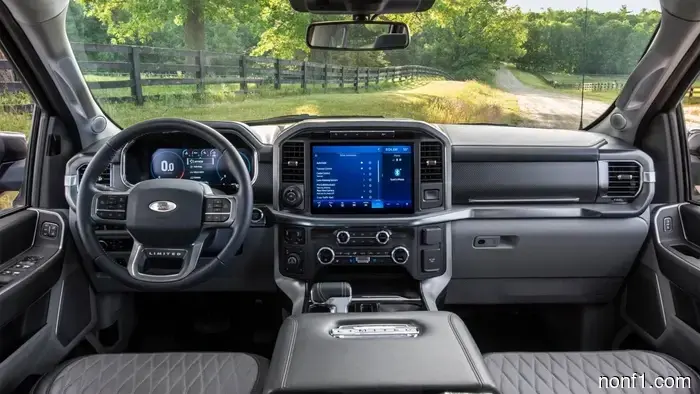 Ford Recalls 740,000 Trucks and SUVs That May Roll Away While in Park: TDS
The recall includes Ford and Lincoln models from 2018 to 2021, such as the F-150. Until your vehicle is repaired, it is advisable to use the parking brake each time.
Ford Recalls 740,000 Trucks and SUVs That May Roll Away While in Park: TDS
The recall includes Ford and Lincoln models from 2018 to 2021, such as the F-150. Until your vehicle is repaired, it is advisable to use the parking brake each time.
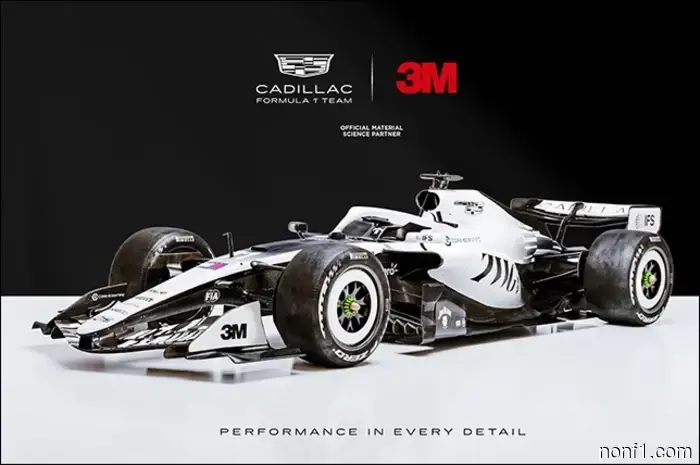 3M – official partner and supplier of Cadillac
The Cadillac team and 3M company announced the signing of a multi-year partnership agreement...
3M – official partner and supplier of Cadillac
The Cadillac team and 3M company announced the signing of a multi-year partnership agreement...
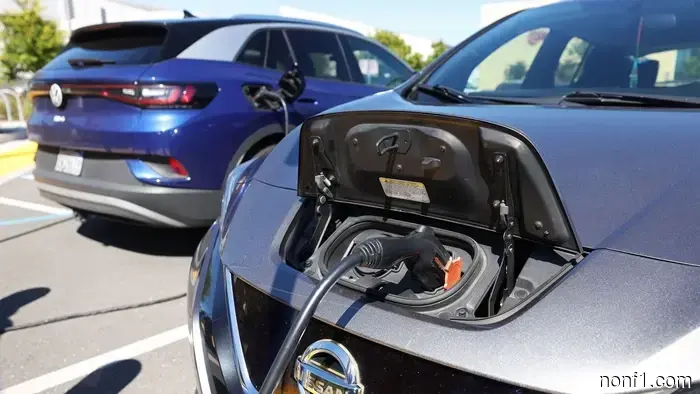 Sales of new electric vehicles have plummeted, yet the used market is achieving record figures.
According to new data, used electric vehicles achieved a record quarter of sales in the U.S., and this is only the beginning.
Sales of new electric vehicles have plummeted, yet the used market is achieving record figures.
According to new data, used electric vehicles achieved a record quarter of sales in the U.S., and this is only the beginning.
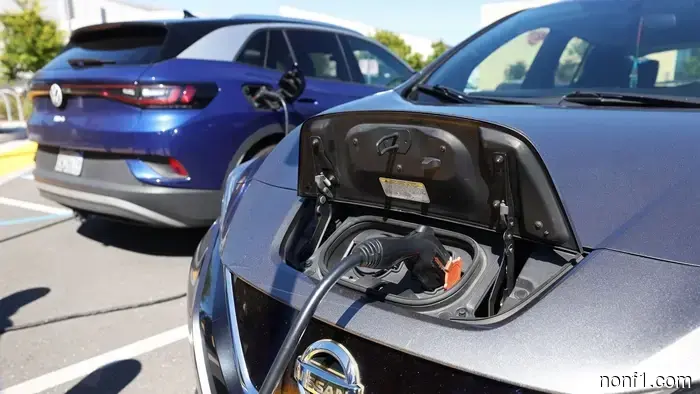 New EV Sales Have Plummeted, While the Used Market Is Reaching New Heights
According to recent data, used electric vehicles achieved a record sales quarter in the U.S., and this is only the beginning.
New EV Sales Have Plummeted, While the Used Market Is Reaching New Heights
According to recent data, used electric vehicles achieved a record sales quarter in the U.S., and this is only the beginning.
Advanced Aftermarket Engineering: This Is How Committed TuxMat Is to Achieving Perfect Fitment
TuxMat floor mats offer superior coverage and an exceptional fit that surpasses factory standards by surpassing others in their product development process.