
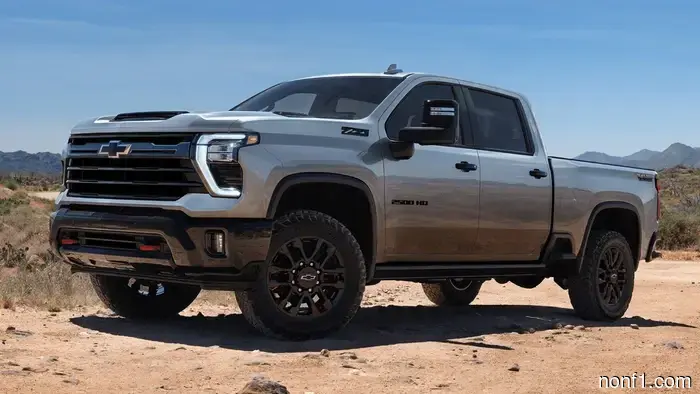
Federal Authorities May Change Their Stance on the Right to Repair Vehicle Emissions Systems.
Chevrolet
The latest car news and reviews, straightforward and unbiased
Our complimentary daily newsletter delivers the most significant stories right to you every weekday.
The current U.S. administration is adopting a markedly different strategy concerning vehicle emissions regulation compared to previous ones. While enforcement of the Clean Air Act had intensified over the years, resulting in numerous civil penalties and criminal fines, the Environmental Protection Agency has recently shifted its focus towards deregulation. This trend may increase, particularly in light of how the EPA reacts to President Trump’s new right-to-repair initiative.
On Monday, the White House released a memorandum of understanding in which the President advocates for reducing the "burdensome environmental regulations [that] have driven the average cost of vehicles skyward." In light of these burdens, he is urging the EPA to clarify which emissions repairs are permissible and to provide guidance to consumers to help them avoid violations of the Clean Air Act. Furthermore, the President has requested that the EPA lessen its dependency on the California Air Resources Board for parts certification, which has been a known obstacle for various aftermarket manufacturers.
Perhaps the most significant implication for consumers is this: President Trump’s memorandum encourages the EPA to rethink its enforcement practices concerning “anyone who, in good faith, attempts to restore his or her vehicle to its original state.” Essentially, if an individual uses parts not approved by CARB or the EPA for vehicle repairs, the EPA should evaluate whether legal action is warranted. It’s important to note the President’s wording, emphasizing that his suggestion applies solely to those striving to maintain their vehicle’s original setup.
One might conclude that this excludes anyone intentionally removing emissions components from their vehicle, such as a diesel particulate filter or exhaust gas recirculation system. However, it is critical to understand that this memorandum is merely suggestive rather than binding. The President is leaving it to the EPA to determine what enforcement actions are appropriate, which means Administrator Lee Zeldin—who often aligns with dissatisfied consumers instead of environmental legislators—could ultimately make the final decision.
It is premature to predict the implications for vehicle owners. One might speculate that the EPA will consider President Trump’s advice to avoid further enforcement. The key question is whether the agency will allow consumers to determine what modifications are acceptable, based on the interpretation of “good faith.”
Have a tip or question for the author? Reach out directly: caleb@thedrive.com
Other articles
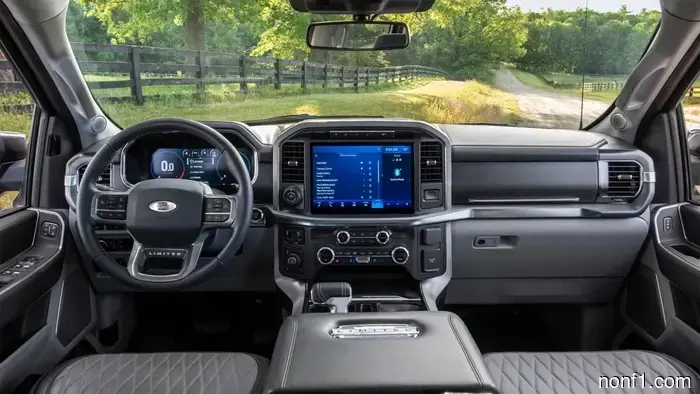 Ford Issues Recall for 740,000 Trucks and SUVs Due to Potential Rollaway Risk While in Park: TDS
The recall includes Ford and Lincoln models from 2018 to 2021, such as the F-150. Until your vehicle is repaired, it's advisable to use the parking brake each time.
Ford Issues Recall for 740,000 Trucks and SUVs Due to Potential Rollaway Risk While in Park: TDS
The recall includes Ford and Lincoln models from 2018 to 2021, such as the F-150. Until your vehicle is repaired, it's advisable to use the parking brake each time.
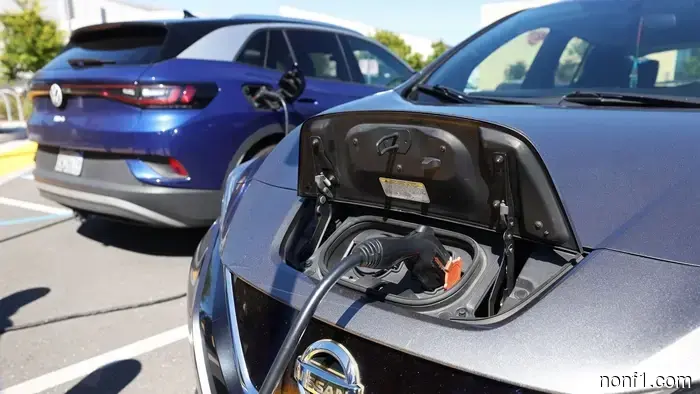 New EV Sales Have Plummeted, While the Used Market Is Reaching New Heights
According to recent data, used electric vehicles achieved a record sales quarter in the U.S., and this is only the beginning.
New EV Sales Have Plummeted, While the Used Market Is Reaching New Heights
According to recent data, used electric vehicles achieved a record sales quarter in the U.S., and this is only the beginning.
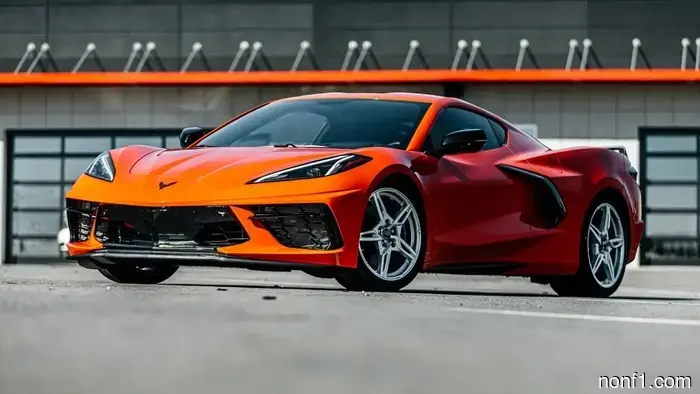 Even the lowest-priced C8 Corvette is capable of reaching 200 MPH now.
The 2027 Corvette Stingray's increase of 40 horsepower enables it to achieve a significant milestone that even the powerful Z06 falls short of.
Even the lowest-priced C8 Corvette is capable of reaching 200 MPH now.
The 2027 Corvette Stingray's increase of 40 horsepower enables it to achieve a significant milestone that even the powerful Z06 falls short of.
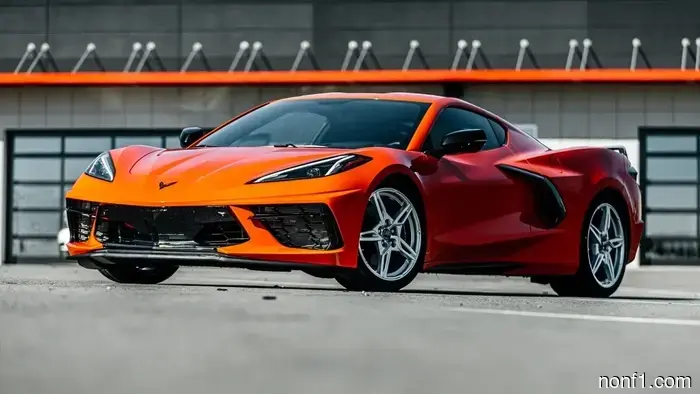 Now, even the least expensive C8 Corvette can reach 200 MPH.
The 2027 Corvette Stingray's increase of 40 horsepower enables it to achieve a significant milestone that even the powerful Z06 cannot fully attain.
Now, even the least expensive C8 Corvette can reach 200 MPH.
The 2027 Corvette Stingray's increase of 40 horsepower enables it to achieve a significant milestone that even the powerful Z06 cannot fully attain.
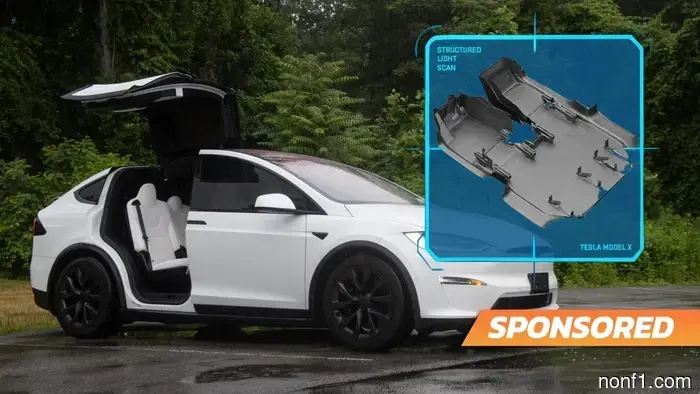 Advanced Aftermarket Engineering: Discover the Importance TuxMat Places on Achieving a Flawless Fit.
TuxMat floor mats provide superior-than-factory coverage and an exceptional fit by exceeding the efforts of others in product development.
Advanced Aftermarket Engineering: Discover the Importance TuxMat Places on Achieving a Flawless Fit.
TuxMat floor mats provide superior-than-factory coverage and an exceptional fit by exceeding the efforts of others in product development.
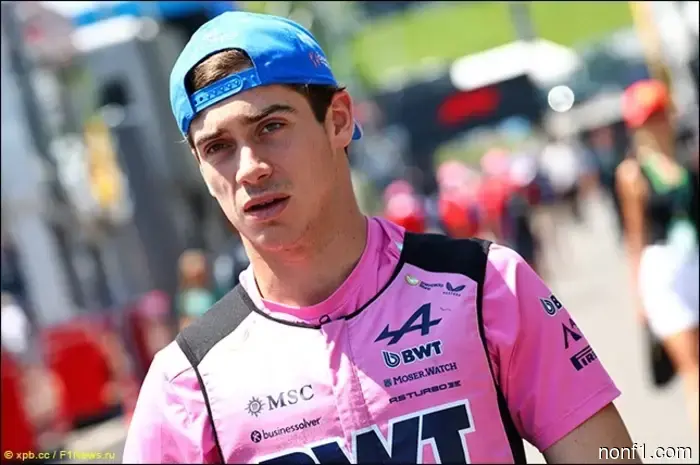 Franco Colapinto: It's important to find the right rhythm right away.
At Alpine, they are optimistically looking forward to the British Grand Prix and hope to earn points after the setback in Austria...
Franco Colapinto: It's important to find the right rhythm right away.
At Alpine, they are optimistically looking forward to the British Grand Prix and hope to earn points after the setback in Austria...
Federal Authorities May Change Their Stance on the Right to Repair Vehicle Emissions Systems.
President Trump is calling on the EPA to specify which repairs are permitted, lessen dependence on CARB, and reassess enforcement actions against individuals attempting to repair their vehicles in "good faith."