
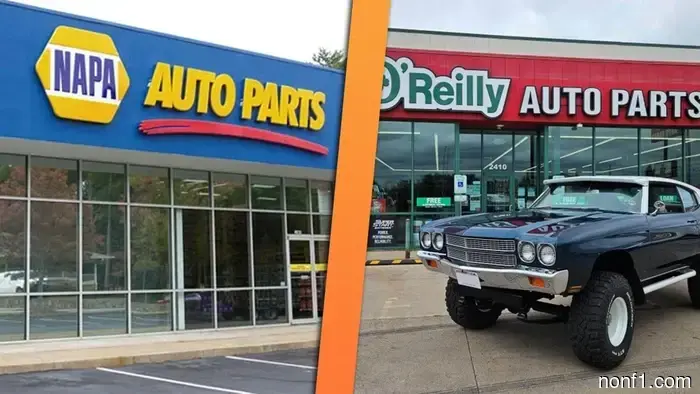
The $10 Billion Acquisition That Might Revolutionize the Auto Parts Industry, Explained
NAPA, O'Reilly (edited by the author)
The most significant auto news and reviews, no nonsense
Our free daily newsletter delivers the essential stories straight to you every weekday.
O’Reilly considers $10 billion acquisition of NAPA. This possible merger could transform the auto parts retail sector.
Different operational models. O’Reilly’s consistent corporate strategy stands in contrast to NAPA’s franchise model.
Potential regulatory challenges. Antitrust issues might complicate the transaction, especially in overlapping markets.
Global growth aspirations. O’Reilly’s proposal could facilitate its expansion internationally.
AI-assisted, editor-reviewed
Currently, there are just four major auto parts retailers remaining in the U.S., and it seems two of them may be merging. O’Reilly is reportedly interested in spending $10 billion to acquire NAPA. This would be a noteworthy moment in the auto industry, as both brands are recognized as physical auto parts retailers, but O'Reilly and NAPA operate under fundamentally different business models.
Before diving into how NAPA and O’Reilly differ (I always think it’s “O’Reilly’s” but no—no apostrophe-S), let’s lay down some key context and news.
Why This Is Significant
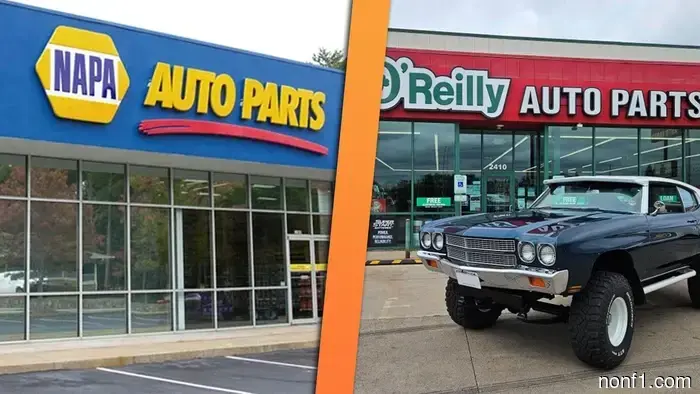
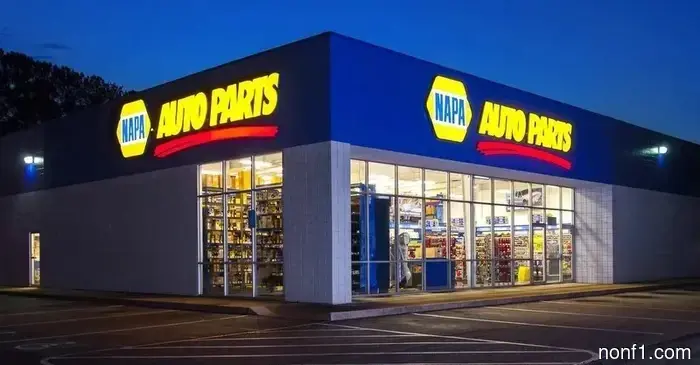
O’Reilly is a large, publicly traded entity. It operates all its stores with a high level of corporate uniformity. In contrast, NAPA Auto Parts employs a hybrid corporate/franchise model, which gives many locations a more personalized, independent feel. Approximately 4,500 of NAPA’s roughly 6,000 stores are owned and managed by small business owners, rather than the parent company, Genuine Parts Company (GPC). GPC, which owns NAPA, also operates Motion, a company that supplies industrial components to factories.
While many NAPA stores are franchises, NAPA itself belongs to a larger conglomerate that also manages a substantial industrial supply firm called Motion.
In February, GPC announced its intention to more clearly separate its automotive and industrial divisions. I hadn’t heard much about this until today when I came across reports indicating that O’Reilly Automotive made a bid for GPC's automotive operations, which “could be valued at $10 billion or more,” according to Bloomberg.
GPC hasn’t officially listed NAPA for sale; instead, it revealed plans to spin off NAPA into an independent entity in 2027. It seems O’Reilly is seeking to act proactively against the evolution of its competitor by attempting to acquire it.
Now, why is this significant beyond altering the signage at parts stores? Let’s delve deeper into how these brands differ from a consumer perspective.
NAPA’s franchise system is heavily oriented toward the commercial mechanic sector, making it a favorite among enthusiasts for its knowledgeable parts-counter staff (the seasoned experts who understand carburetors) and its high-quality house brands (such as Carlyle tools and Echlin ignition components).
O’Reilly, as a corporate-owned powerhouse, has expanded rapidly by acquiring regional chains over the years (including CSK Auto/Checker/Schuck’s/Kragen in 2008). While it boasts excellent inventory management, O’Reilly stores generally provide a more standardized corporate shopping experience.
O’Reilly vs. NAPA: Is One Truly Superior?
As a regular customer at auto parts stores, I’ve had positive experiences with both NAPA and O’Reilly. The green brand was my preferred choice when I lived in Los Angeles. I was on a first-name basis with the clerks at various O’Reilly locations, and they were always incredibly helpful and knowledgeable. However, NAPA also has top-notch, experienced personnel. I recall visiting a NAPA near Lake Tahoe one winter, where I ended up discussing the pros and chemical properties of different antifreeze brands extensively with an employee.
With that being said, if O’Reilly were to acquire NAPA, it would be interesting to see whether they maintain the franchise model (or even the branding) or eliminate it. If independent NAPAs disappear, car culture could lose not only NAPA’s local speed-shop atmosphere but also a pathway for enthusiast-owned parts shops to thrive. On the other hand, perhaps it’s irrelevant, considering that anyone can potentially market auto parts from anywhere online.
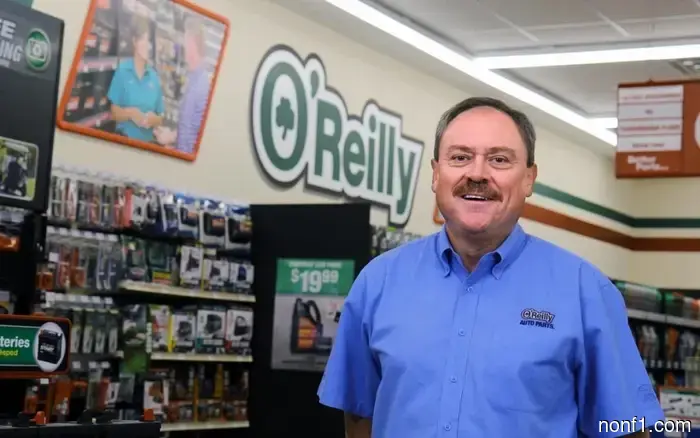
Greg Henslee, Executive Chairman of the Board at O’Reilly, started at the parts counter in the original O’Reilly Auto Parts store in Springfield, Missouri.
Regarding geographical reach, GPC’s automotive division encompasses over 10,000 locations worldwide. O’Reilly has been discreetly exploring opportunities to expand into Canada and Mexico over the past few years—the green brand’s $10 billion bid might also serve the purpose of establishing a global auto parts presence.
What’s Next
Reports suggest that a deal for acquiring NAPA could be finalized by “late summer,” but it’s difficult
Other articles
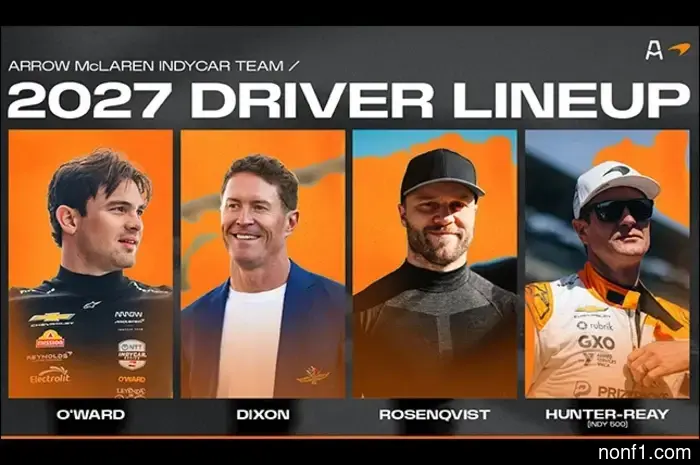 Scott Dixon – McLaren IndyCar driver
The McLaren team announced the signing of a contract with six-time IndyCar champion Scott Dixon...
Scott Dixon – McLaren IndyCar driver
The McLaren team announced the signing of a contract with six-time IndyCar champion Scott Dixon...
 Leclerc: Sometimes you need luck to be on your side.
Charles Leclerc achieved his first victory of the season and his ninth in his Formula 1 career, having last stood on the top step of the podium in October 2024...
Leclerc: Sometimes you need luck to be on your side.
Charles Leclerc achieved his first victory of the season and his ninth in his Formula 1 career, having last stood on the top step of the podium in October 2024...
The $10 Billion Acquisition That Might Revolutionize the Auto Parts Industry, Explained
O'Reilly may consider purchasing NAPA, which could impact the aftermarket parts industry in ways you may not fully appreciate.