
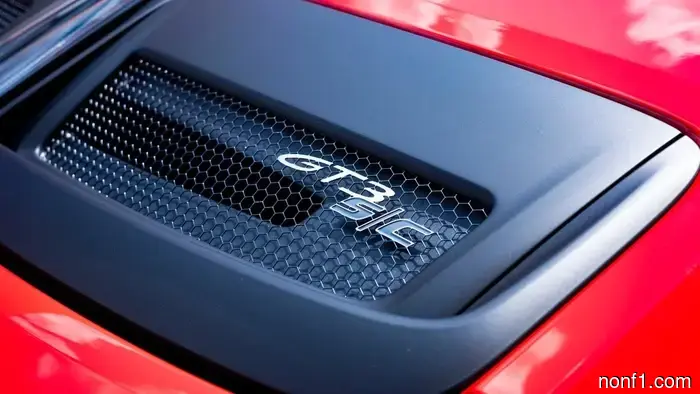
Porsche’s 'GT3' designation is no longer solely focused on the racetrack.
Adam Ismail
The most important car news and reviews, straight to the point
Subscribe to our free daily newsletter to receive the most significant stories right in your inbox every weekday.
Sometimes, I believe we humans place too much importance on names; however, I realize names are fundamentally how we understand the world. They help us form expectations and distinguish one thing from another. This distinction becomes especially crucial when considering a car with countless variations, like the Porsche 911.
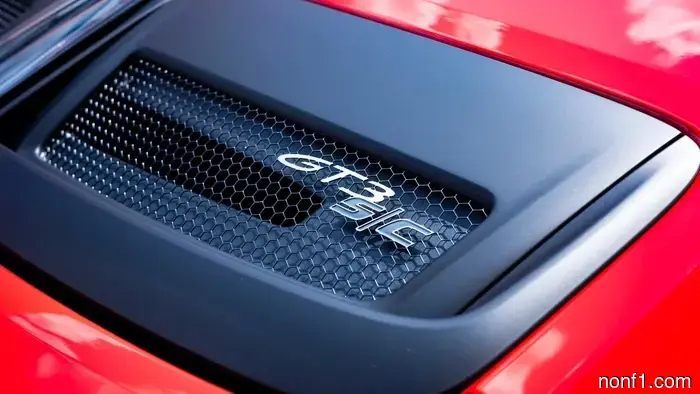
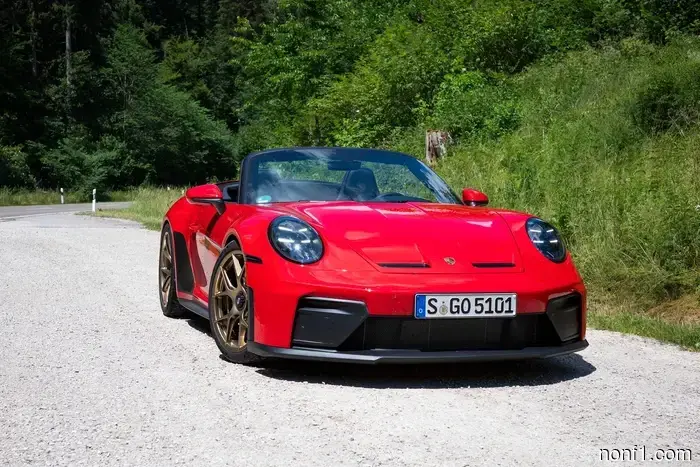
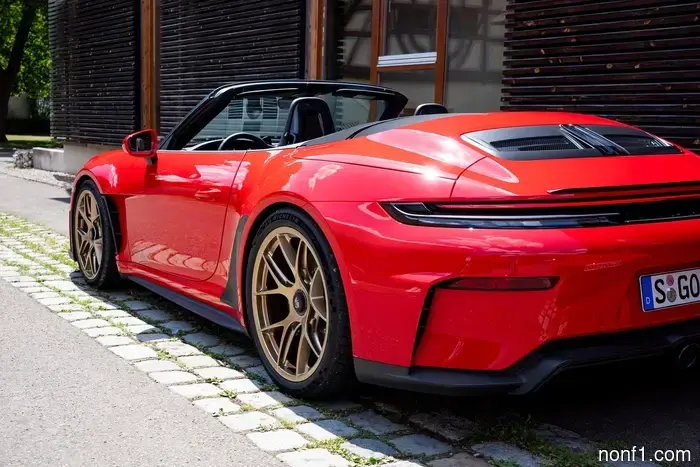
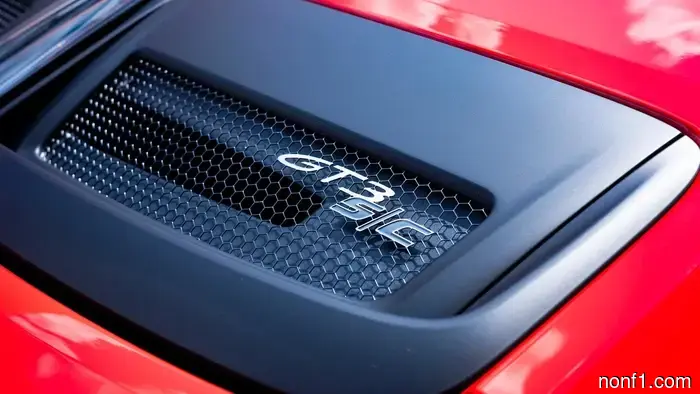
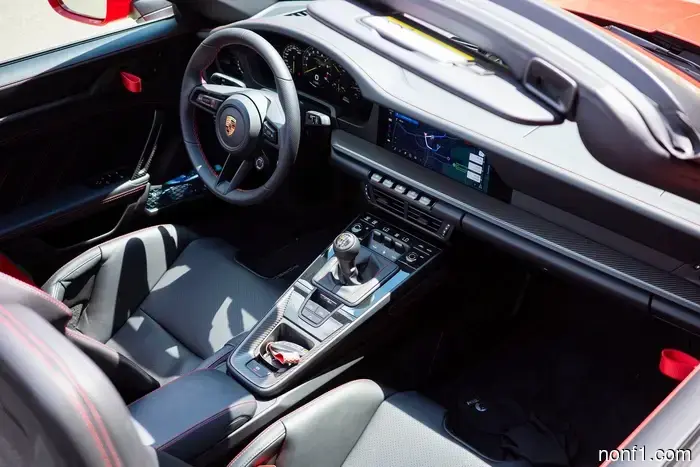
The idea of an open-top 911 GT3—which is precisely what the new 911 S/C is—initially left me perplexed. As I mentioned in my first-drive review, it all makes much more sense when you're behind the wheel. However, this article isn't about that experience; it focuses on the rationale behind this car's existence, especially since it contrasts sharply with what those letters and that number traditionally represented.
When Porsche debuted the original 996-generation 911 GT3, it was intensely focused on track performance and lightweight, linear power. Over the years, we’ve watched the lineup expand, first with the even more extreme GT3 RS and then with the softer Touring variant. It may seem contradictory, but customers don't seem to mind, given how many GT3 buyers are opting for the Touring model these days.
“We know that many of our GT customers appreciate soft tops as well, since the 991 Speedster was a major hit in 2019,” said Andreas Preuninger, Porsche’s head of GT cars, during the S/C’s launch event in Germany. “In 2023, we saw the same success with the Spider RS. If you look at the current GT3 situation, the Touring version is significantly popular, with nearly half of GT3 sales being the Touring model.”
“That indicates they’re driver’s cars for the road, not just for the track,” Preuninger summarized. “The 911 S/T has become a legendary driver’s car, known for its focus on lightweight design and purity. When you combine the core virtues and DNA of these cars, it naturally leads to the idea that a drop-top, emotional, lightweight driver’s car would be immensely welcomed by our GT community.”
The 911 GT3 S/C represents perhaps the most significant departure yet from the original GT3 concept, being a convertible. You certainly wouldn't use it on a track for this reason, even though it borrows numerous components from cars designed for that purpose. This, along with Preuninger’s insights on how his team reached this point, forced me to reconsider what GT3 really signifies in Porsche's terminology.
It isn’t strictly about the track, nor does it relate to a specific type of racing. You get closer to understanding what this lineage signifies today by substituting “GT3” with a term like “Ultimate.”
The only flaw in this reasoning is that Porsche sometimes creates an even more supreme 911, the GT2. That model features turbochargers, all-wheel drive, and enhanced performance metrics, so if any 911 warrants our invented “Ultimate” label, it’s likely that one. However, the GT2 only appears sporadically, and we haven't seen one in this generation yet. Additionally, it’s undeniably a less purist machine due to its forced induction, extra axle for stability, and absence of a six-speed option.
So let’s refer to GT3 as “Ultimate Purist.” Another vital point is that the other GT3 models—the ones that arguably embody the original essence of the name—still exist. They haven't vanished, and it would be unrealistic to think they would any time soon, given Porsche's financial interests. These cars remain available, and generally speaking, the world would benefit from embracing the added choices in any field rather than lamenting their presence as a dilution of something sacred.
As long as Porsche continues to produce naturally aspirated, high-revving, manual-transmission, lightweight 911s, I support seeing them in as many variations as deemed suitable and accessible to as many interested buyers as possible. Good things emerge from this recipe.
What are your thoughts on the 911 GT3 S/C? Feel free to leave a comment or email the author at adam.ismail@thedrive.com.
Other articles
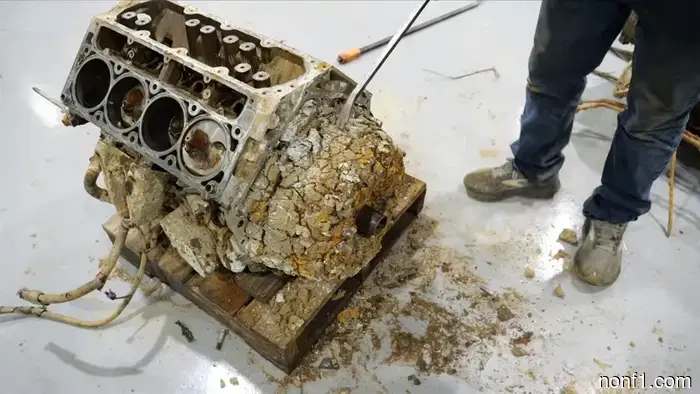 Here's What Four Years in a River Does to a GM 6.2L V8
What you definitely want to avoid is having mud, rust, and stagnant river water in your LS.
Here's What Four Years in a River Does to a GM 6.2L V8
What you definitely want to avoid is having mud, rust, and stagnant river water in your LS.
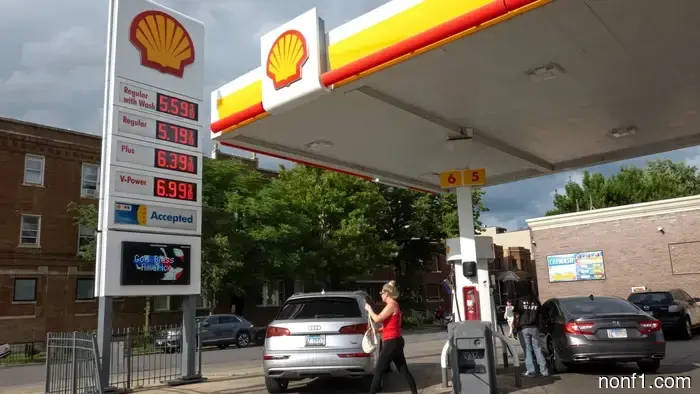 The disparity in cost between regular and premium gasoline is increasing, prompting drivers to take action: TDS
Sales of premium gasoline recently decreased by 5% across the country, while regular gasoline sales increased by 10%, as more drivers opt for the cheaper option to save money.
The disparity in cost between regular and premium gasoline is increasing, prompting drivers to take action: TDS
Sales of premium gasoline recently decreased by 5% across the country, while regular gasoline sales increased by 10%, as more drivers opt for the cheaper option to save money.
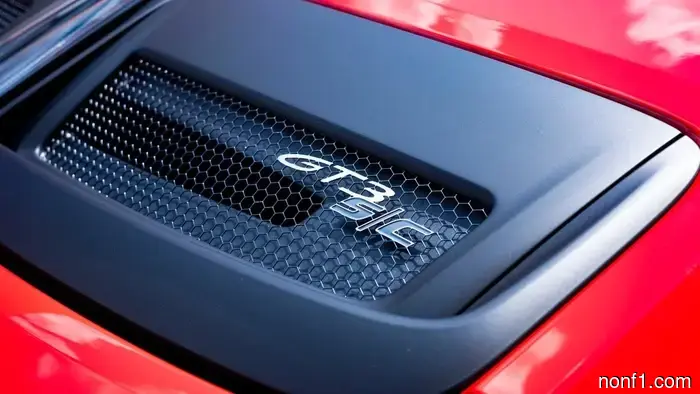 Porsche’s ‘GT3’ Branding Has Evolved Beyond Just Track Performance
The roof-optional Porsche 911 GT3 S/C represents the most significant departure from previous GT3 models and indicates a shift in the meaning of this legendary badge.
Porsche’s ‘GT3’ Branding Has Evolved Beyond Just Track Performance
The roof-optional Porsche 911 GT3 S/C represents the most significant departure from previous GT3 models and indicates a shift in the meaning of this legendary badge.
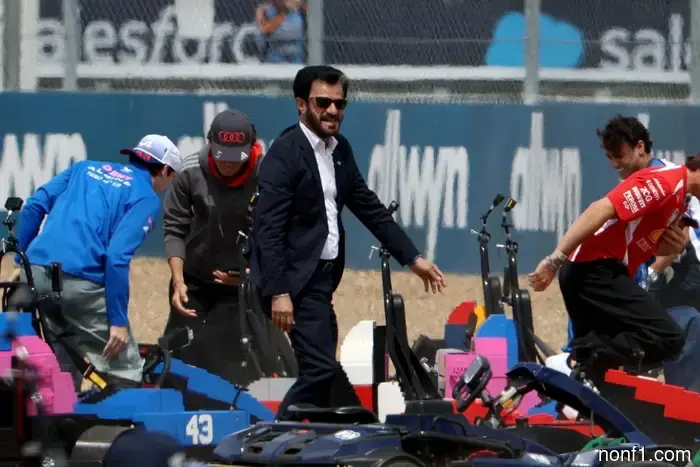 FIA considers an independent V8 engine supplier for 2031.
Formula 1 | FIA president Mohammed Ben Sulayem has disclosed new information regarding the engine formula for Formula 1 that is set to be implemented after 2030, which includes the potential for an (…)
FIA considers an independent V8 engine supplier for 2031.
Formula 1 | FIA president Mohammed Ben Sulayem has disclosed new information regarding the engine formula for Formula 1 that is set to be implemented after 2030, which includes the potential for an (…)
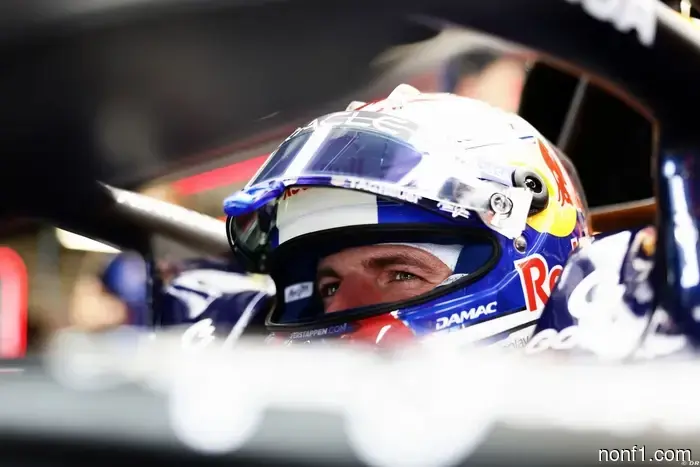 Mateschitz growing frustrated with Verstappen - report
Formula 1 | Recent reports from the Netherlands indicate that tensions between Max Verstappen and Red Bull are on the rise, as both parties are becoming increasingly (…)
Mateschitz growing frustrated with Verstappen - report
Formula 1 | Recent reports from the Netherlands indicate that tensions between Max Verstappen and Red Bull are on the rise, as both parties are becoming increasingly (…)
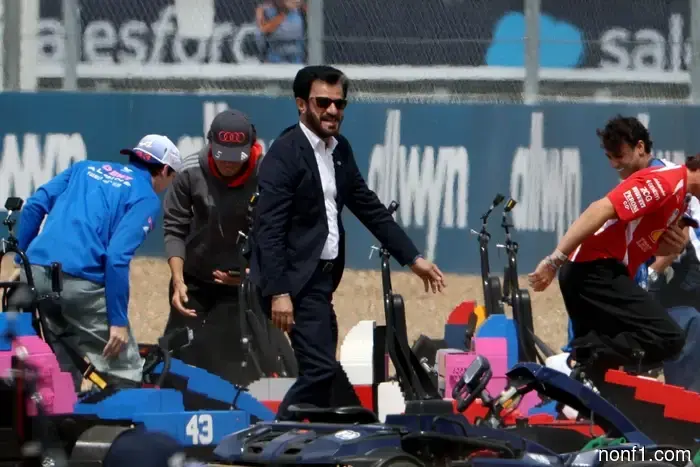 FIA seeks an independent supplier for V8 engines by 2031.
Formula 1 | FIA president Mohammed Ben Sulayem has disclosed new information regarding the engine formula for Formula 1 anticipated after 2030, which includes the potential for an (…)
FIA seeks an independent supplier for V8 engines by 2031.
Formula 1 | FIA president Mohammed Ben Sulayem has disclosed new information regarding the engine formula for Formula 1 anticipated after 2030, which includes the potential for an (…)
Porsche’s 'GT3' designation is no longer solely focused on the racetrack.
The roof-optional Porsche 911 GT3 S/C represents the most significant departure from previous GT3 models—and indicates that the meaning of this iconic badge has transformed.