
Here's What Four Years in a River Does to a GM 6.2L V8
I Do Cars via YouTube
The latest in car news and reviews, no nonsense.
Subscribe to our free daily newsletter to receive the most important stories straight to your inbox every weekday.
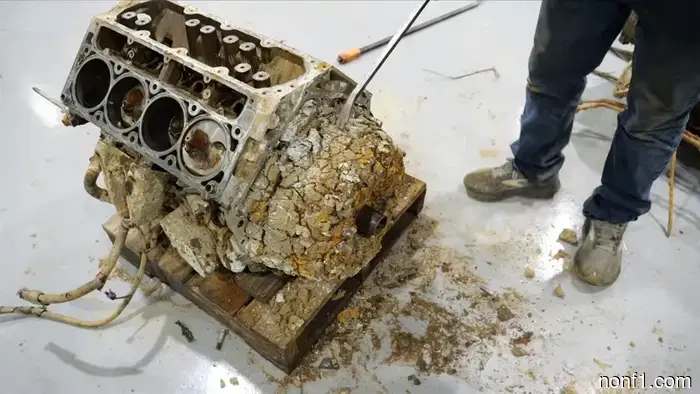
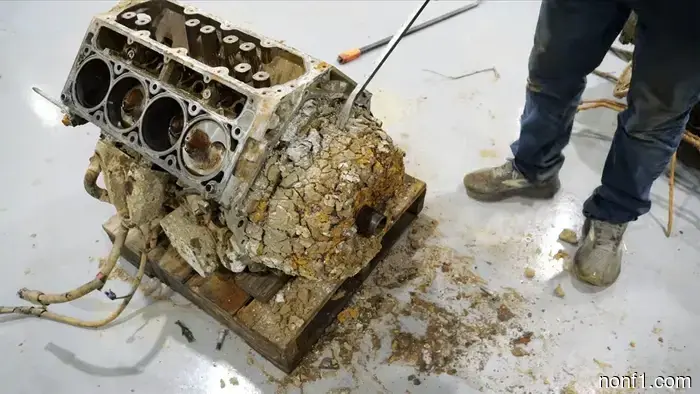
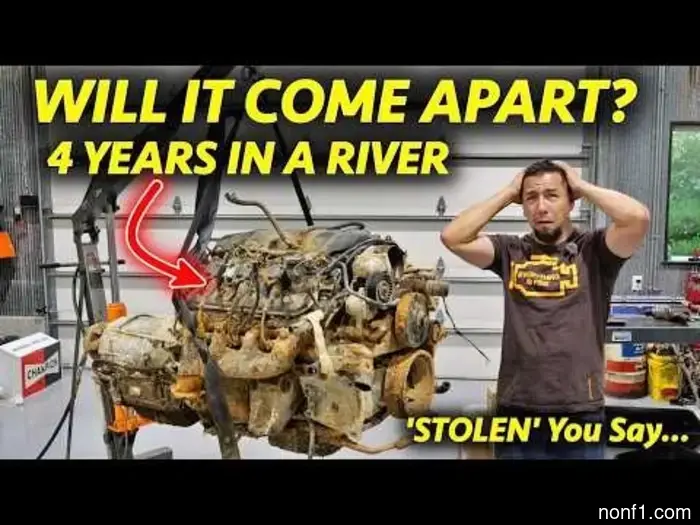
When you pull a car from a lake or pond after it’s been submerged for an unknown length of time, the outcome is usually pretty grim. What else can you expect? An immaculate vehicle that smells… fishy? Anyway, this 6.2-liter V8 from a Chevy Camaro SS that sat underwater in the Ohio River for years serves as a prime example. It’s not just the exterior that shows signs of neglect, with rust and barnacles present; the interior is filled with mud, oil, and various slimy substances.
For those with time on their hands, there’s an hour-long teardown video on the I Do Cars YouTube channel. If you’re on your union break, stay with me for a moment. I’ll give you a quick overview while highlighting just how bad this engine is.
I Do Cars via YouTube
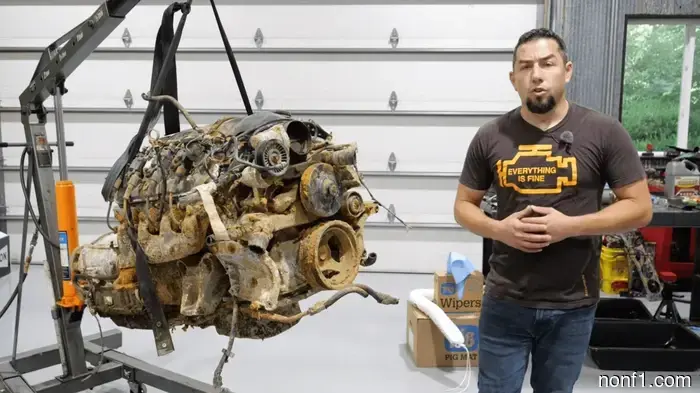
A brief inspection reveals some of the unfortunate condition of this L99 V8, but not all of it. The host, Eric, struggles to place a socket on most of the bolt heads due to thick grime covering them. There’s hardly any silver visible on this engine; it predominantly appears orange and brown.
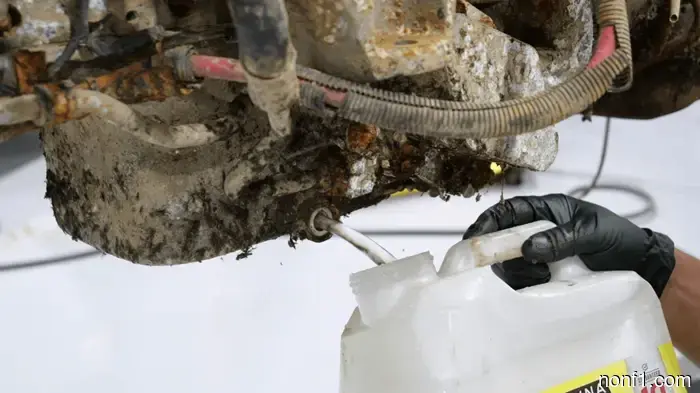
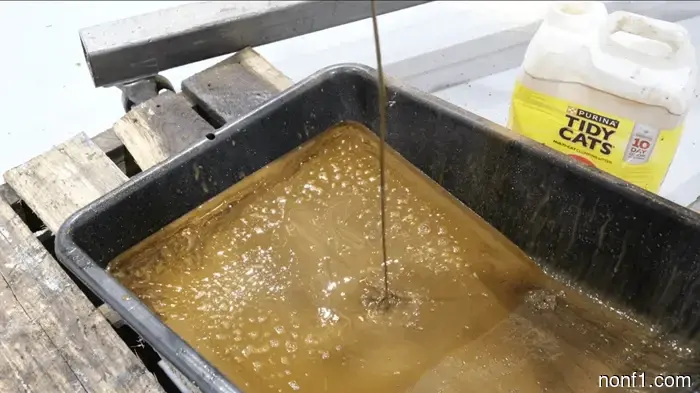
The first task was to remove the drain plug. Once that was accomplished, enough stagnant river water flowed out to fill a Purina Tidy Cats litter container. Oil soon followed, along with unpleasant chunks of debris. Yikes.
I Do Cars via YouTube
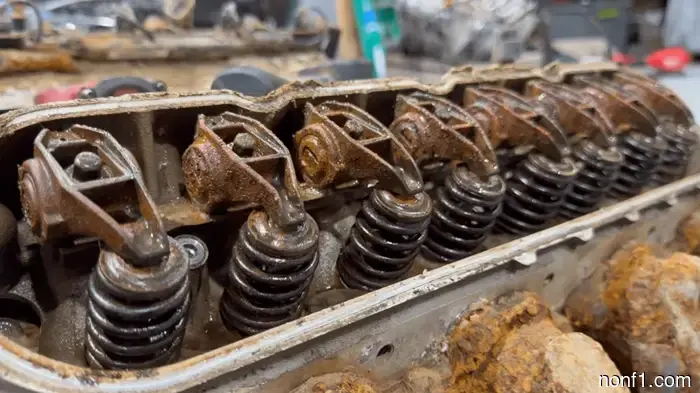
The intake manifold wasn't in terrible shape, but removing the valve covers exposed some shocking issues. The rockers were nearly immobilized by rust, and further inspection revealed a missing pushrod. How does this occur? Eric speculates that someone may have taken it out to rectify a ticking noise, and honestly, I wouldn’t be surprised given the reputation of fifth-gen Camaro owners. (Just joking.)
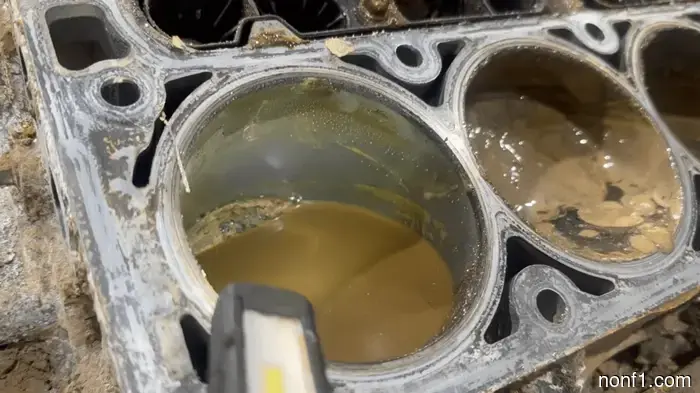
Most of the cylinders were packed with mud, although, surprisingly, the sleeves weren’t severely damaged. One was even relatively clean, possibly because it drew in some water before the engine shut down. However, there was still rust that rendered the sleeves undesirable. Since you can easily replace them, I don’t see why anyone would try to salvage what’s already there.
I Do Cars via YouTube
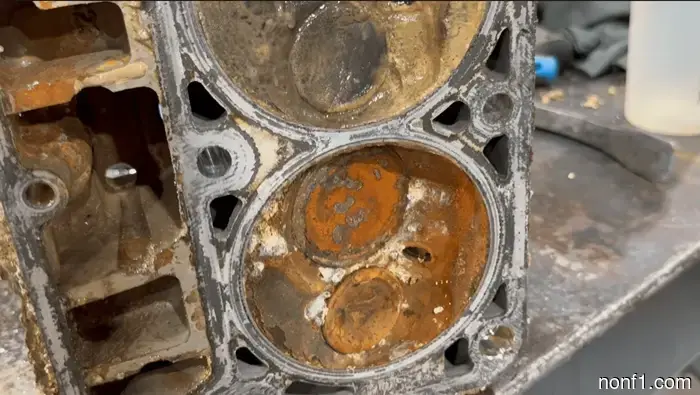
The pistons fared no better; Eric had to remove three rusty ones before he could make the engine turn. Eventually, he managed to force the crankshaft to rotate, which expelled a significant amount of crumbling debris. It was a labor-intensive process, and nearly every step was a mess.
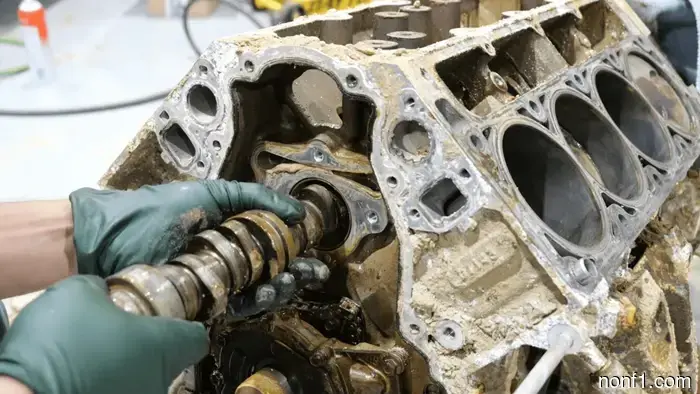
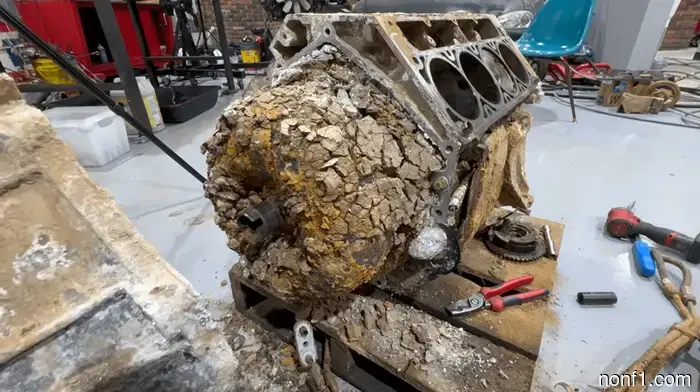
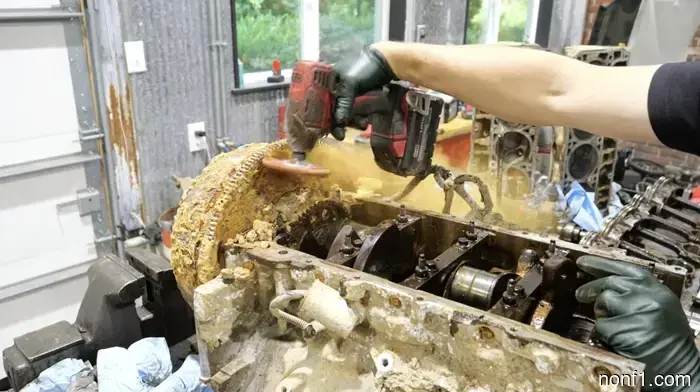
Perhaps the most visually unsettling aspects of the teardown were the removal of the camshaft (which Eric calls the “slime stick”), the extraction of the bellhousing, and the dislodging of the torque converter. I wouldn’t want to tackle any of those tasks. However, this individual surely knew what they were getting into when they took on this project.
I Do Cars via YouTube
After completely tearing it down, Eric expressed his surprise at the engine’s durability despite its surroundings. “The whole thing came apart. I didn’t expect any of that,” he remarked. “I broke one exhaust manifold bolt, but that happens even when they’re not submerged. I just can’t believe I managed to take the whole thing apart.”
So, if anything, we should acknowledge the team at General Motors. Here’s yet another reason to appreciate the LS family of engines.
This LS Spent 4 YEARS In A River! Will It Come Apart AND What Survived? REEKS of Insurance Fraud!
Have a tip or question for the author? Reach out directly: caleb@thedrive.com
Other articles
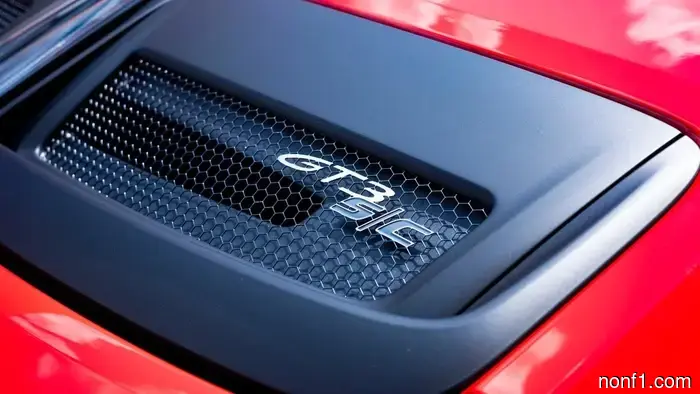 Porsche’s 'GT3' designation is no longer solely focused on the racetrack.
The roof-optional Porsche 911 GT3 S/C represents the most significant departure from previous GT3 models—and indicates that the meaning of this iconic badge has transformed.
Porsche’s 'GT3' designation is no longer solely focused on the racetrack.
The roof-optional Porsche 911 GT3 S/C represents the most significant departure from previous GT3 models—and indicates that the meaning of this iconic badge has transformed.
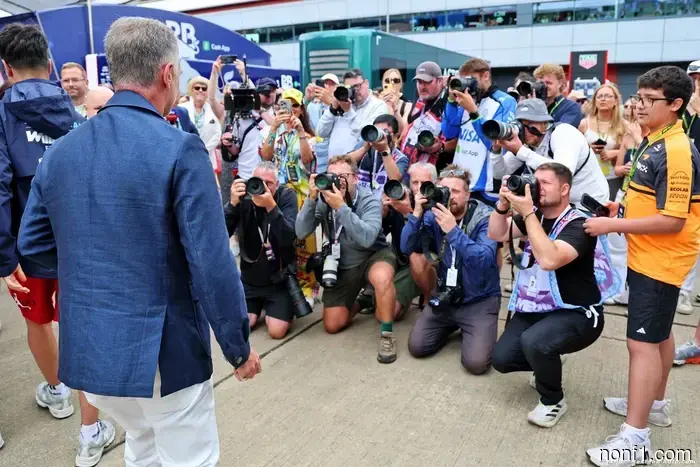 FIA chief suggests that Horner's return to F1 is already planned.
Formula 1 | FIA president Mohammed Ben Sulayem has suggested that he is aware of the location for Christian Horner's return to Formula 1. Horner, who (…)
FIA chief suggests that Horner's return to F1 is already planned.
Formula 1 | FIA president Mohammed Ben Sulayem has suggested that he is aware of the location for Christian Horner's return to Formula 1. Horner, who (…)
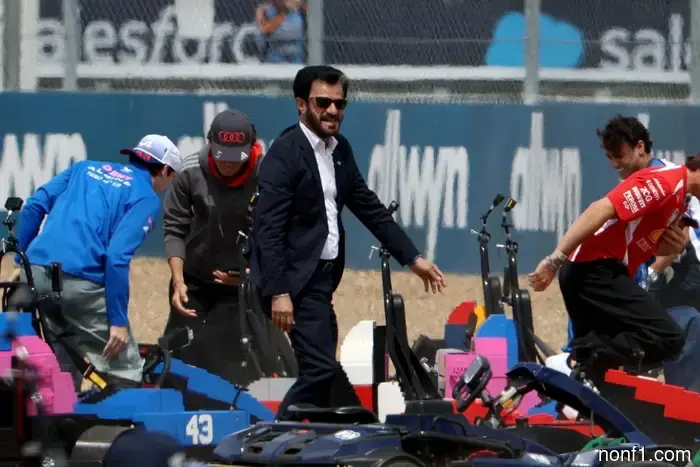 FIA considers an independent V8 engine supplier for 2031.
Formula 1 | FIA president Mohammed Ben Sulayem has disclosed new information regarding the engine formula for Formula 1 that is set to be implemented after 2030, which includes the potential for an (…)
FIA considers an independent V8 engine supplier for 2031.
Formula 1 | FIA president Mohammed Ben Sulayem has disclosed new information regarding the engine formula for Formula 1 that is set to be implemented after 2030, which includes the potential for an (…)
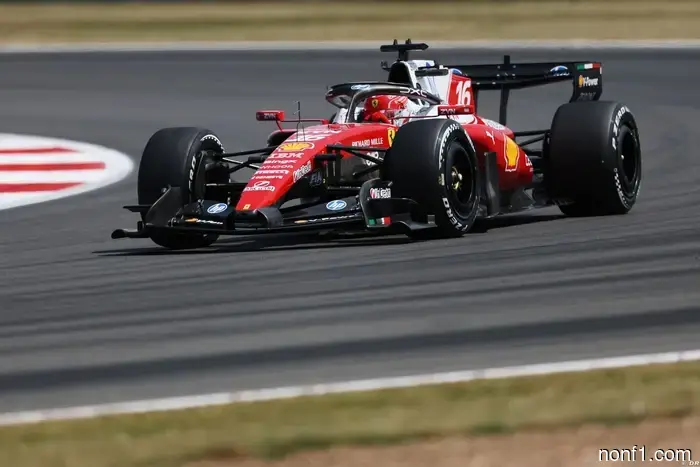 Ferrari is prepared to take its first laps in Formula 1 at Madring.
Formula 1 | Ferrari appears poised to be the first team to test at Madrid's new Madring circuit in anticipation of this year's inaugural Spanish Grand Prix. Spanish (…)
Ferrari is prepared to take its first laps in Formula 1 at Madring.
Formula 1 | Ferrari appears poised to be the first team to test at Madrid's new Madring circuit in anticipation of this year's inaugural Spanish Grand Prix. Spanish (…)
 Report: Mateschitz is becoming frustrated with Verstappen.
Formula 1 | Recent reports from the Netherlands indicate that tensions between Max Verstappen and Red Bull are intensifying, with both parties becoming more (…)
Report: Mateschitz is becoming frustrated with Verstappen.
Formula 1 | Recent reports from the Netherlands indicate that tensions between Max Verstappen and Red Bull are intensifying, with both parties becoming more (…)
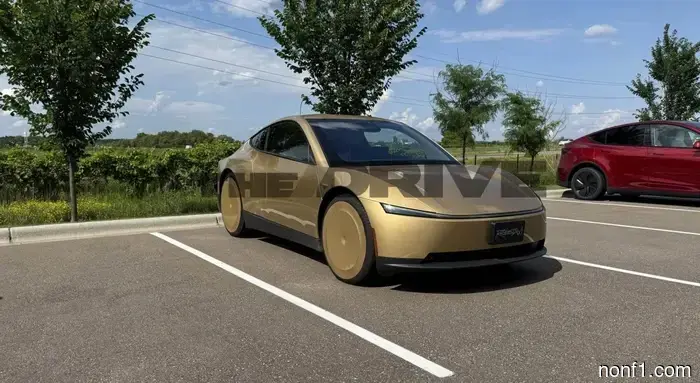 Two Tesla Cybercabs have just arrived in Minneapolis, and the reason for their presence remains unknown.
A reader discovered the gold two-seater vehicles parked outside a Tesla-owned office in Brooklyn Park, and the VINs indicate they are early production models.
Two Tesla Cybercabs have just arrived in Minneapolis, and the reason for their presence remains unknown.
A reader discovered the gold two-seater vehicles parked outside a Tesla-owned office in Brooklyn Park, and the VINs indicate they are early production models.
Here's What Four Years in a River Does to a GM 6.2L V8
What you definitely want to avoid is having mud, rust, and stagnant river water in your LS.