
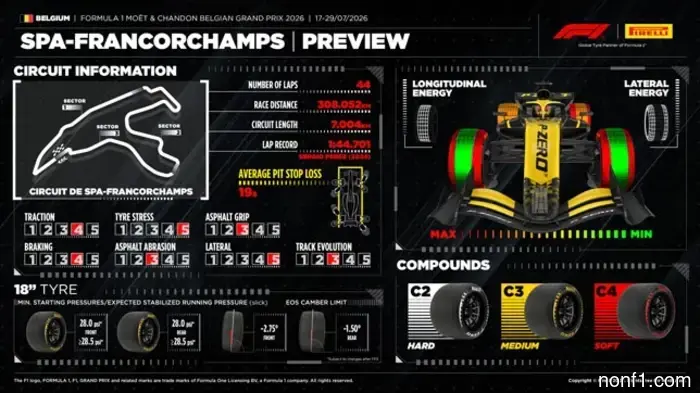
Pirelli: The stage in Belgium will be a test for the teams.
At the Belgian Grand Prix, Pirelli will bring the medium hardness compounds C2, C3, and C4. In terms of tire loads, Spa is among the most challenging tracks on the calendar, although it falls short compared to Suzuka and Silverstone in this regard.
The most famous section remains the Eau Rouge – Raidillon combination, where several high-speed corners are on a steep ascent, after which the cars exit onto the Kemmel straight. Recently, special grooves have appeared in the asphalt in this section, which improve water drainage and visibility in rainy conditions.
A few years ago, the track was completely resurfaced, so at the beginning of the race weekend, the level of grip is usually low. However, after the recent 24 Hours of Spa marathon, several layers of used rubber remain on the asphalt, which should improve grip.
All three sectors of the track are noticeably different from each other, making the search for optimal settings a traditionally challenging task for engineers.
The first sector is the fastest and includes a long straight where overtakes most often occur. The second is more technical, with medium-speed corners, many of which are inclined. The third sector features smooth corner combinations and a gradual ascent.
This year, the new aerodynamic rules should make it easier to find a compromise between downforce and maximum speed. Teams will be able to use a higher level of downforce in the technical sectors while employing a mode with less air resistance on the straights.
As demonstrated at Silverstone, effective management of the electrical energy reserve of the power unit will also be crucial.
The track is located in the Ardennes forest, where a unique microclimate has developed. During rain, clouds linger here longer than in neighboring areas, causing the asphalt to dry unevenly. It is not uncommon for one part of the track to remain wet while another is completely dry, making the choice between slicks and intermediates particularly challenging.
Temperature can also have a significant impact on the weekend's proceedings. During the 24 Hours of Spa marathon, which took place at the end of June, the asphalt temperature exceeded 55°C. In such conditions, thermal degradation of the tires increases, raising the likelihood of a two-stop strategy.
At the same time, Pirelli expects that in the Sunday race, the two hard compounds from the brought lineup will play a major role.
Other articles
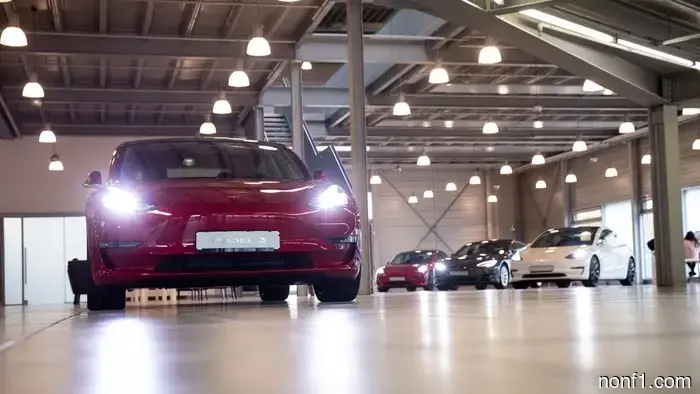 Automakers believe they shouldn't be responsible for addressing excessively bright headlights.
Over the last four years, GM and now Tesla have attempted to avoid recalls by claiming that excessively bright headlights are "insignificant" to safety. However, the public disagrees.
Automakers believe they shouldn't be responsible for addressing excessively bright headlights.
Over the last four years, GM and now Tesla have attempted to avoid recalls by claiming that excessively bright headlights are "insignificant" to safety. However, the public disagrees.
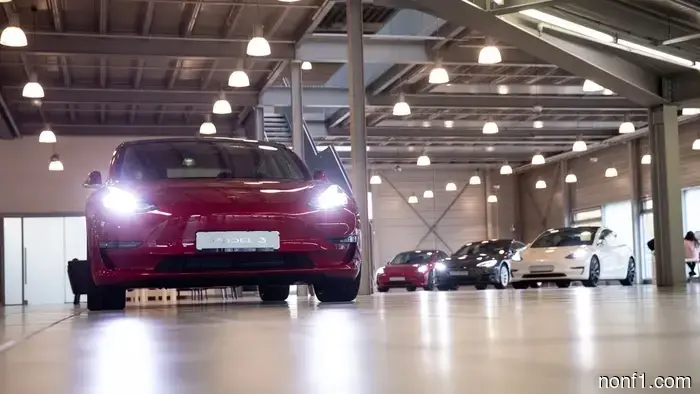 Automakers believe they shouldn’t be responsible for addressing the issue of excessively bright headlights.
Over the last four years, both GM and Tesla have attempted to evade recalls by claiming that headlights that are illegally bright are "insignificant" to safety. The public, however, disagrees.
Automakers believe they shouldn’t be responsible for addressing the issue of excessively bright headlights.
Over the last four years, both GM and Tesla have attempted to evade recalls by claiming that headlights that are illegally bright are "insignificant" to safety. The public, however, disagrees.
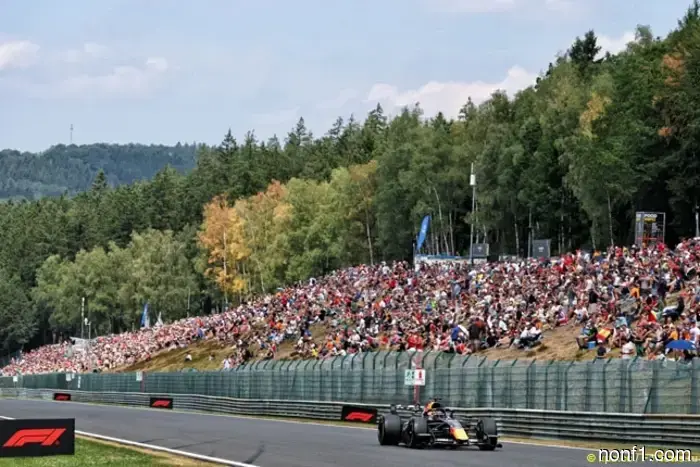 Ferrari has been fined ten thousand euros.
The stewards of the Belgian Grand Prix fined the Ferrari team for not returning the tire sets from Charles Leclerc's and Lewis Hamilton's cars after the first practice session before the start of the second free practice session.
Russell: I have to pilot more consciously.
George Russell said that he had to change his driving style due to the characteristics of the new generation car, and this affected his results in the first half of the season.
Ferrari has been fined ten thousand euros.
The stewards of the Belgian Grand Prix fined the Ferrari team for not returning the tire sets from Charles Leclerc's and Lewis Hamilton's cars after the first practice session before the start of the second free practice session.
Russell: I have to pilot more consciously.
George Russell said that he had to change his driving style due to the characteristics of the new generation car, and this affected his results in the first half of the season.
 Lance Stroll: The result meets expectations
On Friday in Spa, three drivers worked for Aston Martin. Lance Stroll completed both practice sessions, while Jack Crawford replaced Fernando Alonso in the first one. In both sessions, the Aston Martin drivers were more than five seconds behind the leaders.
Oscar Piastri does not intend to respond to rumors.
McLaren management and Mark Webber, Piastri's manager, are categorically denying rumors about the Australian possibly moving to another team, and now the 25-year-old driver himself has also spoken on the matter...
Lance Stroll: The result meets expectations
On Friday in Spa, three drivers worked for Aston Martin. Lance Stroll completed both practice sessions, while Jack Crawford replaced Fernando Alonso in the first one. In both sessions, the Aston Martin drivers were more than five seconds behind the leaders.
Oscar Piastri does not intend to respond to rumors.
McLaren management and Mark Webber, Piastri's manager, are categorically denying rumors about the Australian possibly moving to another team, and now the 25-year-old driver himself has also spoken on the matter...
Pirelli: The stage in Belgium will be a test for the teams.
At the Belgian Grand Prix, Pirelli will bring the medium hardness compounds C2, C3, and C4. In terms of tire loads, Spa is among the most challenging tracks on the calendar, although it is surpassed in this regard by Suzuka and Silverstone.