
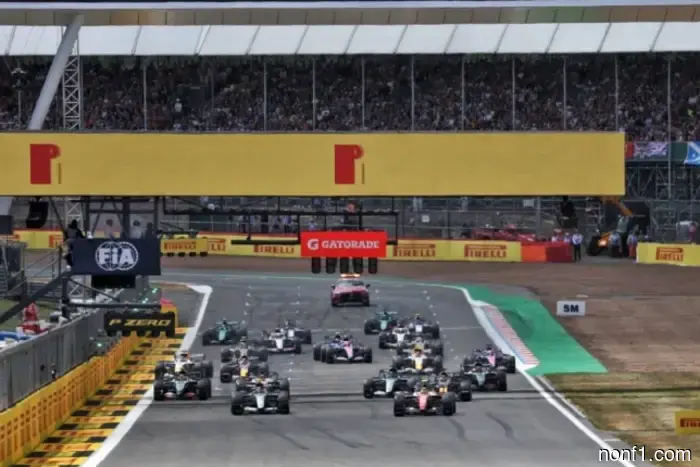
The increase in the number of sprints will have consequences.
Already next year, the number of stages that include a sprint will increase from six to nine, but it is also possible that it could go up to ten. At the same time, there are already opinions that this is not enough. For example, Flavio Briatore, in a recent interview with The Race, mentioned that he personally would hold short Saturday races every weekend of the season.
"If it were up to me, I would hold sprints at all stages because we need to give more to the spectators," said the effective head of the Alpine F1 team. "Friday gives them nothing, as teams only solve technical tasks during practice. Saturday has qualifying – and that's it, then there's only the Sunday race.
But with a sprint in the weekend program, there are two races, which means two starts, and on Saturday, drivers also try to earn points, rather than just solving some engineering problems. Therefore, I believe there should be 24 races and 24 sprints."
Interest in short Saturday races is indeed high, not only from fans – this is desired by racetrack owners, television companies, and sponsors as well. During such weekends, public attention to Formula 1 is clearly higher, starting from Friday when qualifying for the sprint takes place immediately after the only practice session.
Since teams have less time to find fine-tuning for their cars, this increases the likelihood of mistakes and surprises, and the results of both qualifying sessions are often somewhat unexpected.
However, the Italian Gazzetta dello Sport rightly notes that with an increase in the number of sprints, certain consequences will need to be considered. When such races take place at six stages, it allows for an additional 48 points to be earned if all sprints are won. But if there are ten, that’s already 80 points, which can significantly affect the battle for the main trophies of the championship.
Here it makes sense to pay attention to the experience of MotoGP, where starting in 2023, sprints are included in the program of each stage of the season. In terms of spectacle, everything is wonderful, and the ratings of the motorcycle racing world championship have increased, but the results of Saturday races become a factor that determines the fate of the title.
The example of the 2024 season is particularly evident in this regard: Francesco Bagnaia, a rider for the factory Ducati team, won 11 Grands Prix, but at the end of the season lost the championship victory, and the title went to Jorge Martin, who raced on the same motorcycle but for Pramac Racing. The Spaniard scored 10 more points, including due to his successes in the sprints, while Bagnaia sometimes made mistakes on Saturdays and lost points.
It is possible that something similar could happen in Formula 1 – however, the likelihood of this is still lower, as there are fewer sprints. At least, for now, until Liberty Media follows Briatore's advice.
Of course, there is another aspect, as the more Saturday races there are, the more opportunities there are for those drivers who, for various reasons, were unlucky in previous stages to make a comeback. On the other hand, the likelihood of mistakes also increases, thus raising the risk of damaging the equipment, and injuries can also occur. In motorcycle racing, this risk is particularly high, but it is not insignificant in Formula 1 either.
And if a car is damaged, the team will have to quickly eliminate the consequences of the accident to prepare for qualifying. In any case, this will affect the preparation for the Sunday Grand Prix and lead to a noticeable increase in costs.
It is likely that one of the important points will be adhering to the principle of reasonable sufficiency: sprints at all stages are still excessive. Therefore, Formula 1 is carefully studying the experience of MotoGP, as well as its own experience, and we hope they can find a reasonable limit, as when something becomes too much, it is also bad.
Other articles
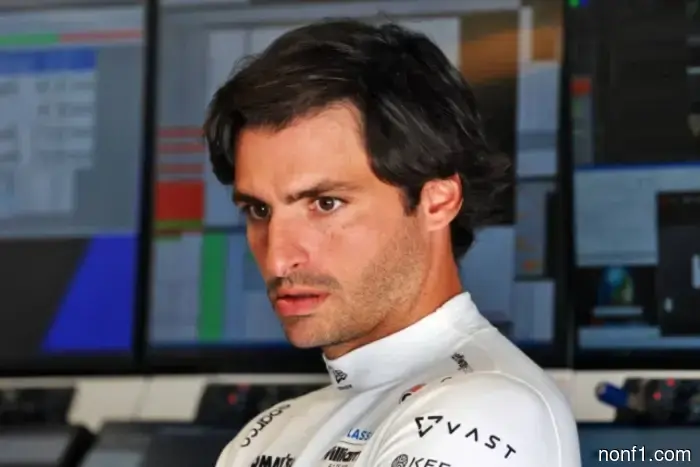 Carlos Sainz is negotiating only with Williams.
The Spanish newspaper Marca reports that Carlos Sainz's negotiations with Williams are ongoing, and the driver is not considering any other options for 2027 besides continuing his collaboration with this team...
Carlos Sainz is negotiating only with Williams.
The Spanish newspaper Marca reports that Carlos Sainz's negotiations with Williams are ongoing, and the driver is not considering any other options for 2027 besides continuing his collaboration with this team...
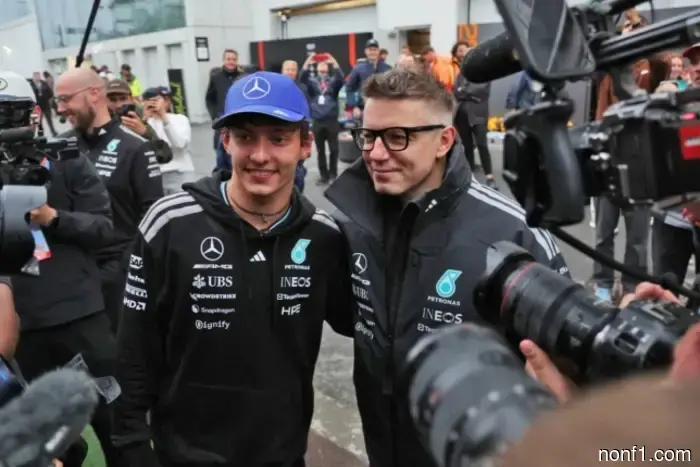 Wolff: Kimi conveys the calm demeanor of his engineer.
Kimi Antonelli is leading the individual standings of the championship with a 50-point advantage, and the head of the Mercedes team believes that this is largely due to the work with Peter Bonnington...
Wolff: Kimi conveys the calm demeanor of his engineer.
Kimi Antonelli is leading the individual standings of the championship with a 50-point advantage, and the head of the Mercedes team believes that this is largely due to the work with Peter Bonnington...
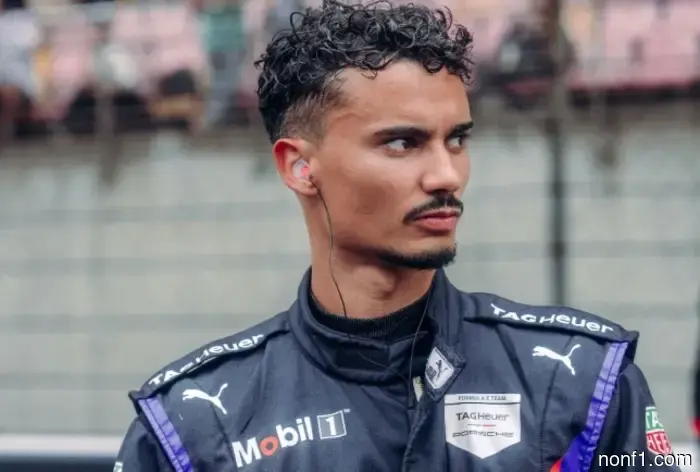 Formula E: Verlaine proposed banning radio communications
Before the season finale, Pascal Wehrlein expressed concerns that the tactics of certain teams could influence the course of the battle, and it is this, rather than the rivalry on the track, that will determine the fate of the title...
Formula E: Verlaine proposed banning radio communications
Before the season finale, Pascal Wehrlein expressed concerns that the tactics of certain teams could influence the course of the battle, and it is this, rather than the rivalry on the track, that will determine the fate of the title...
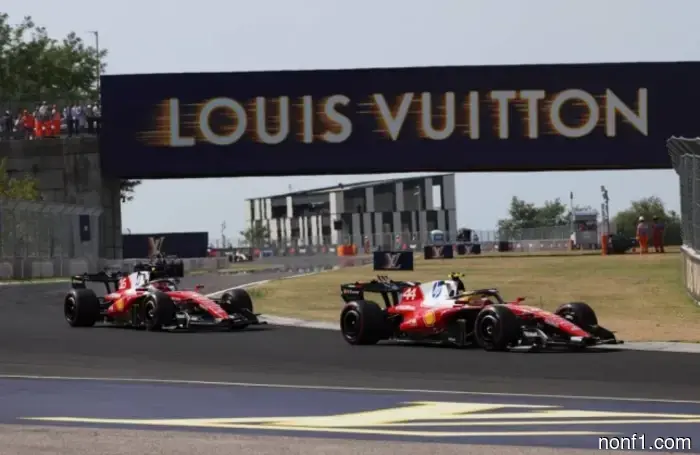 Ferrari is preparing to test a new floor in Zandvoort.
The two stages of the season following the August break will be very important for Ferrari and will largely determine how successful the second half of the championship will be for the Italian team...
Ferrari is preparing to test a new floor in Zandvoort.
The two stages of the season following the August break will be very important for Ferrari and will largely determine how successful the second half of the championship will be for the Italian team...
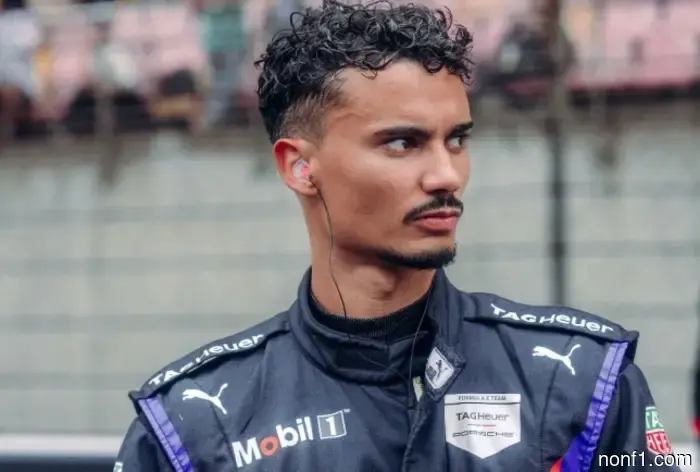 Formula E: Verlaine proposed to ban radio communications
Before the season finale, Pascal Wehrlein expressed concerns that the tactics of certain teams could influence the course of the battle, and it is this, rather than on-track rivalry, that will determine the fate of the title...
Formula E: Verlaine proposed to ban radio communications
Before the season finale, Pascal Wehrlein expressed concerns that the tactics of certain teams could influence the course of the battle, and it is this, rather than on-track rivalry, that will determine the fate of the title...
The increase in the number of sprints will have consequences.
Already next year, the number of stages that include a sprint will increase from six to nine, but it is also possible that it will reach ten. At the same time, opinions are already being expressed that this is not enough...