
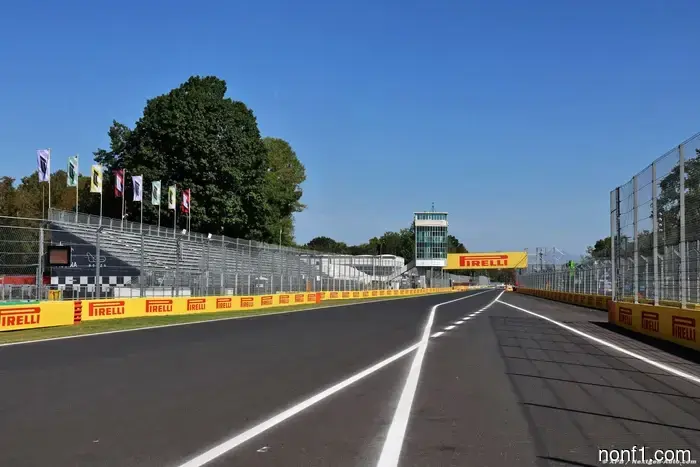
The energy crisis in Monza reveals the shortcomings of the 2026 regulations.
“It’s going to be very painful.”
Formula 1 is preparing for a significant illustration of the limits of the new regulations at Monza, as it has been revealed that races will be shortened starting in 2027 to allow for another technical modification. Fernando Alonso anticipates the energy conditions at the famed 'Temple of Speed' to be among the poorest of the season. "It will be worse than Silverstone and Suzuka. Along with Las Vegas, it’s the worst on the calendar," he remarked. Max Verstappen shared a similarly bleak outlook. "It’s going to be very painful," the Dutch driver stated. "We simply need to be cautious with the accelerator, to put it simply." Lewis Hamilton noted that drivers might approach braking zones at speeds 20 or 30 kph slower than in previous years due to a depletion of electrical energy. "It was always incredible to come here and hear the engine screaming at the end of the straight, pulling and pulling into the braking zone," he explained. "That won’t be the situation this weekend. Likely, drivers will be downshifting before reaching the braking zone, which for me, doesn’t feel optimal." Pierre Gasly mentioned that Monza might actually push Formula 1 toward better regulations. "I’m not here to criticize," the Alpine driver began. "I just believe that today’s track will expose the limitations of these regulations. Monza is the Temple of Speed, but unfortunately, we’re going to experience slightly reduced speeds." Carlos Sainz anticipates that 'yo-yo' racing will return on Sunday, with cars overtaking only to become susceptible again immediately after. "If you overtake, you’ll be overtaken again on the next lap," the Spanish driver commented. "I prefer the classic Monza, when the engines didn’t lose power halfway down the straight." However, championship leader Kimi Antonelli offers a slightly more positive perspective following simulator testing, stating that the FIA’s revised harvesting limits should lessen the extreme straight-line deceleration. "I think overall, it’s going to be much better than we all expected," the Italian said. It has also come to light that teams have unanimously agreed to reduce typical Grand Prix distances by about five percent in 2027—from approximately 305 km to 290 km—as the internal combustion component of the power unit is enhanced. The shorter races will eliminate the need for costly redesigns to increase fuel tank and chassis size.
Other articles
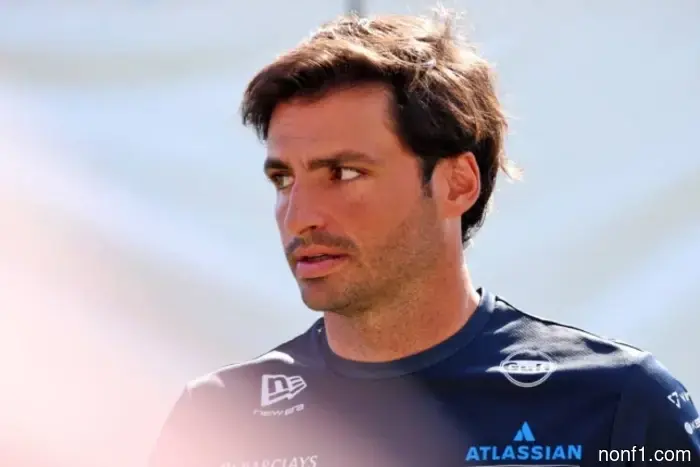 Carlos Sainz: I don't rule out that the race will be fun.
Carlos Sainz believes that Williams may fare better in Monza than in several previous stages of the season, although the difference will not be very noticeable...
Carlos Sainz: I don't rule out that the race will be fun.
Carlos Sainz believes that Williams may fare better in Monza than in several previous stages of the season, although the difference will not be very noticeable...
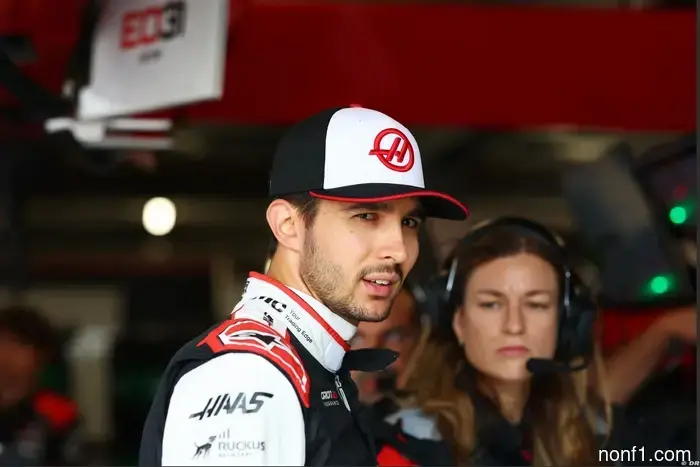 Ocon's position at Haas is now officially in jeopardy.
Formula 1 | Ayao Komatsu has publicly stated for the first time that Esteban Ocon is among the five drivers competing for one Haas seat in 2027. The (…)
Ocon's position at Haas is now officially in jeopardy.
Formula 1 | Ayao Komatsu has publicly stated for the first time that Esteban Ocon is among the five drivers competing for one Haas seat in 2027. The (…)
 Italian Grand Prix: Stage Preview
There are eleven stages ahead in 14 weeks. Autumn will fly by quickly!
Stefano Domenicali on the present and future of Formula 1...
In the Monza paddock, Formula 1 CEO Stefano Domenicali spoke about the calendar, sprint events, and future plans...
Italian Grand Prix: Stage Preview
There are eleven stages ahead in 14 weeks. Autumn will fly by quickly!
Stefano Domenicali on the present and future of Formula 1...
In the Monza paddock, Formula 1 CEO Stefano Domenicali spoke about the calendar, sprint events, and future plans...
 Lando Norris: McLaren is my family!
Lando Norris won the last two races, extended his contract with McLaren, announced the creation of his own team – and arrived in Monza in great spirits…
In Monza, the 20th anniversary of the animated film "Cars" will be celebrated.
As part of the Formula 1 partnership with Disney, the 20th anniversary of the release of the animated film "Cars" will be celebrated during the weekend in Monza.
Lando Norris: McLaren is my family!
Lando Norris won the last two races, extended his contract with McLaren, announced the creation of his own team – and arrived in Monza in great spirits…
In Monza, the 20th anniversary of the animated film "Cars" will be celebrated.
As part of the Formula 1 partnership with Disney, the 20th anniversary of the release of the animated film "Cars" will be celebrated during the weekend in Monza.
The energy crisis in Monza reveals the shortcomings of the 2026 regulations.
Formula 1 is preparing for one of the most evident showcases of the shortcomings of the new regulations era at Monza, as it has come to light that races (…)