
Dodge CEO Questions ‘Is a Radio Necessary?’ in Effort to Focus on Basic Entry-Level Vehicles
**Stellantis**
The most significant news and reviews in the automotive world, no nonsense.
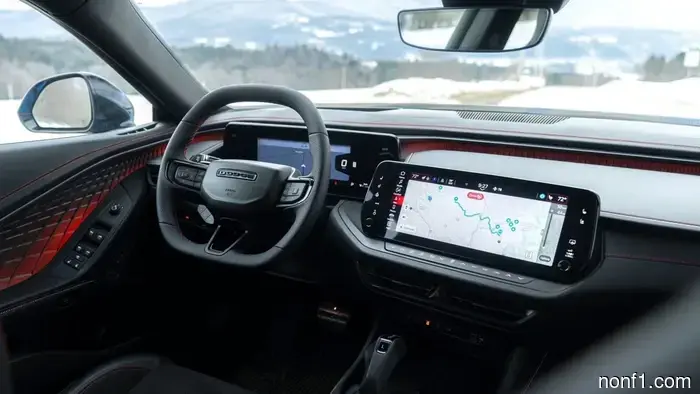
Dodge is currently assessing its role in the automotive landscape, especially as its best-selling model disappears and V8 engines re-emerge. The Durango has successfully compensated for lost sales, but the brand's former emphasis on accessible, affordable performance seems to be diminishing. CEO Matt McAlear suggests it could regain that focus through a “back-to-basics” strategy.
“The primary thing we need to do is challenge the industry’s expectations for entry-level vehicles,” McAlear told The Drive’s Joel Feder during the 2026 New York Auto Show. “And I don’t refer to that in terms of being cheap—I mean it in the sense of ‘back-to-basics.’ Analog gauges. Is a radio necessary? Could we have speakers that you connect via Bluetooth instead?”
“We have to move forward and potentially make people uncomfortable, but provide them with something they didn’t realize they desired,” the CEO elaborated. “This is a broad industry trend; it’s essential to be innovative in your mainstream offerings. But when you consider a brand like Dodge, we have the capability to completely revolutionize a segment and introduce products that take people by surprise. We’ve accomplished this historically, as we did with the original Viper.”
This proposed transformation of what constitutes a modern car is underway, though Dodge is not currently at the forefront—at least not at this moment. The forthcoming Slate electric truck aims to challenge customers' expectations of comfort, as its least expensive version will not include a radio or power windows, although there will be a space designated for a Bluetooth speaker.
Simultaneously, automakers must navigate regulatory requirements. Backup cameras serve as a typical example. Additionally, two years ago, the National Highway Traffic Safety Administration, under a previous Department of Transportation, instituted a new regulation mandating automatic emergency braking in new vehicles.
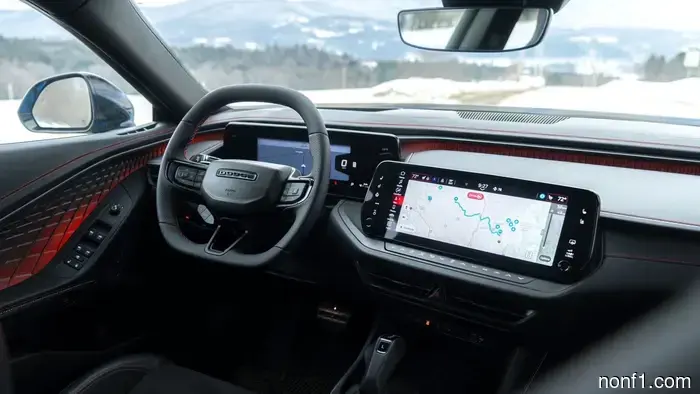
While analog gauges may appear to be a low-tech and thus cost-effective alternative, many automakers today opt for digital screens due to their lower expense compared to physical components and buttons. Moreover, regulations stipulate that at least one in-car screen is necessary for the mandatory backup cameras.
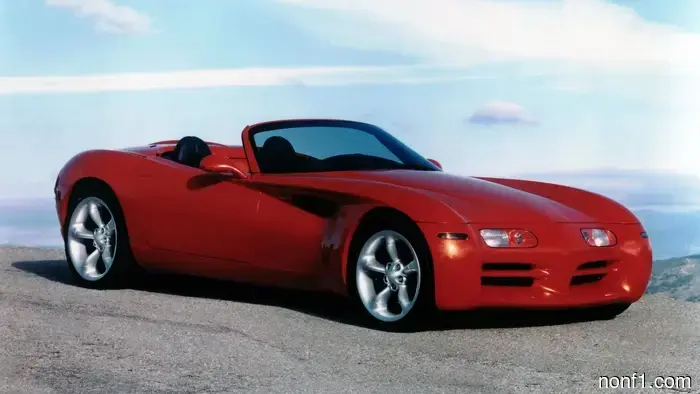
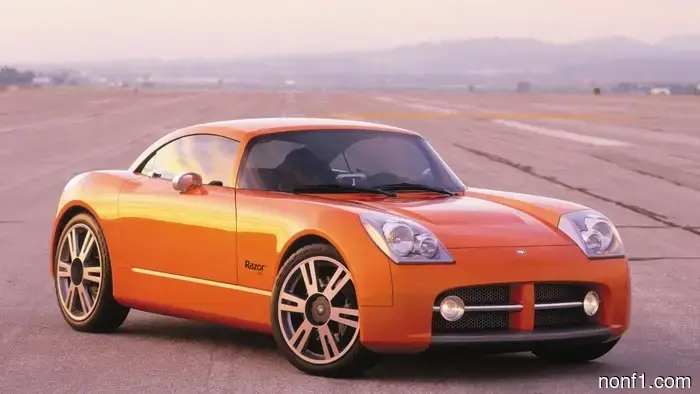
Dodge has proposed numerous exciting ideas for an entry-level Viper over the years, such as the Copperhead, but these concepts never progressed beyond the design phase.
Regarding affordability, innovation, and the Viper, it's noteworthy that Dodge has toyed with the idea of a budget-friendly sports car for decades but has never fully embraced the opportunity. There was the exhilarating Neon SRT-4, and at one point, it seemed the brand might recapture that essence with a GLH-badged Hornet. Prior to that, there were concepts like the Copperhead— a lightweight, rear-wheel-drive roadster focused on handling, boasting a unique design unlike anything before or after.
The Copperhead deserved to be produced. Three decades later, Dodge’s focus seems to lean more towards power than pure enjoyment, but it doesn’t have to be that way. I would even consider purchasing one without a radio.
Have a tip? Contact tips@thedrive.com.
Other articles
 Dodge's CEO Remains ‘Completely’ Confident There’s Potential for a Sports Car Priced Under $30,000.
Even the Mazda Miata has a starting price of over $30k these days; is there still space in the market for affordable, enjoyable vehicles?
Dodge's CEO Remains ‘Completely’ Confident There’s Potential for a Sports Car Priced Under $30,000.
Even the Mazda Miata has a starting price of over $30k these days; is there still space in the market for affordable, enjoyable vehicles?
 Gina Schumacher shares her thoughts on her father in a rare new documentary.
Formula 1 | An uncommon and heartfelt glimpse into Michael Schumacher's life has surfaced, as his daughter Gina-Maria shares openly in a recent documentary (…)
Gina Schumacher shares her thoughts on her father in a rare new documentary.
Formula 1 | An uncommon and heartfelt glimpse into Michael Schumacher's life has surfaced, as his daughter Gina-Maria shares openly in a recent documentary (…)
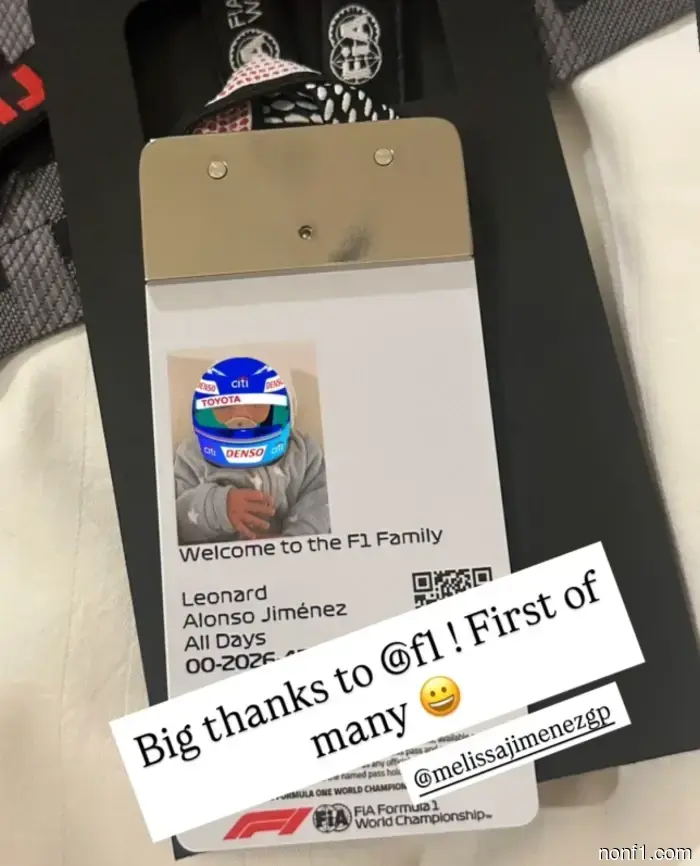 Alonso's son is not named as the press hastily announced.
Last week, several Spanish television channels rushed to announce that Fernando Alonso's newborn son is named... Fernando Alonso. But it turned out that this is not true...
Alonso's son is not named as the press hastily announced.
Last week, several Spanish television channels rushed to announce that Fernando Alonso's newborn son is named... Fernando Alonso. But it turned out that this is not true...
 Artiga, Jacama, Avatar? Check Out the Names Acura Considered and Discarded.
James Cameron ought to be thankful that Honda provided the luxury brand's name with another opportunity for refinement.
Artiga, Jacama, Avatar? Check Out the Names Acura Considered and Discarded.
James Cameron ought to be thankful that Honda provided the luxury brand's name with another opportunity for refinement.
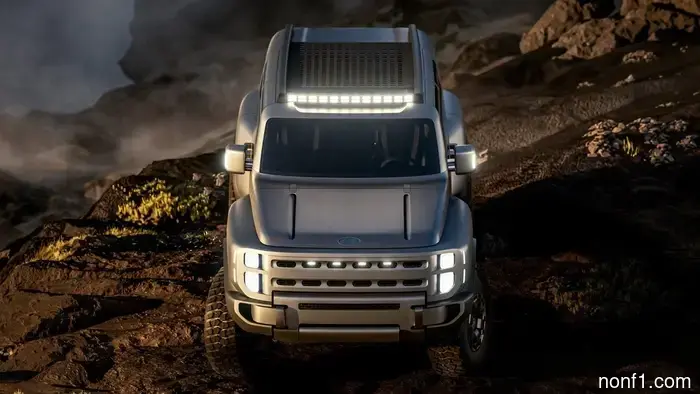 Midsize trucks face the same issues across the board. Hyundai believes it has the solution.
To begin with, how about a back seat that can comfortably accommodate adult passengers?
Midsize trucks face the same issues across the board. Hyundai believes it has the solution.
To begin with, how about a back seat that can comfortably accommodate adult passengers?
 Gina Schumacher shares insights about her father in a rare new documentary.
Formula 1 | A unique and heartfelt glimpse into Michael Schumacher's life has been revealed, as his daughter Gina-Maria shares openly in a new documentary (...)
Gina Schumacher shares insights about her father in a rare new documentary.
Formula 1 | A unique and heartfelt glimpse into Michael Schumacher's life has been revealed, as his daughter Gina-Maria shares openly in a new documentary (...)
Dodge CEO Questions ‘Is a Radio Necessary?’ in Effort to Focus on Basic Entry-Level Vehicles
Dodge CEO Matt McAlear emphasized a "back-to-basics" philosophy in automotive production, urging individuals to consider what features are essential in affordable vehicles.