
How the Creator of Gran Turismo Inserted a Simulation into a Mario Kart Competitor to Convince Sony Executives
The latest car news and reviews, straight to the point
Our free daily newsletter delivers the important stories right to your inbox every weekday.
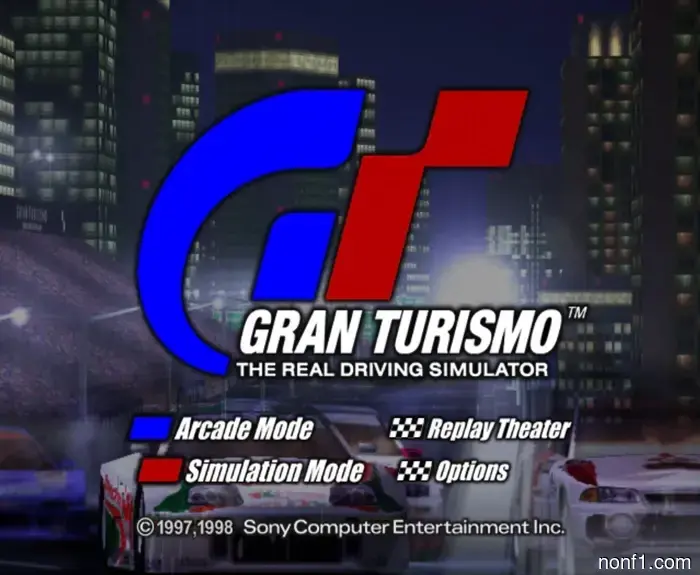
Every great idea starts with a pitch, often a bold one, and Gran Turismo is no exception. One might think Sony swiftly approved the idea for The Real Driving Simulator, considering its eventual success. However, it took years and quite a bit of persuasion for the project to take off. Interestingly, it has ties to Mario Kart.
Enthusiastic GT fans are likely aware of this backstory, but as time goes on, it has mostly slipped from public memory. The saga begins in the early ’90s with Kazunori Yamauchi, an employee in a small segment of Sony Music Japan that later evolved into Sony Computer Entertainment, focused on publishing video games. The PlayStation was not yet on the scene, and those who know gaming history are aware it was originally meant to be very different. Yamauchi's first role at Sony involved creating end credits for Super Nintendo games, which he described to Game Informer years later as “slightly boring.”
When the PlayStation project gained momentum around 1993, Yamauchi was brought on to create games for it. He came up with “over 100” concepts across various genres, but his main ambition was to design a driving simulator featuring licensed cars. He pitched the idea to Sony executives but met resistance. "At the time, it was a radical idea, and convincing the higher-ups to support it was challenging," Yamauchi recalled in an interview with PlayStation Blog.
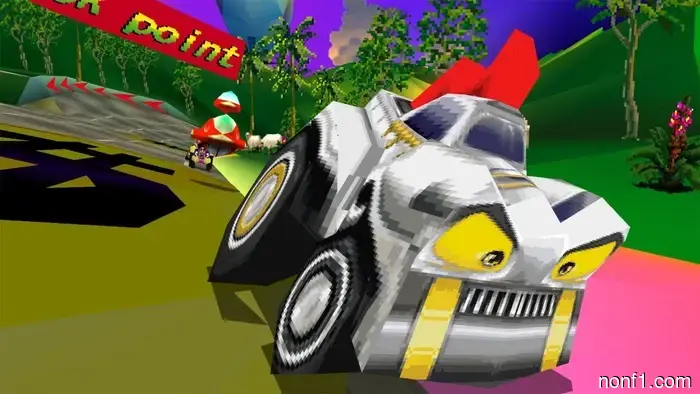
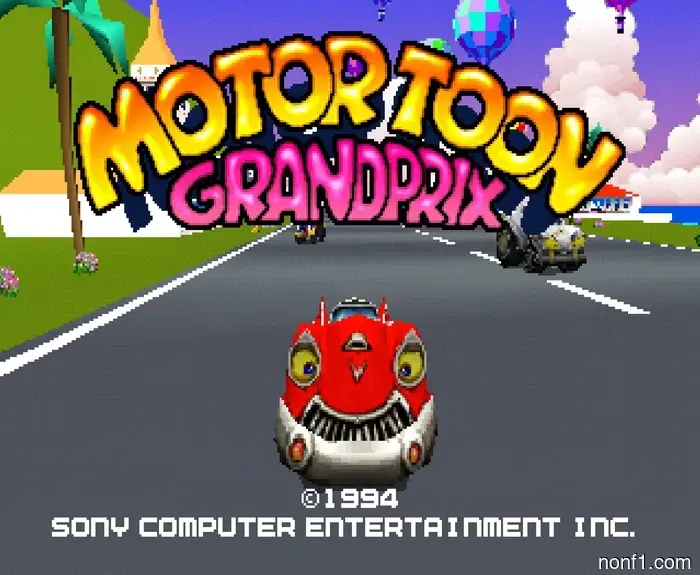
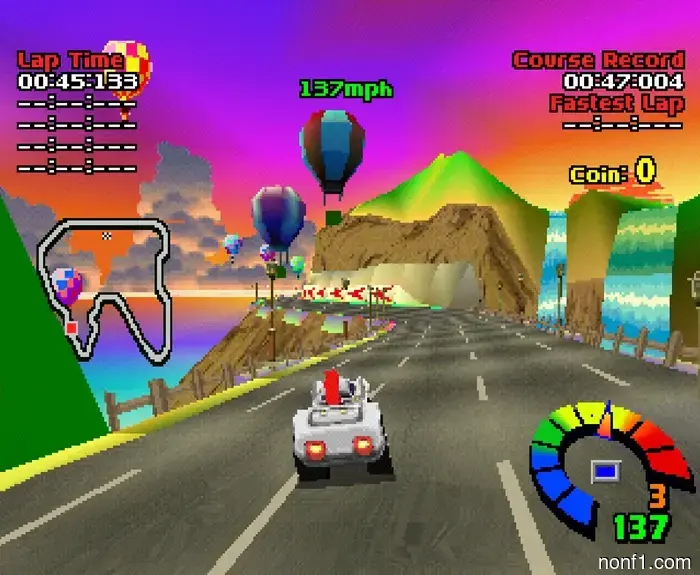
Fortunately, he didn’t give up. Instead, executives approved a different driving game that was more family-friendly and whimsical. It was essentially Sony's response to Mario Kart, featuring original cartoonish characters, vibrant visuals, and lively music. Named Motor Toon Grand Prix, it launched shortly after the PlayStation in Japan in December 1994, marking the debut of Polys Entertainment, which described itself as a "New Generation Game-Making Project."
Motor Toon Grand Prix never made it to the United States, but it isn’t overly laden with Japanese language for those who can’t read it, and I recommend trying it out simply for how enjoyable it is to play. The handling is straightforward yet substantial, favoring drifting without feeling jerky or uncomfortable, unlike the initial Ridge Racer games.
Steering these quirky vehicles feels intuitive, natural, and above all, fun. It also feels more grounded compared to Super Mario Kart, or its Nintendo 64 sequel, which was still two years away in 1994. Additionally, it's clever how the vehicle designs stretch, twist, and lean as they navigate corners, showcasing an innovative use of Sony’s “new-generation” 3D hardware that Polys was mastering, and it’s surprising that more kart games haven’t adopted this idea.
There's a clear reason why Motor Toon Grand Prix is so much fun. The physics system supporting these Tex Avery-style characters in their whimsical, sugary worlds was being developed secretly for a far more sophisticated racing simulator—Gran Turismo.
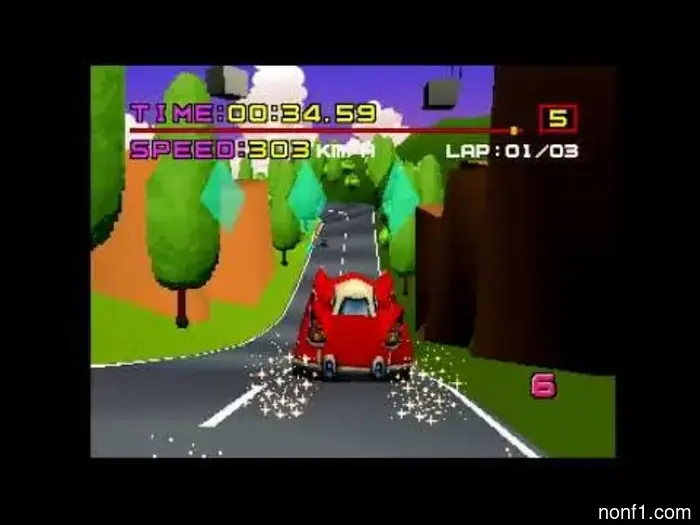
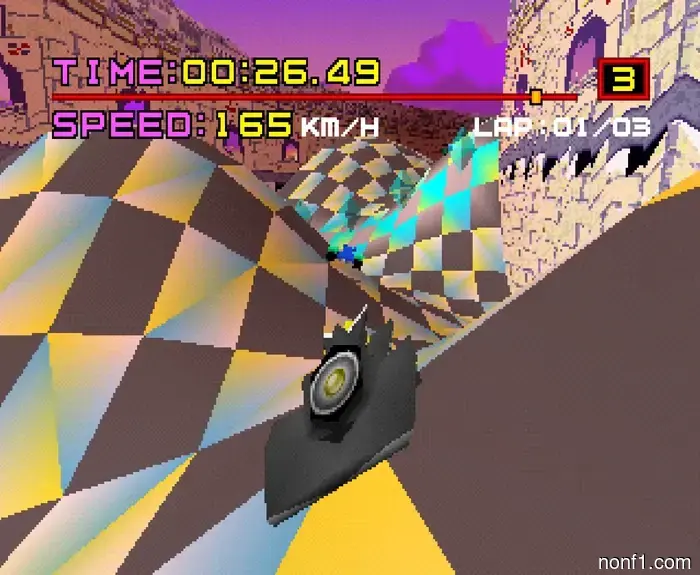
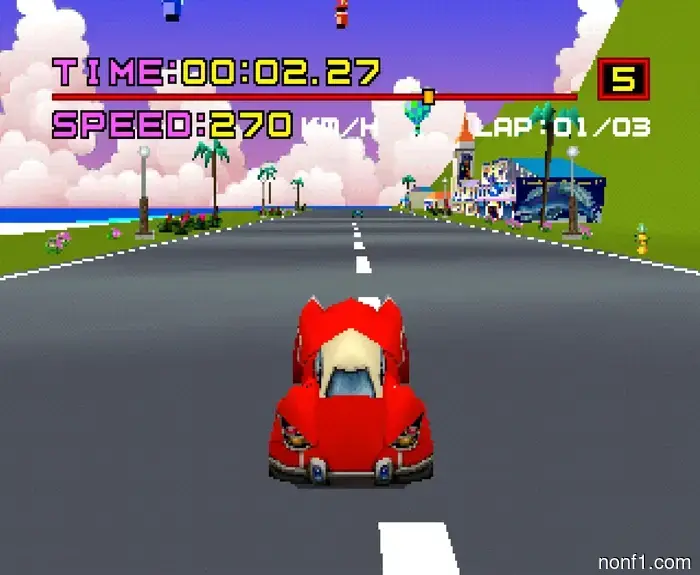
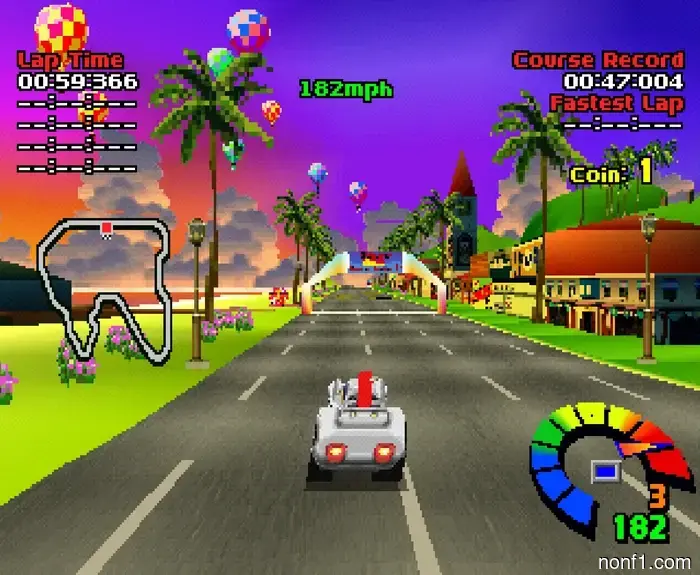
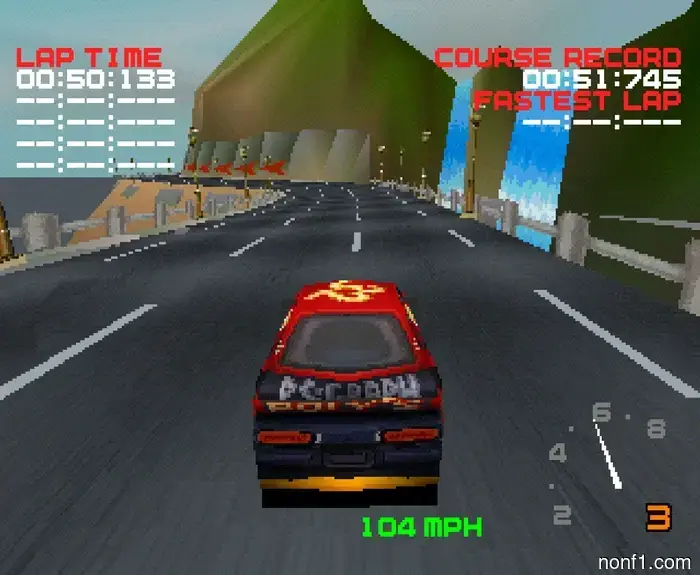
The first Motor Toon Grand Prix was among the earliest titles for the PlayStation, never appearing in North America. The screenshots below illustrate the same track in both MTGP and its sequel, MTGP2, demonstrating Polys Entertainment’s impressive mastery of the hardware in a mere 18 months.
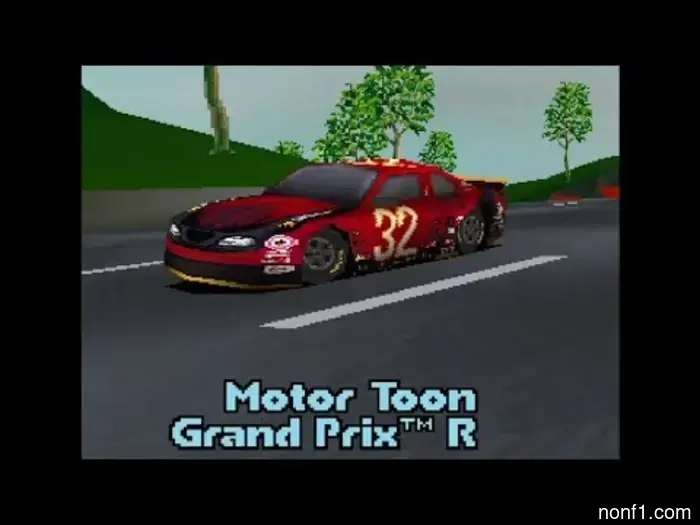
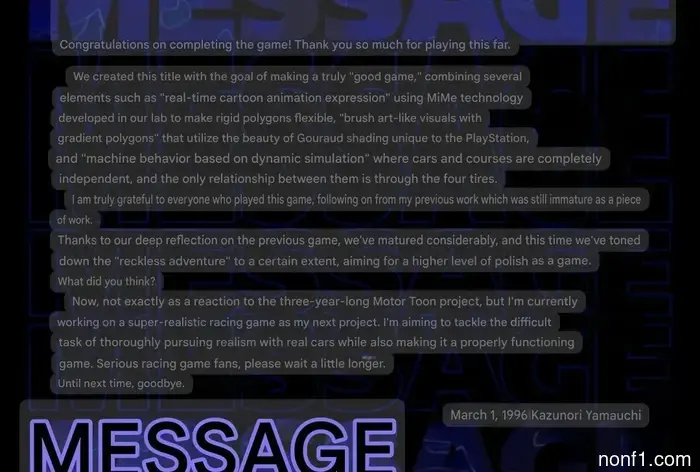
Those Sony executives were unaware that Polys, Yamauchi, and notably physics engineer Akihiko Tan (who still works on car simulations for Gran Turismo) had been laying the groundwork for the driving simulation they turned down as early as 1993. By mid-1996, they likely realized what was happening when Polys delivered a sequel, Motor Toon Grand Prix 2, which did reach the West and was released here simply as Motor Toon Grand Prix since the original never arrived.
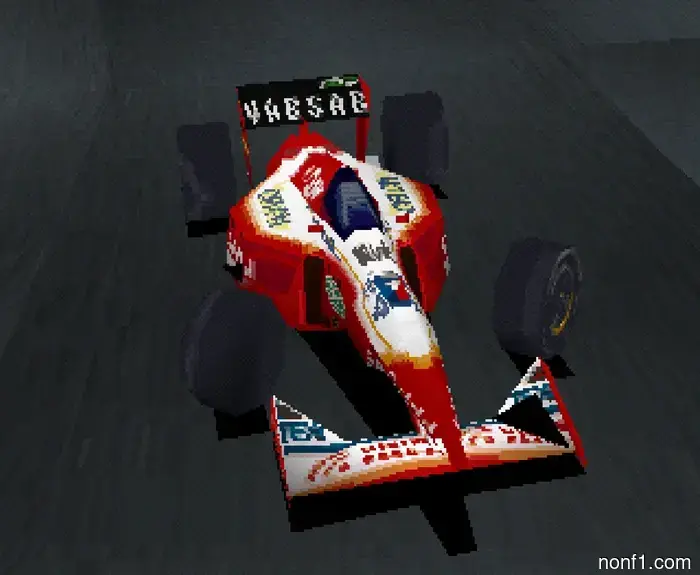
Motor Toon Grand Prix 2 is fascinating for several reasons. It's immediately apparent from the expanded character roster, richer and more intricate worlds, enhanced graphical effects, a robust weapon system, and the overall quantity and quality of content that Polys had gained considerable knowledge on how to optimize the PlayStation's hardware since their first attempt. The game constantly reminds players of this with visually stimulating menus filled with scrolling backgrounds and numerous rotating 3D elements, all running at 60 frames per second. However, as players win championships and unlock additional content, it becomes clear how deeply the team was exploring the hardware’s capabilities.
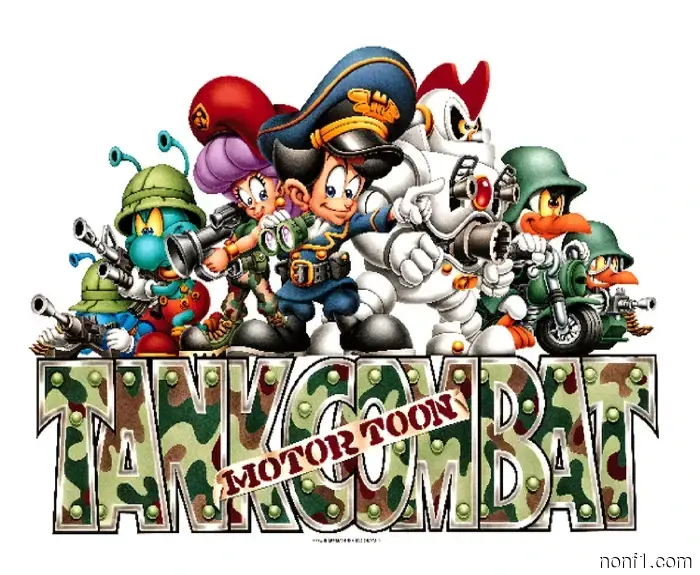
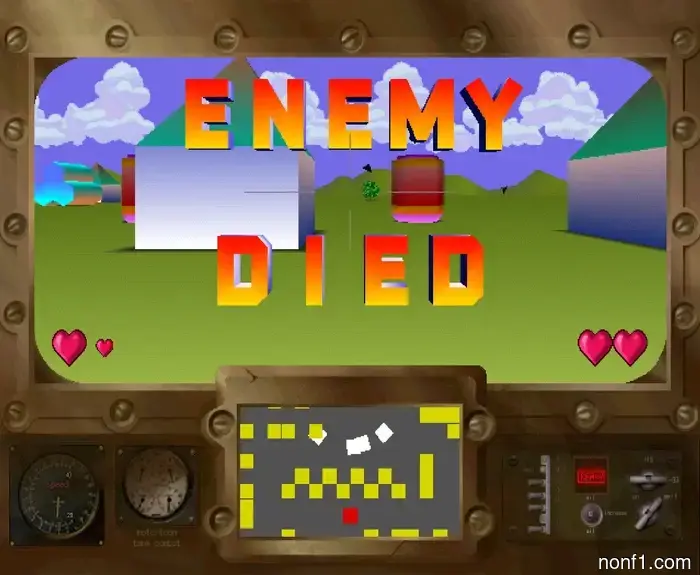
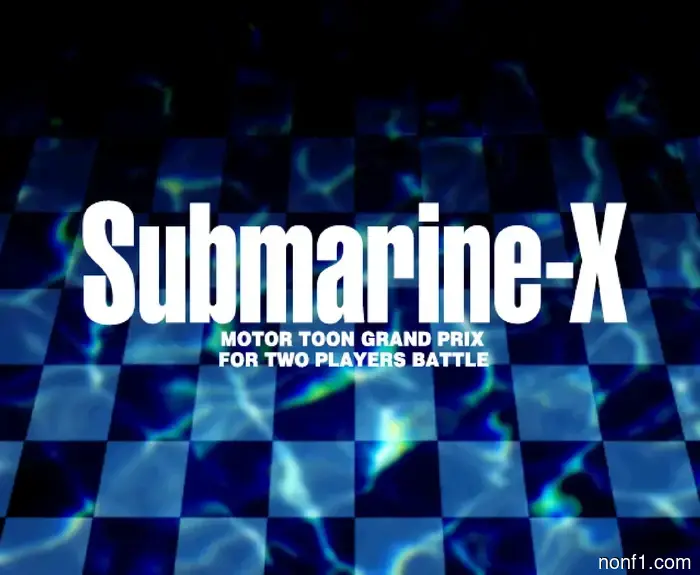
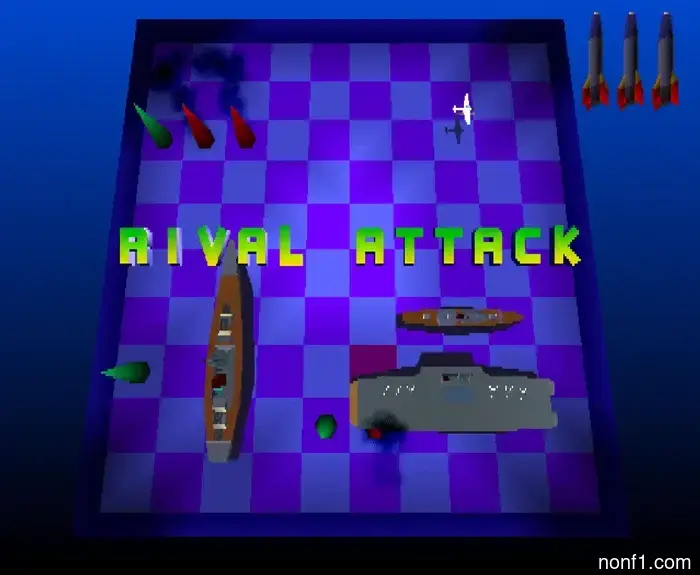
MTGP2 features three hidden mini-games, each charming in its own right as tech demonstrations. The first, “Tank Combat,” pits players in a first-person tank battle where the objective is to destroy the opponent before they can do the same. It operates in a windowed mode, allowing Polys to utilize the PlayStation’s higher-resolution 640x480 setting while achieving 60 fps, a rare feat for the console. Then there’s “Submarine X,” a clone of Battleship that uses various unique PS
Other articles
 69% Discount: DeWalt Battery Clearance Sale at The Home Depot Today
You can purchase a DeWalt two-battery and charger combo valued at $350 from The Home Depot today for a little over $100. Check here for this and other offers.
69% Discount: DeWalt Battery Clearance Sale at The Home Depot Today
You can purchase a DeWalt two-battery and charger combo valued at $350 from The Home Depot today for a little over $100. Check here for this and other offers.
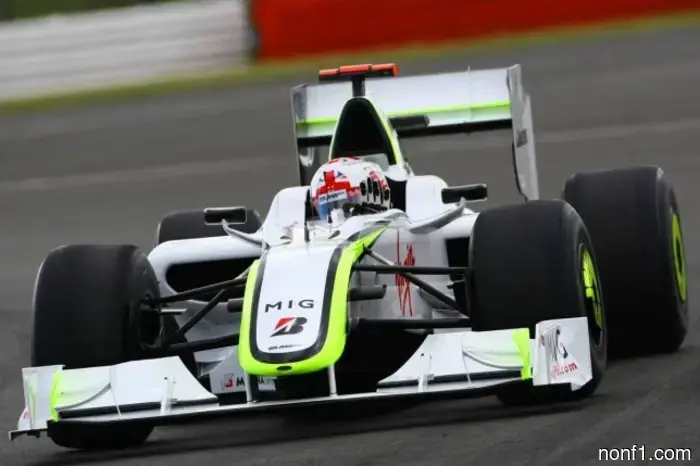 Button will return to the wheel of the championship car Brawn.
Jenson Button will once again take the wheel of his Brawn BGP 001 car, with which he won the World Championship in 2009. This will happen next weekend at the track in British Goodwood...
Button will return to the wheel of the championship car Brawn.
Jenson Button will once again take the wheel of his Brawn BGP 001 car, with which he won the World Championship in 2009. This will happen next weekend at the track in British Goodwood...
 John Elkann wants Andrea Stella to lead Ferrari?
The transition of Gianpiero Lambiasse to McLaren will be discussed for a long time, especially since it will only happen in 2028. Meanwhile, various versions of the further development of events that may be triggered by this news are already being put forward...
John Elkann wants Andrea Stella to lead Ferrari?
The transition of Gianpiero Lambiasse to McLaren will be discussed for a long time, especially since it will only happen in 2028. Meanwhile, various versions of the further development of events that may be triggered by this news are already being put forward...
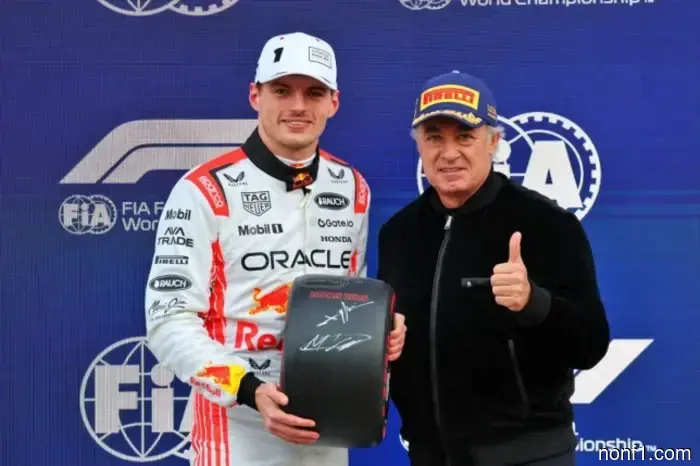 Alesi: Max's opinion is not criticism, but a call for improvements.
Jean Alesi spoke out in defense of Max Verstappen, as he believes that the criticism of the four-time world champion regarding the 2026 regulations has been misinterpreted...
Alesi: Max's opinion is not criticism, but a call for improvements.
Jean Alesi spoke out in defense of Max Verstappen, as he believes that the criticism of the four-time world champion regarding the 2026 regulations has been misinterpreted...
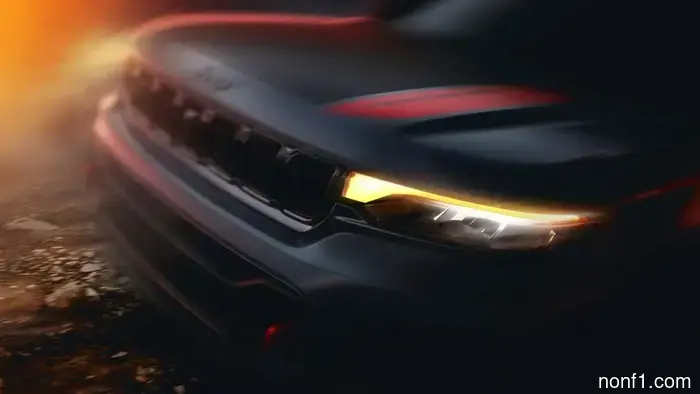 Jeep Confirms That the Grand Cherokee Trailhawk Will Make Its Return This Year
The Trail Rated badge is returning to the Grand Cherokee lineup, but will it come with a V8 engine?
Jeep Confirms That the Grand Cherokee Trailhawk Will Make Its Return This Year
The Trail Rated badge is returning to the Grand Cherokee lineup, but will it come with a V8 engine?
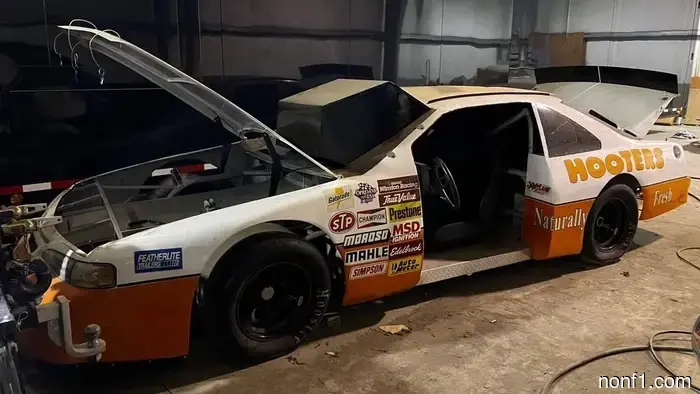 Nothing is cooler than a ’90s NASCAR simulation setup playing Daytona USA.
All aspects of this sim rig are perfectly suitable for the era.
Nothing is cooler than a ’90s NASCAR simulation setup playing Daytona USA.
All aspects of this sim rig are perfectly suitable for the era.
How the Creator of Gran Turismo Inserted a Simulation into a Mario Kart Competitor to Convince Sony Executives
Believe it or not, Sony turned down the initial proposal for Gran Turismo. Consequently, the creator devised a clever strategy to bring it to life regardless.