
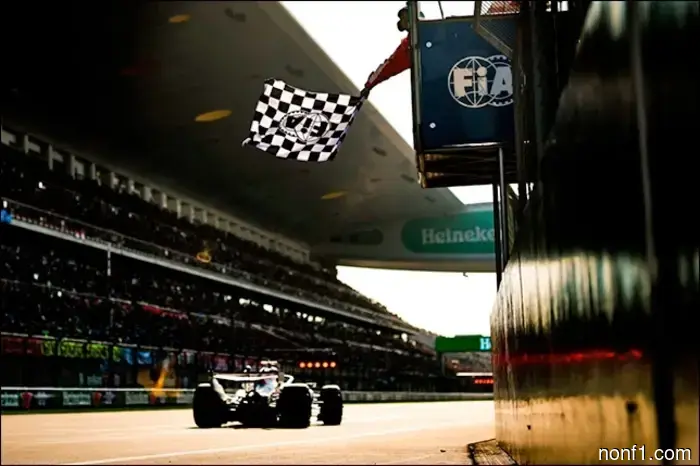
FIA and Formula 1 have agreed on amendments to the regulations.
On April 20, during an online meeting involving the FIA, team management, power unit manufacturers, and FOM, amendments to the Formula 1 regulations for 2026 were agreed upon.
The proposals presented at today’s meeting were the result of consultations between the FIA and technical experts, taking into account the feedback from drivers based on data collected during the first three races of the 2026 season.
The agreed proposals will be implemented starting from the Miami race, except for changes to the starting procedure, which will be tested in Miami and approved after feedback and analysis.
Qualification
The maximum allowable charge has been reduced from 8 to 7 MJ, which will shorten the maximum duration of the superclipping mode to approximately 2-4 seconds per lap.
The peak power of superclipping has been increased to 350 kW (previously 250 kW), further reducing recharge time and decreasing the driver's workload in managing energy. This change will be applied during race conditions.
The number of races where lower energy consumption limits can be applied has increased from 8 to 12, allowing for better adaptation to track characteristics.
Race
The maximum power available in Boost mode during the race is limited to +150 kW (or the current power level of the car at the time of activation, if higher), which will limit speed differences.
The use of MGU-K remains at 350 kW in key acceleration zones (from corner exit to braking point, including overtaking zones), but will be limited to 250 kW in other parts of the lap.
These measures are aimed at reducing excessive closing speeds while maintaining overtaking opportunities and overall performance characteristics.
Race Start
A new "low power start detection" system has been developed, capable of identifying cars with abnormally low acceleration after releasing the clutch.
In such cases, automatic activation of MGU-K will be triggered to ensure a minimum level of acceleration and reduce risks associated with the start, without creating any sporting advantage.
A corresponding visual warning system will be implemented, activating flashing lights (rear and side) on such cars to alert following drivers.
Resetting the energy counter at the start of the formation lap will address a previously identified systemic issue.
Wet Conditions
The temperature of thermal blankets for intermediate tires has been increased at the request of drivers to improve tire grip in wet conditions.
Maximum use of ERS has been reduced, which will limit torque and improve handling in low-grip conditions.
The rear light systems have been simplified, with clearer and more consistent visual signals improving visibility and reducing reaction time for following drivers.
–
These final proposals will be put to an electronic vote by the FIA World Council for approval before the Miami Grand Prix, except for the race start proposals, which will be tested and analyzed during this weekend.
Other articles
 The FIA expresses condolences to the family of the deceased fan.
The FIA confirmed the death of a spectator as a result of a tragic incident at the Sudamericano Mina Clavero rally in Argentina...
The FIA expresses condolences to the family of the deceased fan.
The FIA confirmed the death of a spectator as a result of a tragic incident at the Sudamericano Mina Clavero rally in Argentina...
 The Hamilton Fund has announced a new cohort of scholars.
Mission 44, Lewis Hamilton's foundation, announced the recruitment of candidates for a scholarship that provides the opportunity to study at universities in fields that are in demand in the motorsport industry...
The Hamilton Fund has announced a new cohort of scholars.
Mission 44, Lewis Hamilton's foundation, announced the recruitment of candidates for a scholarship that provides the opportunity to study at universities in fields that are in demand in the motorsport industry...
 The Hamilton Fund has announced a new cohort of scholars.
Mission 44, Lewis Hamilton's foundation, has announced the recruitment of candidates for a scholarship that provides the opportunity to study at universities in fields that are in demand in the motorsport industry...
The Hamilton Fund has announced a new cohort of scholars.
Mission 44, Lewis Hamilton's foundation, has announced the recruitment of candidates for a scholarship that provides the opportunity to study at universities in fields that are in demand in the motorsport industry...
 Verstappen: I still enjoyed the race.
Although the start of the race was promising, Max Verstappen confidently led, but soon after the first pit stop, he had to return to the pits...
Verstappen: I still enjoyed the race.
Although the start of the race was promising, Max Verstappen confidently led, but soon after the first pit stop, he had to return to the pits...
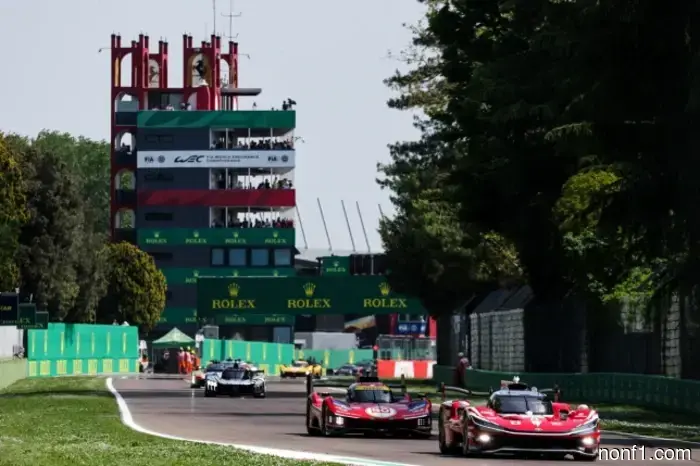 The Toyota team achieved its 50th victory in the 100th WEC race.
By the 6-hour race in Imola, which kicked off the WEC season, Toyota Racing prepared a new hypercar TR010, and although the Ferrari crew won the qualifying, on Sunday the Japanese team achieved its milestone victory...
The Toyota team achieved its 50th victory in the 100th WEC race.
By the 6-hour race in Imola, which kicked off the WEC season, Toyota Racing prepared a new hypercar TR010, and although the Ferrari crew won the qualifying, on Sunday the Japanese team achieved its milestone victory...
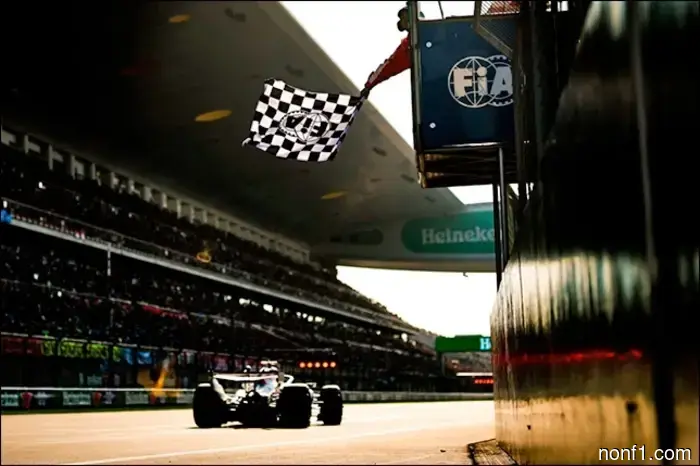 FIA and Formula 1 have agreed on amendments to the regulations.
The FIA, team management, power unit manufacturers, and Formula 1 have agreed on amendments to the regulations...
FIA and Formula 1 have agreed on amendments to the regulations.
The FIA, team management, power unit manufacturers, and Formula 1 have agreed on amendments to the regulations...
FIA and Formula 1 have agreed on amendments to the regulations.
FIA, team management, power unit manufacturers, and Formula 1 have agreed on amendments to the regulations...