
Nissan's Turbocharged 4-Cylinder Is Limiting Its Potential
**Byron Hurd**
The most significant car news and reviews, no nonsense.
Our complimentary daily newsletter delivers the stories that really matter to you every weekday.
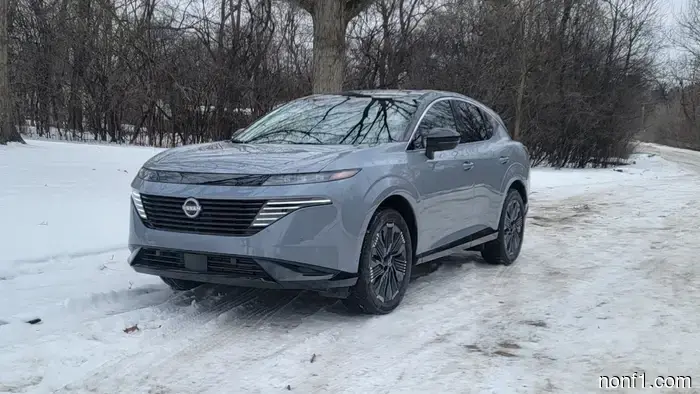
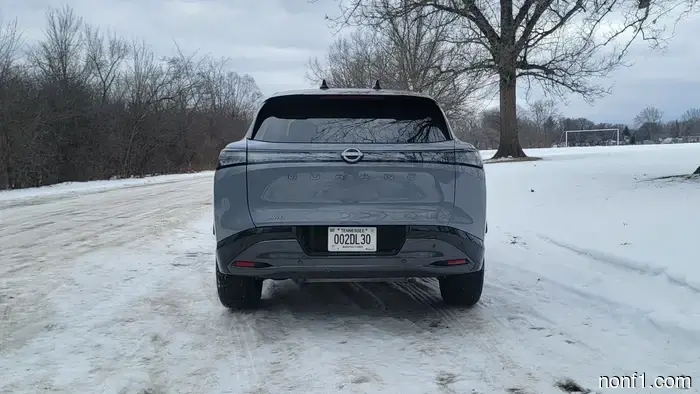
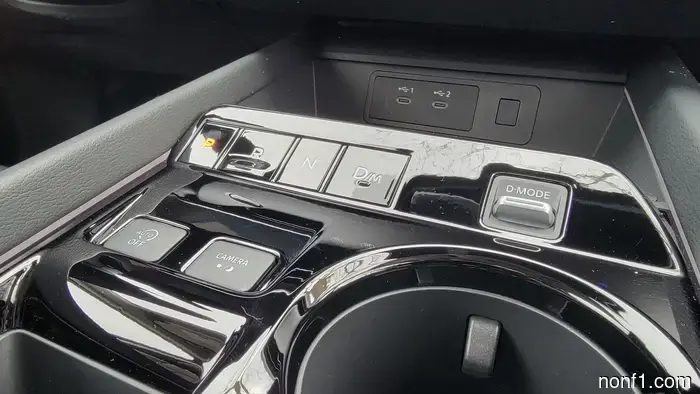
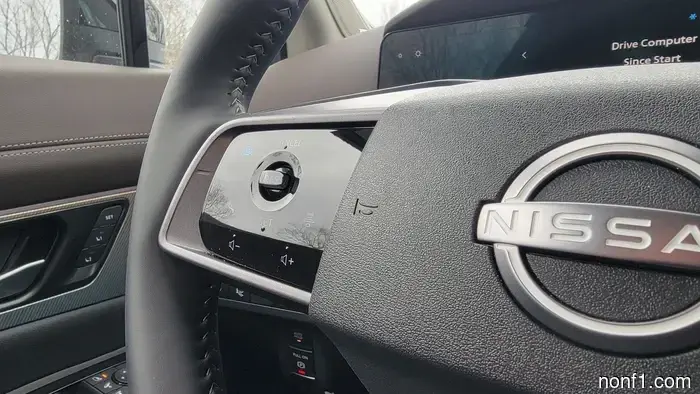
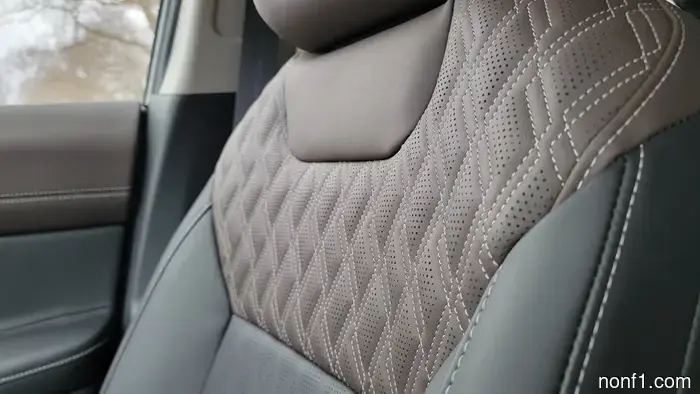
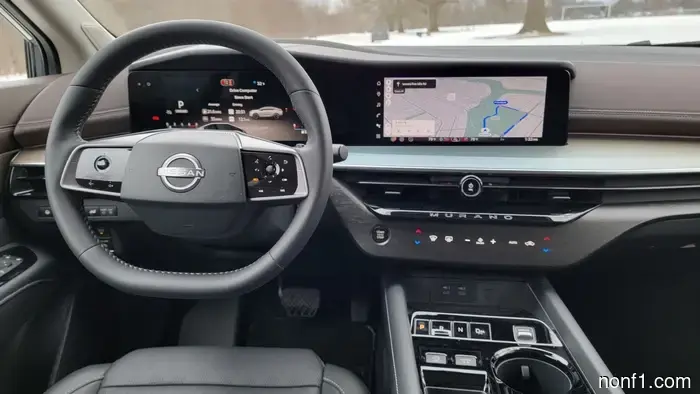
I’m never disappointed when I receive a Nissan Murano as a rental car. After that, I typically don’t think much of it. However, after test-driving the new 2026 model, I found myself having stronger opinions than anticipated. In fact, I realized I missed the old V6.
I have no problem with four-cylinder engines in theory. There are plenty of turbocharged four-cylinder engines that perform well. Plus, Nissan’s variable-compression turbo design is quite interesting. In today’s largely uniform market, it’s uncommon to find cars that genuinely offer something different, even if those differences don't enhance the overall experience. It's unique, but I can’t necessarily claim it's superior for that reason.
I'm not an engineer. Perhaps this design is a percentage point or two more efficient than a regular turbo-four. And the engine’s variable compression technology made sense during Nissan's trend of equipping everything with a CVT and front-wheel drive. It’s akin to Algebra II: the more variables, the better. Or something like that. It has been 30 years since middle school, after all.
But here’s my point: Despite how impressively advanced the variable compression/variable ratio synergy may seem, it didn’t positively impact the driving experience. It was first introduced in the Infiniti QX50 back in 2016, which had a perfectly adequate engine paired with a rather lackluster transmission; the smaller version does satisfactory work in the Rogue.
**Byron Hurd**
However, it's important to note that the Murano differs from the Rogue. Yes, it's also a two-row SUV like the Rogue, but it sits on a wider platform and is aimed at buyers willing to spend over $40,000 on a two-row SUV. It’s bulkier than its compact counterpart, similar to how the Honda Passport and Subaru Outback stand in their segments. This is why previous versions easily accommodated the V6; there has always been ample space under the hood.
Meanwhile, Honda continues to utilize the V6. Subaru abandoned the flat-six in the Outback years ago, now offering a robust 2.4-liter turbo-four. Although still paired with a continuously variable transmission, it feels significantly more responsive than the Murano's 2.0-turbo. Our colleagues at Car and Driver corroborate my observations, noting that the Subaru reaches 60 mph a full second faster than the Murano.
The raw speed isn’t the real issue here; a Murano doesn’t need to accelerate to 60 as fast as a sporty compact. However, around town, the Murano’s engine feels smaller compared to the V6 in its predecessor. Performance-wise, it’s not any faster (or slower); it simply performs better in terms of emissions—at least according to regulatory calculations.
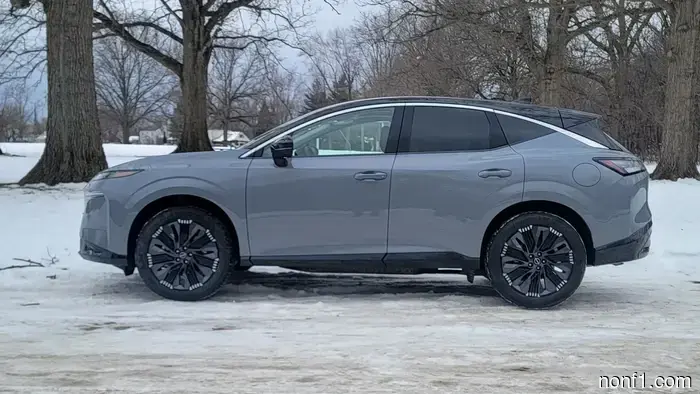
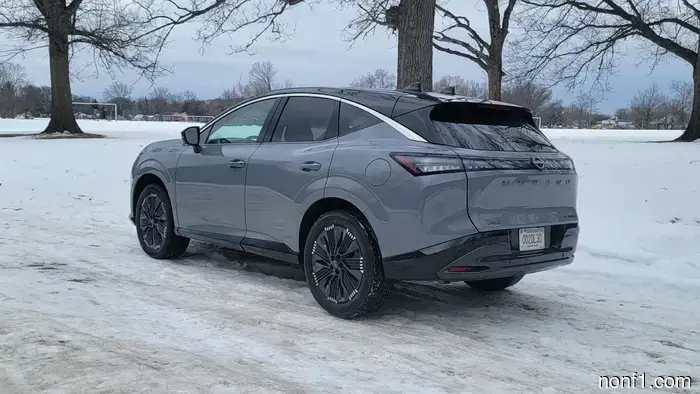
If you ask Nissan, they’ll tell you that their target audience doesn’t necessarily crave the return of the V6. That’s not surprising; this vehicle has always prioritized the overall package over performance, and the new model, with its sharp, futuristic design, is as avant-garde as the original was over 20 years ago.
**Byron Hurd**
As the energetic and confidence-inspiring Outback demonstrates, this isn’t just about the number of cylinders. Nissan claims it will retain the V6 in its body-on-frame vehicles simply because customers prefer it. Reading between the lines, one might infer that customers aren’t enthusiastic about a turbocharged four-cylinder.
Would their perspective change if Nissan offered a better option? I've already mentioned Subaru, but it's not the only one. Consider Mopar’s new Hurricane I4 or Toyota’s 2.4-liter turbo. Both engines have shortcomings, but they are better suited for "SUV" use than the VC-Turbo.
In the case of the Xterra, the situation becomes more complicated since Nissan lacks a rear-wheel-drive four-cylinder engine altogether. The Frontier has eliminated the I4 with its recent redesign, now only offering the 3.8-liter V6. Ascend to the Armada, and you’ll find a turbocharged V6 built on the same foundation.
In simpler terms, before Nissan can even think about providing a turbocharged four-cylinder in any of its trucks, it would first need to develop one—either from scratch or by re-engineering the VC-Turbo to meet the standards required for Nissan's trucks. I won't speculate on which option would be more expensive for Nissan. The V6, however, is readily available.
And look, it’s effective—even if it might sound like an appeal to those resistant to the new norm. A heads-up to that group: This isn’t a Stellantis scenario. Nissan is already mapping out plans for hybrid truck powertrains.
For cash-strapped Nissan, the pragmatic choice at this moment is abundantly clear

Other articles
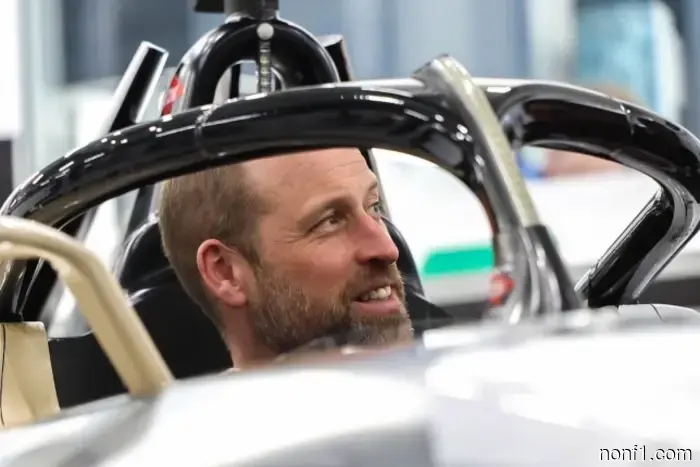 Formula E: The Prince of Wales visited the Jaguar Racing base
Prince William of Wales visited the Jaguar Racing base yesterday, and he was accompanied during the visit by Mitch Evans and António Félix da Costa, drivers of the factory team of the British company...
Formula E: The Prince of Wales visited the Jaguar Racing base
Prince William of Wales visited the Jaguar Racing base yesterday, and he was accompanied during the visit by Mitch Evans and António Félix da Costa, drivers of the factory team of the British company...
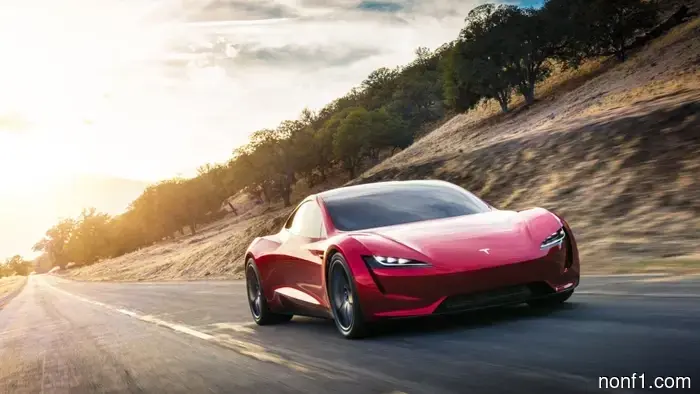 Elon Musk afirma que el Roadster será el único 'auto de conducción manual' de Tesla a largo plazo: TDS.
“Having our entire lineup consist of various autonomous vehicles of different sizes makes sense,” stated Tesla CEO Elon Musk during the company's earnings call.
Elon Musk afirma que el Roadster será el único 'auto de conducción manual' de Tesla a largo plazo: TDS.
“Having our entire lineup consist of various autonomous vehicles of different sizes makes sense,” stated Tesla CEO Elon Musk during the company's earnings call.
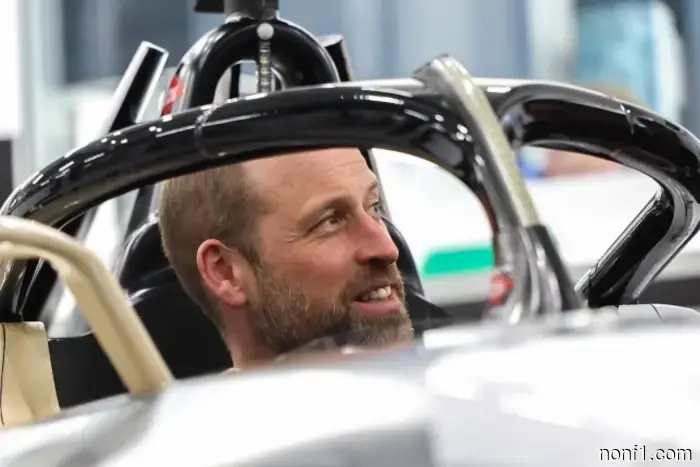 Formula E: The Prince of Wales visited the Jaguar Racing base
Prince William of Wales visited the Jaguar Racing base yesterday, accompanied during the visit by Mitch Evans and António Félix da Costa, drivers of the factory team of the British company...
Formula E: The Prince of Wales visited the Jaguar Racing base
Prince William of Wales visited the Jaguar Racing base yesterday, accompanied during the visit by Mitch Evans and António Félix da Costa, drivers of the factory team of the British company...
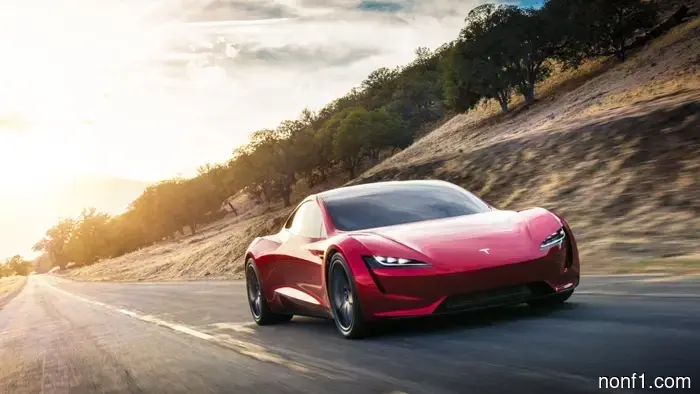 Elon Musk afirma que el Roadster será el único "auto de conducción manual" de Tesla a largo plazo: TDS.
"Having our entire lineup consist of various sizes of autonomous vehicles will be logical," stated Tesla CEO Elon Musk during the company's earnings call.
Elon Musk afirma que el Roadster será el único "auto de conducción manual" de Tesla a largo plazo: TDS.
"Having our entire lineup consist of various sizes of autonomous vehicles will be logical," stated Tesla CEO Elon Musk during the company's earnings call.
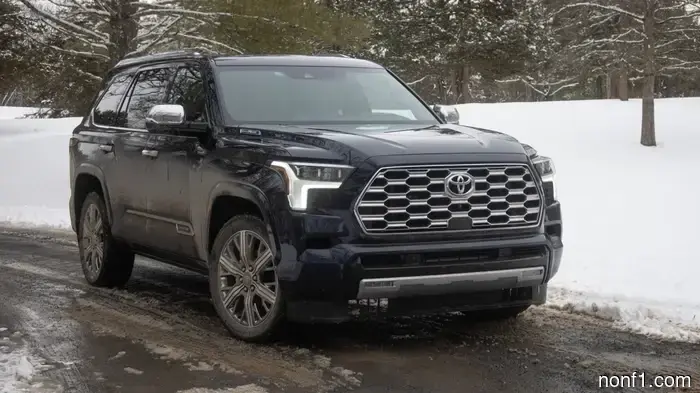 2026 Toyota Sequoia Capstone Review: Poor Value for $90,000
While the Toyota Sequoia boasts remarkable towing capacity and fuel efficiency, its less-than-friendly ergonomics and overall value may deter potential buyers.
2026 Toyota Sequoia Capstone Review: Poor Value for $90,000
While the Toyota Sequoia boasts remarkable towing capacity and fuel efficiency, its less-than-friendly ergonomics and overall value may deter potential buyers.
 America’s Fisker Service Expert Is Set to Transition. Who Will Take His Place?
Joe Ferrante has dominated the Fisker service market. His empire is up for sale, but acquiring it will require more than just financial resources.
America’s Fisker Service Expert Is Set to Transition. Who Will Take His Place?
Joe Ferrante has dominated the Fisker service market. His empire is up for sale, but acquiring it will require more than just financial resources.
Nissan's Turbocharged 4-Cylinder Is Limiting Its Potential
I was not anticipating strong emotions regarding the Nissan Murano while test driving it. However, I have to say that I really missed the V6 engine.