

The Secret to Thrilling EV Racing? Japanese Commentary and Jazz Fusion
Japan Electric Vehicle Race Association via YouTube
The latest in automotive news and reviews, without the fluff.
Our complimentary daily newsletter delivers the most significant stories straight to your inbox every weekday.
Similar to the road vehicles it often aims to promote, EV racing is expanding, albeit at a slower rate than anticipated. While Formula E is introducing its fourth-generation single-seater, and other categories have experimented with electric powertrains, discussions about competing with internal combustion engines for attention and sponsorship have quieted, much like the electric race cars themselves. However, the Japan Electric Vehicle Race Association (JEVRA) has discovered an effective formula.
Established in 2010 to advocate for electric vehicles in the battle against climate change, JEVRA kicked off its 2026 All Japan EV-GP season with a race at Tsukuba in late March. Footage from that event was recently uploaded to YouTube, showcasing some of the most entertaining racing outside of an MX-5 Cup event. This can be attributed to both production choices and the rules governing the race.
Japan Electric Vehicle Race Association via YouTube
The visuals are accompanied by a jazz fusion soundtrack that feels like it could belong in a video game or drift from a café onto the streets of Tokyo. It serves as an ideal replacement for engine sounds. The energetic commentary enhances the atmosphere, even for those who don’t speak Japanese. This illustrates why F1 commentators match their speaking pace to the speed of the cars: the passion in their words is what truly matters.
The race format is also endearing. It harks back to the earlier days of racing when anyone could take a road car, add some numbers to the doors, and head to the track. The lineup for this race featured a Tesla Model S Plaid along with several Model 3 Performance and Hyundai Ioniq 5 N competitors, most with minimal (if any) noticeable modifications and complete interiors. Cars are categorized into classes based on their output, ranging from 150 kilowatts (201 horsepower) in EV-4 to 401 kW (537 hp) or more in EV-1. Classes for SUVs and hydrogen fuel-cell vehicles are also available, though none participated in this event.
The regulations also acknowledge the limitations of current EVs. JEVRA includes an EV-R class for range-extended models such as the BMW i3 REx and Mazda MX-30, along with Nissan's e-Power hybrids, which utilize electric motors for propulsion while their gasoline engines function solely as generators. You will spot some Note e-Power hatchbacks in this race, which was limited to just 55 kilometers (34 miles), or 27 laps of Tsukuba. Any longer, and battery levels might become a concern.
It would be interesting to see this format implemented elsewhere. Short races work well in rallycross, and they align with the shorter attention spans developed from constant scrolling. It's fantastic to witness the track-oriented Ioniq 5 N performing as intended, which would equally apply to the Porsche Taycan or Lucid Air Sapphire. Electric GT attempted to establish production-based EV racing a few years ago but fell short, even with FIFA approval. Perhaps it just needed a touch of jazz fusion and Japanese commentary.


Other articles
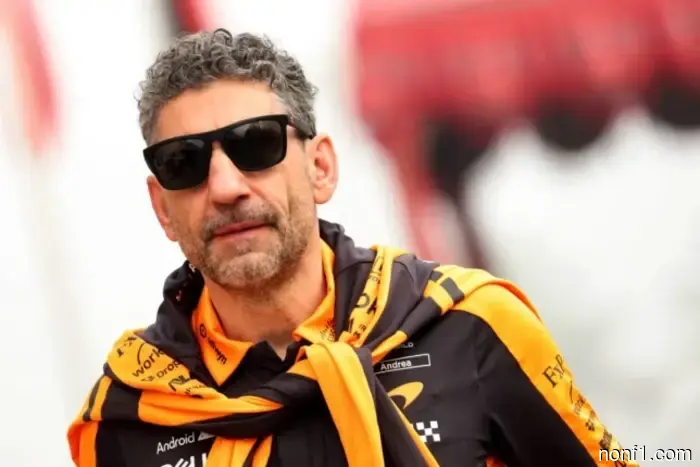 Stella: The task is to adapt to the conditions.
The head of the McLaren team tried to explain the difference in results between the sprint and qualifying on Sky Sports...
Stella: The task is to adapt to the conditions.
The head of the McLaren team tried to explain the difference in results between the sprint and qualifying on Sky Sports...
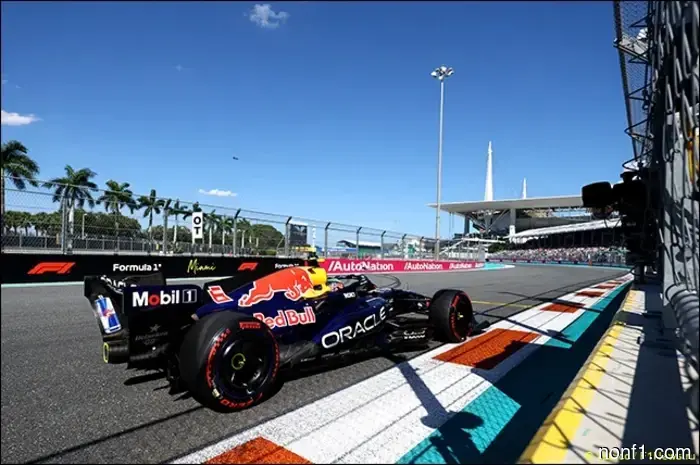 Khajaru faces disqualification.
During the technical control process after qualification at the FIA, a violation of the technical regulations was found on Isaac Hajar's car.
Khajaru faces disqualification.
During the technical control process after qualification at the FIA, a violation of the technical regulations was found on Isaac Hajar's car.
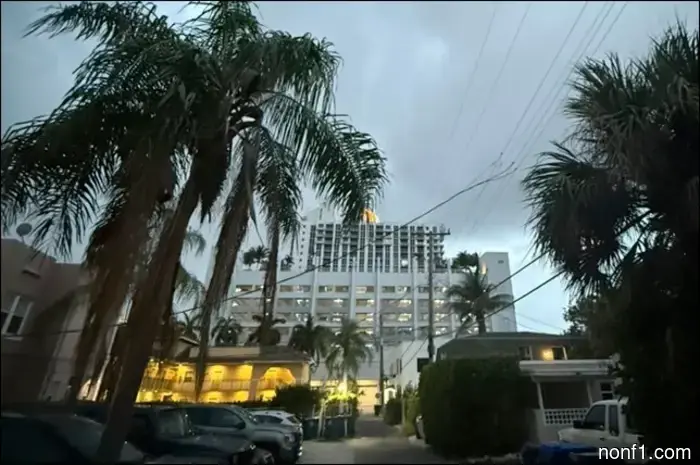 In Miami, it's 7 AM, and it's raining.
In Miami, it is still early morning, but it is already raining, thunder can be heard, and the forecast no longer promises a prolonged pause during the day.
In Miami, it's 7 AM, and it's raining.
In Miami, it is still early morning, but it is already raining, thunder can be heard, and the forecast no longer promises a prolonged pause during the day.
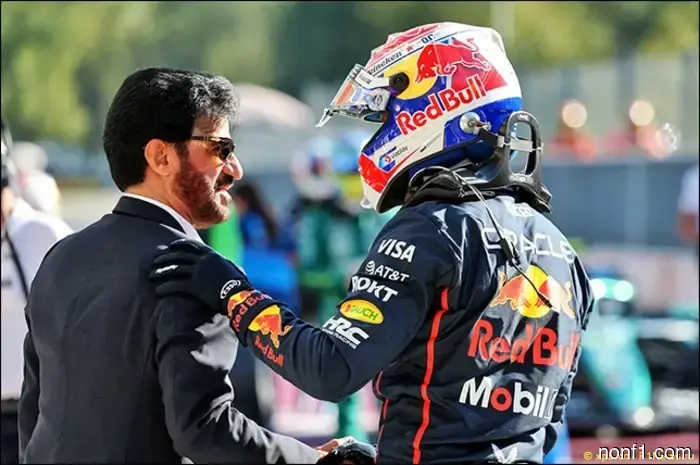 Suleiman: If Max leaves, we will miss him.
Mohammed Ben Sulayem stated that Formula 1 will miss Max Verstappen if he decides to leave the sport, but the FIA president is convinced that the four-time champion will not go anywhere...
Suleiman: If Max leaves, we will miss him.
Mohammed Ben Sulayem stated that Formula 1 will miss Max Verstappen if he decides to leave the sport, but the FIA president is convinced that the four-time champion will not go anywhere...
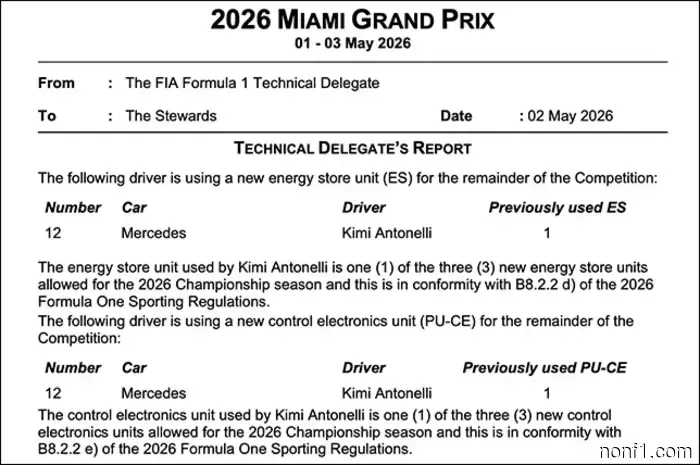 The powertrain components were replaced on two vehicles.
The FIA confirmed the replacement of power unit components on two cars.
The powertrain components were replaced on two vehicles.
The FIA confirmed the replacement of power unit components on two cars.
 The FIA plans to switch Formula 1 to V8 in 2030.
FIA President Mohammed Ben Sulayem announced the timeline for the return of V8 engines to Formula 1.
The FIA plans to switch Formula 1 to V8 in 2030.
FIA President Mohammed Ben Sulayem announced the timeline for the return of V8 engines to Formula 1.
The Secret to Thrilling EV Racing? Japanese Commentary and Jazz Fusion
It appears that smooth jazz effectively compensates for the quietness of electric racing. Are you listening, Formula E?