
The agreement on F1's 2027 engine regulations is coming apart in Montreal.
Max Verstappen arrived in Montreal feeling optimistic that the contentious future of Formula 1's engines had finally been salvaged. "You can count on me still being in Formula 1 by 2027," the Red Bull racer stated to De Telegraaf. "Yes, definitely. I hope everyone remains true to their word." "I can confirm my continued presence in Formula 1."
This assurance came after recent preliminary agreements between the FIA and Formula 1 to move away from the heavily criticized 50-50 electric split, increasing combustion-engine power to a 60-40 ratio starting in 2027. However, this alleged agreement is quickly falling apart behind the scenes, as resistance builds from both manufacturers and teams. Paddock discussions indicate that Audi and Ferrari are particularly opposed to such swift changes due to the extensive hardware redesigns required.
For Audi, which is already facing issues with reliability and power in its debut Formula 1 season, the shift in 2027 is expected to place significant strain on suppliers and development schedules. "The crux of the issue is disagreement," stated Williams team principal James Vowles. "Much of this stems from the fact that some power unit manufacturers are unable to react as swiftly as others, and we must recognize that."
The complexity of the situation is heightened by the new ADUO engine catch-up system, which enables trailing manufacturers to enhance combustion performance if they lag too far behind Mercedes. According to Auto Motor und Sport, some manufacturers prefer to focus on performance recovery rather than immediately redesigning engines again.
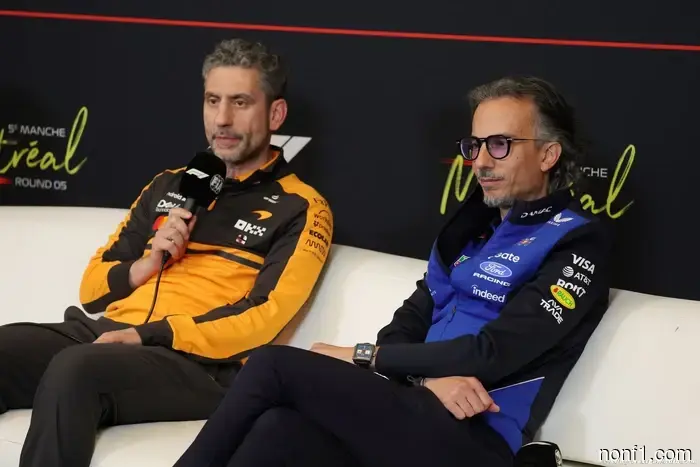
The dispute has escalated to concerns regarding the chassis. An increase in fuel allowances would likely necessitate larger fuel tanks and possibly entirely new monocoques—an expensive scenario that many teams hoped to circumvent by carrying over their 2026 chassis into 2027. "There is some pressure on the PU side from a timing perspective," acknowledged new Red Bull principal Laurent Mekies in Montreal. "However, we are willing to step out of that comfort zone for the sport's benefit."
Andrea Stella also endorsed the proposed modifications. "It’s a proposal for the good of the sport," said the McLaren team principal. "I believe there’s a collective interest that outweighs individual concerns." Racing Bulls chief Alan Permane confirmed that teams are already considering slightly shortening races if needed to avoid costly chassis redesigns. "We would consider selective races, and of course, only where absolutely necessary, shortening them by perhaps one or two laps," Permane explained.
Reports suggest that a compromise is beginning to take shape. Instead of fully implementing the 60-40 split in 2027, Formula 1 might settle for moderate increases in fuel flow next year—avoiding major hardware changes—and roll out the full concept in 2028. "We can still revisit the negotiations—nothing is finalized," Vowles insists. "It mainly involves ensuring a balanced outcome that satisfies all parties."
Meanwhile, the criticism of the current rules continues to gain traction across the paddock. Liam Lawson cautioned that Formula 1 risks losing its essence if drivers no longer enjoy the cars. "Nobody wants to watch a series where the competitors don’t enjoy racing," he expressed. Former Red Bull advisor Dr. Helmut Marko mentioned he no longer finds watching practice sessions worthwhile. "After the initial energy-management fiasco, I can skip the practice sessions," the Austrian told Osterreich newspaper. "Unfortunately, that hasn’t aligned with the Formula 1 racing of yesteryear. We observed improvements in Miami, but I fear not much will change by next year. All that’s needed is an increase in fuel supply. That would make a significant difference."
Other articles
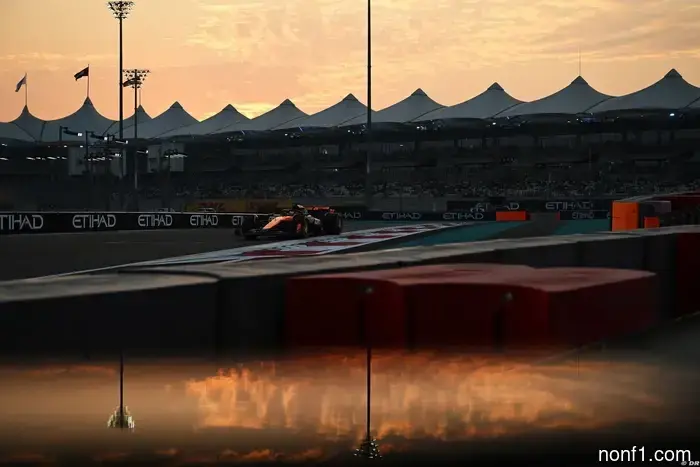 F1 contemplating a harsh Christmas finale to make up for canceled races.
Formula 1 is said to be contemplating an unusual adjustment to the late-season schedule, which could extend the 2026 season into the week of Christmas.
F1 contemplating a harsh Christmas finale to make up for canceled races.
Formula 1 is said to be contemplating an unusual adjustment to the late-season schedule, which could extend the 2026 season into the week of Christmas.
 Jeep is developing a Wrangler Scrambler SRT featuring a removable roof, rear seats that face backward, and likely a V8 engine.
The two-door pickup based on the Gladiator is the most adventurous Jeep in years — and the creator of the Hellcats is the one in possession of the keys.
Jeep is developing a Wrangler Scrambler SRT featuring a removable roof, rear seats that face backward, and likely a V8 engine.
The two-door pickup based on the Gladiator is the most adventurous Jeep in years — and the creator of the Hellcats is the one in possession of the keys.
 Dodge is set to release a brand new, completely outrageous Halo car, and it won't be named the Viper.
The Copperhead SRT was recently hinted at to the media as a "hyper muscle car" — without any images or pricing details, but it certainly carries a lot of Viper DNA.
Dodge is set to release a brand new, completely outrageous Halo car, and it won't be named the Viper.
The Copperhead SRT was recently hinted at to the media as a "hyper muscle car" — without any images or pricing details, but it certainly carries a lot of Viper DNA.
The agreement on F1's 2027 engine regulations is coming apart in Montreal.
Formula 1 | Max Verstappen came to Montreal feeling assured that the contentious future of Formula 1's engines had ultimately been saved. You can presume that I will (…)