
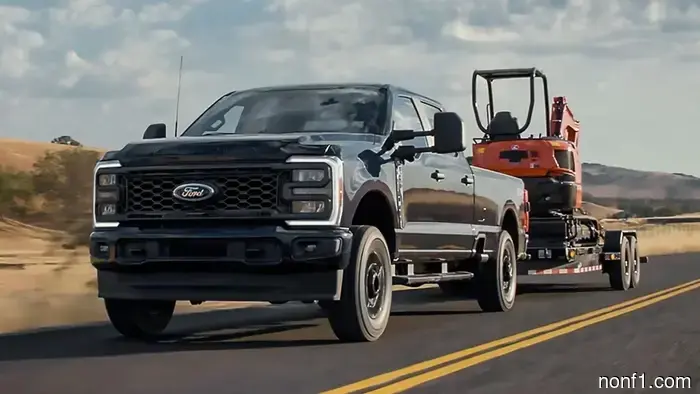
Large Trucks Such as the Ford Super Duty and Ram HD Have Avoided Safety Assessments, Until Now
Ford
The most significant automotive news and reviews, no fluff
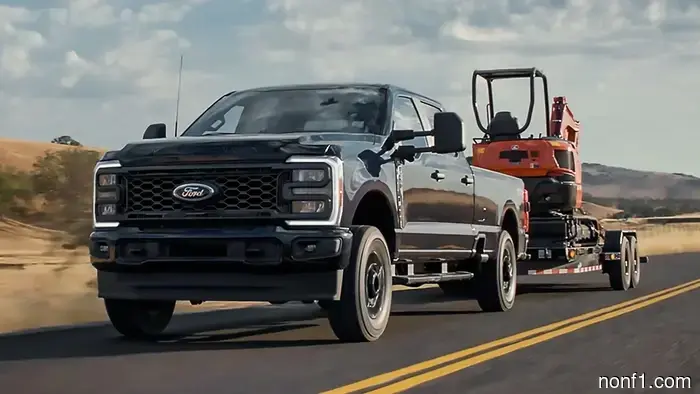
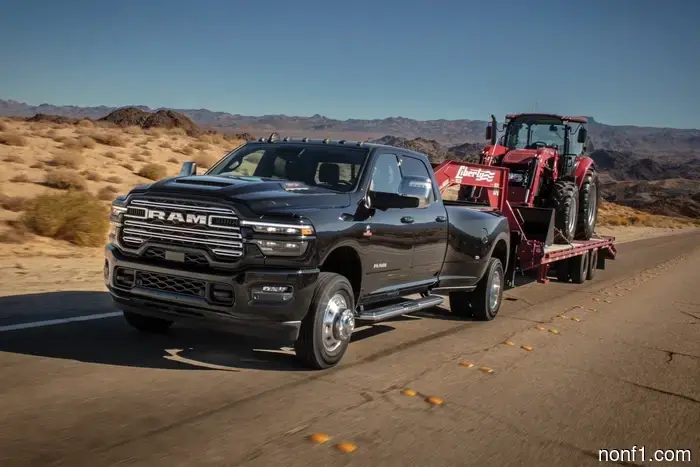
Heavy-duty pickup trucks from manufacturers like Ford, Chevrolet, and Ram are not classified as passenger vehicles under federal guidelines. Therefore, while a Ford F-150 or a Ram 1500 must adhere to fuel efficiency and crash safety regulations, models like the Super Duty or Ram HD are exempt from these requirements. However, the government is not the sole authority conducting crash evaluations.
The Insurance Institute for Highway Safety (IIHS), supported by the insurance sector, has a vested interest in holding automakers accountable regarding crash performance. Its safety assessments for light-duty passenger vehicles—including crash tests and evaluations of features like headlights and crash-avoidance technologies—already exceed the standards set by the National Highway Traffic Safety Administration (NHTSA). The IIHS is now expanding its scope to include heavy-duty pickups and other commercial vehicles.
General Motors
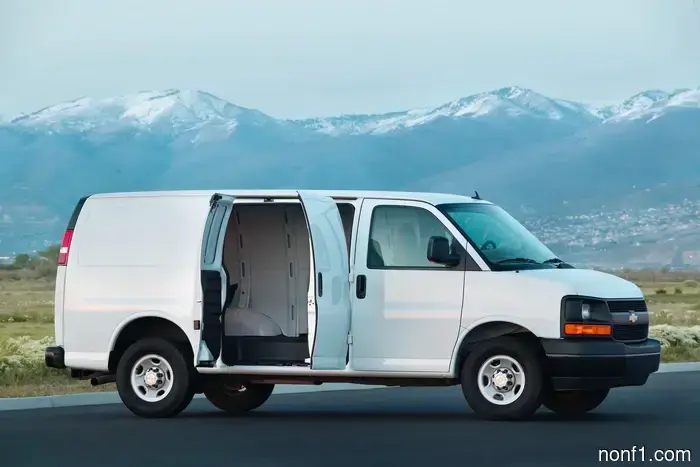
The IIHS began by assessing the effectiveness of seatbelt reminders and seatbelt pre-tensioners in three Class 3 pickups (with a Gross Vehicle Weight Rating (GVWR) between 10,001 and 14,000 pounds) and six cargo vans. It also verified that seatbelt force limiters and front and side airbags for drivers are standard. While this may appear straightforward, federal law does not mandate these features.
The tested group consisted of one HD pickup from each of the Big Three automakers: a 2026 Chevy Silverado 3500HD, a 2025 Ford F-350 SuperCrew, and a 2025 Ram 3500. The evaluated vans (all from the 2025 model year) included various models such as the Chevy Express 2500, Ford Transit T250, Mercedes-Benz Sprinter 2500, and Ram ProMaster 2500, along with an electric Rivian Delivery 500 and Chevy BrightDrop 400, the latter of which has been discontinued.
No crash tests were conducted, but test drives were performed to verify the functionality of seatbelt reminders. For vehicles to be considered satisfactory, they needed to provide a visible warning light and an audible alert that could be heard above ambient noise. The IIHS mandates that these warnings last at least 90 seconds, significantly longer than the federal requirement of four to eight seconds. This extended duration is crucial for commercial vehicles, as drivers often unbuckle when making stops. The IIHS notes that one of its studies indicated that persistent reminders increased seatbelt usage by 30%.
Stellantis
The Ram 3500, Ford Transit, Mercedes Sprinter, Chevy Express, and Rivian all failed the seatbelt reminder test. The aging Express further fell short by lacking effective seatbelt force limiters. However, all other models passed, marking a decent initial outcome.
The IIHS intends to broaden its testing to include additional features like headlights and automatic emergency braking, along with larger Class 4-6 trucks, which will help bridge the safety divide with passenger vehicles and reduce injuries and fatalities. According to the IIHS, 6,535 individuals lost their lives in accidents involving medium- and heavy-duty trucks or light vans in 2023, representing 16% of total road fatalities in the U.S. that year. Consequently, the timely introduction of the insurance-backed nonprofit's testing program is critical.
Have a tip? Contact tips@thedrive.com
Other articles
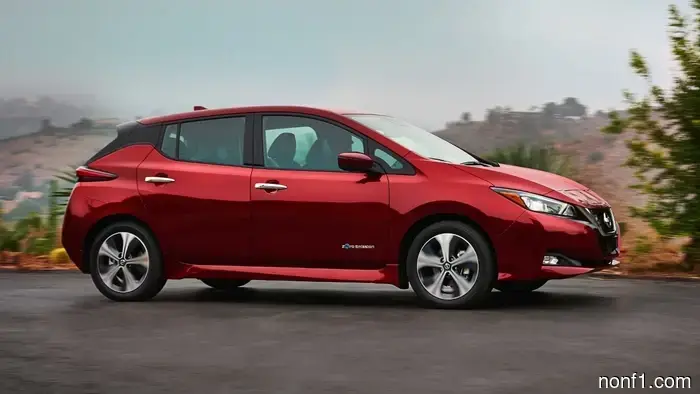 New Colorado Legislation Correctly Mandates Responsible Recycling of EV Batteries
The state is requiring automakers to take responsibility for recycling any EV batteries that aren't reused—and is requesting receipts.
New Colorado Legislation Correctly Mandates Responsible Recycling of EV Batteries
The state is requiring automakers to take responsibility for recycling any EV batteries that aren't reused—and is requesting receipts.
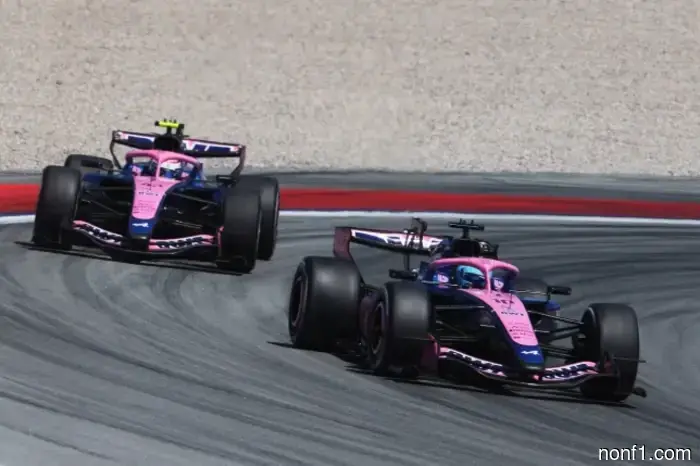 Pierre Gasly: We have once again become the best among the rest.
Pierre Gasly earned points in Barcelona for 7th place, having started from 14th position. Franco Colapinto also performed quite well and finished 8th on the track, but was penalized...
Pierre Gasly: We have once again become the best among the rest.
Pierre Gasly earned points in Barcelona for 7th place, having started from 14th position. Franco Colapinto also performed quite well and finished 8th on the track, but was penalized...
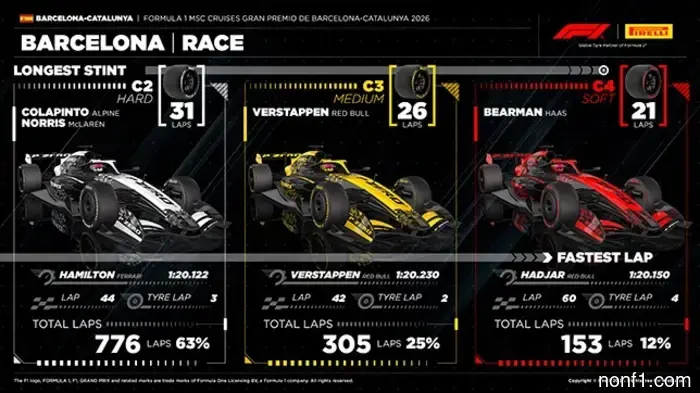 Pirelli: Tires played a key role
The race in Barcelona took place in hot weather, the tires wore out quickly – and the strategy factor played its role…
Pirelli: Tires played a key role
The race in Barcelona took place in hot weather, the tires wore out quickly – and the strategy factor played its role…
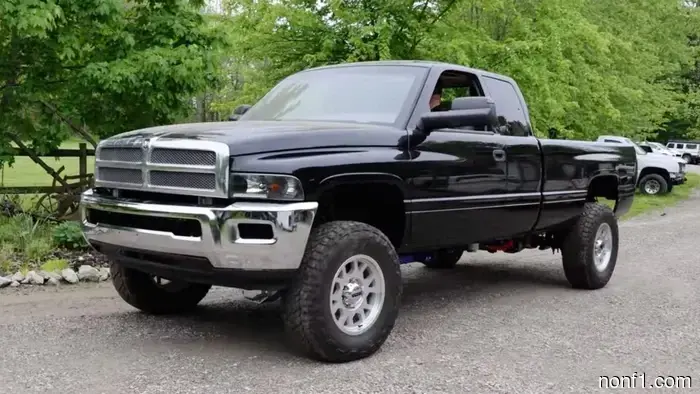 Canadians in a garage may finish a range-extended Ram before Ram itself does.
Edison Motors has finished the prototype for its series hybrid pickup, setting the stage for conversion kits for diesel-electric trucks.
Canadians in a garage may finish a range-extended Ram before Ram itself does.
Edison Motors has finished the prototype for its series hybrid pickup, setting the stage for conversion kits for diesel-electric trucks.
 Barcelona Grand Prix: All the quotes from the weekend
All materials of the Barcelona Grand Prix on one page – news, comments, articles, interviews, and results...
Barcelona Grand Prix: All the quotes from the weekend
All materials of the Barcelona Grand Prix on one page – news, comments, articles, interviews, and results...
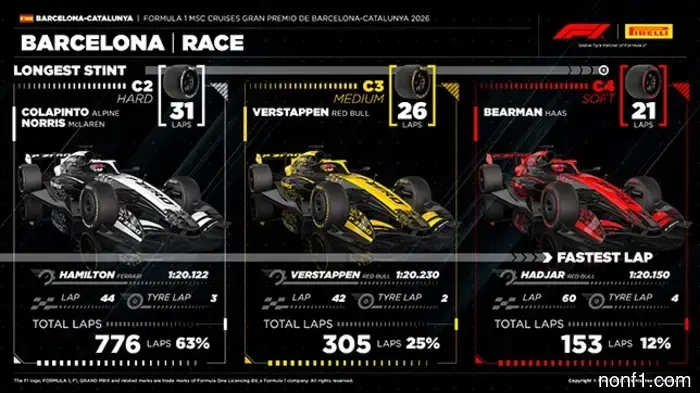 Pirelli: Tires played a key role
The race in Barcelona took place in hot weather, the tires wore out quickly – and the strategy factor played its role…
Pirelli: Tires played a key role
The race in Barcelona took place in hot weather, the tires wore out quickly – and the strategy factor played its role…
Large Trucks Such as the Ford Super Duty and Ram HD Have Avoided Safety Assessments, Until Now
The IIHS has begun testing commercial vehicles, and the initial results weren't as negative as one might have anticipated.