
Crash Test Comparison Between Old and New Chevy Blazer Highlights Improvements in Safety Since the 1990s
**IIHS**
The latest car news and reviews, no nonsense
Our free daily newsletter delivers the news that truly matters straight to your inbox every weekday.
In 2009, the Insurance Institute for Highway Safety crashed a 1959 Chevrolet Bel Air into a then-new 2009 Chevy Malibu to illustrate the advancements in automotive safety. The fact that vintage cars were dangerous and not as sturdy as modern vehicles was difficult for some to accept. However, given the absence of safety features and the limited knowledge of crash performance before federal safety standards were established, that perspective is understandable. The introduction of airbags and crumple zones significantly improved safety, yet enhancements haven't ceased.
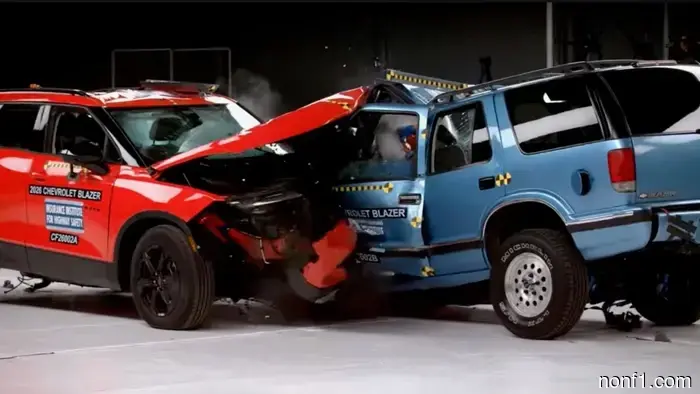
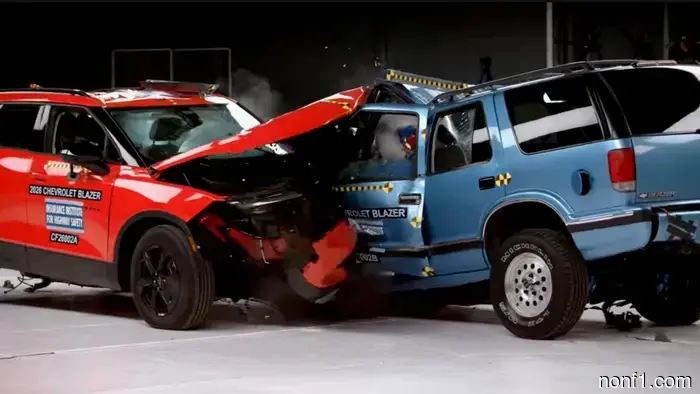
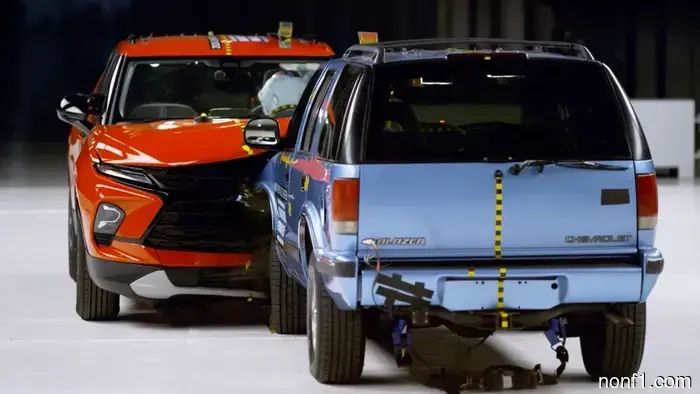
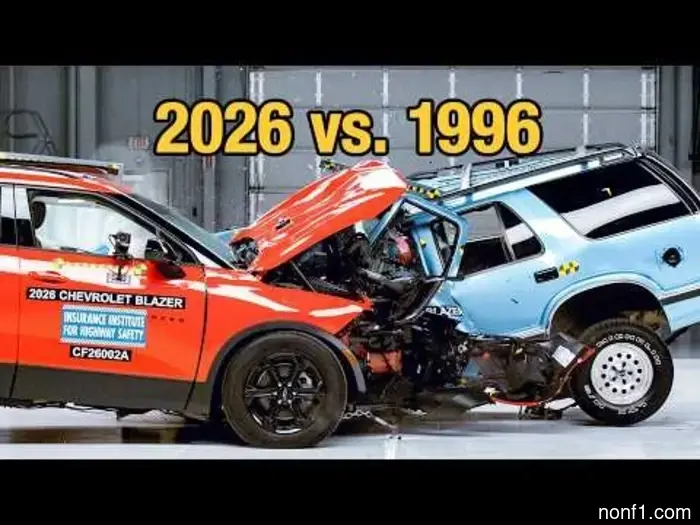
The IIHS recently performed another crash test comparing old and new vehicles. This time, a 1996 Chevy S-10 Blazer was crashed into a 2026 Blazer, showcasing the progress in car safety over the last 30 years thanks to its testing program. Both vehicles were subjected to a head-on collision under the same conditions as the IIHS's moderate overlap front test, which typically involves one car hitting a stationary barrier at 40 mph. It was painful to watch that pristine S-10 Blazer get wrecked for the sake of research, compounded by the unsettling realization that the Blazer is now three decades old.
The front end of the new Blazer absorbed most of the impact, ensuring the cabin remained intact, which would allow a real-life driver to emerge with only minor "bumps and bruises," as noted in an IIHS press release. In contrast, the 1996 S-10 Blazer’s front end crumpled, pushing the dashboard and steering column into the lap of the crash-test dummy. Rather than cushioning the impact, the airbag struck the dummy on the chin, recoiling its head back with such force that it detached.
Both SUVs performed as anticipated. The 1996 Blazer received the lowest "Poor" rating in the moderate overlap front test when it was new, while the 2026 Blazer achieved the highest "Good" rating. However, the newer model has yet to undergo the revised version of the test introduced in 2022, which also evaluates rear-passenger safety.
Since 1995, the IIHS has been testing vehicles, utilizing data from insurance companies to identify crash scenarios not addressed by federal regulations, which tend to have higher injury and fatality rates in reality, and funding from those insurers to conduct the tests. Over the years, it has modified its testing parameters to keep automakers vigilant and broadened the scope to include safety-related features such as headlights and automatic emergency braking systems.
The nonprofit estimates that safety improvements derived from its crash tests have saved 48,352 lives between 1999 and 2024. This is based on a comparison of real-world fatality rates for cars and trucks rated "Good" against those with lower ratings of "Acceptable," "Marginal," and "Poor." The IIHS also claims that safety enhancements have resulted in savings of $538 billion, referencing data from the U.S. Department of Transportation. This yields an almost 900-fold return on the $600 million that insurance companies spent on IIHS crash testing during this period.
With ongoing support from the insurance sector, the IIHS is not becoming complacent. It is introducing an updated whiplash test and assessing larger commercial trucks—an area the federal government has declined to address.
Other articles
 Wolff: George doesn't have to prove anything to anyone.
Mercedes drivers took the top two spots in the protocol of Saturday's practice at the Red Bull Ring – the results of the session were commented on by Toto Wolff, the head of the factory team of the Stuttgart concern...
Wolff: George doesn't have to prove anything to anyone.
Mercedes drivers took the top two spots in the protocol of Saturday's practice at the Red Bull Ring – the results of the session were commented on by Toto Wolff, the head of the factory team of the Stuttgart concern...
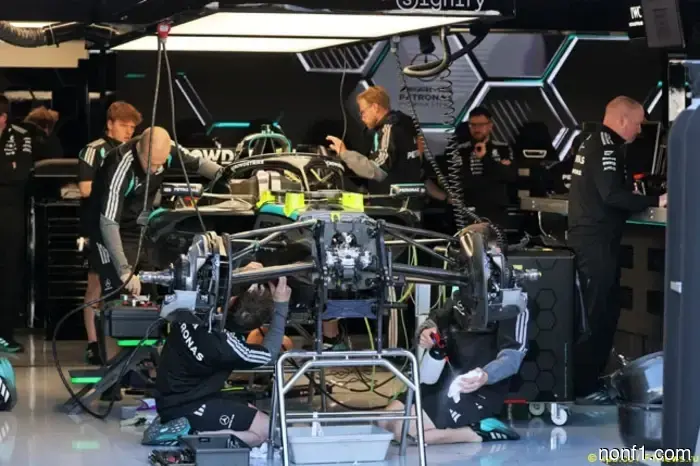 Two teams violated the curfew.
On the night of Saturday, the Mercedes and Audi teams violated the curfew rules in Spielberg.
Two teams violated the curfew.
On the night of Saturday, the Mercedes and Audi teams violated the curfew rules in Spielberg.
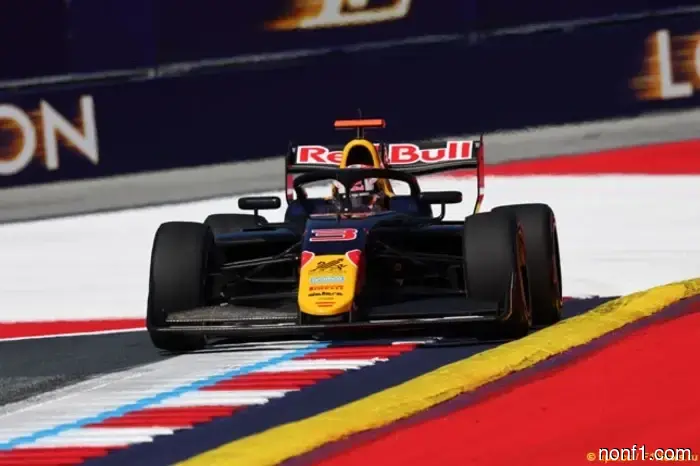 F3: Ernesto Rivera won the sprint in Austria
Mexican driver of Campos Racing, Ernesto Rivera, won the Formula 3 sprint race in Austria on Saturday.
F3: Ernesto Rivera won the sprint in Austria
Mexican driver of Campos Racing, Ernesto Rivera, won the Formula 3 sprint race in Austria on Saturday.
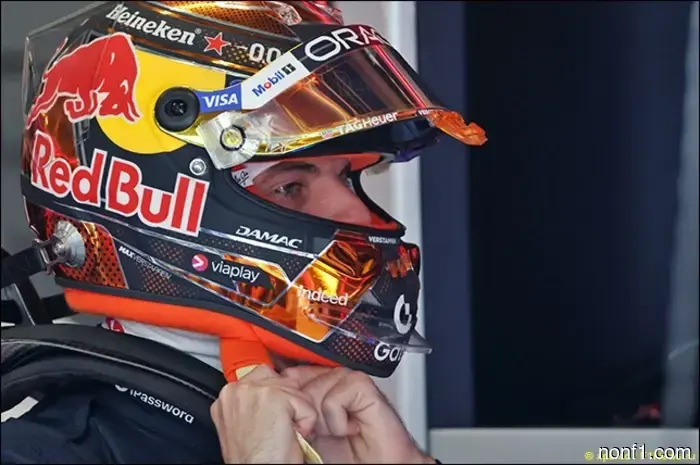 Verstappen: It's a pity that it ended this way.
For Max Verstappen, the qualifying session in Spielberg ended in an accident – he attacked on the decisive fast lap when his car spun in the ninth corner...
Verstappen: It's a pity that it ended this way.
For Max Verstappen, the qualifying session in Spielberg ended in an accident – he attacked on the decisive fast lap when his car spun in the ninth corner...
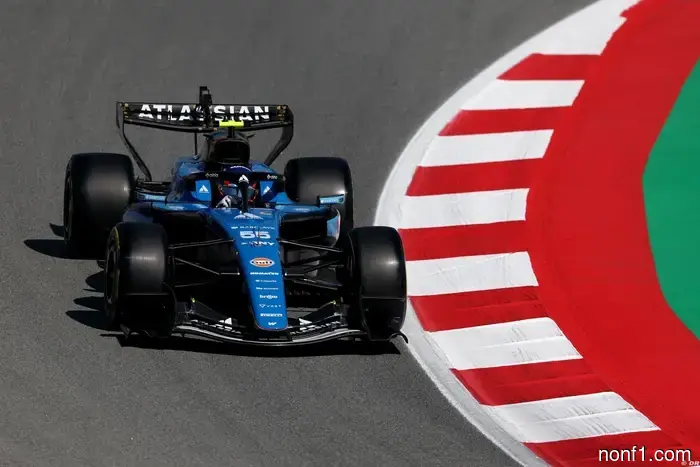 Sainz leaves Williams in suspense as speculation about 2027 intensifies.
Formula 1 | Carlos Sainz states that he has temporarily set aside thoughts regarding his Formula 1 future, despite ongoing speculation about his potential departure from Williams.
Sainz leaves Williams in suspense as speculation about 2027 intensifies.
Formula 1 | Carlos Sainz states that he has temporarily set aside thoughts regarding his Formula 1 future, despite ongoing speculation about his potential departure from Williams.
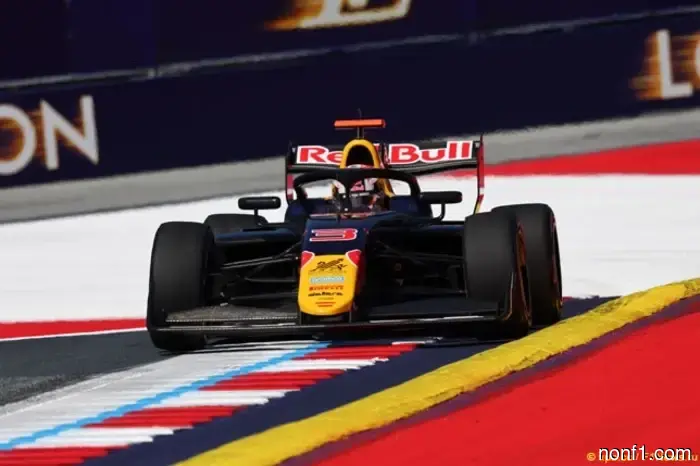 F3: Ernesto Rivera won the sprint in Austria
Mexican driver of the Campos Racing team, Ernesto Rivera, won the Saturday sprint of Formula 3 in Austria.
F3: Ernesto Rivera won the sprint in Austria
Mexican driver of the Campos Racing team, Ernesto Rivera, won the Saturday sprint of Formula 3 in Austria.
Crash Test Comparison Between Old and New Chevy Blazer Highlights Improvements in Safety Since the 1990s
The IIHS asserts that its testing initiative has prevented almost 50,000 fatalities in the last 30 years.