
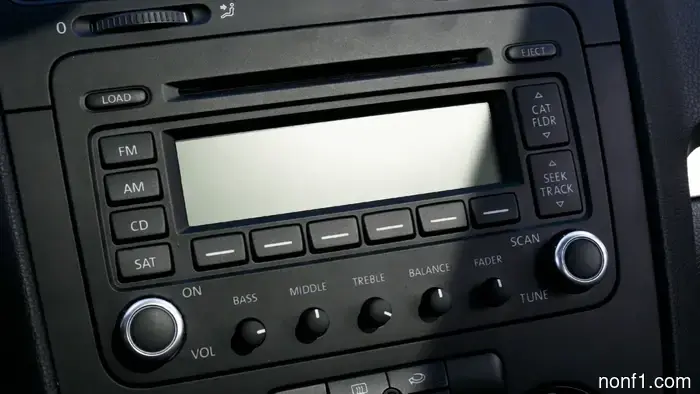
AM Radio May Be Required by Law in New Vehicles
Getty Images
The most significant automotive news and reviews, no nonsense
Our complimentary daily newsletter delivers the important stories straight to you every weekday.
Nearly every discussion about AM radio begins with the same question: “When was the last time you used it?” While this is a valid inquiry, there exists a group of individuals who argue it is the wrong one. They contend that the frequency of a tool's usage does not determine its value; rather, its effectiveness does. This belief is driving a new bill through Congress aimed at ensuring AM radio is included in every new car, regardless of automakers’ preferences.
This legislation is known as the AM Radio for Every Vehicle Act and is part of a broader initiative put forth by the House Committee on Energy and Commerce called the Motor Vehicle Modernization Act of 2026. There are discussions about it being incorporated into another proposal—the Build America 250 Act—which encompasses various transportation elements, such as highway safety programs and bridge rehabilitation. This latter bill was introduced on May 18 and was advanced by the House Transportation and Infrastructure Committee shortly after, with a bipartisan vote of 62-2. Although it has not yet passed in the House of Representatives, it currently appears to have strong support.
This isn't the first attempt by lawmakers to mandate AM radio. A similarly titled bill was introduced in 2023, but faced significant opposition from automakers. The Alliance for Automotive Innovation—a coalition representing companies like Ford, VW, and Toyota—released a joint statement with the Center for Automotive Research, claiming that high-voltage electric vehicle powertrains disrupt AM signal reception. They also pointed to high costs as a major reason for moving away from AM, with receivers potentially costing up to $70 each, translating to a total expense of $3.8 billion for automakers by 2030.
As long as it can be included with the Build America 250 Act, this initiative for mandatory AM radio stands a much better chance of passing. Bipartisan backing is crucial, and both Republicans and Democrats are eager to see the bill approved before September 30, the date when the current funding authorities for highways and transit expire under the existing surface transportation law. Should the House, Senate, and President not reach an agreement before that deadline, federal funding for highways, bridges, and transit initiatives could be put on hold.
Opponents of AM radios in vehicles primarily raise concerns about cost. Those supporting an AM mandate offer numerous justifications. Instead of asking how frequently people use the simple technology, they believe a more pertinent question is, “What will you do if the alternatives fail?” Much of the enthusiasm driving this legislative effort centers on the idea of preparedness: What if a natural disaster disrupts all other forms of communication, or a governmental crisis leads to widespread chaos? They challenge whether saving money—as a manufacturer or consumer—is worth missing out on AM radio.
The decision is currently in the hands of lawmakers in Washington.
Have a tip or question for the author? Reach out to them directly at: caleb@thedrive.com
Other articles
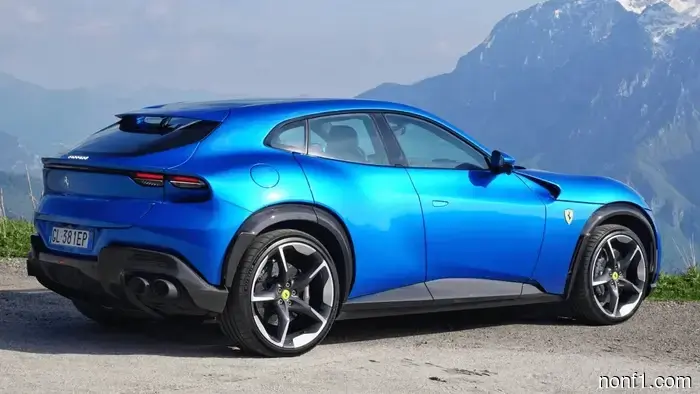 Revealing the Truth Behind the Reasons Supercar Manufacturers Offer SUVs
It’s commonly stated that luxury car makers produce SUVs merely to survive. However, that’s not completely accurate.
Revealing the Truth Behind the Reasons Supercar Manufacturers Offer SUVs
It’s commonly stated that luxury car makers produce SUVs merely to survive. However, that’s not completely accurate.
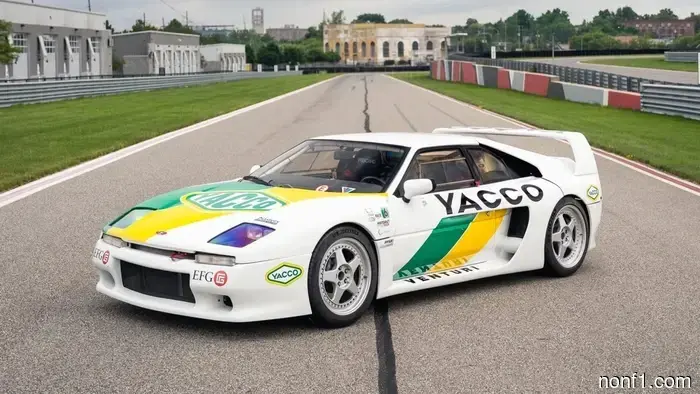 Experience Your ‘Gran Turismo’ Dreams with This Venturi 400 Available for Purchase
This car, often referred to as France's Ferrari F40, is one of fewer than 100 ever produced, and it boasts a notable competitive history.
Experience Your ‘Gran Turismo’ Dreams with This Venturi 400 Available for Purchase
This car, often referred to as France's Ferrari F40, is one of fewer than 100 ever produced, and it boasts a notable competitive history.
 Photo Gallery: 02/07. British Grand Prix, Thursday
© F1News.Ru Editorial 1997-2026. Media registration certificate El No. FS77-29173. Registered with the Federal Service for Supervision of Communications, Information Technology and Mass Media.
Photo Gallery: 02/07. British Grand Prix, Thursday
© F1News.Ru Editorial 1997-2026. Media registration certificate El No. FS77-29173. Registered with the Federal Service for Supervision of Communications, Information Technology and Mass Media.
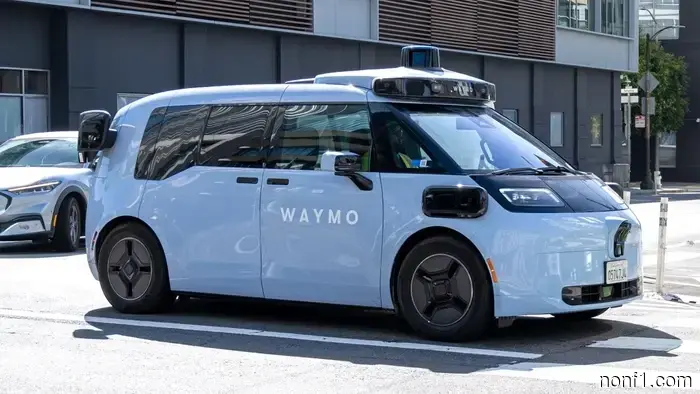 Traffic Authorities Promise to Introduce 'Innovation' by Removing Brake Pedals from Robotaxis
NHTSA aims to eliminate brake pedals in autonomous vehicles, but is postponing the discussion on how passengers can halt them in emergencies for later.
Traffic Authorities Promise to Introduce 'Innovation' by Removing Brake Pedals from Robotaxis
NHTSA aims to eliminate brake pedals in autonomous vehicles, but is postponing the discussion on how passengers can halt them in emergencies for later.
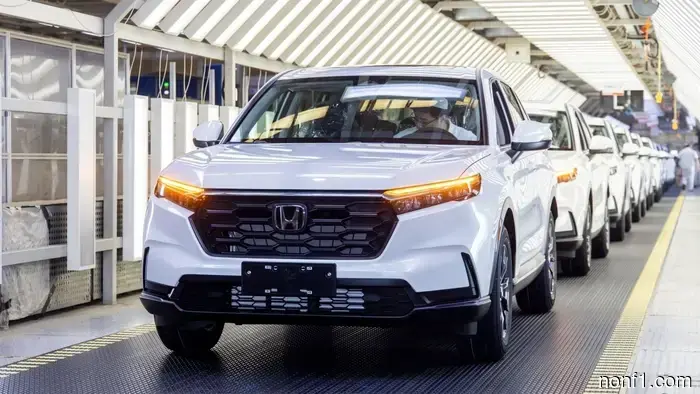 Honda Claims Title of America's Best-Selling Car from Ford and Toyota: TDS
While Ford and Toyota face challenges, Honda is benefitting as the CR-V has emerged as the top-selling model in the U.S. for the period leading up to 2026.
Honda Claims Title of America's Best-Selling Car from Ford and Toyota: TDS
While Ford and Toyota face challenges, Honda is benefitting as the CR-V has emerged as the top-selling model in the U.S. for the period leading up to 2026.
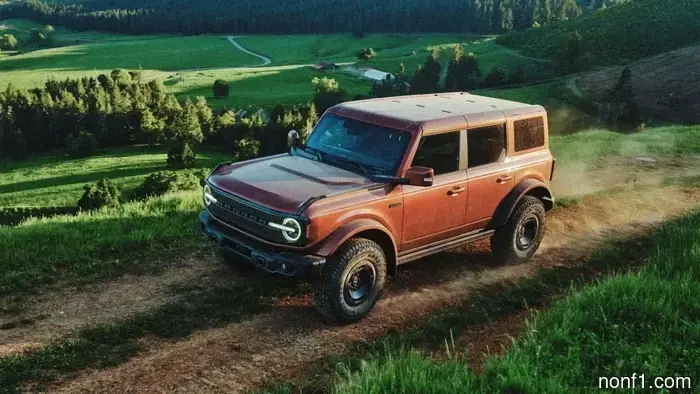 Q2 Sales Figures Position Ford Bronco Close to Jeep Wrangler
Since Ford reintroduced its 4x4 in 2021, the Bronco has been closely pursuing the Wrangler.
Q2 Sales Figures Position Ford Bronco Close to Jeep Wrangler
Since Ford reintroduced its 4x4 in 2021, the Bronco has been closely pursuing the Wrangler.
AM Radio May Be Required by Law in New Vehicles
If all elements align, car manufacturers would be compelled to incorporate AM receivers in their vehicles, despite resistance concerning one major issue: expense.