
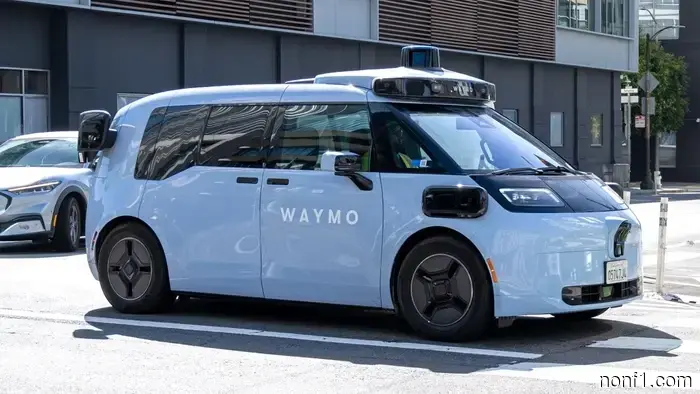
Traffic Authorities Promise to Introduce 'Innovation' by Removing Brake Pedals from Robotaxis
Smith Collection/Gado
The latest car news and reviews, no nonsense.
Our free daily newsletter delivers the most significant stories directly to you, every weekday.
Recently, the National Highway Traffic Safety Administration launched an initiative aimed at “safely unleashing American innovation” by proposing, among other things, the removal of brake pedals from autonomous vehicles identified as not needing them.
The agency intends to modify Federal Motor Vehicle Safety Standard (FMVSS) No. 135, which addresses “Light vehicle brake systems.” This standard was first introduced in 1995, and since then, passenger vehicles have evolved significantly. The proposed change would not alter any stopping distance requirements stipulated in No. 135, but it would eliminate the requirement for a pedal in vehicles governed by autonomous-driving systems, with braking systems assessed through an "alternative" method.
At this preliminary stage in the development of robotaxis, different companies are at various levels of progress and have different approaches. For instance, Waymo operates without human safety monitors, whereas Tesla still incorporates them, albeit in a limited capacity. This may change soon, as Tesla tests Cybercabs without human input in Austin—making regulatory changes like this align with its future plans.
If companies decide that having a monitor in the vehicle is unnecessary, then the elimination of brake pedals might not be of significant concern. The potential issue, however, lies in the NHTSA removing what it perceives as “pointless” barriers without proactively addressing forthcoming challenges.
For instance, a footnote on Page 9 indicates that "NHTSA is taking no position at this time as to how a passenger should be able to direct an ADS-operated vehicle to stop, or how the ADS should respond to such direction. NHTSA will continue to consider this issue as it addresses ADS performance." If the regulation is eliminating brake pedals, it would seem like an opportune moment to establish a failsafe or kill-switch protocol for passengers in rogue autonomous vehicles. It appears regulators prefer to address these concerns later, to put it as mildly as possible.
There are some promising ideas included. One proposal that supports the NHTSA’s assertion of modernizing without compromising vehicle safety is its stance on “telltales,” like a brake indicator visible to passengers. “Some stakeholders have indicated that telltales are only relevant to the driver, with the information needing to be communicated solely to the ADS for vehicles not operated by a human driver. NHTSA tentatively disagrees with this perspective," the framework states.
The proposal also mentions other less critical modernizations, such as the lack of necessity for windshield wiper controls in autonomous vehicles. Ultimately, these adjustments facilitate the entry of aspiring robotaxi companies into the market, which is beneficial for those involved in the robotaxi industry. However, for those of us not in that sector, the advantages remain less obvious.
Have a tip? Contact tips@thedrive.com.
Other articles
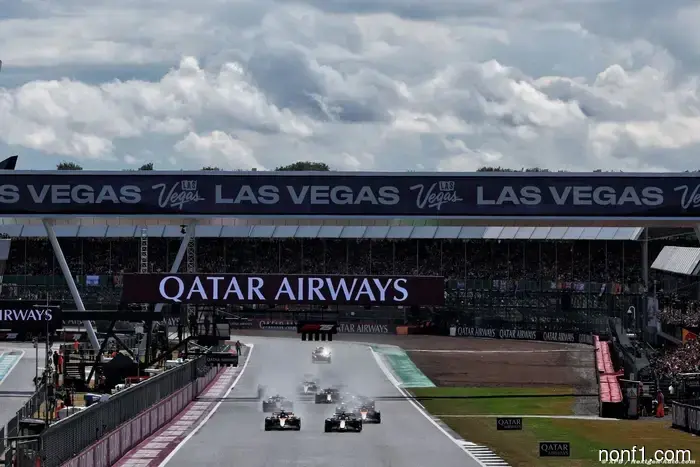 Domenicali open to talks about preserving Silverstone 'for good'
Formula 1 | The CEO of Formula 1, Stefano Domenicali, has expressed his readiness to talk about extending Silverstone's presence on the calendar beyond its current status.
Domenicali open to talks about preserving Silverstone 'for good'
Formula 1 | The CEO of Formula 1, Stefano Domenicali, has expressed his readiness to talk about extending Silverstone's presence on the calendar beyond its current status.
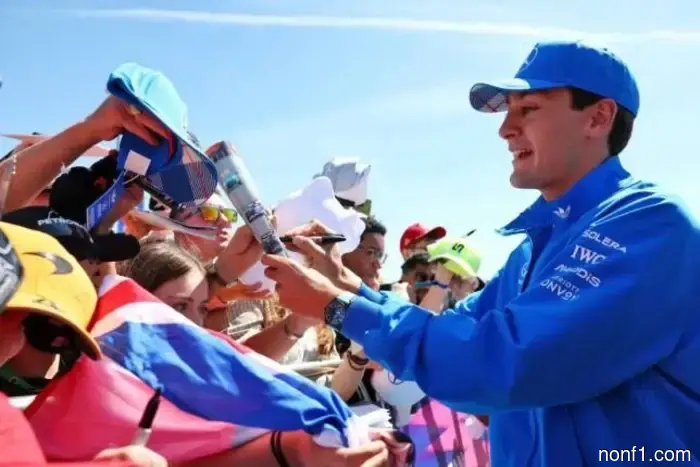 Photo Gallery: 02/07. British Grand Prix, Thursday
© F1News.Ru Editorial 1997-2026. Media registration certificate El No. FS77-29173. Registered with the Federal Service for Supervision of Communications, Information Technology and Mass Media.
Photo Gallery: 02/07. British Grand Prix, Thursday
© F1News.Ru Editorial 1997-2026. Media registration certificate El No. FS77-29173. Registered with the Federal Service for Supervision of Communications, Information Technology and Mass Media.
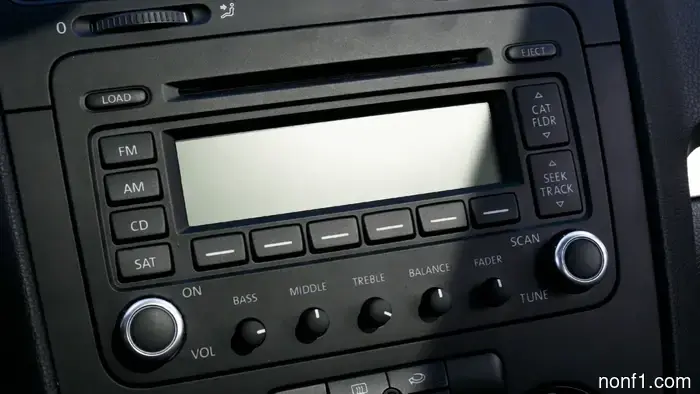 AM Radio May Be Required by Law in New Vehicles
If all elements align, car manufacturers would be compelled to incorporate AM receivers in their vehicles, despite resistance concerning one major issue: expense.
AM Radio May Be Required by Law in New Vehicles
If all elements align, car manufacturers would be compelled to incorporate AM receivers in their vehicles, despite resistance concerning one major issue: expense.
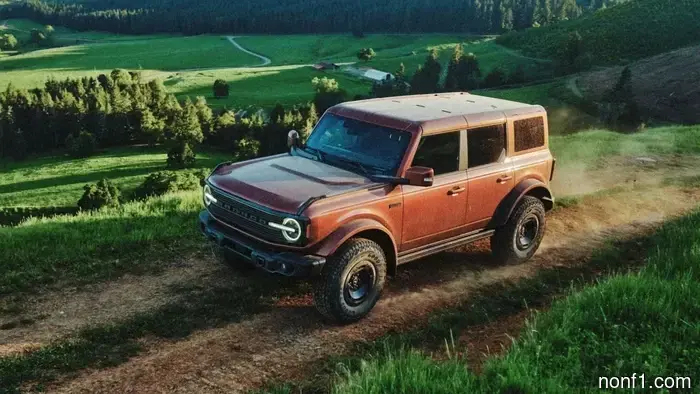 Q2 Sales Figures Bring Ford Bronco Close to Jeep Wrangler
Since Ford reintroduced its 4x4 in 2021, the Bronco has been closely following the Wrangler.
Q2 Sales Figures Bring Ford Bronco Close to Jeep Wrangler
Since Ford reintroduced its 4x4 in 2021, the Bronco has been closely following the Wrangler.
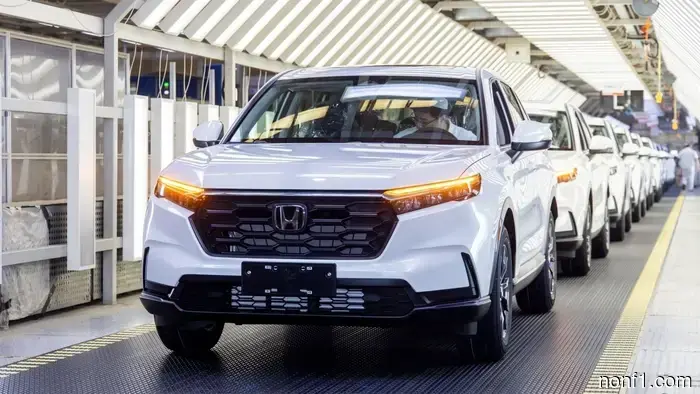 Honda Claims Title of America's Best-Selling Car from Ford and Toyota: TDS
While Ford and Toyota face challenges, Honda is benefitting as the CR-V has emerged as the top-selling model in the U.S. for the period leading up to 2026.
Honda Claims Title of America's Best-Selling Car from Ford and Toyota: TDS
While Ford and Toyota face challenges, Honda is benefitting as the CR-V has emerged as the top-selling model in the U.S. for the period leading up to 2026.
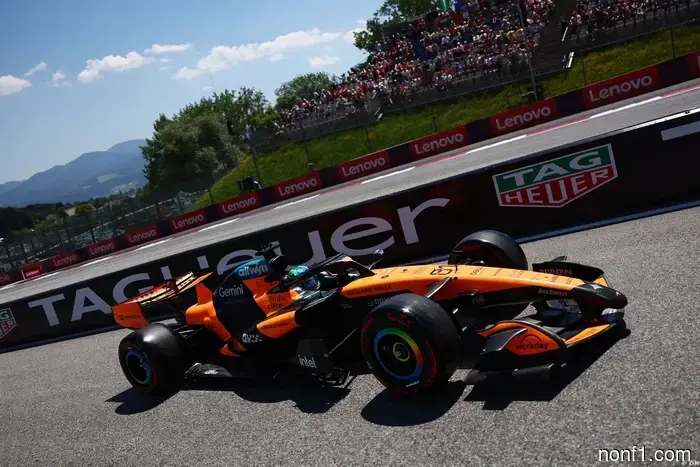 Stella believes McLaren can still overtake Mercedes despite the gap.
Formula 1 | McLaren's chief Andrea Stella asserts that the defending champions are not concerned, even though he acknowledges that Mercedes currently holds a distinct advantage in Formula 1's new (…)
Stella believes McLaren can still overtake Mercedes despite the gap.
Formula 1 | McLaren's chief Andrea Stella asserts that the defending champions are not concerned, even though he acknowledges that Mercedes currently holds a distinct advantage in Formula 1's new (…)
Traffic Authorities Promise to Introduce 'Innovation' by Removing Brake Pedals from Robotaxis
NHTSA aims to eliminate brake pedals in autonomous vehicles, but is postponing the discussion on how passengers can halt them in emergencies for later.