
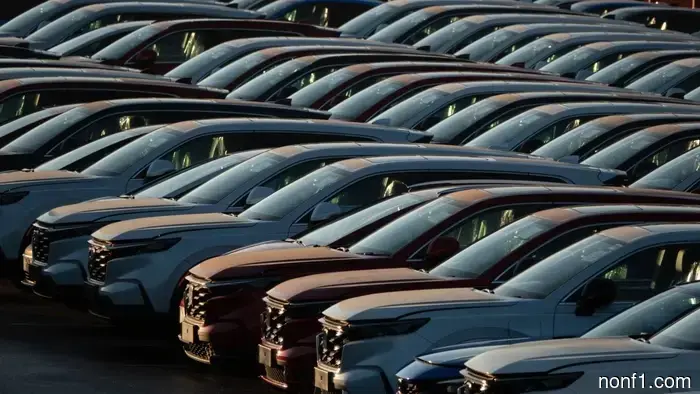
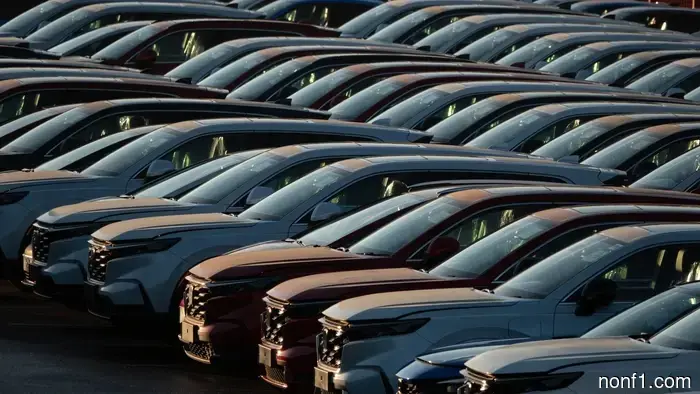
Dealers Are Demanding Higher Prices for New Cars Than Ever Before, with Sedans Seeing the Largest Increase.
Getty
The latest news and reviews in the automotive world, no nonsense
Our complimentary daily newsletter delivers the most significant stories directly to you every weekday.
Car prices are skyrocketing. With the average transaction price for new vehicles around $50,000, some dealerships have started selling salvage-titled cars because many buyers can't afford the other options on their lots. If you believed the industry recognized this situation as unsustainable, think again.
As of June 30, the average advertised price for a new car hit $51,974, surpassing a nearly three-year-old record, according to Automotive News. The term “average marketed price” refers to the price dealers advertise for a specific vehicle, inclusive of any discounts, focusing specifically on dealer pricing rather than prices set by manufacturers. Automotive News gathered this data from inventory and pricing information of 133 nameplates from franchised dealer websites, covering a vast portion of the market but excluding brands like Tesla, Lucid, and Rivian that sell directly to consumers.
The new record was initially exceeded by a slim margin. On June 26, prices topped the prior record of $51,820 (from July 7, 2023) by just one dollar and increased by an additional $154 over the next four days. By the end of June, the average was $2,421—or 4.9%—higher than the same day the previous year, and $314 more than the previous month.
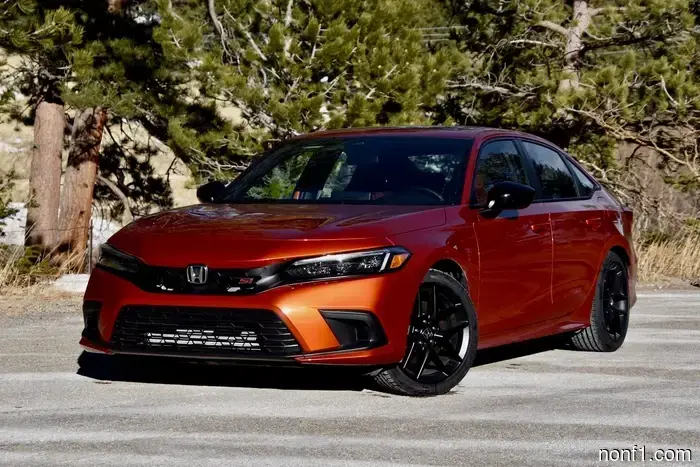
According to Automotive News, asking prices increased in most market segments compared to a year ago. Compact sedans experienced the largest rise, with the average marketed price climbing by $2,869—12%—since the end of June 2025. This may be attributed to consumers seeking more affordable new cars, indicating a growing demand for sedans, prompting Detroit automakers to consider reintroducing them.
Five segments experienced average price declines, but most of these were not mainstream. Convertibles saw the highest drop at 9.8%, followed by minivans with a 3.2% decrease. Additionally, what Automotive News terms “full-size and extra-large luxury SUVs” as well as “luxury vans” faced price reductions, although categorizing these two as market segments is somewhat convoluted.
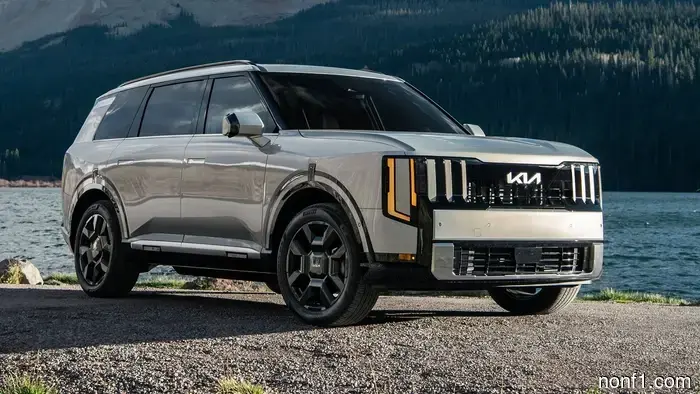
Out of the 133 tracked nameplates, 99 recorded price increases, with some—like the Nissan Rogue’s minimal 0.2% rise—being negligible. Five nameplates logged average marketed price increases exceeding 10% compared to the previous year. The Kia Telluride experienced a 16.4% increase, while average Toyota RAV4 prices rose by 15.7% year-over-year. Both models are popular and only recently redesigned, indicating that the price hikes likely reflect strong demand. Conversely, prices for the Hyundai Ioniq 5 dropped by 17%, and Jeep Wrangler prices fell by 4% compared to last year.
Other articles
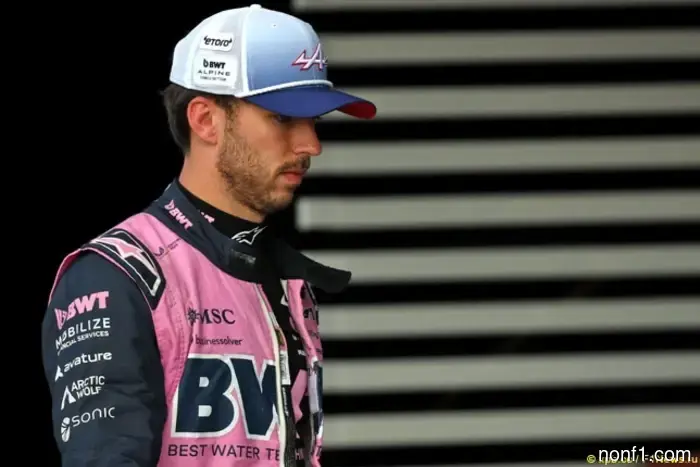 Pierre Gasly will lose three positions at the start.
Pierre Gasly will lose three positions at the start of the British Grand Prix.
Pierre Gasly will lose three positions at the start.
Pierre Gasly will lose three positions at the start of the British Grand Prix.
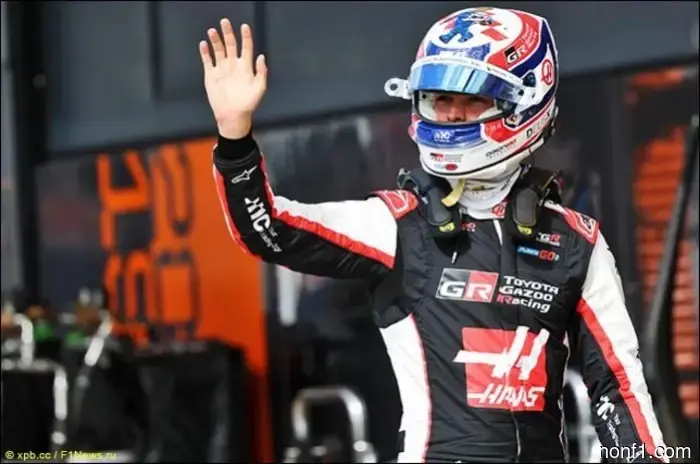 Berman: Achieving more would still not have been possible.
The best result for Haas F1 in Silverstone was Oliver Berman's 14th place, while his teammate Esteban Ocon was out of the race in the very first session...
Berman: Achieving more would still not have been possible.
The best result for Haas F1 in Silverstone was Oliver Berman's 14th place, while his teammate Esteban Ocon was out of the race in the very first session...
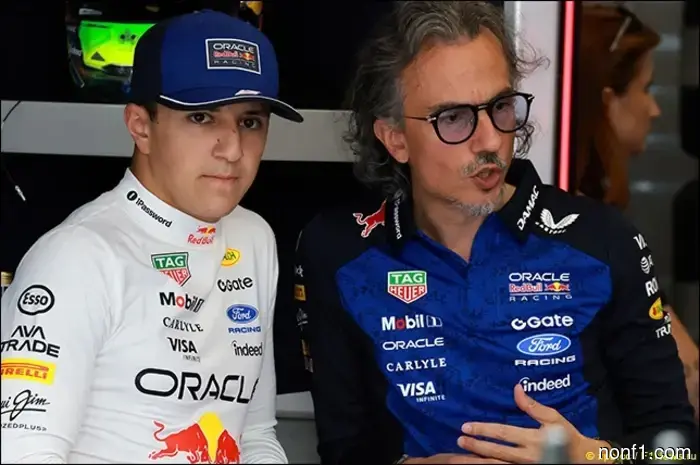 Hadjar: It's strange that Racing Bulls start better than us.
Isaac Hajar started the sprint in eighth place and hoped for points, but lost four positions at the start...
Hadjar: It's strange that Racing Bulls start better than us.
Isaac Hajar started the sprint in eighth place and hoped for points, but lost four positions at the start...
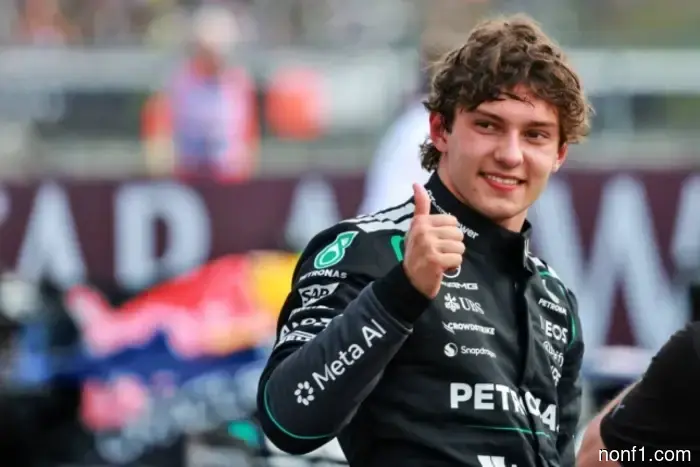 Kimi Antonelli: We did everything right
Kimi Antonelli will start from pole position for the fifth time this season – in qualifying at Silverstone, he was the fastest of all...
Kimi Antonelli: We did everything right
Kimi Antonelli will start from pole position for the fifth time this season – in qualifying at Silverstone, he was the fastest of all...
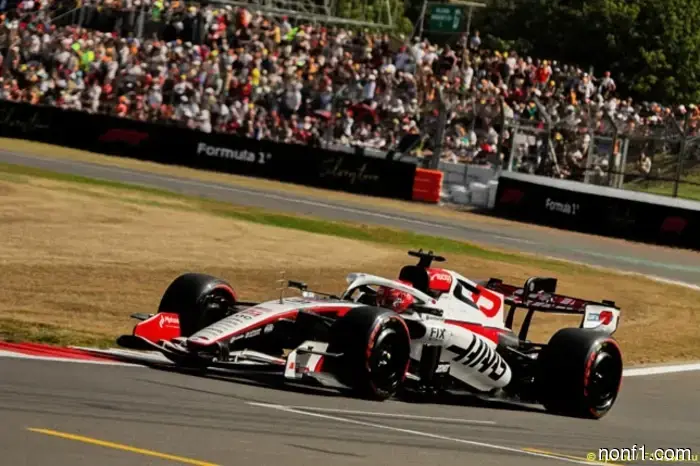 The stewards did not penalize Esteban Ocon.
The stewards of the British Grand Prix reviewed Esteban Ocon's actions during qualifying and decided not to impose any penalties on him.
The stewards did not penalize Esteban Ocon.
The stewards of the British Grand Prix reviewed Esteban Ocon's actions during qualifying and decided not to impose any penalties on him.
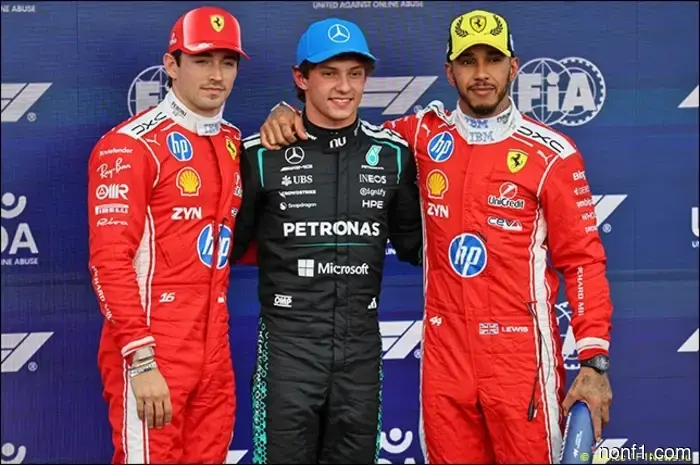 British Grand Prix: Pole for Antonelli
Kimi Antonelli won the qualification in Silverstone, securing his fifth pole of the season.
British Grand Prix: Pole for Antonelli
Kimi Antonelli won the qualification in Silverstone, securing his fifth pole of the season.
Dealers Are Demanding Higher Prices for New Cars Than Ever Before, with Sedans Seeing the Largest Increase.
In June, the average prices advertised for new cars reached an all-time high as the issue of affordability persists.