
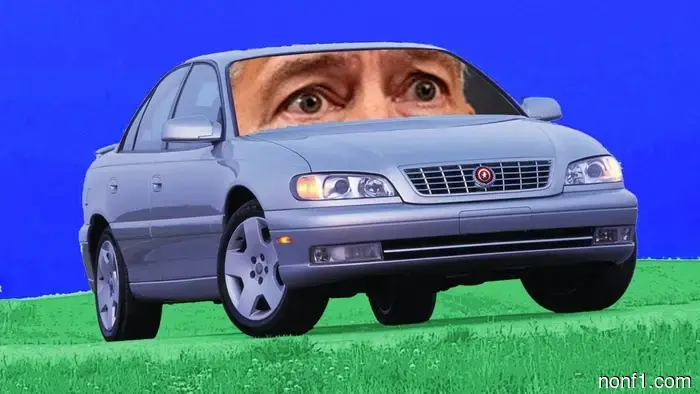
The 'Freedom Car' Targets the Correct Concept but Misidentifies the Culprit
Andrew P. Collins
The latest in automotive news and reviews, no nonsense
Sign up for our free daily newsletter to receive the most important stories straight to your inbox every weekday.
‘Freedom Car’ concept faces criticism. The proposal seeks to prohibit mandates for automated and connected vehicles, but is criticized for its lack of substance.
Noteworthy historical irony. The 2002 ‘FreedomCAR’ advocated for hydrogen technology, while the 2026 variant opposes technology mandates.
Automakers wield significant influence. Without legislation, companies have the autonomy to choose vehicle connectivity, which limits consumer options.
The role of insurance companies. Insurers could render non-tracked vehicles impractical by pushing for data collection.
AI assisted, editor reviewed
Transportation Secretary Sean Duffy's letter to six senators involved in the highway bill is making waves in the news this week. Hidden within is a phrase that demands our attention: “Freedom Car.” The Freedom Car concept has merit, but the manner in which it is being presented is, at best, myopic and, at worst, regressive.
What Is the “Freedom Car”?
This is not a new trim level from Dodge or a proposal for a government-subsidized American counterpart to East Germany’s Trabant—though there's a level of irony in Secretary Duffy's approach.
It is also not a proposed statute or specific regulation. It simply appears as a bullet point in a list of ideas. I’ll share the precise wording from the document here.
In Appendix A, under the section Protecting Consumer Choice, Duffy stated:
“Freedom Car – Right to Drive Disconnected and Non-Automated: Prohibit any Federal, State, tribal, or local authority from mandating that vehicles sold or operated on public roads be equipped with automated driving systems or have the capability to transmit data wirelessly.”
It is referenced again in the main body on page three:
“Protecting Consumer Choice: We must safeguard the right of Americans to purchase and operate traditional vehicles by prohibiting any mandates necessitating that vehicles be capable of wireless data transmission or automated driving.”
Republicans Previously Promoted ‘FreedomCAR’ in 2002
Here’s the irony I hinted at earlier. In 2002, then-Energy Secretary Spencer Abraham introduced the “FreedomCAR Partnership” initiative. (CAR stood for Cooperative Automotive Research.) It was a collaborative R&D agreement between the Department of Energy and the major Detroit automakers (Ford, GM, and what was then DaimlerChrysler) aimed at commercializing hydrogen fuel-cell technology.
Then-President Bush elevated it to the 2003 FreedomCAR and Fuel Initiative, aiming to reduce dependency on foreign oil. Spoiler alert: It did not succeed, and we did not transition to hydrogen by 2010, as Secretary Abraham had envisioned.
To put it another way:
The 2002 FreedomCAR was a Republican-branded initiative aimed at a technology mandate—encouraging industry adoption of hydrogen/fuel-cell technology, framed around “freedom,” including consumer choices.
Duffy’s 2026 Freedom Car is a Republican-branded initiative focused on blocking a technology mandate—preventing the government from enforcing connected/automated technology, also framed as consumer freedom.
Same party, same slogan, same “freedom” rhetoric—contrary policies. This kind of slogan-driven marketing is a common practice in bipartisan Washington, but the “Freedom” + “car” combination is now making its second appearance on the Republican stage. This time, the focus is on excluding technology rather than fostering it.
The Flaw in the 2026 ‘Freedom Car’ Argument
Duffy discussed the prevention of government mandates on autonomous or connected vehicles. At first glance, it may appear to be a sound proposal. In the short term, such an official policy would uphold your right to operate pre-Bluetooth vehicles. However, it fails to address what automakers will actually manufacture and sell.
Because, guess what: There is a limited supply of non-digitally connected vehicles, and their numbers are diminishing. Driving a well-maintained 2005 Mazda3 daily might be feasible in 2026, but what about in 2046?
If the U.S. government genuinely wished to safeguard Americans’ rights to operate disconnected vehicles, it would need to create laws ensuring their ongoing availability. The way the “Freedom Car” notion is articulated in Duffy’s letter gives all the power to companies. If they collectively choose to make all vehicles connected, by the time our children start driving, it will likely be impractical or even impossible to daily operate something old enough not to be actively gathering user data.
Also relevant are insurance companies. Currently, a common insurance scheme is to incentivize drivers to install their own vehicle trackers, promising reduced rates if their driving behavior meets certain criteria. Insurance is mandatory in most states, so insurers could collectively decide not to underwrite non-tracked vehicles, presenting it as a road safety improvement, effectively making older cars illegal.
Other articles
 Resta explained Mercedes' approach to upgrading technology.
Simone Resta, the deputy technical director of Mercedes, commented on the rather unusual approach to upgrading the car that the factory team of the Stuttgart company is following in 2026...
Resta explained Mercedes' approach to upgrading technology.
Simone Resta, the deputy technical director of Mercedes, commented on the rather unusual approach to upgrading the car that the factory team of the Stuttgart company is following in 2026...
 Lindblad: I want to try my hand in the Supercars series.
In three days, Arvid Lindblad will turn 19 years old. The British Racing Bulls driver is predicted to have a bright future, but he already knows what he wants to do after his career in Formula 1...
Lindblad: I want to try my hand in the Supercars series.
In three days, Arvid Lindblad will turn 19 years old. The British Racing Bulls driver is predicted to have a bright future, but he already knows what he wants to do after his career in Formula 1...
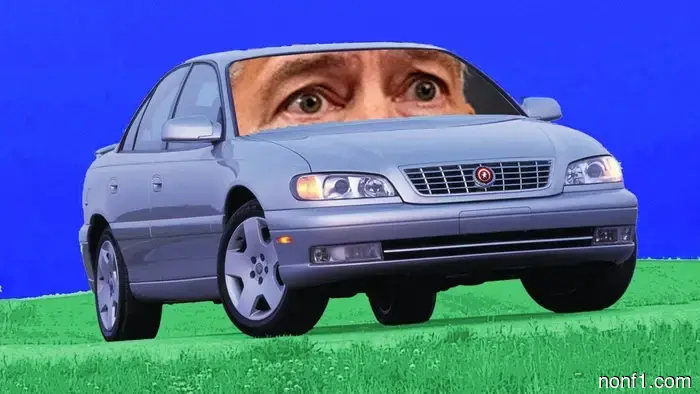 The ‘Freedom Car’ Targets the Correct Concept but Misidentifies the Real Culprit.
Sean Duffy's "Freedom Car" idea seems appealing, but it overlooks a significant gap in safeguarding the freedom of American motorists.
The ‘Freedom Car’ Targets the Correct Concept but Misidentifies the Real Culprit.
Sean Duffy's "Freedom Car" idea seems appealing, but it overlooks a significant gap in safeguarding the freedom of American motorists.
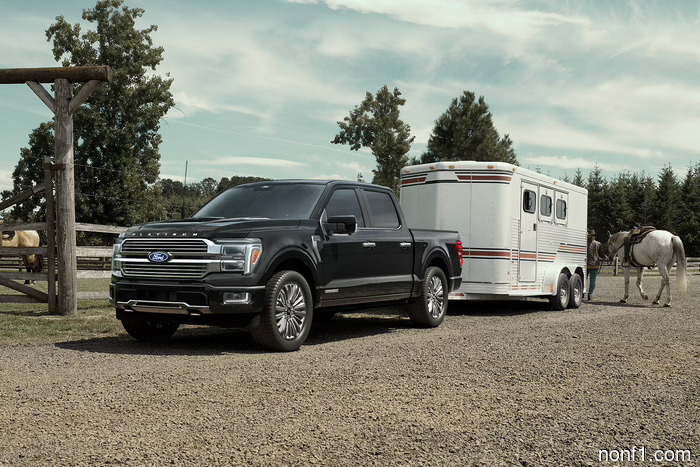 2027 Ford F-150 Removes 2.7L EcoBoost Engine and Reintroduces V8 for Higher Trim Levels
The King Ranch and Platinum trims are once more offered with the 5.0-liter Coyote engine, and Ford is introducing a new base engine for the F-150.
2027 Ford F-150 Removes 2.7L EcoBoost Engine and Reintroduces V8 for Higher Trim Levels
The King Ranch and Platinum trims are once more offered with the 5.0-liter Coyote engine, and Ford is introducing a new base engine for the F-150.
 Max Verstappen: Our Lily is my best reward
One of the main features of the latest issue of the Dutch magazine Formule1 is an interview with Max Verstappen, in which he talks not only about racing...
Max Verstappen: Our Lily is my best reward
One of the main features of the latest issue of the Dutch magazine Formule1 is an interview with Max Verstappen, in which he talks not only about racing...
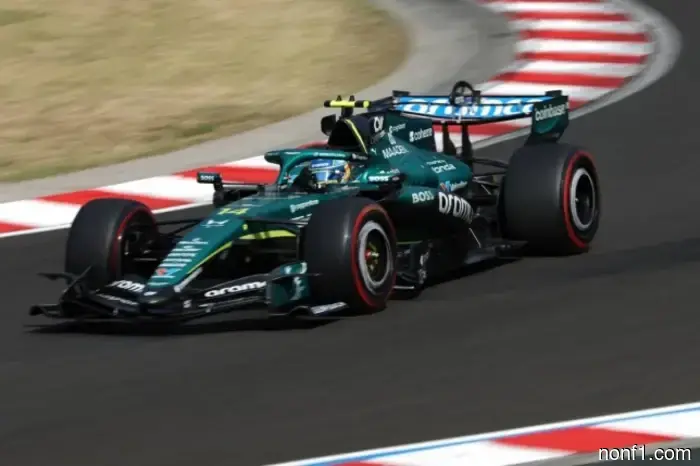 Steiner suggests refraining from criticizing Aston Martin.
Gunther Steiner expressed support for Aston Martin F1, believing that they have made significant progress, so it is better to refrain from further criticism...
Steiner suggests refraining from criticizing Aston Martin.
Gunther Steiner expressed support for Aston Martin F1, believing that they have made significant progress, so it is better to refrain from further criticism...
The 'Freedom Car' Targets the Correct Concept but Misidentifies the Culprit
Sean Duffy's idea of the "Freedom Car" seems appealing, but it has a significant oversight regarding the protection of American drivers' freedom.