
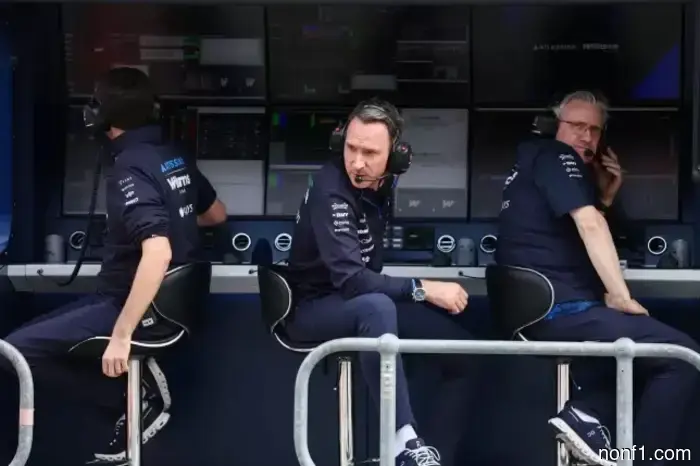
Paul Williams on the features of the weekend in Monza...
Before the Italian Grand Prix, Williams' chief race engineer Paul Williams spoke about the factors that could influence the weekend's proceedings...
Question: What are the main technical challenges of the Monza circuit?
Paul Williams: The track consists of long straights connected by slow chicanes – this weekend, teams will use settings with the lowest drag levels of the season. With so few braking zones where energy can be recovered, managing its distribution on the lap becomes crucial. With the 2026 cars, we may see extensive use of slipstreaming. Sharp braking before the slow chicanes will increase the demands on brake stability and grip on the asphalt, and an aggressive attack on the curbs in the first two chicanes will play a decisive role in achieving a good lap time. Traditionally, it will be challenging to get the tires into their working window, especially difficult on this track to warm up the front tires – this issue is exacerbated by energy usage limitations.
Question: How will the specifics of the 2026 regulations affect the approach to the weekend?
Paul Williams: From an energy management perspective, the Monza circuit is quite challenging. Energy recovery opportunities are limited, and consumption is among the highest of the season. In qualifying, the out-lap from the pits will be crucial not only for preparing the tires but also for charging the battery before the long stretch to the first corner. We will see four DRS zones where active aerodynamics can be used; they will remain active even in wet conditions, but in this case, the activation points will be shifted.
Question: What are the characteristics of working with tires at Monza?
Paul Williams: Pirelli has chosen the softest compounds, which are quite suitable for a track where lateral loads are not high. The Monza circuit is very flat and has the highest load imbalance to the left side of the season. Despite the low energy in the corners, the tires can be warmed up on the long straights through intense maneuvering. In the race, the long straights give the tires a chance to cool down. The main limiting factor will be tire wear on the left side.
Question: What strategic considerations should be taken into account?
Paul Williams: The race is expected to be run with one pit stop, so most teams are likely to keep five sets of Soft for qualifying, leaving one set of Medium and Hard for the race. All compounds can play their role in the race; during long stints, teams will be able to assess the difference between the compounds. Overtaking one car at Monza is easy, but the track configuration encourages the formation of train-like groups of cars, so pace in qualifying is as important as pace in the race. The likelihood of a safety car deployment during the race is 40%, and the probability of a VSC being called is 30%, although the last three races at Monza have gone without incidents.
Other articles
 Kulthard sees nothing unusual in the Red Bull situation.
David Coulthard believes that it is not entirely correct to talk about the exodus of leading specialists from Red Bull Racing, although many who were co-authors of Sebastian Vettel's and Max Verstappen's victories have indeed left the team...
Kulthard sees nothing unusual in the Red Bull situation.
David Coulthard believes that it is not entirely correct to talk about the exodus of leading specialists from Red Bull Racing, although many who were co-authors of Sebastian Vettel's and Max Verstappen's victories have indeed left the team...
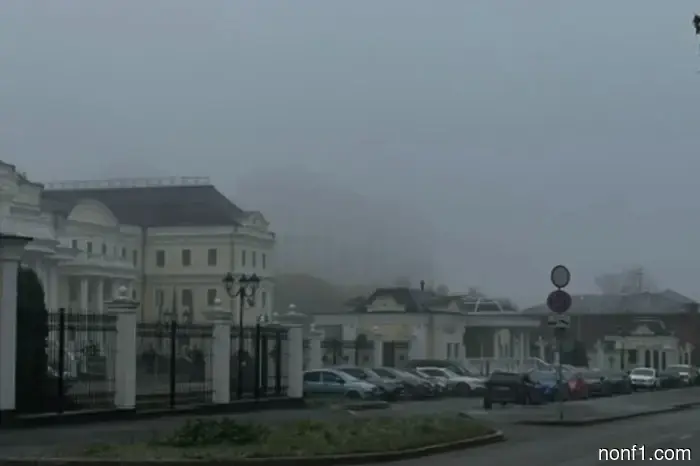 The ACI Autoclub commemorates a significant event in the history of Ferrari.
From today, the Ferrari F399 is on public display at the Milan headquarters of the Italian national automobile club ACI...
The ACI Autoclub commemorates a significant event in the history of Ferrari.
From today, the Ferrari F399 is on public display at the Milan headquarters of the Italian national automobile club ACI...
 The company Pirelli showcased the trophies for the Italian Grand Prix.
Pirelli tire manufacturers are preparing for the Italian Grand Prix, which is particularly important for the company, as it is not only their home stage of the World Championship – they are also acting as the title sponsor...
The company Pirelli showcased the trophies for the Italian Grand Prix.
Pirelli tire manufacturers are preparing for the Italian Grand Prix, which is particularly important for the company, as it is not only their home stage of the World Championship – they are also acting as the title sponsor...
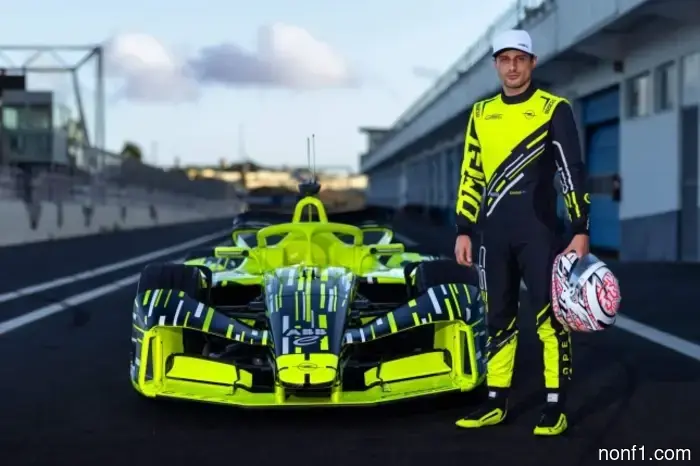 Italian Grand Prix: Preliminary Weather Forecast
The preliminary forecast promises hot weather during the race weekend in Monza.
Italian Grand Prix: Preliminary Weather Forecast
The preliminary forecast promises hot weather during the race weekend in Monza.
Italian Grand Prix: Preliminary Weather Forecast
The preliminary forecast promises hot weather during the race weekend in Monza.
Italian Grand Prix: Preliminary Weather Forecast
The preliminary forecast promises hot weather during the race weekend in Monza.
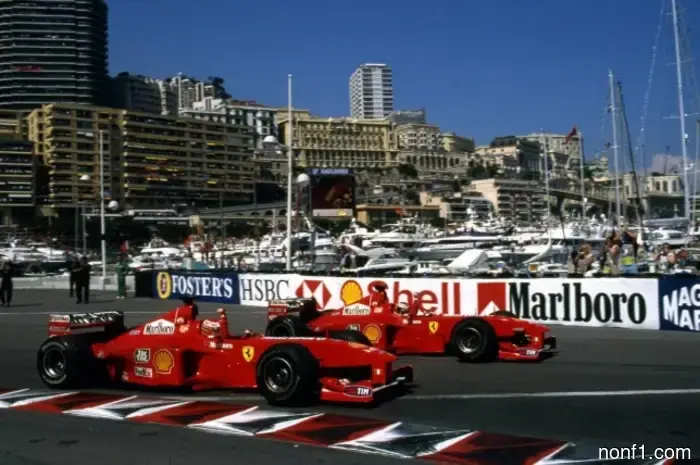 The ACI Autoclub marks a significant event in the history of Ferrari.
From today, the Ferrari F399 is on public display at the Milan headquarters of the Italian national automobile club ACI...
The ACI Autoclub marks a significant event in the history of Ferrari.
From today, the Ferrari F399 is on public display at the Milan headquarters of the Italian national automobile club ACI...
Paul Williams on the features of the weekend in Monza...
Before the Italian Grand Prix, Williams' chief race engineer Paul Williams spoke about the factors that could influence the course of the weekend...