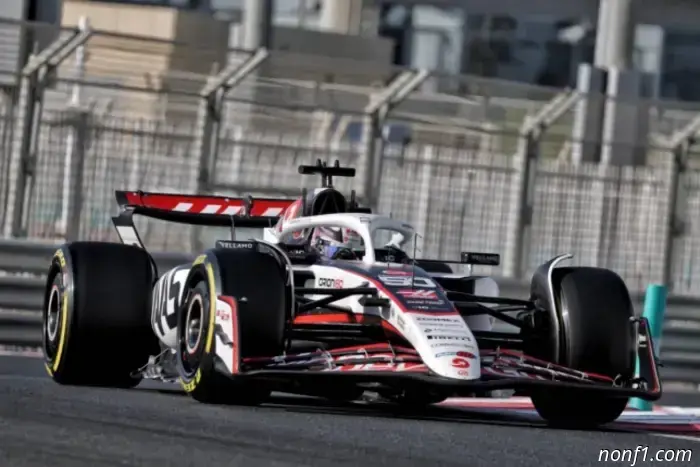
В компании Toyota надеются, что их гонщик займет позицию в Haas.

В компании Toyota надеются, что их гонщик займет позицию в Haas.

      Сотрудничество между Haas F1 и Toyota Gazoo Racing постепенно расширяется, и в 2026 году спортивное подразделение японской компании станет титульным партнером команды.

      Неудивительно, что среди наиболее перспективных и быстрых гонщиков Toyota, участвующих в других гоночных сериях, есть такие, кто мечтает попасть в Формулу 1, например, Рио Хиракава, который уже не раз тестировал машины Haas на тренировках.

      Когда Айо Комацу спросили, обсуждали ли на переговорах с Toyota возможность включения японских гонщиков в основной состав Haas, глава американской команды ответил утвердительно: «Да, конечно. У Toyota много задач, и одна из них – подготовка кадров, включая гонщиков.

      Но основной фактор – это их результаты. Каждый, кто садится за управление нашей машиной, должен быть лучшим выбором в плане способности показывать результат на трассе. С этим согласен каждый, включая Акио Тоёду (президента Toyota Motor Corporation), даже если он бы хотел, чтобы это был японский пилот из академии Toyota.

      Но если мы возьмём гонщика, который недостаточно хорош, это будет несерьезный подход, так как начнутся разговоры о том, что Toyota просто покупает место в команде за деньги. Акио-сан так не поступает, и мы тоже. Мы всегда выбираем тех, кто способен показывать результаты».

      Гонщики Toyota участвуют в различных категориях, включая WEC, национальную серию Super Formula и чемпионат мира по ралли. Кстати, 25-летний финн Калле Рованперя, двукратный чемпион WRC, с поддержкой Toyota готовится попробовать свои силы в Super Formula с прицелом на Формулу 2, а дальше будет зависеть только от его результатов.

      При этом Комацу опроверг информацию о том, что японская корпорация планирует получить полный контроль над Haas F1. Цель партнерства – именно подготовка гоночных и инженерных кадров.

Другие статьи
Рашбрук: Ведутся работы по улучшению характеристик двигателя. Рашбрук: Ведутся работы по улучшению характеристик двигателя. Директор Ford Performance Motorsport рассказал о текущем состоянии силовой установки, произведенной Red Bull Powertrains, и его комментарии внушают оптимизм... Штайнер: Макс играет совершенно на другом уровне. Штайнер: Макс играет совершенно на другом уровне. Штайнер: Макс играет совершенно на другом уровне. Бортолето: Приятно осознавать, что Фернандо может гордиться мной. Бортолето: Приятно осознавать, что Фернандо может гордиться мной. Габриэль Бортолето уже продемонстрировал свои способности за рулём гоночного автомобиля, когда настройки соответствуют его предпочтениям, и вполне естественно, что в Sauber этим довольны, поэтому он продолжит выступления за команду из Хинвиля в 2026 году... Будковски: Конфликты внутри Red Bull достигли крайней точки. Будковски: Конфликты внутри Red Bull достигли крайней точки. Марцин Будковски, который в настоящее время работает экспертом на телеканале Viaplay, озвучил свою точку зрения на причины увольнения Хельмута Марко из компании Red Bull... A recent pilot program in an EU country has seen AI cameras issue fines to thousands of drivers, with further developments on the horizon as authorities enhance surveillance efforts. 

Greece has introduced AI cameras in key areas of central Athens.

Within just four days of implementation, these cameras recorded 2,500 traffic violations.

The initial rollout included monitoring in eight designated zones.

Artificial intelligence is becoming increasingly prevalent in various sectors, including traffic enforcement. Greece has adopted a new, efficient, and cost-effective approach to monitor driving behavior with AI-enabled cameras.

During the initial trial across eight sites in Athens, almost 2,500 significant violations were detected over just four days, underscoring that many drivers do not adhere strictly to traffic laws.

Critics argue that if every minor infraction is reported, even the most careful drivers, and police officers, might appear to be violators.

What Violations Are These Smart Cameras Detecting?

In addition to speeding and ignoring traffic signals, the AI cameras can identify multiple infractions, including not wearing seatbelts, using mobile phones while driving, and improperly utilizing emergency lanes.

When a violation occurs, the camera captures a time-stamped video and a still image, both encrypted to maintain the evidence’s integrity.

Fines are not issued by on-site police officers; instead, offenders receive notifications via SMS, email, or through a government portal, allowing them to pay the penalties directly. An appeals process is available, but the video evidence rarely leaves room for dispute.

One Camera, One Thousand Violations

As reported by authorities, a single AI camera on Syngrou Avenue, a major road connecting Athens and the port of Piraeus, recorded over 1,000 violations within just four days, representing nearly half of all infractions detected during the pilot phase.

Other locations have revealed similar patterns. At the busy intersection of Mesogeion and Halandriou avenues in Agia Paraskevi, 480 drivers were documented running red lights. Another 285 violations were noted at the junction of Vouliagmenis Avenue and Tinou Street in Kalithea, indicating that this issue is widespread.

Those not wearing seatbelts or using a phone while driving face fines of €350 (approximately $410), while speeding fines range from €150-750 ($180-880) depending on the severity. With such potential penalties, it's estimated that one AI camera could generate up to €750,000 ($880,000) in fines within just three days. Whether this is viewed as a deterrent or a sign of systemic issues remains subjective, but the revenue possibilities are significant.

From Pilot Initiative to Nationwide Monitoring

At present, only eight AI camera locations are operational, all managed by the Ministry of Digital Governance. However, plans are in place to expand the network to 2,000 fixed cameras across the country, alongside 500 mobile units that will be installed on public buses to oversee illegal use of bus lanes.

Officials aim for this expanded system to reduce traffic accidents and fatalities, relieve pressure on police resources, and ensure consistent funding for public services. The state's commitment to using automation seems unwavering, regardless of its impact on driver behavior.

Digital Governance Minister Dimitris Papastergiou expressed to Kathimerini that the government's goal is not punitive but protective. “This is a political choice with a clear social goal: reducing traffic accidents and saving lives,” he stated. “We are not adopting a punitive stance. We want citizens to understand that the rules are applicable to everyone and enforced in a fair and modern manner.”

An Expanding Global Trend

Greece is not the only country leveraging technology for traffic control. AI cameras are operational in nations such as the UK, Germany, France, Spain, Australia, India, China, Japan, and across the Middle East and the United States. Moving forward, many roads will be under constant surveillance. A recent pilot program in an EU country has seen AI cameras issue fines to thousands of drivers, with further developments on the horizon as authorities enhance surveillance efforts. Greece has introduced AI cameras in key areas of central Athens. Within just four days of implementation, these cameras recorded 2,500 traffic violations. The initial rollout included monitoring in eight designated zones. Artificial intelligence is becoming increasingly prevalent in various sectors, including traffic enforcement. Greece has adopted a new, efficient, and cost-effective approach to monitor driving behavior with AI-enabled cameras. During the initial trial across eight sites in Athens, almost 2,500 significant violations were detected over just four days, underscoring that many drivers do not adhere strictly to traffic laws. Critics argue that if every minor infraction is reported, even the most careful drivers, and police officers, might appear to be violators. What Violations Are These Smart Cameras Detecting? In addition to speeding and ignoring traffic signals, the AI cameras can identify multiple infractions, including not wearing seatbelts, using mobile phones while driving, and improperly utilizing emergency lanes. When a violation occurs, the camera captures a time-stamped video and a still image, both encrypted to maintain the evidence’s integrity. Fines are not issued by on-site police officers; instead, offenders receive notifications via SMS, email, or through a government portal, allowing them to pay the penalties directly. An appeals process is available, but the video evidence rarely leaves room for dispute. One Camera, One Thousand Violations As reported by authorities, a single AI camera on Syngrou Avenue, a major road connecting Athens and the port of Piraeus, recorded over 1,000 violations within just four days, representing nearly half of all infractions detected during the pilot phase. Other locations have revealed similar patterns. At the busy intersection of Mesogeion and Halandriou avenues in Agia Paraskevi, 480 drivers were documented running red lights. Another 285 violations were noted at the junction of Vouliagmenis Avenue and Tinou Street in Kalithea, indicating that this issue is widespread. Those not wearing seatbelts or using a phone while driving face fines of €350 (approximately $410), while speeding fines range from €150-750 ($180-880) depending on the severity. With such potential penalties, it's estimated that one AI camera could generate up to €750,000 ($880,000) in fines within just three days. Whether this is viewed as a deterrent or a sign of systemic issues remains subjective, but the revenue possibilities are significant. From Pilot Initiative to Nationwide Monitoring At present, only eight AI camera locations are operational, all managed by the Ministry of Digital Governance. However, plans are in place to expand the network to 2,000 fixed cameras across the country, alongside 500 mobile units that will be installed on public buses to oversee illegal use of bus lanes. Officials aim for this expanded system to reduce traffic accidents and fatalities, relieve pressure on police resources, and ensure consistent funding for public services. The state's commitment to using automation seems unwavering, regardless of its impact on driver behavior. Digital Governance Minister Dimitris Papastergiou expressed to Kathimerini that the government's goal is not punitive but protective. “This is a political choice with a clear social goal: reducing traffic accidents and saving lives,” he stated. “We are not adopting a punitive stance. We want citizens to understand that the rules are applicable to everyone and enforced in a fair and modern manner.” An Expanding Global Trend Greece is not the only country leveraging technology for traffic control. AI cameras are operational in nations such as the UK, Germany, France, Spain, Australia, India, China, Japan, and across the Middle East and the United States. Moving forward, many roads will be under constant surveillance. Льюис Хэмилтон с большим ожиданием надеется, что в 2026 году, когда Формула 1 внедрит совершенно новые технологии, не возникнут те же трудности, которые были присущи машинам предыдущего поколения... Брауну нужно будет сдержать обещание, данное Норрису. Брауну нужно будет сдержать обещание, данное Норрису. Ландо Норрис стал 11-м британским пилотом, которому удалось выиграть чемпионский титул в Формуле 1, и в качестве награды за своё достижение он получит не только желанный кубок...

В компании Toyota надеются, что их гонщик займет позицию в Haas.

Руководитель команды Haas F1 не скрывает, что в Toyota надеются на участие одного из своих заводских гонщиков в основном составе американской команды, однако для этого необходимы результаты...