
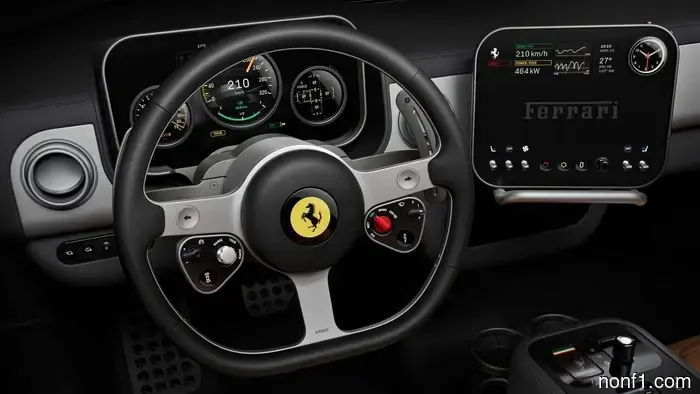
According to the CEO of Ferrari, touch controls are 50% less expensive than traditional buttons.
The latest in car news and reviews, no fluff
Our free daily newsletter delivers the essential stories right to you every weekday.
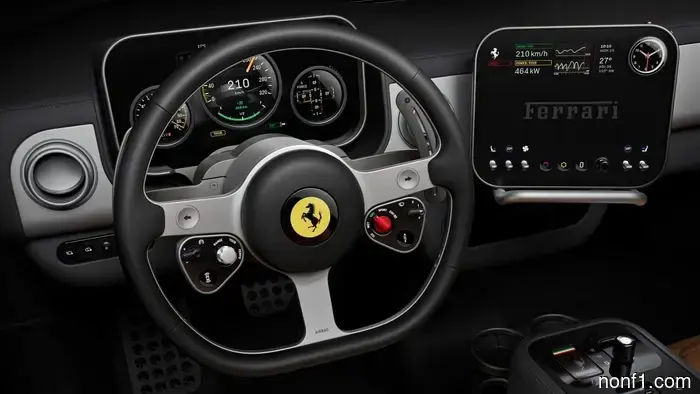
Earlier this year in February, Ferrari unveiled details about its all-electric model, the Luce. Touted as the Ferrari of the uncertain electrified future, the Luce's design concept significantly incorporates modern technology. However, that’s not the sole reason for the increased use of glass in the cockpit; this decision also resulted in substantial cost savings for Ferrari.
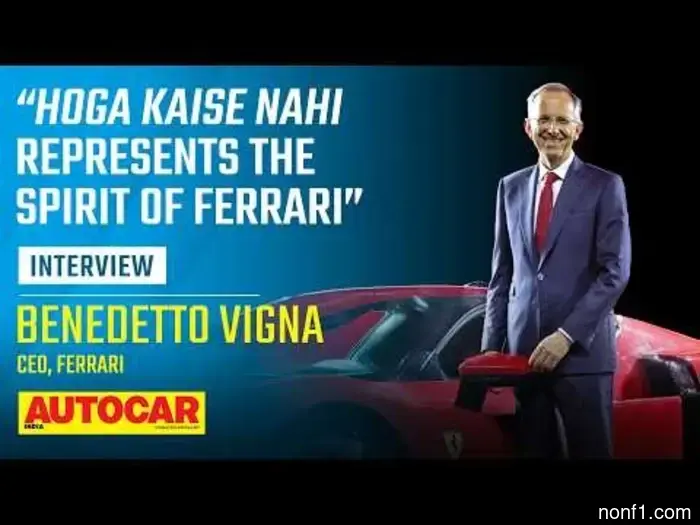
Don’t just take our word for it. You can hear it directly from Ferrari CEO Benedetto Vigna in an interview featured by the UK’s Autocar. In this conversation, Vigna discusses topics such as India, free trade, and the unstable EV market. Now that the excitement of February’s announcement has settled, he is facing some harsh realities about contemporary car development, particularly the fact that the rise of touchscreens is motivated as much by cost reduction as by attracting younger consumers.
Vigna has joined other automakers in recognizing that the shift towards digital interfaces is largely driven by financial considerations rather than consumer preferences. He even provided specific figures: Touchscreens are 50% cheaper to manufacture than traditional physical buttons.
“Touch is something designed for the supplier's benefit,” Vigna stated during the interview. “Creating a touch button is 50% less expensive….”
This is the same company that recently hired Jonny Ive, one of the most recognizable names in display design, to assist in developing the infotainment system and overall interior for the EV. If there’s a more expensive method to create a touch-based system for a car, we’d be surprised. Yet, it turned out to be significantly less expensive than designing and implementing physical buttons and switches.
“If you want to create intricate, beautifully crafted buttons, you require specific tooling,” Vigna clarified.
While consistent touchscreen interfaces work well for consumer electronics, Vigna pointed out that they don’t resonate with Ferrari’s clientele.
“We need to create something distinct,” Vigna remarked.
Looking ahead, Ferrari aims for what it calls a good “phygital” design—combining physical controls with digital enhancements. They won’t be transitioning to an entirely digital cockpit for Ferrari vehicles.
In fact, Vigna indicated that Ferrari has already begun reverting from their streamlined designs to more "interactive" cockpits, and we can expect this trend to continue in the future.
Have a news tip? Reach out to us at tips@thedrive.com!
Other articles
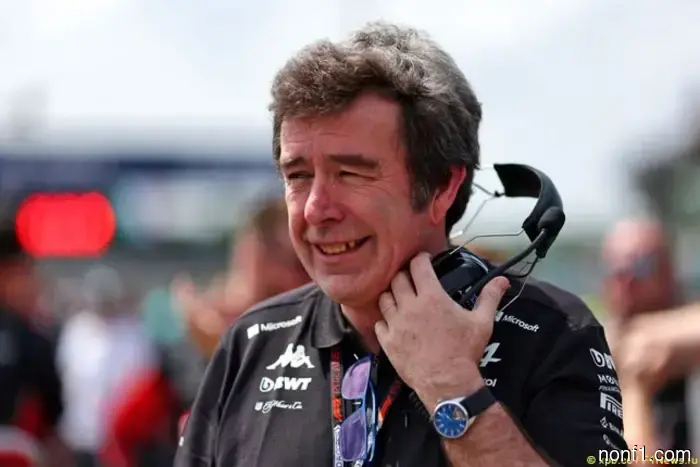
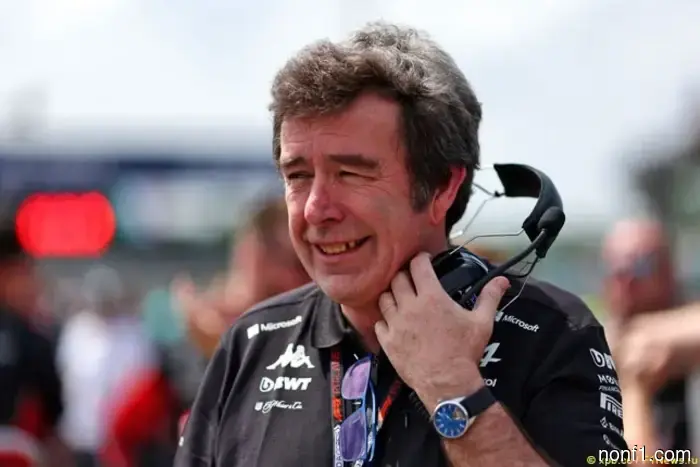 Bruno Famin left Alpine before the start of the WEC season.
Before the start of the season in the FIA WEC endurance racing, Alpine announced the departure of its vice president of motorsport, Bruno Famin.
Bruno Famin left Alpine before the start of the WEC season.
Before the start of the season in the FIA WEC endurance racing, Alpine announced the departure of its vice president of motorsport, Bruno Famin.
 Ferrari's CEO claims that touch controls are 50% less expensive than traditional buttons.
"You require tooling if you want to create all these attractive, beautifully crafted buttons," stated Ferrari CEO Benedetto Vigna.
Ferrari's CEO claims that touch controls are 50% less expensive than traditional buttons.
"You require tooling if you want to create all these attractive, beautifully crafted buttons," stated Ferrari CEO Benedetto Vigna.
 Bruno Famin left Alpine before the start of the WEC season.
Before the start of the season in the FIA WEC endurance racing, Alpine announced the departure of its vice president of motorsport, Bruno Famin.
Bruno Famin left Alpine before the start of the WEC season.
Before the start of the season in the FIA WEC endurance racing, Alpine announced the departure of its vice president of motorsport, Bruno Famin.
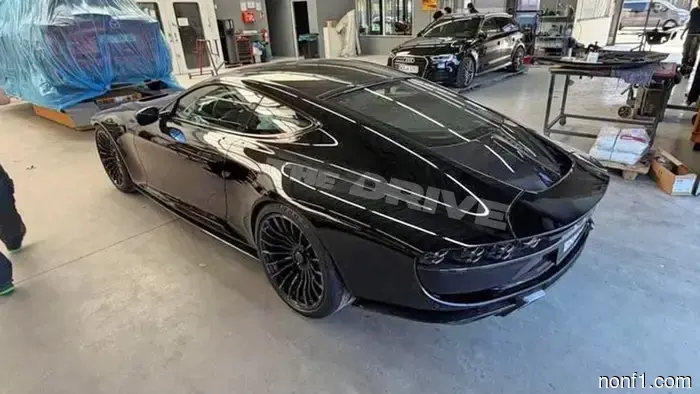 Secret Brabus 'Bodo' Coupe Accidentally Revealed by Someone on Reddit
It's not a great day at work when you share a car online that has never been seen before and ask, "What’s this?"
Secret Brabus 'Bodo' Coupe Accidentally Revealed by Someone on Reddit
It's not a great day at work when you share a car online that has never been seen before and ask, "What’s this?"
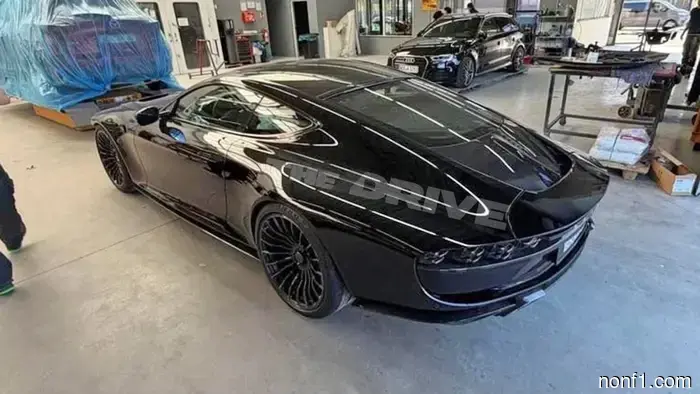 Brabus 'Bodo' Coupe Accidentally Revealed by a User on Reddit
It’s a rough day at the office when you upload a previously unseen car and ask, “What is this?”
Brabus 'Bodo' Coupe Accidentally Revealed by a User on Reddit
It’s a rough day at the office when you upload a previously unseen car and ask, “What is this?”
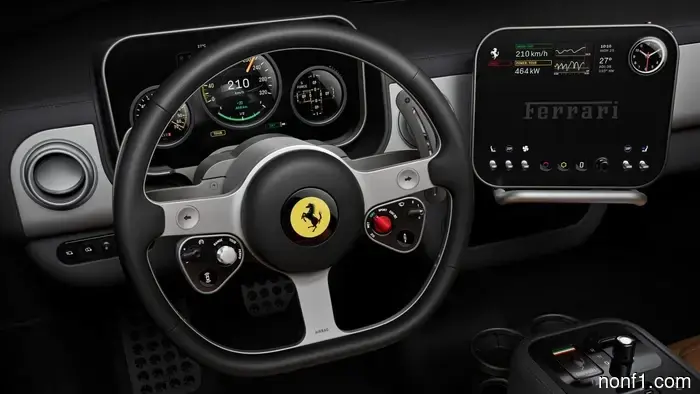 According to the CEO of Ferrari, touch controls are 50% less expensive than traditional buttons.
"You need tooling if you want to create all these nicely crafted, beautiful buttons," stated Ferrari CEO Benedetto Vigna.
According to the CEO of Ferrari, touch controls are 50% less expensive than traditional buttons.
"You need tooling if you want to create all these nicely crafted, beautiful buttons," stated Ferrari CEO Benedetto Vigna.
According to the CEO of Ferrari, touch controls are 50% less expensive than traditional buttons.
"You need tooling if you're going to create all these nicely designed, beautiful buttons," said Ferrari CEO Benedetto Vigna.