
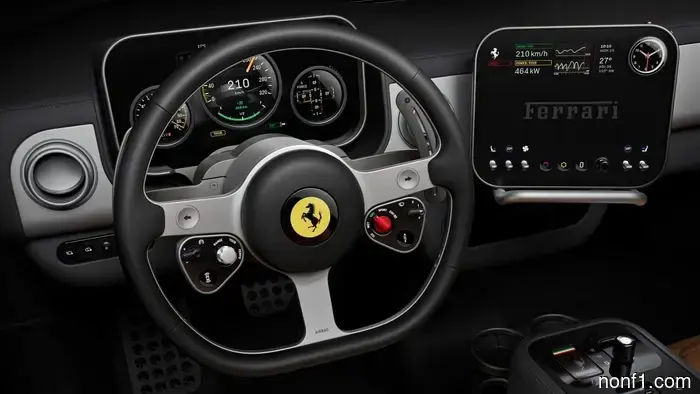
Ferrari's CEO claims that touch controls are 50% less expensive than traditional buttons.
The latest news and reviews in the automotive world, straight to the point.
Our free daily newsletter delivers the most important stories directly to your inbox every weekday.
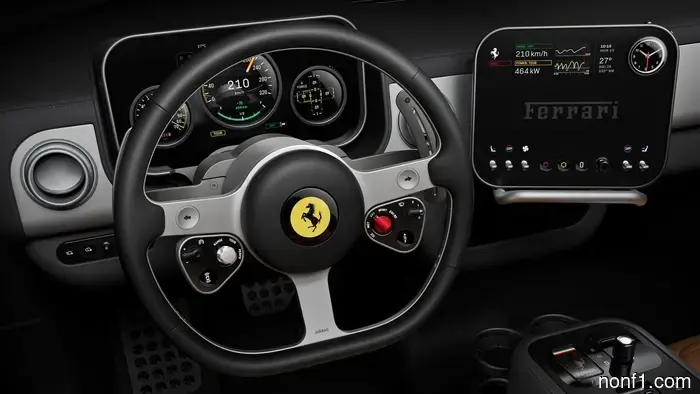
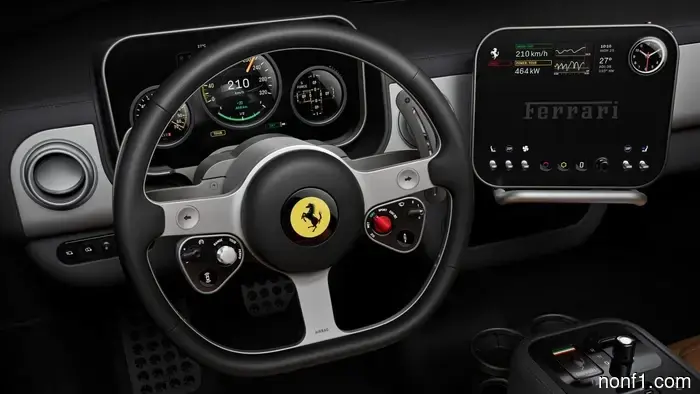
In February, Ferrari disclosed information about its all-electric model, the Luce. Promoted as the Ferrari for an uncertain electrified future, the Luce’s design heavily incorporated modern technology. However, it turns out that the increased use of glass in the cockpit also led to significant cost savings for Ferrari.
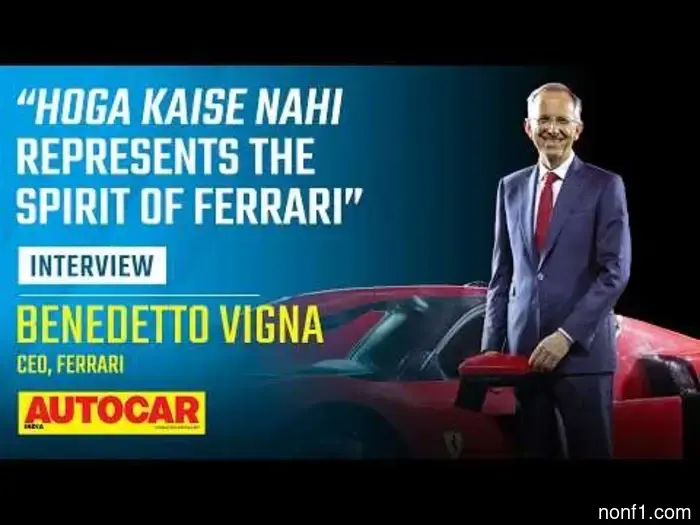
Don't just take our word for it; you can hear from Ferrari CEO Benedetto Vigna in an interview featured by the UK publication Autocar. In this interview, Vigna discusses topics like India, free trade, and the volatile EV market. After the dust settled from February's major announcement, he acknowledged some harsh realities of contemporary car development, revealing that the rise of touchscreens is driven as much by cost-cutting measures as by the desire to attract younger buyers.
Vigna is not alone in recognizing that the shift towards digital interfaces is largely cost-driven rather than consumer demand. He even provided numerical evidence: touchscreens are not only cheaper than traditional buttons, they are a staggering 50% less expensive to manufacture.
“Touch is something made by, for, the supplier advantage,” Vigna remarked during the interview. “Creating a touch button is 50% cheaper...”
It's worth noting that this is from a company that recently hired Jonny Ive, a highly esteemed name in display design, to assist in crafting their infotainment system and interior for the EV. If there is a more expensive way to design a touch-based system for a car, we would be surprised. Nonetheless, even with this high-profile collaboration, the touchscreen approach proved to be significantly less costly than developing physical buttons and switches.
“If you want to create beautifully crafted buttons, you [need tooling],” Vigna explained.
While he acknowledged that consistent touchscreen experiences are excellent for consumer electronics, they do not resonate with Ferrari's clientele.
“We need to create something unique,” Vigna stated.
In the future, Ferrari aims to achieve what it calls effective "phygital" design—integrating physical controls with digital enhancements. The company will not shift to a completely digital cockpit.
In fact, Ferrari has already begun to revert its streamlined designs for more "interactive" cockpits, according to Vigna, and we can expect more of this trend moving forward.
If you have a news tip, please reach out to us at tips@thedrive.com!
Other articles
 According to the CEO of Ferrari, touch controls are 50% less expensive than traditional buttons.
"You need tooling if you want to create all these nicely crafted, beautiful buttons," stated Ferrari CEO Benedetto Vigna.
According to the CEO of Ferrari, touch controls are 50% less expensive than traditional buttons.
"You need tooling if you want to create all these nicely crafted, beautiful buttons," stated Ferrari CEO Benedetto Vigna.
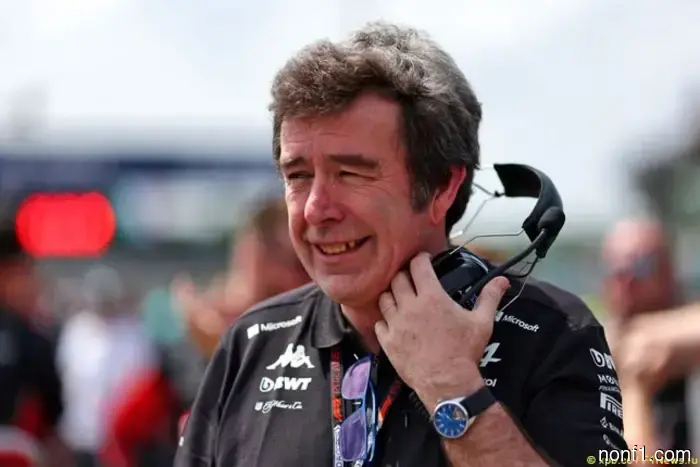 Bruno Famin left Alpine before the start of the WEC season.
Before the start of the season in the FIA WEC endurance racing, Alpine announced the departure of its vice president of motorsport, Bruno Famin.
Bruno Famin left Alpine before the start of the WEC season.
Before the start of the season in the FIA WEC endurance racing, Alpine announced the departure of its vice president of motorsport, Bruno Famin.
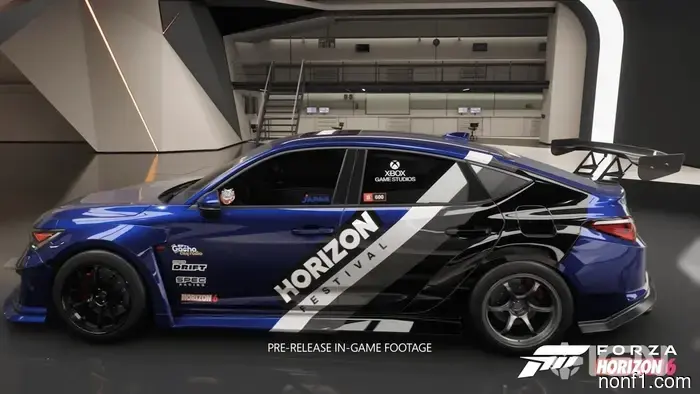 Forza Horizon 6 is set to receive a much-appreciated revamp in car customization.
From new aerodynamics to motorcycle engine swaps and the ability to paint windows, Forza Horizon's car customization is receiving some thrilling enhancements.
Forza Horizon 6 is set to receive a much-appreciated revamp in car customization.
From new aerodynamics to motorcycle engine swaps and the ability to paint windows, Forza Horizon's car customization is receiving some thrilling enhancements.
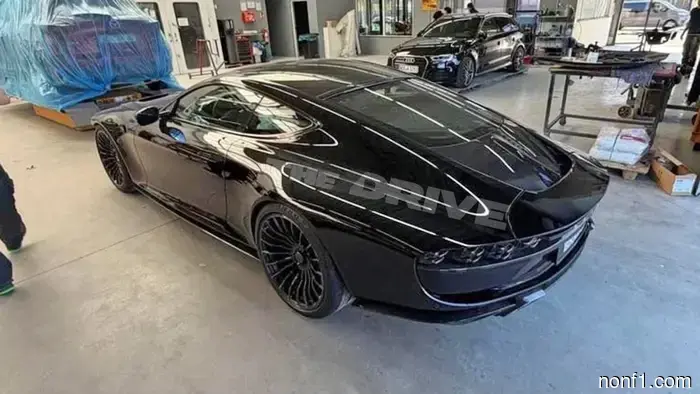 Brabus 'Bodo' Coupe Accidentally Revealed by a User on Reddit
It’s a rough day at the office when you upload a previously unseen car and ask, “What is this?”
Brabus 'Bodo' Coupe Accidentally Revealed by a User on Reddit
It’s a rough day at the office when you upload a previously unseen car and ask, “What is this?”
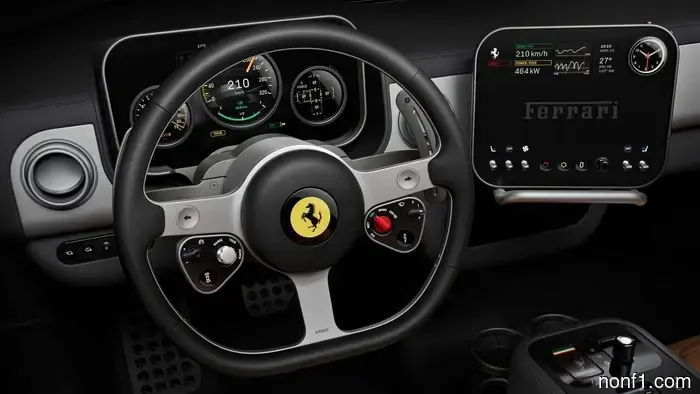 According to the CEO of Ferrari, touch controls are 50% less expensive than traditional buttons.
"You need tooling if you're going to create all these nicely designed, beautiful buttons," said Ferrari CEO Benedetto Vigna.
According to the CEO of Ferrari, touch controls are 50% less expensive than traditional buttons.
"You need tooling if you're going to create all these nicely designed, beautiful buttons," said Ferrari CEO Benedetto Vigna.
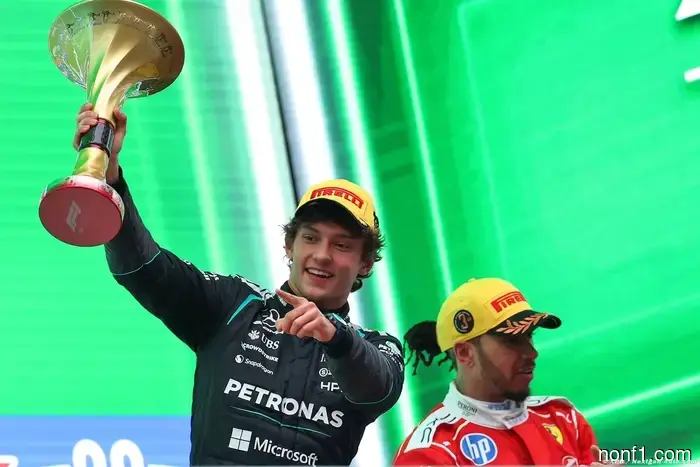 Antonelli chuckles at 'Raikkonen' confusion following triumph in China.
Formula 1 | Kimi Antonelli has confessed that he felt both confused and amused after being incorrectly identified as Kimi Raikkonen on the podium after his (…)
Antonelli chuckles at 'Raikkonen' confusion following triumph in China.
Formula 1 | Kimi Antonelli has confessed that he felt both confused and amused after being incorrectly identified as Kimi Raikkonen on the podium after his (…)
Ferrari's CEO claims that touch controls are 50% less expensive than traditional buttons.
"You require tooling if you want to create all these attractive, beautifully crafted buttons," stated Ferrari CEO Benedetto Vigna.