
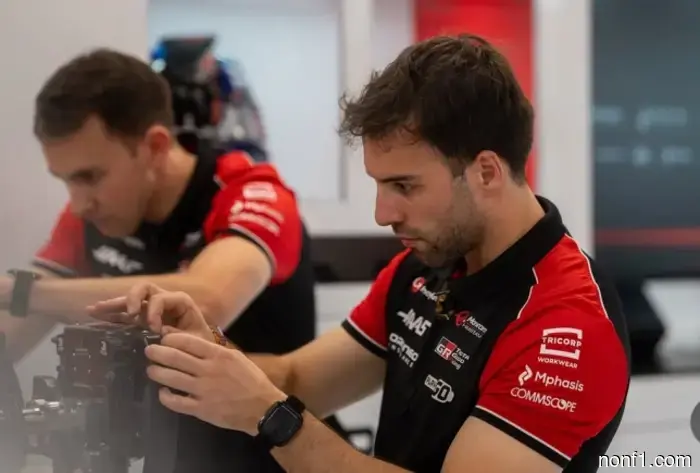
Matthias Esih on the work of a systems engineer at Haas F1
Matias Esija became fascinated with Formula 1 in childhood when he watched races on television, cheered for Fernando Alonso, and celebrated the victories of his famous compatriot. Now, two decades later, he also works in the paddock of the World Championship, but as a systems engineer for the Haas F1 team, he is part of its racing crew and travels to most of the season's events.
In an interview with Diario AS, 28-year-old Matias spoke about his job: "In a Formula 1 car, there are many different electrical and electronic systems, and all of them require calibration and monitoring. We are responsible for ensuring that all this equipment functions correctly.
We are the only engineers who are in real-time communication with the car, both when it is in the garage and when it is on the track. We also check the reliability of all these systems. Usually, during a Grand Prix, my workday lasts 12-13 hours. But for example, during the preseason tests in Barcelona, I worked about 17 hours a day in the early days.
During the season, there is usually a rotation of engineers since 24 events is too many, and it turns out that each of us attends about 15 races. Last year, I spent about 200 days on business trips.
With the transition to the new technical regulations in Formula 1, there have been significant changes, and many aspects of working with the car have changed, not all of which are noticeable from the outside. My colleagues and I are currently facing a tough time, as it is very important for the team to start the season well, but all problems are solvable.
When the championship transitions to a new regulation, the pace of modernization usually remains high throughout the first year. Initially, the difference in speed capabilities between teams increases, but gradually the forces will level out. It is important to lay a good foundation right away, which will then allow for effective improvements to the technology."
Here is Matias's response to the question of how he became an engineer at Haas F1: "To be honest, I never imagined that I would work in Formula 1. In university, I studied engineering in telecommunications, but I wanted to dedicate myself to motorsport, regardless of the category.
And although I did not set a goal to get into Formula 1, that is partly why I ended up here. Moreover, I come from a family for whom cars have always been very important, as my father owned a car dealership, and I often helped him. And when I was little, I watched races with him on Sundays.
When I was about eight years old, a real boom related to Fernando Alonso began in Spain, and I remember that his successes brought me immense joy. He has always been my hero, and once in Abu Dhabi, being in the paddock, I asked for permission to take a photo with him. It’s incredible that even now, 20 years later, he is still competing in Formula 1.
But even more than his 33rd Grand Prix victory, I would like to see Haas's first win. Winning a race is very difficult; it mainly depends on how intensively the team can upgrade the car throughout the season. It’s not about how you start the season, but with what results you finish it.
I think Aston Martin has great potential in this regard, and although Alonso is already 44 years old, he can compete in the championship as long as he wants. He is a special driver, and I think he is one of those who, due to circumstances, has achieved less than he deserves..."
Other articles
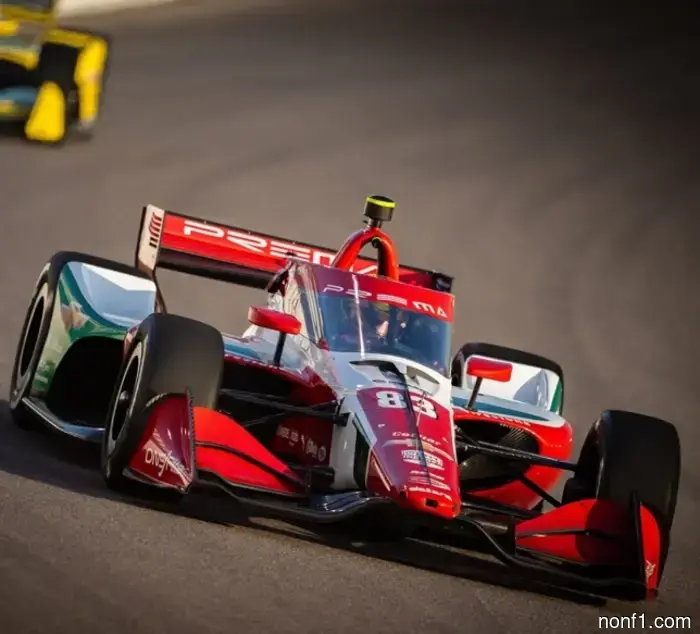 IndyCar: Prema Racing will not participate in the Indy 500.
The American publication Racer reports that the Prema Racing team is still in a crisis situation, and plans to participate in the classic Indy 500 race had to be abandoned...
IndyCar: Prema Racing will not participate in the Indy 500.
The American publication Racer reports that the Prema Racing team is still in a crisis situation, and plans to participate in the classic Indy 500 race had to be abandoned...
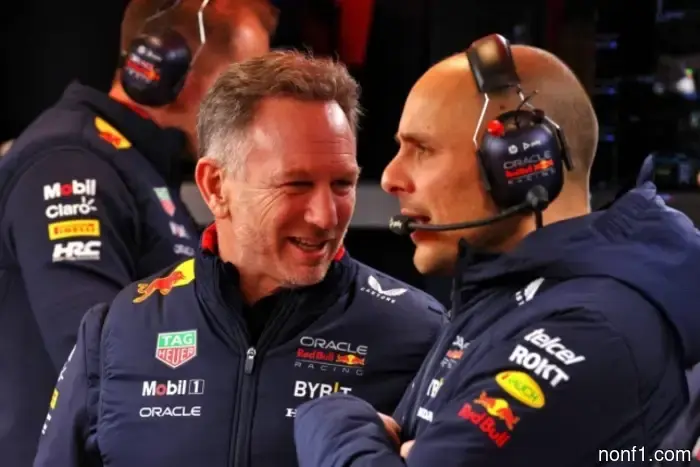 Christian Horner revealed one of Gianpiero Lambiasi's "secrets."
Under the headline "The Secret Talent of Gianpiero," Christian Horner shared a snippet of performances by a certain amateur cover band, where Lambyaze is sitting at the drums...
Christian Horner revealed one of Gianpiero Lambiasi's "secrets."
Under the headline "The Secret Talent of Gianpiero," Christian Horner shared a snippet of performances by a certain amateur cover band, where Lambyaze is sitting at the drums...
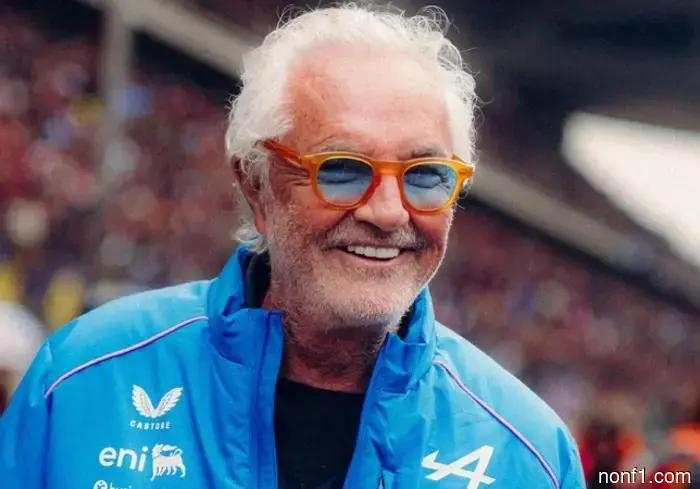 The Alpine drivers congratulated Flavio Briatore on his 76th birthday.
Flavio Briatore can be considered a veteran of Formula 1, but he still remains one of the notable figures in the paddock – the executive advisor of Alpine is celebrating his 76th birthday today...
The Alpine drivers congratulated Flavio Briatore on his 76th birthday.
Flavio Briatore can be considered a veteran of Formula 1, but he still remains one of the notable figures in the paddock – the executive advisor of Alpine is celebrating his 76th birthday today...
 Elbon: Our car will partially lose weight in Miami.
Alex Albon explained how Williams is using the April break in the championship, believing that his team will be able to make better use of it than their rivals...
Elbon: Our car will partially lose weight in Miami.
Alex Albon explained how Williams is using the April break in the championship, believing that his team will be able to make better use of it than their rivals...
 Arvid Lindblad: I have always been a determined guy.
In an interview with Gazzetta dello Sport, the British Racing Bulls driver talked about himself, his sports idols, and shared his dream...
Arvid Lindblad: I have always been a determined guy.
In an interview with Gazzetta dello Sport, the British Racing Bulls driver talked about himself, his sports idols, and shared his dream...
 Lance Stroll's team performed poorly in the GT race.
Lance Stroll's debut in the GT3 class races yesterday did not go well, but not because the Canadian and his teammates were not fast enough behind the wheel of the Aston Martin Vantage GT3 Evo sports car.
Lance Stroll's team performed poorly in the GT race.
Lance Stroll's debut in the GT3 class races yesterday did not go well, but not because the Canadian and his teammates were not fast enough behind the wheel of the Aston Martin Vantage GT3 Evo sports car.
Matthias Esih on the work of a systems engineer at Haas F1
Matias Esija works in the paddock of the World Championship as a systems engineer for the Haas F1 team, and in an interview with AS, he talked about his job...