
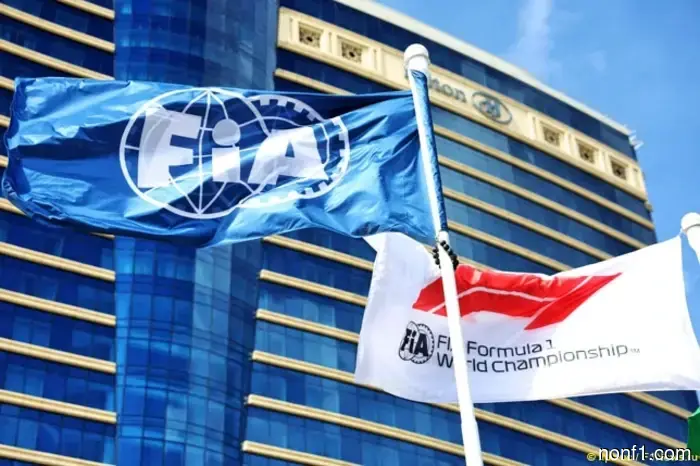
The FIA has adjusted the ADUO rules.
The FIA officially confirmed changes to the regulations of the ADUO program (Additional Development and Upgrade Opportunities), designed to support engine manufacturers lagging behind their competitors.
The ADUO program was adopted before the start of the 2026 season and is intended to assist engine manufacturers whose power units fall short of benchmark performance. The innovation coincided with the beginning of a new technical cycle, during which next-generation power units debuted in Formula 1.
Throughout the 2026 season, three checkpoints were planned to assess engine performance – after the sixth, twelfth, and eighteenth rounds. However, following the cancellation of the April races in Bahrain and Saudi Arabia, the FIA revised the assessment timeline, and now the first performance analysis of the power units will be conducted after the fifth round, the Canadian Grand Prix.
The second performance assessment will take place after the eleventh round, the Hungarian Grand Prix, and the final one, as originally intended, after the eighteenth round of the season, the Mexican Grand Prix.
Additionally, the FIA made another significant amendment. Manufacturers whose performance lags behind the benchmark level by more than 10 percent will receive an additional 230 hours for power unit development.
It became clear early in the season that Honda's power units significantly lag behind competitors, and the Japanese company will be one of the manufacturers able to take advantage of the ADUO program. However, earlier, Mercedes team principal Toto Wolff emphasized that the program should only be used as a mechanism to assist those falling behind, not as a tool to influence the balance of power in the championship.
Additional hours for engine work under the ADUO program
Lag behind benchmark
Hours
<2%
0
2%≤X<4%
70
4%≤X<6%
110
6%≤X<8%
150
8%≤X<10%
190
≥10%
230
Other articles
 The FIA has adjusted the ADUO rules.
The FIA officially confirmed changes to the regulations of the ADUO program, designed to support power unit manufacturers lagging behind their competitors.
The FIA has adjusted the ADUO rules.
The FIA officially confirmed changes to the regulations of the ADUO program, designed to support power unit manufacturers lagging behind their competitors.
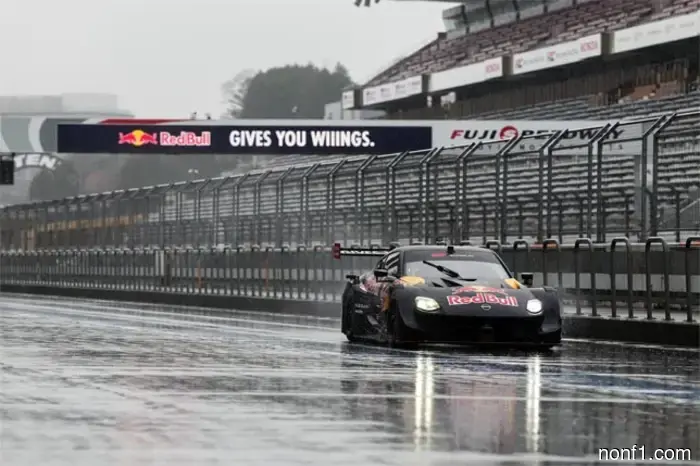 Max Verstappen surpassed the result of the Super GT winner.
Next week, Max Verstappen will participate in the 24-hour marathon "24 Hours of Nürburgring" driving a Mercedes-AMG GT3. As part of his preparation for this race, Max also tested the Nissan Z NISMO GT500 of the Super GT class at the Fuji track.
Max Verstappen surpassed the result of the Super GT winner.
Next week, Max Verstappen will participate in the 24-hour marathon "24 Hours of Nürburgring" driving a Mercedes-AMG GT3. As part of his preparation for this race, Max also tested the Nissan Z NISMO GT500 of the Super GT class at the Fuji track.
 Joann Villeneuve: For many, Gilles is a source of inspiration.
Today marks 44 years since the tragic death of Gilles Villeneuve, and an interview with Joann, the widow of the Ferrari driver, has been published in the pages of Gazzetta dello Sport...
Joann Villeneuve: For many, Gilles is a source of inspiration.
Today marks 44 years since the tragic death of Gilles Villeneuve, and an interview with Joann, the widow of the Ferrari driver, has been published in the pages of Gazzetta dello Sport...
 Alonso was delivered a unique Pagani Zonda roadster.
Fernando Alonso has received another supercar for his already impressive collection of sports cars...
Alonso was delivered a unique Pagani Zonda roadster.
Fernando Alonso has received another supercar for his already impressive collection of sports cars...
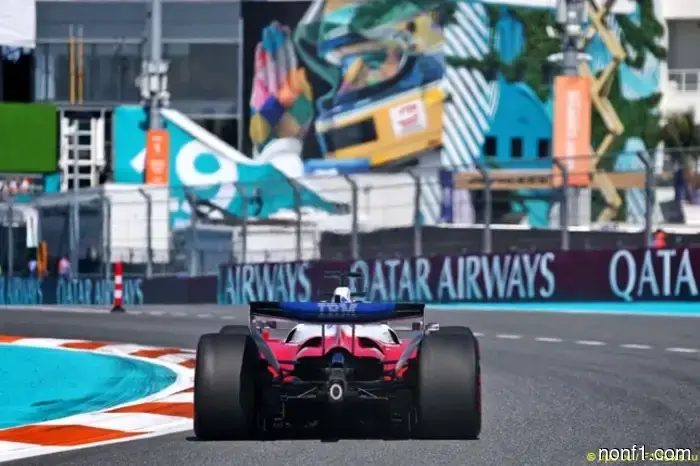 Leclerc: Ferrari is preparing a few more updates.
At the Miami Grand Prix, Ferrari brought an updated car, but the stage on the city circuit became the worst for the team this season in terms of points earned. After the finish, Charles Leclerc said that this is not related to the insufficient effectiveness of the new features and added that the engineers are preparing several more updates for the upcoming stages.
Leclerc: Ferrari is preparing a few more updates.
At the Miami Grand Prix, Ferrari brought an updated car, but the stage on the city circuit became the worst for the team this season in terms of points earned. After the finish, Charles Leclerc said that this is not related to the insufficient effectiveness of the new features and added that the engineers are preparing several more updates for the upcoming stages.
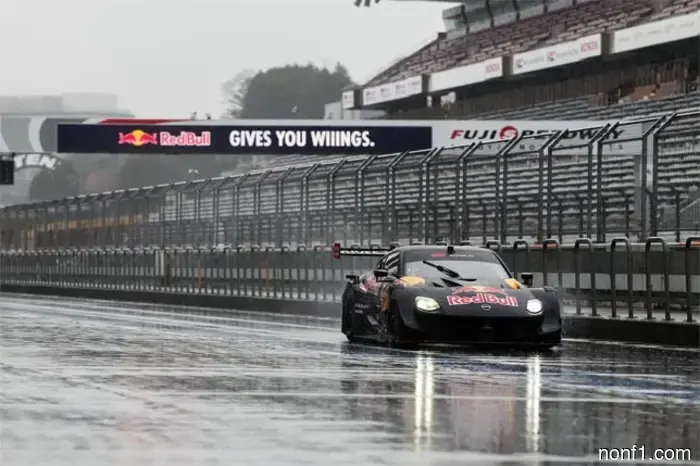 Max Verstappen surpassed the result of the Super GT winner.
Next week, Max Verstappen will participate in the 24-hour marathon "24 Hours of Nürburgring" driving a Mercedes-AMG GT3. As part of his preparation for this race, Max also tested the Nissan Z NISMO GT500 of the Super GT class at the Fuji circuit.
Max Verstappen surpassed the result of the Super GT winner.
Next week, Max Verstappen will participate in the 24-hour marathon "24 Hours of Nürburgring" driving a Mercedes-AMG GT3. As part of his preparation for this race, Max also tested the Nissan Z NISMO GT500 of the Super GT class at the Fuji circuit.
The FIA has adjusted the ADUO rules.
The FIA officially confirmed changes to the regulations of the ADUO program, designed to support power unit manufacturers lagging behind their competitors.