
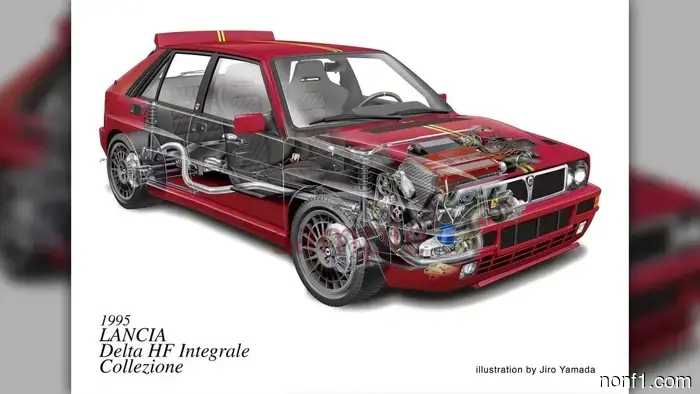
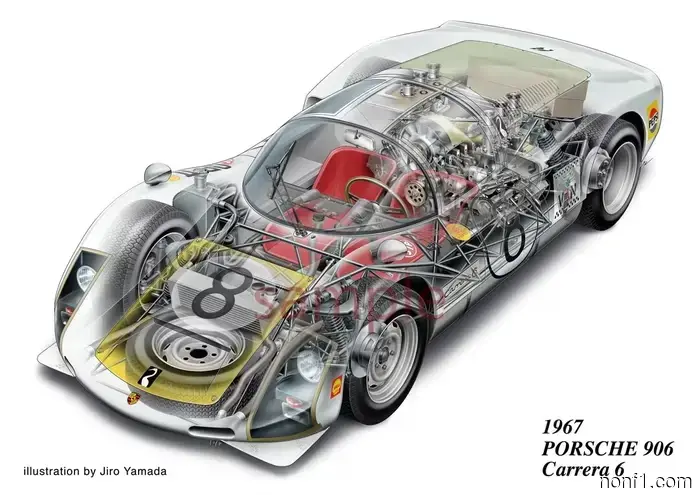
The world has bid farewell to a master of automotive cutaway illustrations.
Jiro Yamada via Cinquecento Museum Shop
The latest automotive news and reviews, no nonsense.
Subscribe to our free daily newsletter to receive the most important stories directly in your inbox every weekday.
It was announced this week that Jiro Yamada, a renowned Japanese illustrator celebrated for his exceptionally detailed cutaway illustrations of vehicles and machinery, passed away last August at the age of 65.
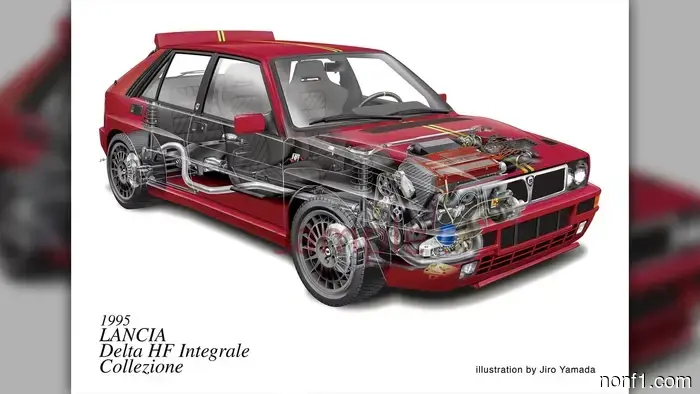
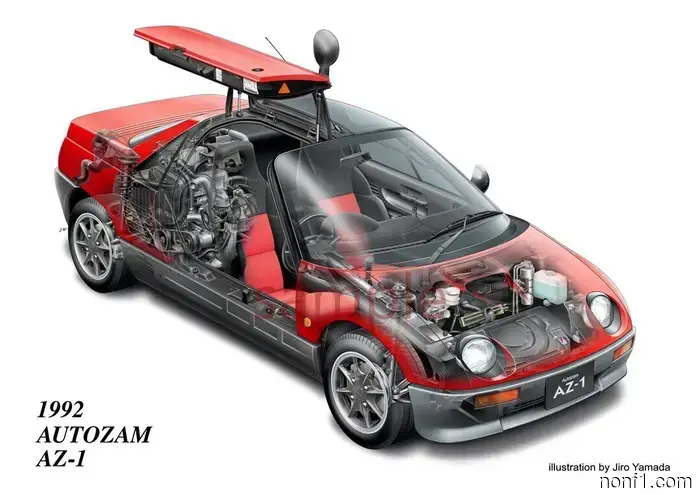
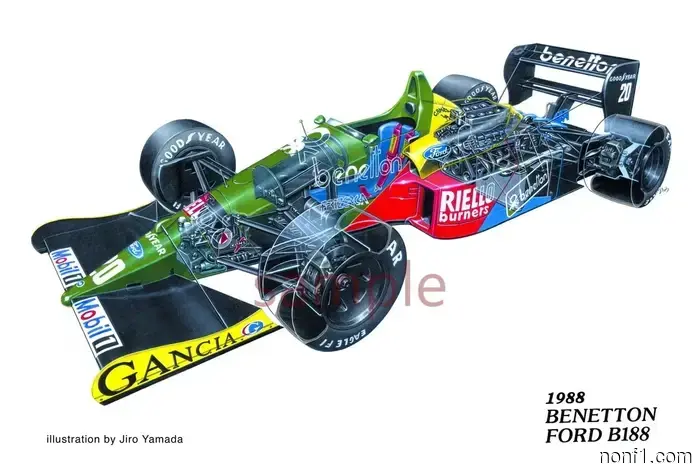
Yamada began his professional illustrating career in 1979, covering a diverse range of subjects including motorsport legends, everyday passenger cars, helicopters, and rocket engines. He was commissioned to create illustrations for promotional and technical materials for automakers, as well as for various enthusiast media and private clients. If you look at the official guidebook for the original Gran Turismo, published in 1998, you will find Yamada credited for the illustrations.
His website showcases a collection of his automotive artworks, meticulously categorized by make and model. Calling it impressive truly downplays its significance. This art form is highly specialized, requiring extensive research, meticulous planning, and remarkable precision to create these cutaways.
Yamada elaborates on his process on his website, using his illustration of a Porsche 906 prototype as an example, which is certainly worth viewing if you've ever been curious about how one starts on a cutaway of such a complex machine as a car.
A post on an enthusiast Facebook group revealed that although Yamada passed away last summer after being diagnosed with pancreatic cancer, this information only recently became widely known. Just days before his passing on August 7, Yamada announced on Twitter that he had entrusted the Cinquecento Museum in Nagoya, Japan—a museum dedicated to the Fiat 500—with the task of maintaining and selling reproductions of his artwork.
Yamada switched to digital illustration in 2000, following a trend among many of his contemporaries, such as Jim Hatch, who spoke with Road & Track in 2020. "Everything was done by hand," Hatch, who entered the profession full-time in 1991, stated. "There were no computers. I would ink everything on a large board with a pen while Kevin [Hulsey] airbrushed everything." Technology inevitably introduced a level of consistency and efficiency that had not been achievable before.
On the surface, the challenge these illustrators face may seem straightforward: to faithfully represent what lies beneath a car’s exterior. However, there is no single approach to fulfill that task, and this is what elevates cutaways to an art form. For Yamada, it was a means of "expressing both the rationality and beauty of machines at the same time." We couldn’t articulate it better ourselves.
Is there an automotive artist that resonates with you? Feel free to email the author at adam.ismail@thedrive.com.

Other articles
 Formula 2: The sprint in Monaco was won by Noël Léon.
The F2 sprint in Monaco was frankly boring, but that did not diminish the joy of its winner, Noël Leonn...
Formula 2: The sprint in Monaco was won by Noël Léon.
The F2 sprint in Monaco was frankly boring, but that did not diminish the joy of its winner, Noël Leonn...
 Two teams violated the curfew rule.
On the night of Saturday in Monaco, the McLaren and Cadillac teams violated the curfew rules.
Two teams violated the curfew rule.
On the night of Saturday in Monaco, the McLaren and Cadillac teams violated the curfew rules.
 Esteban Ocon: Let's see what happens tomorrow.
Both Haas F1 drivers were expecting more, but they were eliminated from the fight in the first part of qualifying…
Esteban Ocon: Let's see what happens tomorrow.
Both Haas F1 drivers were expecting more, but they were eliminated from the fight in the first part of qualifying…
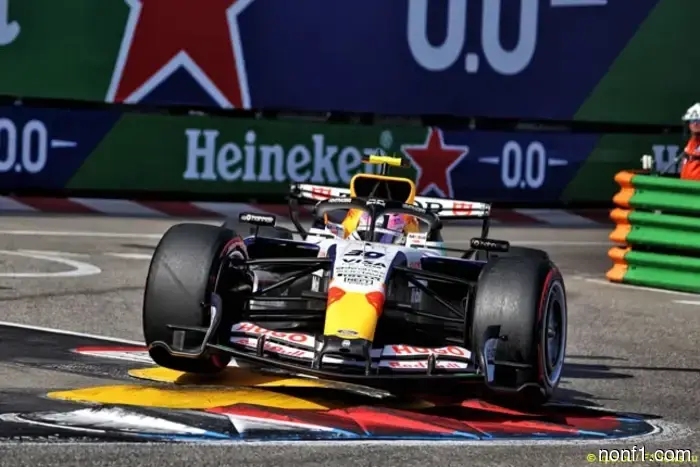 Liam Lawson: Compared to Friday, the car has improved.
In Monaco, Liam Lawson reached the qualifying final for the second time this season, where he recorded the tenth fastest time. His Racing Bulls teammate Arvid Lindblad had a less successful session and will start in fifteenth place.
Liam Lawson: Compared to Friday, the car has improved.
In Monaco, Liam Lawson reached the qualifying final for the second time this season, where he recorded the tenth fastest time. His Racing Bulls teammate Arvid Lindblad had a less successful session and will start in fifteenth place.
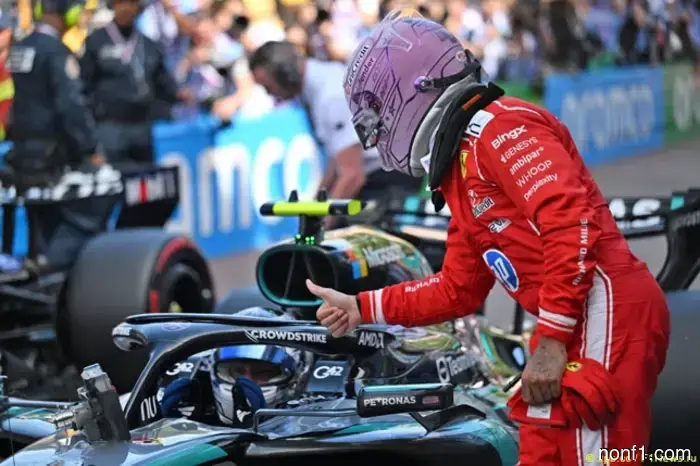 Lewis Hamilton: I gave it my all.
Lewis Hamilton showed the third fastest time in the Monaco Grand Prix qualifying. The Ferrari driver mentioned that the team hardly touched the car's settings before qualifying, but for some reason, the behavior of the SF-26 changed.
Lewis Hamilton: I gave it my all.
Lewis Hamilton showed the third fastest time in the Monaco Grand Prix qualifying. The Ferrari driver mentioned that the team hardly touched the car's settings before qualifying, but for some reason, the behavior of the SF-26 changed.
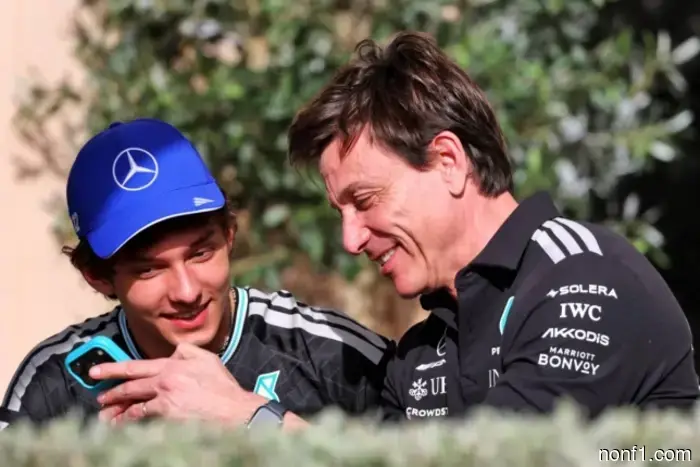 Wolff: It has been a long time since there was such an exciting qualifying session!
Toto Wolff is probably happier than anyone else about Kimi Antonelli's successes because he always believed in his talent and took the risk of bringing the young Italian driver into the Mercedes team when he was just 18 years old...
Wolff: It has been a long time since there was such an exciting qualifying session!
Toto Wolff is probably happier than anyone else about Kimi Antonelli's successes because he always believed in his talent and took the risk of bringing the young Italian driver into the Mercedes team when he was just 18 years old...
The world has bid farewell to a master of automotive cutaway illustrations.
Jiro Yamada, known for his intricate technical cutaways that conveyed "the beauty and logic of machines simultaneously," has died at the age of 65.