
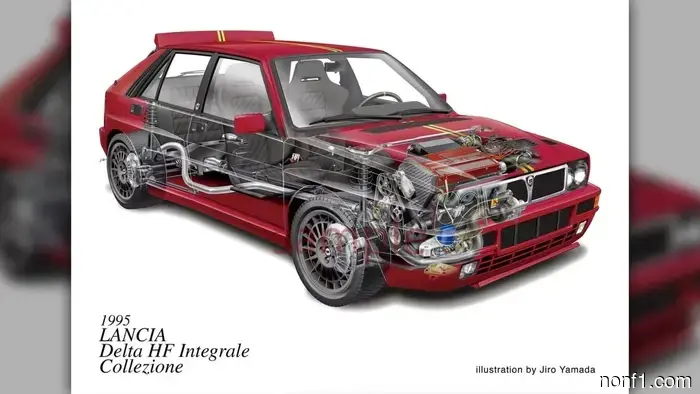
The world has lost a true master of automotive cutaway illustrations.
Jiro Yamada via Cinquecento Museum Shop
The latest in car news and reviews, without the fluff
Subscribe to our free daily newsletter for the most important stories delivered to you every weekday.
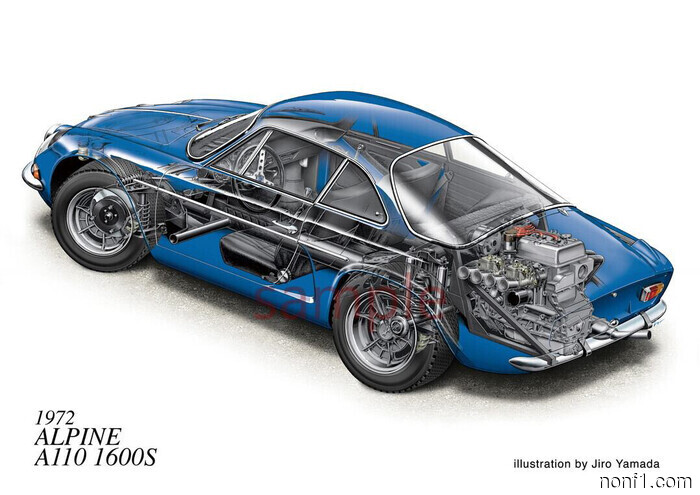
It was announced this week that Jiro Yamada, a Japanese illustrator renowned for his exceptionally intricate cutaways of vehicles and machinery, passed away last August at the age of 65.
Yamada started his professional illustration career in 1979. His work encompassed a wide range of subjects, from motorsport legends and everyday cars to helicopters and rocket engines. He was hired to create renderings for promotional and technical materials for car manufacturers, as well as for enthusiast publications and private patrons. If you look through the official guidebook for the inaugural Gran Turismo, released in 1998, you’ll find Yamada credited for the illustrations.
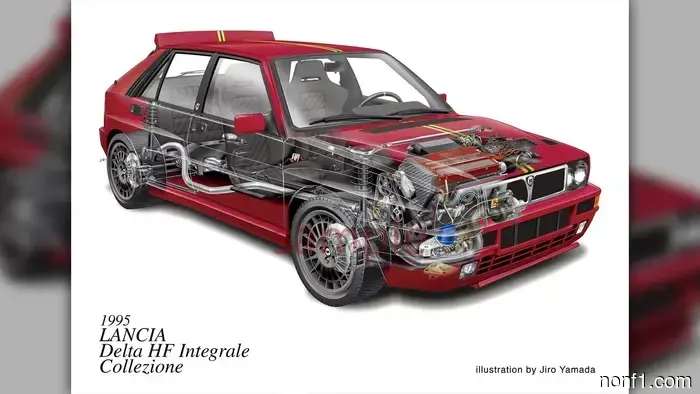
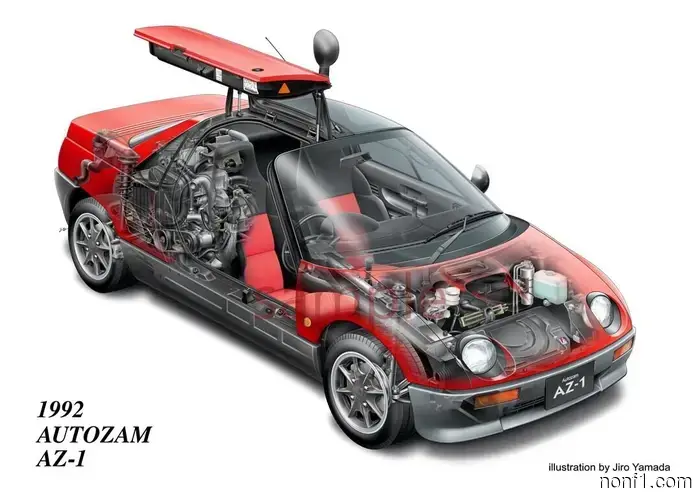
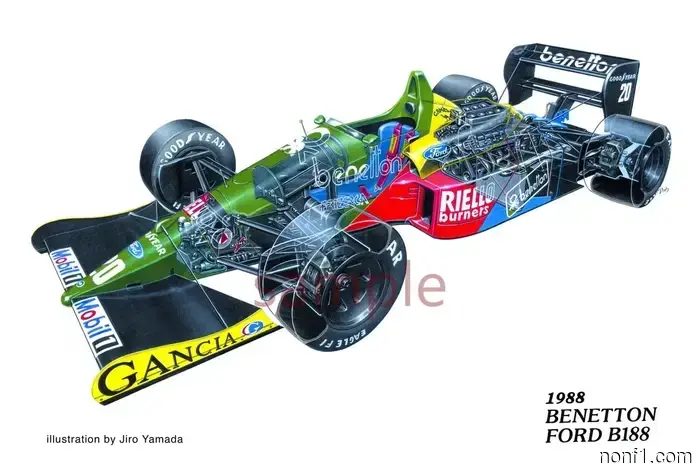
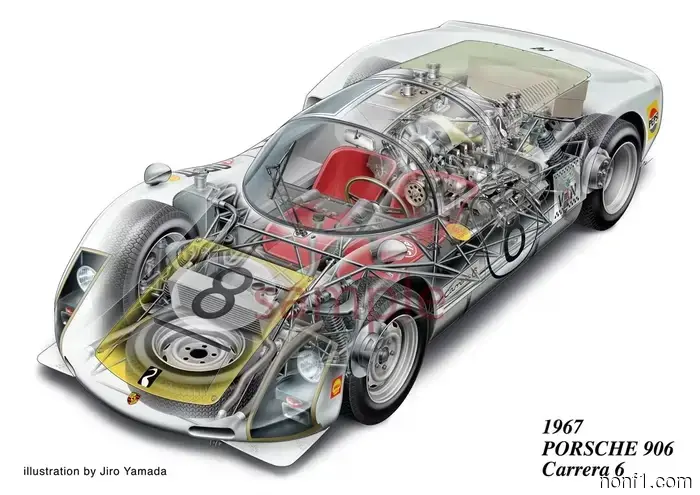
His website showcases a collection of his automotive art, neatly sorted by make and model. To describe it as impressive would be an understatement. This is a highly specialized art form, and the amount of research, planning, and accuracy needed to create one of these pieces is immense.
Jiro Yamada via Cinquecento Museum Shop
On his site, Yamada explains his process, using his illustration of a Porsche 906 prototype as an example, making it worthwhile to explore if you're curious about how one starts a cutaway of a machine as intricate as an automobile.
According to a post in an enthusiast Facebook group, while Yamada succumbed to pancreatic cancer last summer, this information only became widely known recently. On August 7, just days before his passing, Yamada announced on Twitter that he had entrusted the Cinquecento Museum in Nagoya, Japan—a museum dedicated to the Fiat 500—with the responsibility of maintaining and selling reproductions of his many works.
#みんなのラリーカーを見せてくれ 青春のランサー pic.twitter.com/bxLDnbuNAq— 山田ジロー(チンクエチェント博物館 管理) (@tisjiro) November 20, 2024
In 2000, Yamada shifted to digital production, following a trend among his contemporaries—like Jim Hatch, who spoke with Road & Track in 2020. “Everything was done by hand,” Hatch, who began his full-time career in this field in 1991, recounted. “There were no computers. I would ink everything on a large board with a pen, and Kevin [Hulsey] would airbrush everything.” Technology certainly brought a level of consistency and efficiency that was previously impossible.
On the surface, the challenge these illustrators face seems straightforward: portraying what lies beneath a car’s exterior as accurately as possible. However, there’s no single technique to fulfill that task, which is what elevates cutaways to the status of art. For Yamada, it was a means of “showing both the rationality and beauty of machines simultaneously.” We couldn't express it better ourselves.
Is there an automotive artist that resonates with you? Email the author at adam.ismail@thedrive.com.
Other articles
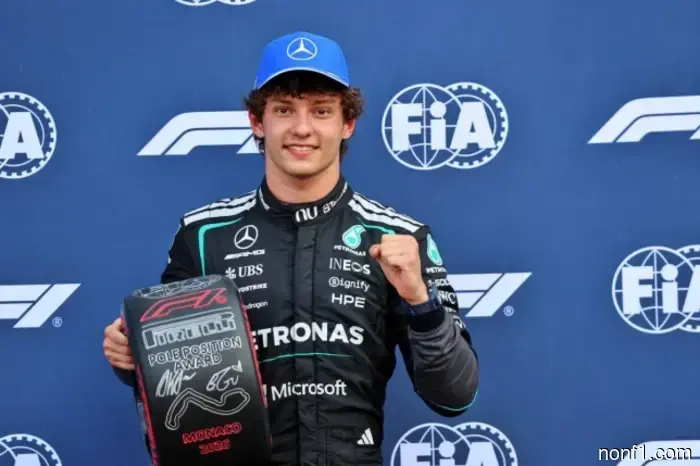 Kimi Antonelli: We call such circles magical!
Kimi Antonelli continues to amaze: he has secured pole position for the fourth time this season, and now it has happened in Monaco, where success in qualifying often precedes success in the Grand Prix...
Kimi Antonelli: We call such circles magical!
Kimi Antonelli continues to amaze: he has secured pole position for the fourth time this season, and now it has happened in Monaco, where success in qualifying often precedes success in the Grand Prix...
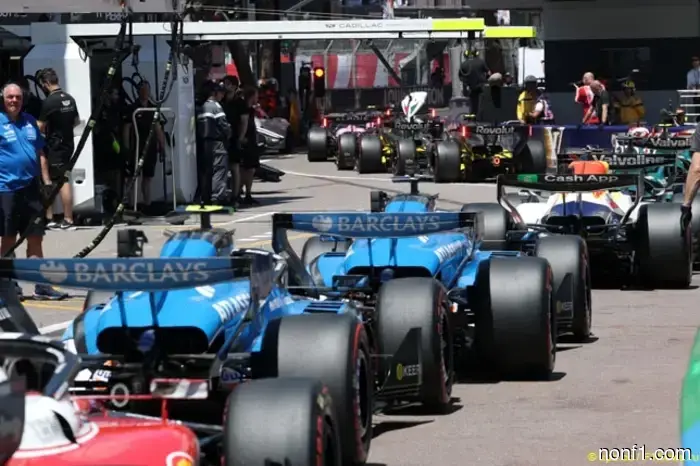 The stewards fined Williams for the incident in the pit lane.
The stewards of the Monaco Grand Prix issued a warning and fined the Williams team for an incident in the pit lane involving Alex Albon and Arvid Lindblad during qualifying.
The stewards fined Williams for the incident in the pit lane.
The stewards of the Monaco Grand Prix issued a warning and fined the Williams team for an incident in the pit lane involving Alex Albon and Arvid Lindblad during qualifying.
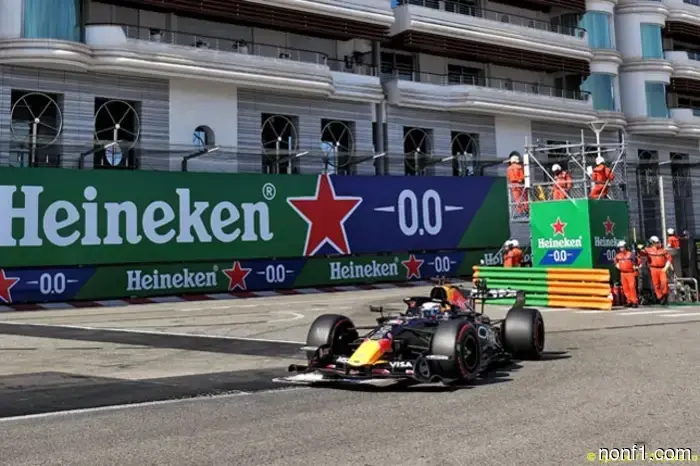 Max Verstappen: I am satisfied with the qualifying.
Max Verstappen lost to Kimi Antonelli by just 0.043 seconds in the battle for pole position in Monaco.
Max Verstappen: I am satisfied with the qualifying.
Max Verstappen lost to Kimi Antonelli by just 0.043 seconds in the battle for pole position in Monaco.
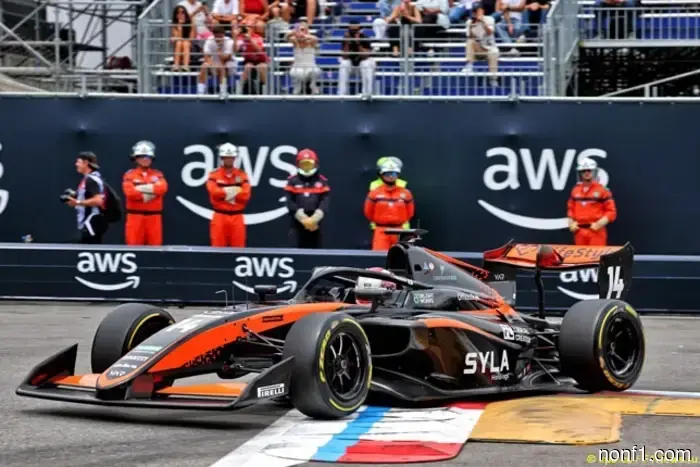 F3: Yamakoshi achieved his first career victory.
Hiyu Yamakoshi won the Formula 3 sprint race in Monaco on Saturday. Along with him on the podium were Gérard Si and Bruno del Pino.
F3: Yamakoshi achieved his first career victory.
Hiyu Yamakoshi won the Formula 3 sprint race in Monaco on Saturday. Along with him on the podium were Gérard Si and Bruno del Pino.
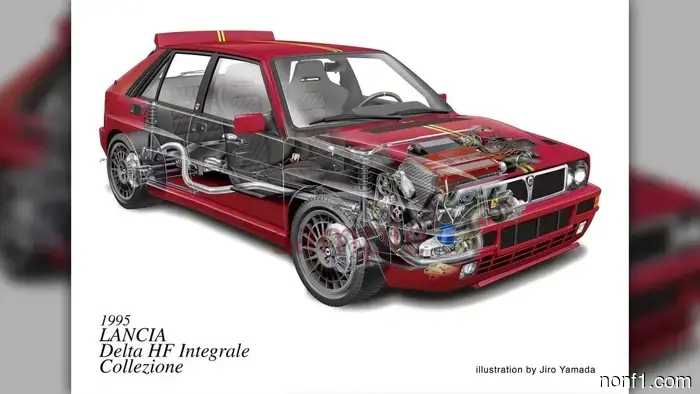 The world has bid farewell to a master of automotive cutaway illustrations.
Jiro Yamada, known for his intricate technical cutaways that conveyed "the beauty and logic of machines simultaneously," has died at the age of 65.
The world has bid farewell to a master of automotive cutaway illustrations.
Jiro Yamada, known for his intricate technical cutaways that conveyed "the beauty and logic of machines simultaneously," has died at the age of 65.
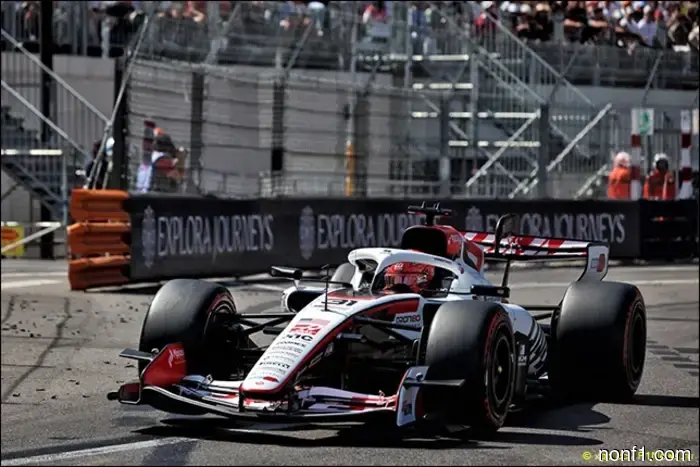 Esteban Ocon: Let's see what happens tomorrow.
Both Haas F1 drivers were expecting more, but they were eliminated from the fight in the first part of qualifying…
Esteban Ocon: Let's see what happens tomorrow.
Both Haas F1 drivers were expecting more, but they were eliminated from the fight in the first part of qualifying…
The world has lost a true master of automotive cutaway illustrations.
Jiro Yamada, known for his intricate technical cutaways that conveyed "the beauty and rationality of machines simultaneously," has died at the age of 65.