
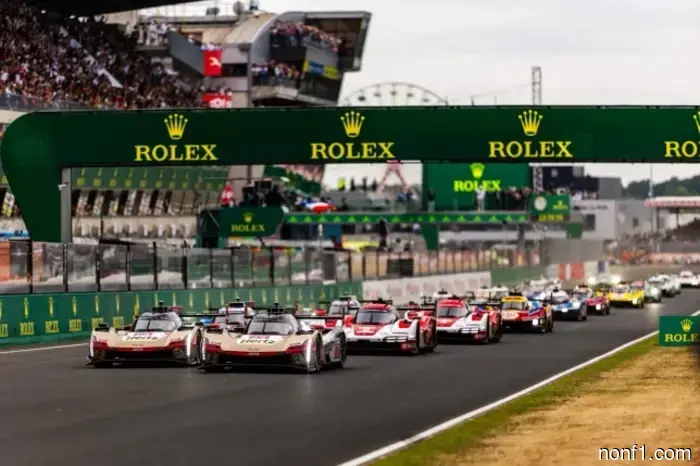
WEC: The 2030 regulation project has been presented in Le Mans.
Yesterday in Le Mans, the FIA, the French automobile club ACO, and the American association IMSA presented a coordinated draft regulation for 2030, which defines unified technical requirements for the Hypercar class, the top category of endurance racing championships held on both sides of the Atlantic. The regulation was presented at the annual ACO press conference, organizer of the "24 Hours of Le Mans," and its essence is that from 2030, WEC and IMSA will transition to a unified rear-wheel-drive platform, which will replace the current one, as currently, all-wheel-drive sports prototypes compete in the Hypercar class. Factory teams participating in this category will have the option to either use existing chassis from registered manufacturers and purchase ready-made components from third-party suppliers, such as hybrid systems, as is done in the American IMSA series in the LMDh class, or to develop both the chassis and hybrid systems themselves. However, in both cases, all components must comply with unified technical requirements, and for at least five years, none of the WEC participants will receive any special opportunities for technical upgrades (so-called "jokers"). Such "jokers" may only be used if it is necessary to resolve a specific technical issue affecting reliability or safety, or if a significant speed deficit is recorded for someone. All cars must be rear-wheel drive and equipped with hybrid powertrains, with the permissible power of internal combustion engines increased by 20 kW compared to the current regulations. The powertrain must be located at the rear of the sports prototype, but the architecture, layout, and a number of other design features of the engine can be any, i.e., manufacturers are given the freedom of choice. The regulation also specifies what the floor of the sports prototype and the diffuser should be like, while aerodynamic requirements are being tightened. According to the authors of the project, the goal of transitioning to the new regulation is to reduce costs, but manufacturers will still have the opportunity to develop their own cars, which, thanks to the unified platform, will be structurally simpler. Additionally, at the ACO press conference, detailed plans were presented for introducing a special class for sports prototypes with hydrogen powertrains, which will also be created on a unified rear-wheel-drive platform. Work on the final version of the regulation will continue. According to Bruno Famin, the sports director of ACO, "The complete set of rules for 2030 will be ready closer to the end of the year."
Other articles
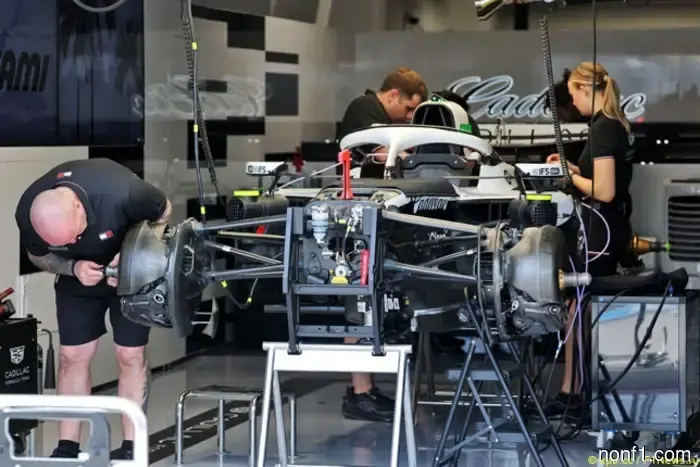 Three teams violated the curfew rule.
On the night of Saturday in Barcelona, the teams McLaren, Alpine, and Cadillac violated the curfew rules.
Three teams violated the curfew rule.
On the night of Saturday in Barcelona, the teams McLaren, Alpine, and Cadillac violated the curfew rules.
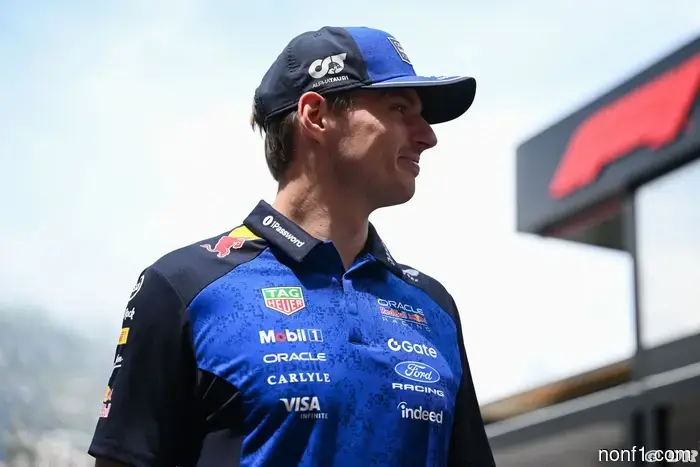 Verstappen downplays rumors about the Salzburg meeting.
Formula 1 | Max Verstappen has dismissed new rumors regarding his future after he was seen in Salzburg earlier this week meeting with top officials from Red Bull.
Verstappen downplays rumors about the Salzburg meeting.
Formula 1 | Max Verstappen has dismissed new rumors regarding his future after he was seen in Salzburg earlier this week meeting with top officials from Red Bull.
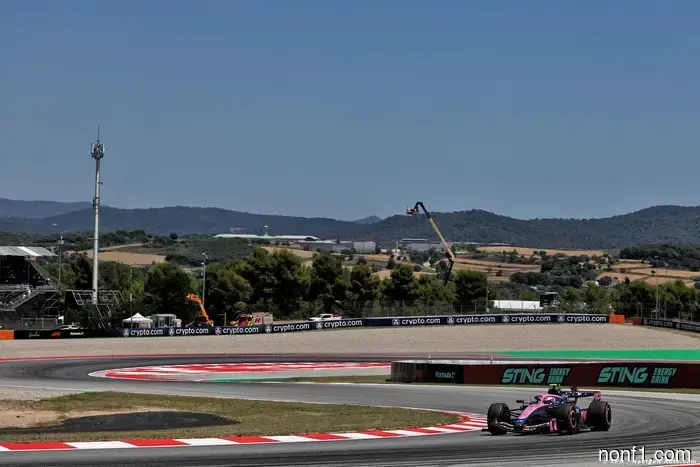 Barcelona may return in 2027 if there are disruptions to the schedule.
Formula 1 | Despite not being planned to host a race under its new alternating agreement, Barcelona may still hold a Formula 1 event in 2027.
Barcelona may return in 2027 if there are disruptions to the schedule.
Formula 1 | Despite not being planned to host a race under its new alternating agreement, Barcelona may still hold a Formula 1 event in 2027.
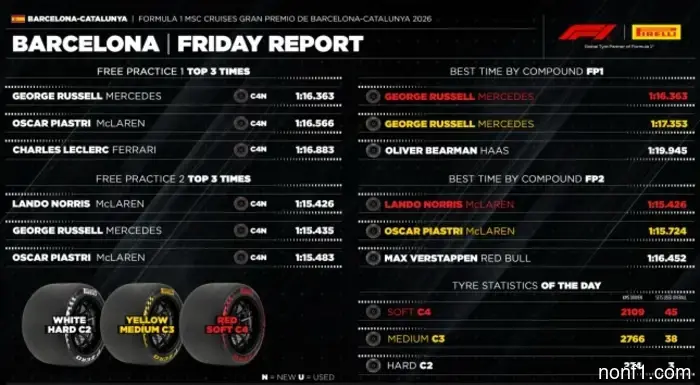 Berra: We expect there to be at least two pit stops in the race.
In Pirelli Motorsport, summarizing Friday, they predict that in the Sunday race, teams will have to make at least two pit stops each – this is due to the high degree of tire degradation...
Berra: We expect there to be at least two pit stops in the race.
In Pirelli Motorsport, summarizing Friday, they predict that in the Sunday race, teams will have to make at least two pit stops each – this is due to the high degree of tire degradation...
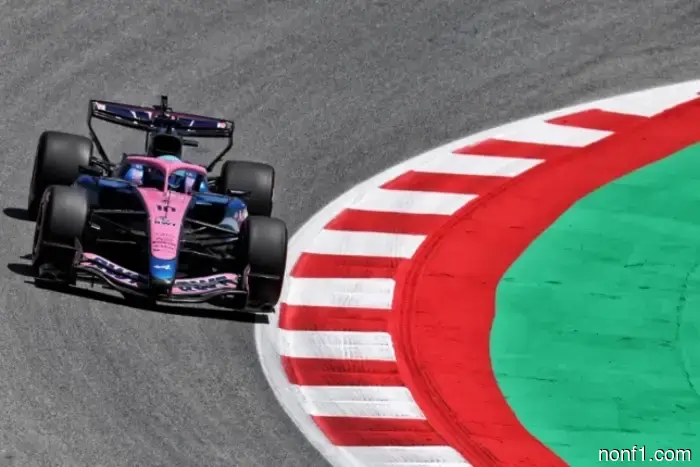 Pierre Gasly: This day will be memorable for the whole team.
Alpine's joy over Pierre Gasly's return to the podium in Monaco, albeit retroactively, did not help the team's drivers stand out in the Barcelona practices...
Pierre Gasly: This day will be memorable for the whole team.
Alpine's joy over Pierre Gasly's return to the podium in Monaco, albeit retroactively, did not help the team's drivers stand out in the Barcelona practices...
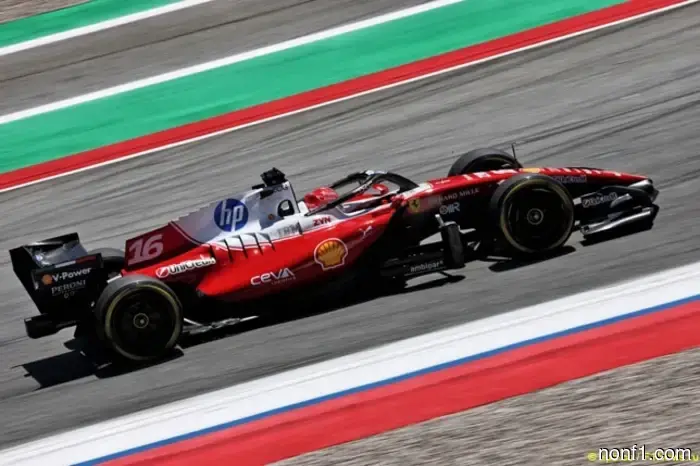 Charles Leclerc: Rivals are a bit ahead of us.
Charles Leclerc was pleased with the updates prepared for the stage in Barcelona, while Lewis Hamilton mentioned that he had to make up for lost time due to missing the first practice.
Charles Leclerc: Rivals are a bit ahead of us.
Charles Leclerc was pleased with the updates prepared for the stage in Barcelona, while Lewis Hamilton mentioned that he had to make up for lost time due to missing the first practice.
WEC: The 2030 regulation project has been presented in Le Mans.
The FIA, the French automobile club ACO, and the American association IMSA have presented a coordinated draft regulation for 2030, which defines unified technical requirements for the Hypercar class...