
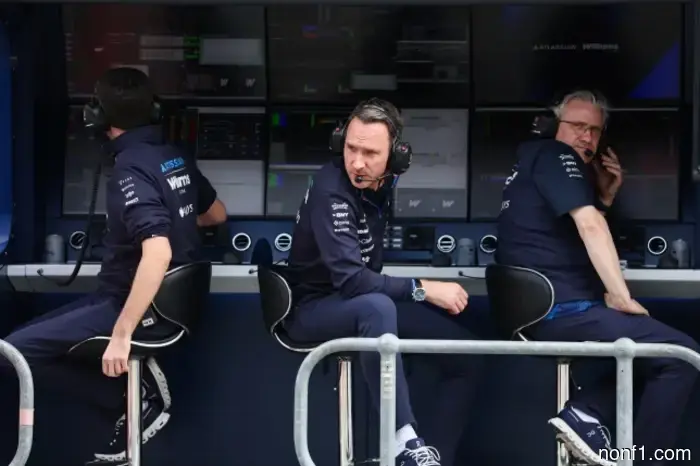
Paul Williams on the features of the Austrian stage
Paul Williams, the chief engineer of the Williams racing team, spoke about the key technical factors that determine the outcome on the track of the Austrian Grand Prix...
Question: What are the main technical challenges expected at the Red Bull Ring?
Paul Williams: At this track with its short lap, the most important factors will be engine power and aerodynamic efficiency. The Red Bull Ring has the most slow right turns, but there are also a couple of combinations of fast corners and relatively long straights. Special attention needs to be paid to the proper management of tires and brakes – in turns 3 and 4, there is a risk of wheel lock-up on the right side of the car.
The situation is complicated by a noticeable elevation change in some braking zones. In previous years, drivers actively used curbs on the exit of corners, which sometimes led to damage to the floor.
Additionally, one of the factors this weekend could be the weather: the forecast promises high temperatures around 30 degrees, but downpours are possible during the day. This is typical for the Austrian Alps, where thunderclouds can quickly appear from the mountains, but often dissipate before reaching the racetrack.
Question: How do the features of the 2026 regulations affect your approach this weekend?
Paul Williams: The Austrian track is more traditional in terms of energy management, and, for example, in qualifying, the battery charge level will steadily decrease as the lap progresses. We will also be using the new power units at a racetrack located quite high above sea level for the first time.
While we do not foresee any particular difficulties, the team will closely monitor the engine operating mode, primarily for turbo lag. In 2026, there are four zones on the track where Straight Line Mode is used, and all of them will be active in both dry and wet conditions.
Question: What challenges related to tires are expected?
Paul Williams: This weekend, the softest tire compounds will be used – just like last year, Pirelli has chosen C3, C4, and C5. The lateral loads at this track are relatively moderate, but there are two sets of fast corners – 6th and 7th, as well as 9th and 10th. Mainly, the tires work under high loads in these sections.
Since the lap is short and there are two long straights, warming up the tires is not easy, but during the race, it is possible to cool the tire surface a bit in these sections. In qualifying, the main focus will be on properly preparing the front tires – it is possible that an extra lap will be needed before the attempt.
It is expected that during the race, the resource of the rear tires will be consumed quite quickly due to overheating and wear, especially if the weather is hot.
Question: What considerations might there be regarding race strategy?
Paul Williams: We expect it to take place with two pit stops. Most likely, most teams will try to save two sets of Medium tires until Sunday, but in theory, all three compounds could be used during the race. We anticipate that the choice of tires for the opening segment of the race will be diverse, as will the tactical schemes, and it is possible that someone may decide not to use the hardest tires on race day.
The likelihood of a safety car or the introduction of a virtual safety car is at a medium level, but if the race is neutralized closer to the finish, some teams may make a third pit stop.
Other articles
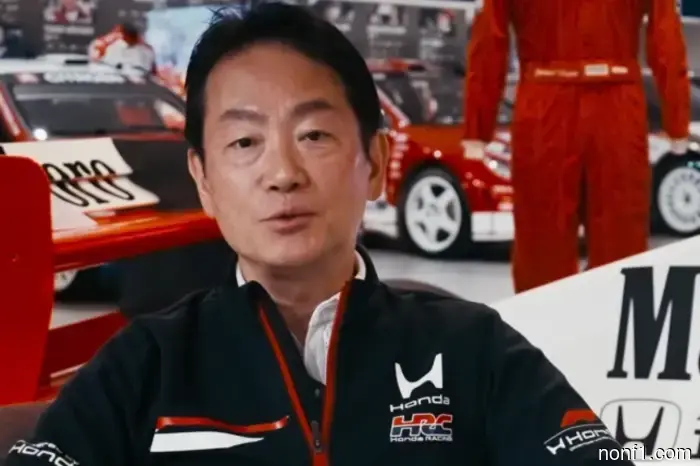 Honda believes that they will be able to return to a high level.
Koji Watanabe, president of Honda Racing Corporation, told The Race in an interview about how events unfolded in 2026...
Honda believes that they will be able to return to a high level.
Koji Watanabe, president of Honda Racing Corporation, told The Race in an interview about how events unfolded in 2026...
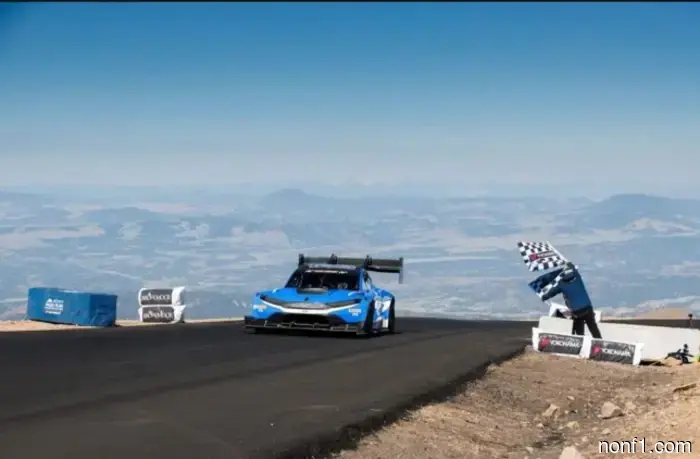 Roman Dumas achieved his sixth victory at Pikes Peak.
In 2026, the speed climbing competition on Pikes Peak took place for the 104th time, and the winner was once again Roman Dumas...
Roman Dumas achieved his sixth victory at Pikes Peak.
In 2026, the speed climbing competition on Pikes Peak took place for the 104th time, and the winner was once again Roman Dumas...
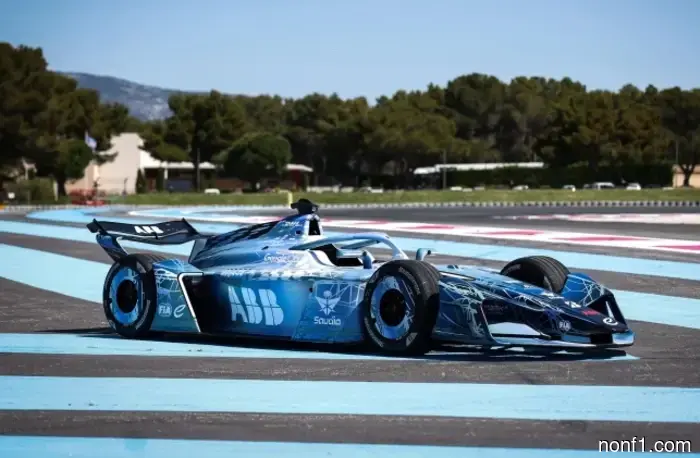 Formula E: The calendar for the next season has been finalized.
Formula E and the FIA have presented a preliminary version of the calendar for the 2026-2027 season – it was announced at today's meeting of the World Motor Sport Council...
Formula E: The calendar for the next season has been finalized.
Formula E and the FIA have presented a preliminary version of the calendar for the 2026-2027 season – it was announced at today's meeting of the World Motor Sport Council...
 Honda believes that they will be able to return to a high level.
Koji Watanabe, president of Honda Racing Corporation, told The Race in an interview about how events unfolded in 2026...
Honda believes that they will be able to return to a high level.
Koji Watanabe, president of Honda Racing Corporation, told The Race in an interview about how events unfolded in 2026...
 Laura Müller on working with Esteban Ocon
Laura Müller on the specifics of working as a race engineer for Esteban Ocon…
Laura Müller on working with Esteban Ocon
Laura Müller on the specifics of working as a race engineer for Esteban Ocon…
 Domenicali: Alonso needs a suitable project
Stefano Domenicali expressed hope that Fernando Alonso's career will last for several more years...
Domenicali: Alonso needs a suitable project
Stefano Domenicali expressed hope that Fernando Alonso's career will last for several more years...
Paul Williams on the features of the Austrian stage
Paul Williams, the chief engineer of the Williams racing team, spoke about the key technical factors that determine the outcome on the track of the Austrian Grand Prix...