
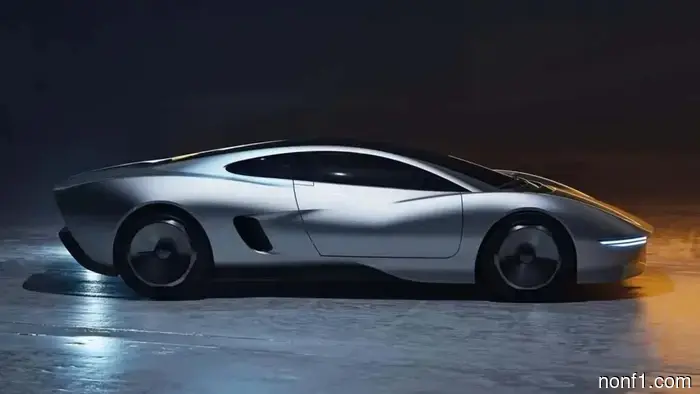
Ian Callum no diseñó el Jaguar XJ220, pero así sería su aspecto si lo hubiera hecho.
Callum Designs on Instagram
The latest car news and reviews, no nonsense.
Our complimentary daily newsletter delivers the essential stories straight to you, every weekday.
As the design chief at Jaguar, Ian Callum certainly made his mark on the esteemed British brand. He shifted Jaguar away from uninspired retro clichés, successfully creating a contemporary yet unique image for the automaker that has proven hard to replicate. Now, he's embarked on a project that's nearly as ambitious: reimagining the Jaguar XJ220.
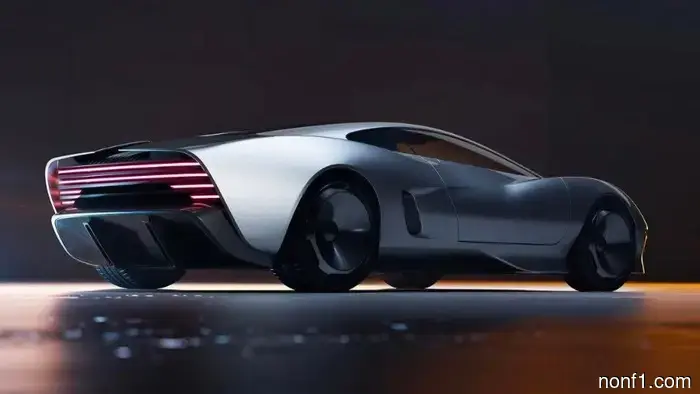
Earlier this week, Callum Designs, Ian Callum's design consultancy, shared renderings of a neo-XJ220 concept on Instagram. They showcased only a profile and a rear-quarter view, referring to this updated version of the XJ220 as a “design study” with no plans for production. The intention is simply to demonstrate the firm's capabilities and serve as a promotional tool for potential clients. This also commemorates the unveiling of the production XJ220 at the 1991 Tokyo Motor Show.
Callum Designs has previously dipped its toes into restomod projects, having launched an Aston Martin Vanquish restomod for the model's 25th anniversary and provided consulting for Evoluto's Ferrari F355 restomod. However, this is a total reimagining. While the overall shape of the XJ220 remains, every surface is notably more dynamic. The sharp character lines stretch over the wheels, and both the rear end and windshield angles are more pronounced. The pop-up headlights have been replaced with sleeker, modern lighting.
Since this is merely a design study, there's no information on the envisioned powertrain. The original XJ220 famously premiered as a concept at the 1988 British Motor Show with a V12 engine driving all four wheels, but was later modified to feature a simpler turbocharged V6 and rear-wheel drive. Despite this change, the XJ220 still became the fastest production car in the world, reaching a top speed of 217 mph in a 1992 test, though the shift disappointed some buyers. Only 282 units were produced during a roughly three-year production cycle.
The development and production of the XJ220 were handled by Tom Walkinshaw Racing (TWR), which also managed Jaguar's highly successful sports-car racing program at that time. After the XJ220 concept was revealed, Callum joined TWR's newly established design office, which served as a launchpad for his later work on the Aston Martin DB7, Vanquish, and ultimately for Jaguar. The Jaguar C-X75, intended as a successor to the XJ220, was also crafted under Callum's guidance, and Callum Designs has been instrumental in bringing that vehicle closer to production. Thus, there’s a notable history between Callum and the XJ220.
Reinventing supercars is not a novel concept. Gordon Murray did it with the McLaren F1, Lamborghini with the Countach, and Ruf offers cars reminiscent of the 1980s CTR Yellowbird. Therefore, if Callum Designs were to transform this concept into more than just renderings, there would likely be a market ready for it.
Have a tip? Contact us at tips@thedrive.com.
Other articles
 Maknish: We really squeezed the maximum out of the car.
In Austria, the Audi team once again advanced with two cars to the second part of qualifying...
Maknish: We really squeezed the maximum out of the car.
In Austria, the Audi team once again advanced with two cars to the second part of qualifying...
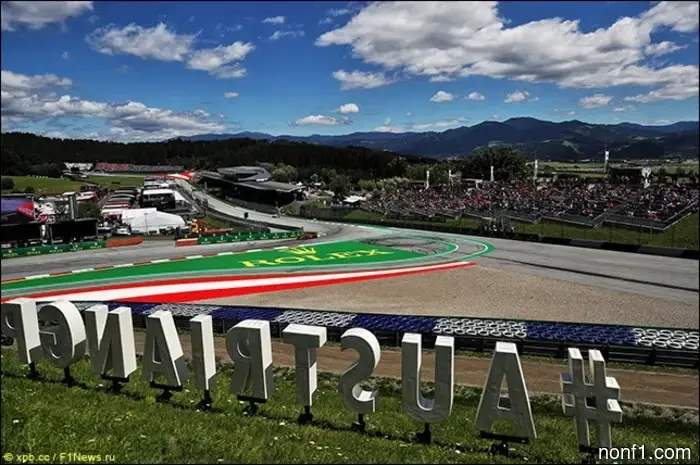 Austrian Grand Prix: Weather forecast for the race
On Friday and Saturday, it was hot and dry in Spielberg, and the same weather awaits us on race day.
Austrian Grand Prix: Weather forecast for the race
On Friday and Saturday, it was hot and dry in Spielberg, and the same weather awaits us on race day.
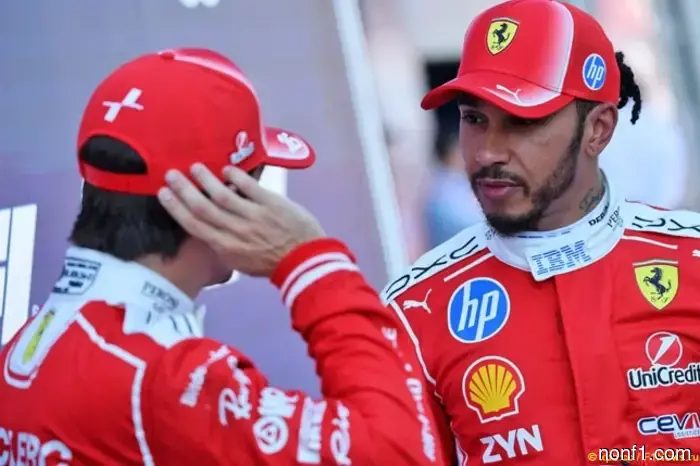 Hamilton: The mistake in the final affected the second attempt as well.
Charles Leclerc's second place and Lewis Hamilton's third place are the best results for Ferrari in qualifying this season.
Hamilton: The mistake in the final affected the second attempt as well.
Charles Leclerc's second place and Lewis Hamilton's third place are the best results for Ferrari in qualifying this season.
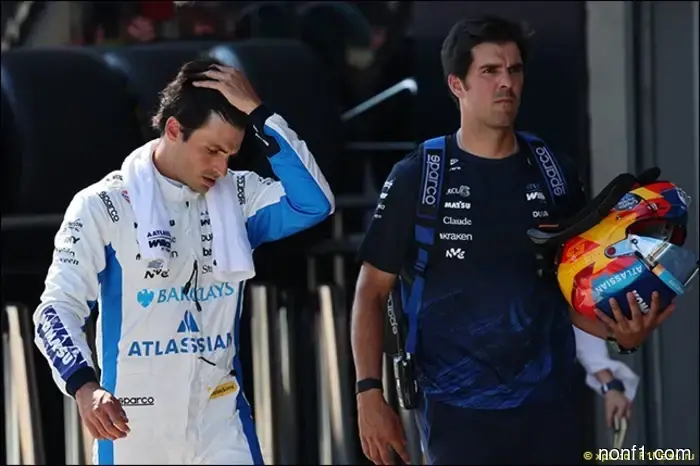 Carlos Sainz: I hope this is a temporary decline.
In the qualifying in Austria, the Williams drivers were eliminated from the competition in the first session...
Carlos Sainz: I hope this is a temporary decline.
In the qualifying in Austria, the Williams drivers were eliminated from the competition in the first session...
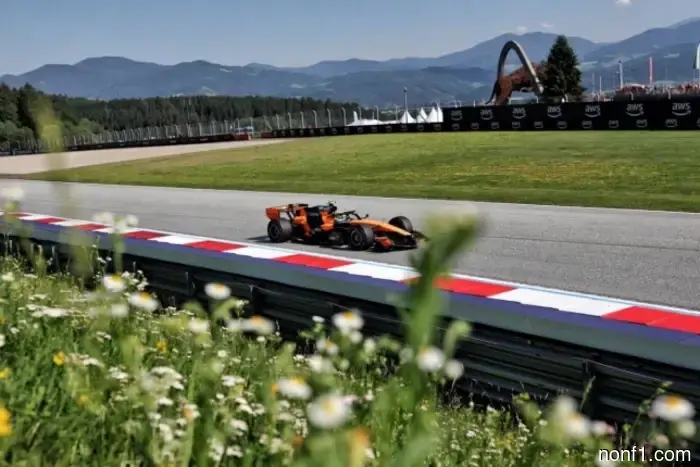 Norris: We have gone around our laps almost at the limit.
McLaren drivers start in the Austrian Grand Prix from the third row, but believe that they have squeezed almost everything out of the MCL40 that the car is capable of in qualifying...
Norris: We have gone around our laps almost at the limit.
McLaren drivers start in the Austrian Grand Prix from the third row, but believe that they have squeezed almost everything out of the MCL40 that the car is capable of in qualifying...
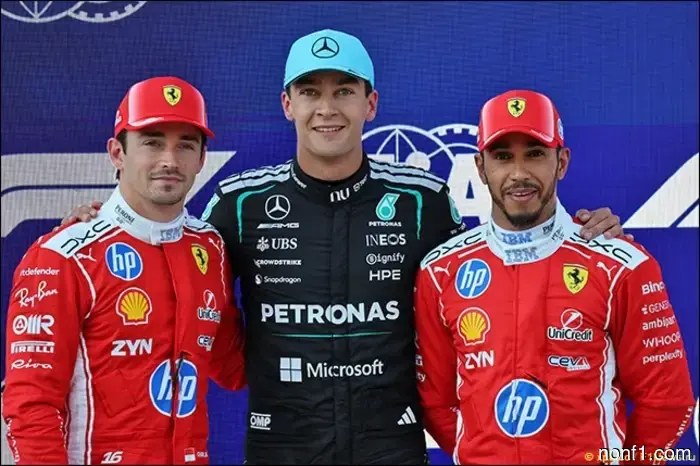 Austrian Grand Prix: Russell's Pole and Max's Crash
George Russell won the qualifying in Spielberg, securing his 11th pole in his career and fourth of the season...
Austrian Grand Prix: Russell's Pole and Max's Crash
George Russell won the qualifying in Spielberg, securing his 11th pole in his career and fourth of the season...
Ian Callum no diseñó el Jaguar XJ220, pero así sería su aspecto si lo hubiera hecho.
The previous head of Jaguar's design reinterpreted and refreshed the iconic supercar from the automaker.