
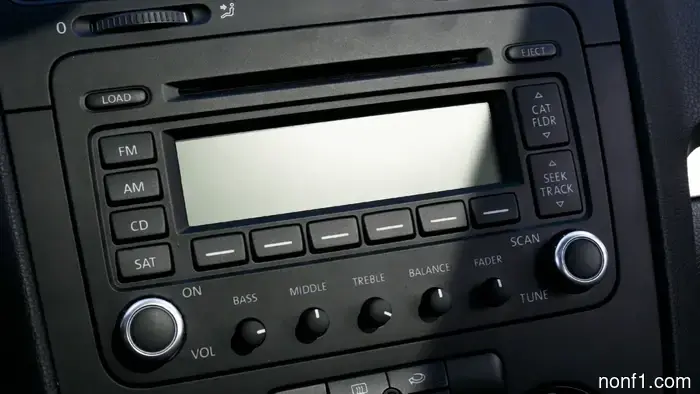
AM Radio Might Be Required by Law in New Vehicles
Getty Images
The most significant news and reviews about cars, with no fluff.
Our free daily newsletter delivers the important stories straight to you every weekday.
Nearly every discussion regarding AM radio begins with the same question: "When was the last time you used it?" While that's a valid inquiry, many believe it's not the right one. They argue that the frequency of use does not determine a tool's utility; rather, its effectiveness does. This belief has led to a new bill being proposed in Congress that aims to mandate AM radio in every new vehicle, regardless of manufacturers' preferences.
The legislation is called the AM Radio for Every Vehicle Act and is part of a broader initiative from the House Committee on Energy and Commerce, known as the Motor Vehicle Modernization Act of 2026. There are discussions about it potentially merging with another proposal—the Build America 250 Act—which encompasses various transportation topics, such as highway safety initiatives and bridge repairs. The latter bill was presented on May 18, and shortly after, advanced by the House Transportation and Infrastructure Committee with a bipartisan vote of 62-2. Although it has not yet passed the House of Representatives and remains in early stages, support for the bill appears robust.
This is not the first instance of lawmakers advocating for an AM mandate. A similarly named bill was introduced in 2023 but faced significant pushback from automakers. The Alliance for Automotive Innovation—a group representing companies like Ford, VW, and Toyota—released a joint statement with the Center for Automotive Research, arguing that high-voltage EV powertrains disrupt AM signal reception. They also highlighted the substantial costs associated with AM radio, noting that receivers can cost up to $70 each, potentially leading to $3.8 billion in expenses for automakers by 2030.
As long as it can be incorporated with the Build America 250 Act, the proposal for mandatory AM stands a much better chance of success. It enjoys bipartisan backing, which is crucial, as both Republicans and Democrats aim to pass the bill before September 30, when the current funding authorities for highways and transit programs expire under the existing surface transportation law. If the House, Senate, and President do not approve it by then, federal funding for highways, bridges, and transit initiatives could halt.
Opposition to including AM radios in vehicles primarily revolves around cost concerns. Supporters of the AM mandate cite numerous reasons for their stance. Instead of asking how often individuals utilize this low-tech feature, they argue that the more pertinent question is, "What will you do if the alternatives fail?" Much of the enthusiasm driving this legislative effort hinges on that uncertainty: What if a natural disaster disrupts all other forms of communication, or a government collapse leads to widespread unrest, or various other calamities occur? They question whether it is wise—to save costs, either for manufacturers or consumers—to eliminate AM.
The decision now lies with Washington.
Do you have a tip or question for the author? Reach out directly at: caleb@thedrive.com
Altri articoli
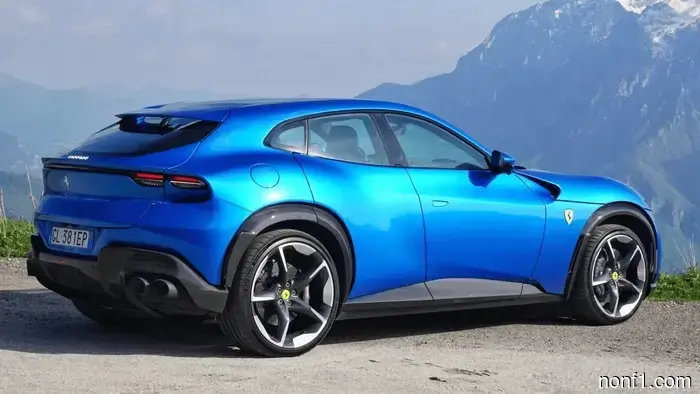 Revealing the Truth Behind the Reasons Supercar Manufacturers Produce SUVs
It's commonly claimed that luxury car makers produce SUVs solely to maintain their financial stability. However, that's not completely accurate.
Revealing the Truth Behind the Reasons Supercar Manufacturers Produce SUVs
It's commonly claimed that luxury car makers produce SUVs solely to maintain their financial stability. However, that's not completely accurate.
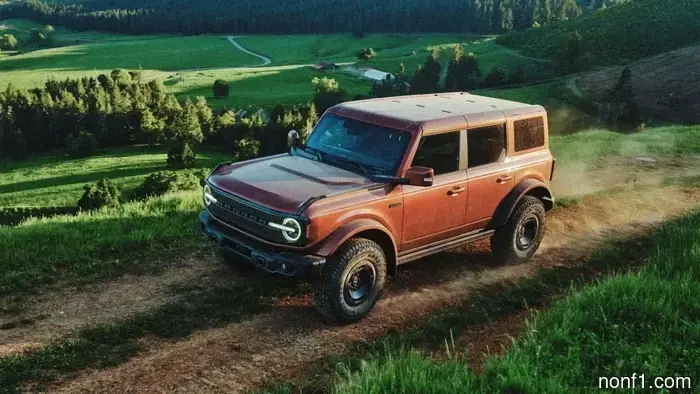 Q2 Sales Figures Position Ford Bronco Close to Jeep Wrangler
Since Ford reintroduced its 4x4 in 2021, the Bronco has been closely pursuing the Wrangler.
Q2 Sales Figures Position Ford Bronco Close to Jeep Wrangler
Since Ford reintroduced its 4x4 in 2021, the Bronco has been closely pursuing the Wrangler.
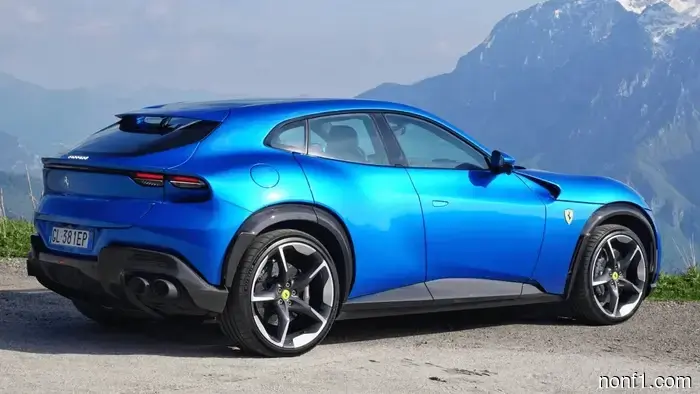 Revealing the Truth Behind the Reasons Supercar Manufacturers Offer SUVs
It’s commonly stated that luxury car makers produce SUVs merely to survive. However, that’s not completely accurate.
Revealing the Truth Behind the Reasons Supercar Manufacturers Offer SUVs
It’s commonly stated that luxury car makers produce SUVs merely to survive. However, that’s not completely accurate.
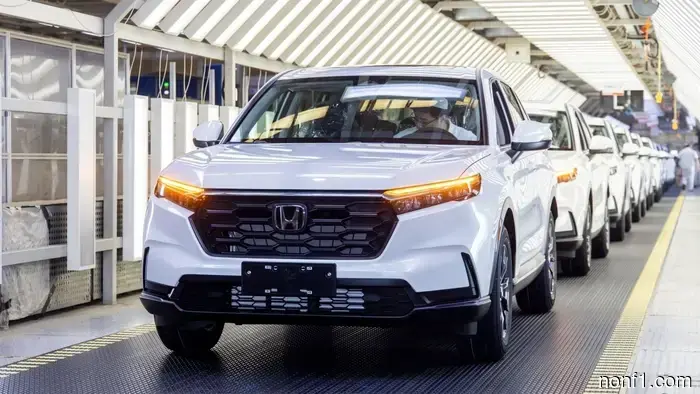 Honda Claims Title of America's Best-Selling Car from Ford and Toyota: TDS
While Ford and Toyota face challenges, Honda is benefitting as the CR-V has emerged as the top-selling model in the U.S. for the period leading up to 2026.
Honda Claims Title of America's Best-Selling Car from Ford and Toyota: TDS
While Ford and Toyota face challenges, Honda is benefitting as the CR-V has emerged as the top-selling model in the U.S. for the period leading up to 2026.
 Q2 Sales Figures Bring Ford Bronco Close to Jeep Wrangler
Since Ford reintroduced its 4x4 in 2021, the Bronco has been closely following the Wrangler.
Q2 Sales Figures Bring Ford Bronco Close to Jeep Wrangler
Since Ford reintroduced its 4x4 in 2021, the Bronco has been closely following the Wrangler.
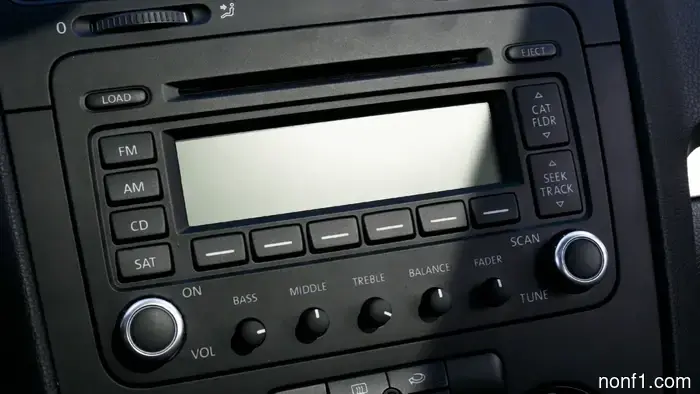 AM Radio May Be Required by Law in New Vehicles
If all elements align, car manufacturers would be compelled to incorporate AM receivers in their vehicles, despite resistance concerning one major issue: expense.
AM Radio May Be Required by Law in New Vehicles
If all elements align, car manufacturers would be compelled to incorporate AM receivers in their vehicles, despite resistance concerning one major issue: expense.
AM Radio Might Be Required by Law in New Vehicles
If all elements align, automotive manufacturers would have to incorporate AM receivers in their vehicles, despite resistance concerning one major issue: expense.