
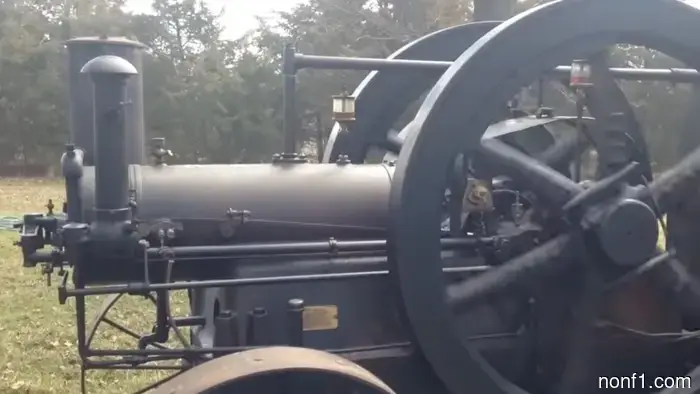
Only three of these International Harvester hit-and-miss engines are known to exist today.
Antique Tractor Life via YouTube
The latest automotive news and reviews, presented straightforwardly
The pace of innovation can be frustrating, especially now when we're told that electric vehicles represent the future, even as the underlying technology is still evolving to reach its full potential. However, it’s vital to recognize that today’s internal-combustion engines have also undergone a similar development process, which included many initial setbacks and engineering cul-de-sacs in the past.
One of these setbacks remained out of sight for 70 years and is quite remarkable. It’s a 25-horsepower single-cylinder “hit-and-miss” engine created by International Harvester in 1915. A recently released video on the YouTube channel Antique Tractor Life indicates that it is one of only three believed to still exist today. This engine operated inside a planing mill for seven decades before being auctioned off in the 1990s and remains in impressively original condition.
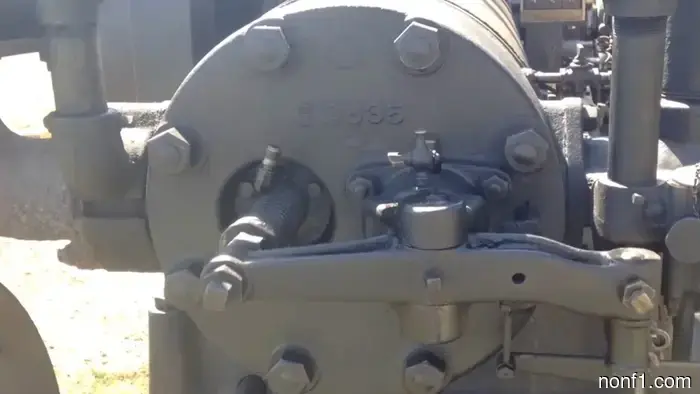
The term “hit-and-miss” refers to how these engines ignite (“hit”) only when they reach a certain speed; otherwise, they continue to cycle without igniting (“miss”). This speed regulation is governed by the opening and closing of the exhaust valve, which is connected to a rocker arm similar to those found in more modern engine designs. A governor keeps the exhaust valve open to regulate speed. Meanwhile, the intake valve opens solely due to the suction in the combustion chamber, which prevents it from opening when the exhaust valve is closed. Like many early internal-combustion engines, this one is not the epitome of efficiency, producing its 25 hp from 1,100 cubic inches (around 18 liters) of displacement.
As noted in the video, International Harvester manufactured hit-and-miss engines in Milwaukee between 1904 and 1917, commencing with gasoline-powered models of 6, 8, and 15 hp. Additional variants followed, with the 25-hp model entering production in 1910. In 1913, the company started producing kerosene-powered versions in response to rising gas prices driven by increasing automobile production. Versions portable by horse and wagon were made available for farming tasks, while stationary units were offered to provide power before the advent of electrical mains. Although primarily used stationary, this engine was originally mounted on a wheeled chassis.
**Discovered in a Planing Mill After 70 Years — One of Only 3 International Harvester Engines**
These primitive hit-and-miss engines performed adequately compared to the more labor-intensive steam engines and manual labor, but they became largely outdated by the 1930s. In fact, this engine was destined for scrapping before it found its new home. It began a second life at a Pennsylvania mill in 1935 after a fire, which had been caused by the steam engine that originally powered the facility. Due to the economic challenges of the Great Depression, affordability was crucial, and the discarded engine was made available at a low price. This turned out to be a wise investment.
The engine powered the mill until it was sold at auction in 1997. Although some mechanical repairs were required to restore its functionality, a layer of oil and sawdust from its extensive operational history kept it in good condition for engineering enthusiasts to appreciate.

Other articles
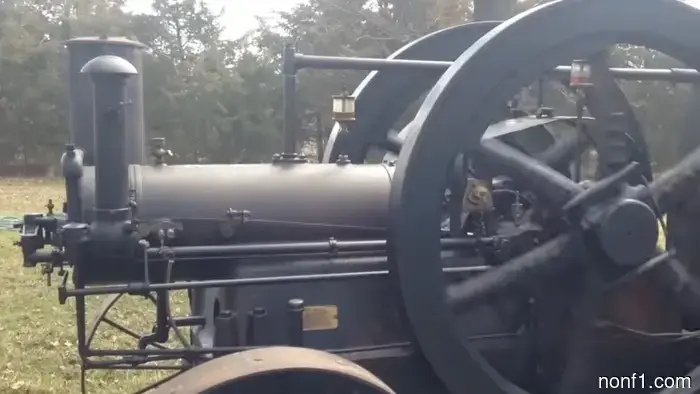 Only three of these International Harvester hit-and-miss engines are still in existence today.
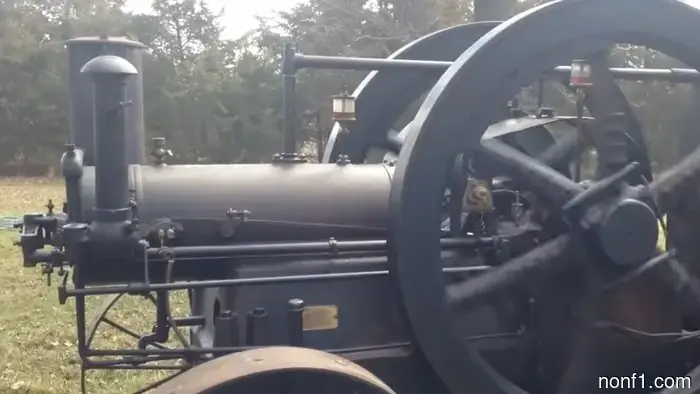
This particular relic was stored for 70 years in a planing mill, covered in sawdust and oil.
Only three of these International Harvester hit-and-miss engines are still in existence today.
This particular relic was stored for 70 years in a planing mill, covered in sawdust and oil.
 The president of the Czech Republic serves as an accredited photographer for Formula 1.
Formula 1 | Czech President Petr Pavel worked as a regular accredited photographer at the Hungarian GP held at the Hungaroring. The 64-year-old motorsport (…)
The president of the Czech Republic serves as an accredited photographer for Formula 1.
Formula 1 | Czech President Petr Pavel worked as a regular accredited photographer at the Hungarian GP held at the Hungaroring. The 64-year-old motorsport (…)
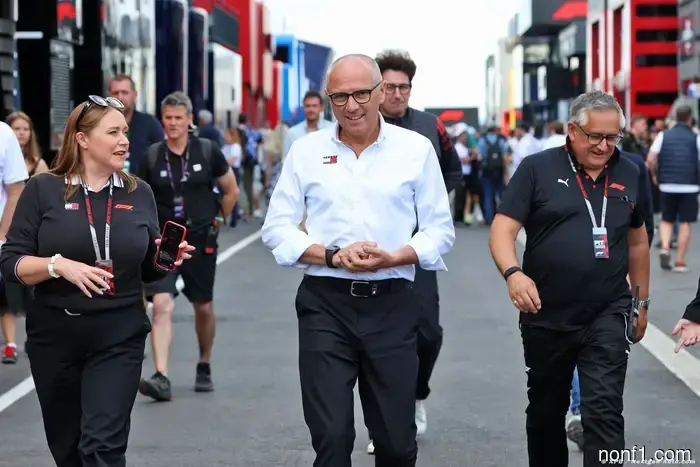 Domenicali acknowledges that Imola could be a contender for the 2026 replacement.
Formula 1 has announced that this year's delayed Bahrain Grand Prix will take place at Malaysia's Sepang circuit instead. Meanwhile, Stefano Domenicali acknowledges (…)
Domenicali acknowledges that Imola could be a contender for the 2026 replacement.
Formula 1 has announced that this year's delayed Bahrain Grand Prix will take place at Malaysia's Sepang circuit instead. Meanwhile, Stefano Domenicali acknowledges (…)
 Study Finds Waymo's Self-Driving Cars Have Fewer Crashes Compared to Human Drivers.
It's a promising indication for a technology that has thus far produced more excitement than tangible outcomes, but the authors of the study assert that additional data is necessary.
Study Finds Waymo's Self-Driving Cars Have Fewer Crashes Compared to Human Drivers.
It's a promising indication for a technology that has thus far produced more excitement than tangible outcomes, but the authors of the study assert that additional data is necessary.
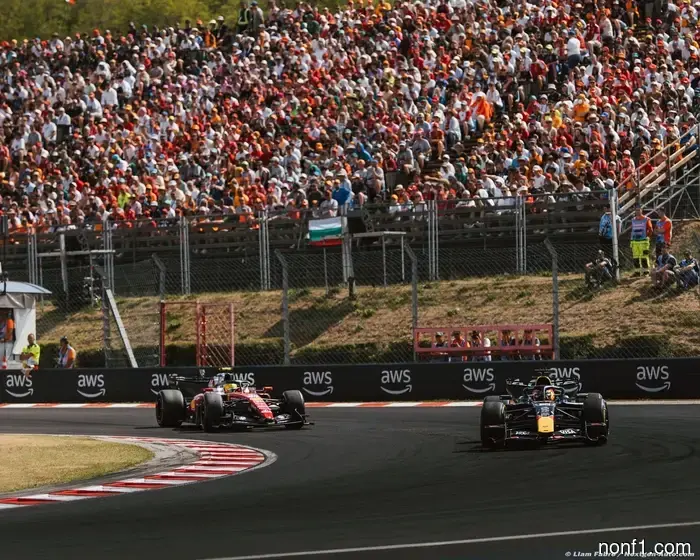 Hadjar remains, while Verstappen has been presented with a more lucrative offer.
Formula 1 | It has been reported that Red Bull has proposed Max Verstappen a more extended and financially rewarding contract that would eliminate his current release clause. According to (…)
Hadjar remains, while Verstappen has been presented with a more lucrative offer.
Formula 1 | It has been reported that Red Bull has proposed Max Verstappen a more extended and financially rewarding contract that would eliminate his current release clause. According to (…)
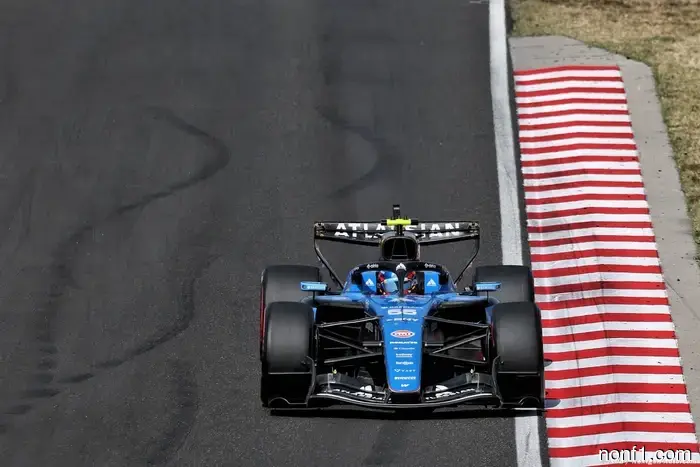 Sainz will make a 'calm' decision regarding his future during the summer break.
Formula 1 | Carlos Sainz stated that he will take advantage of the summer break to thoughtfully evaluate his future in Formula 1, after referring to Williams' season as quite poor and significantly below expectations.
Sainz will make a 'calm' decision regarding his future during the summer break.
Formula 1 | Carlos Sainz stated that he will take advantage of the summer break to thoughtfully evaluate his future in Formula 1, after referring to Williams' season as quite poor and significantly below expectations.
Only three of these International Harvester hit-and-miss engines are known to exist today.
This particular relic was stored for 70 years at a planing mill, covered in sawdust and oil.