
Chevy Bolt New vs. Old Review: A Major Advancement with Several Minor Setbacks
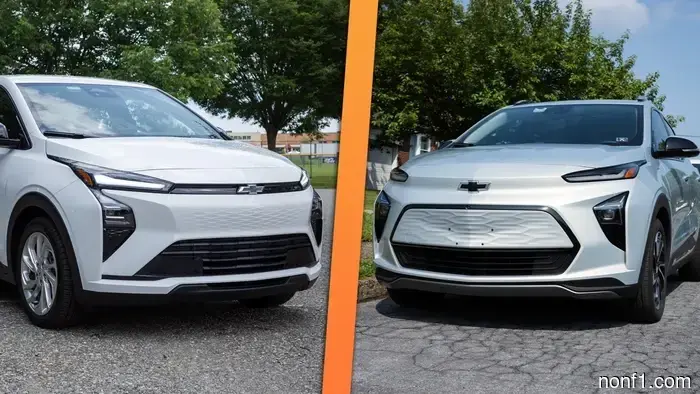
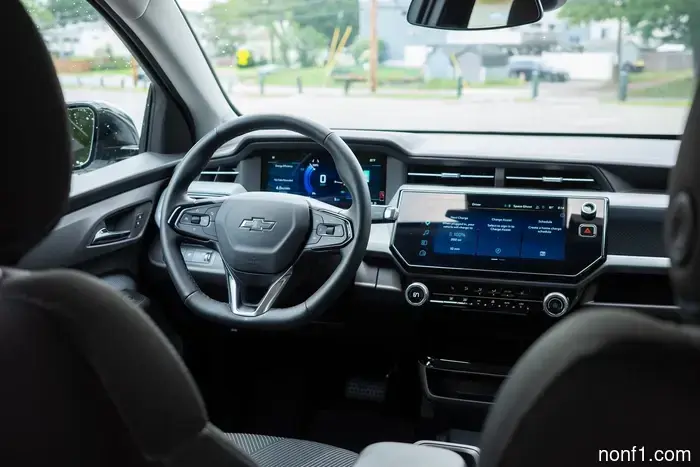
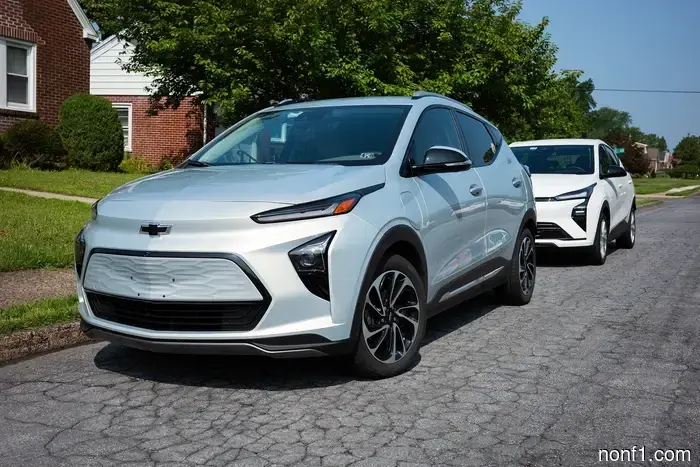
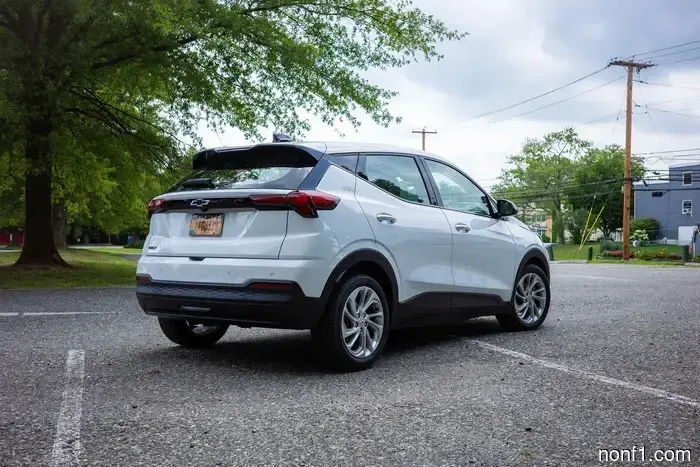
2027 Chevrolet Bolt, shown on the left, alongside a 2023 Bolt EUV.
**Adam Ismail**
**The most significant car news and reviews, without any fluff.**
Subscribe to our free daily newsletter to receive the most important stories directly to your inbox every weekday.
**Changes in the new Bolt's battery chemistry.** The 2027 Bolt now utilizes a lithium-iron-phosphate battery, which allows for more charge cycles but has reduced performance in cold weather.
**Improved charging capabilities.** The updated model includes a NACS port and supports fast charging at 150 kW, representing a considerable enhancement.
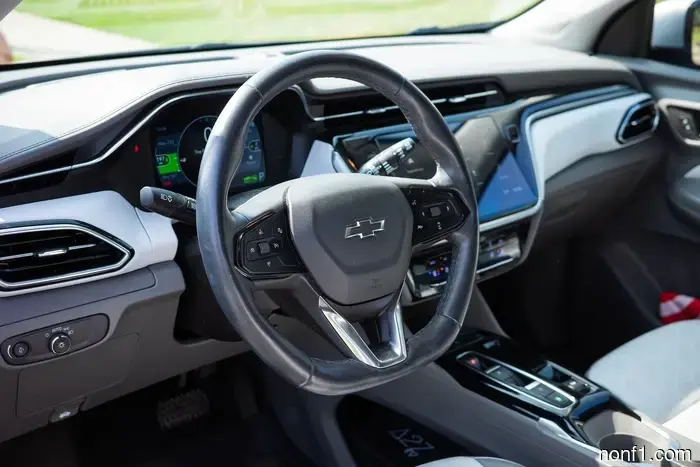
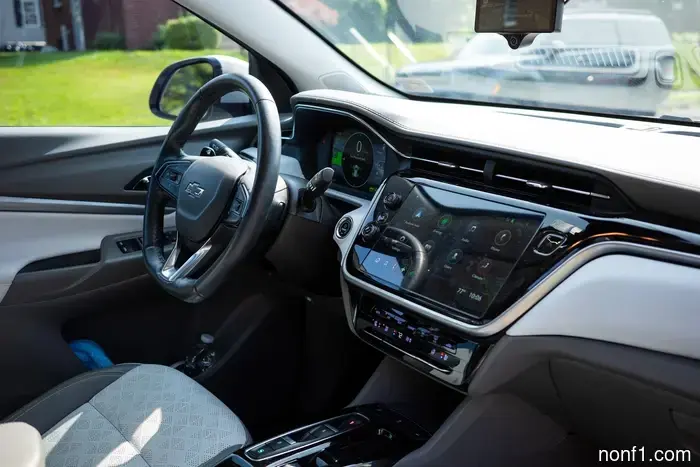
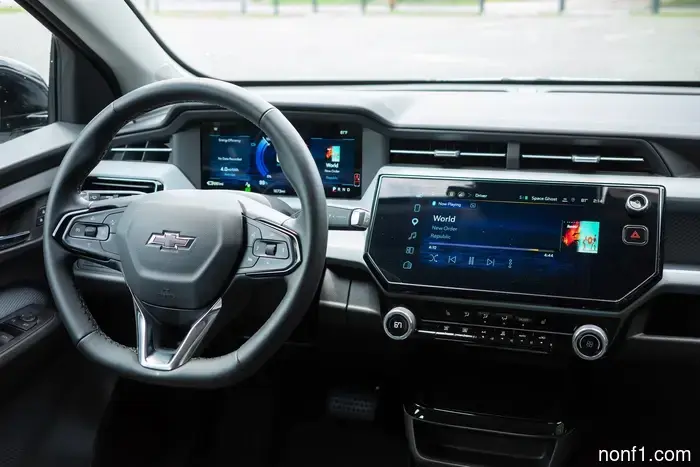
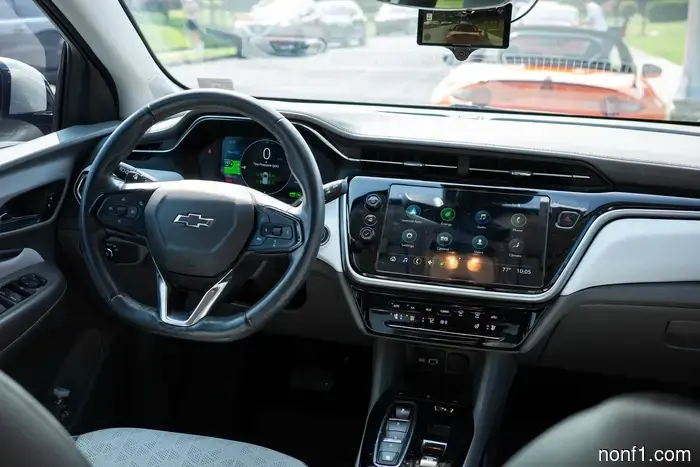
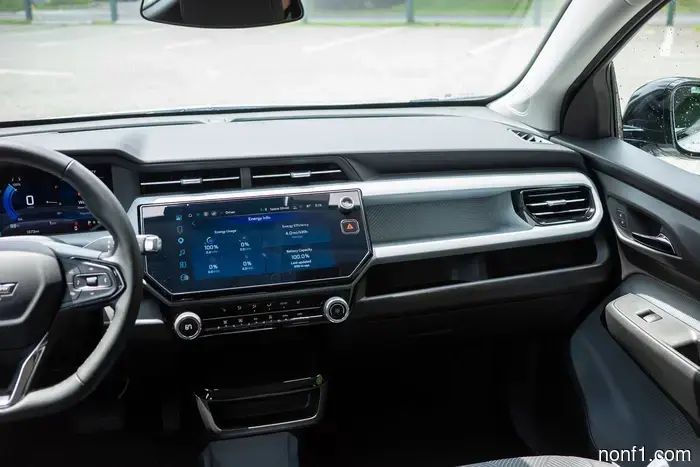
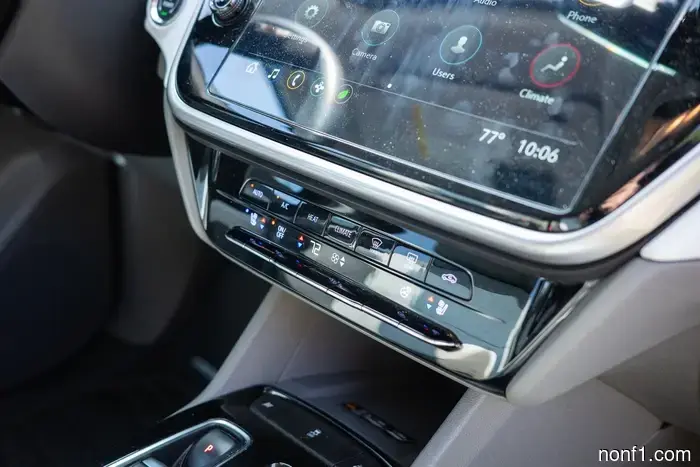
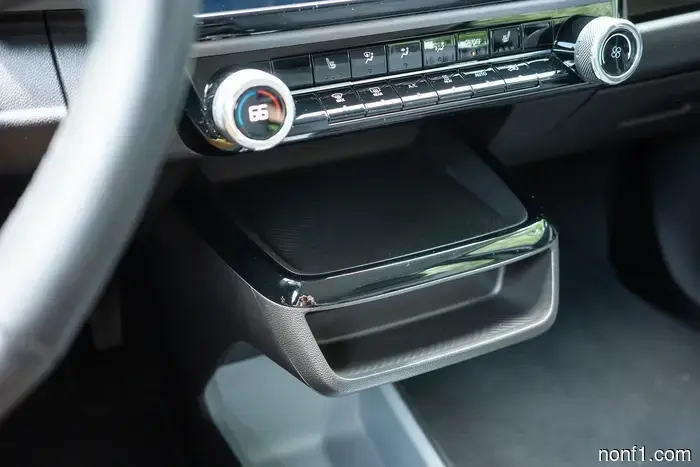
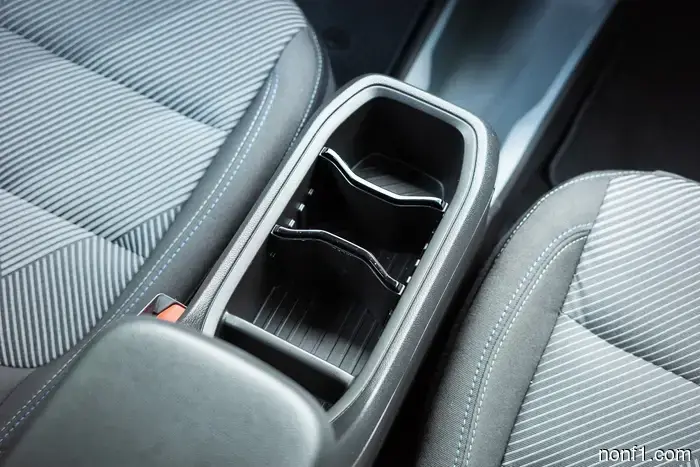
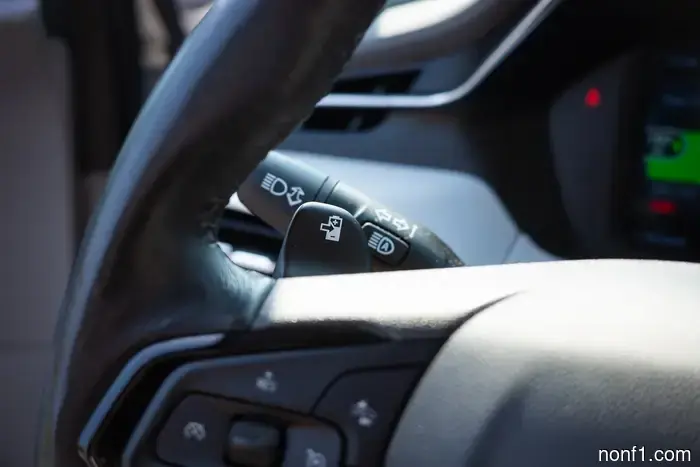
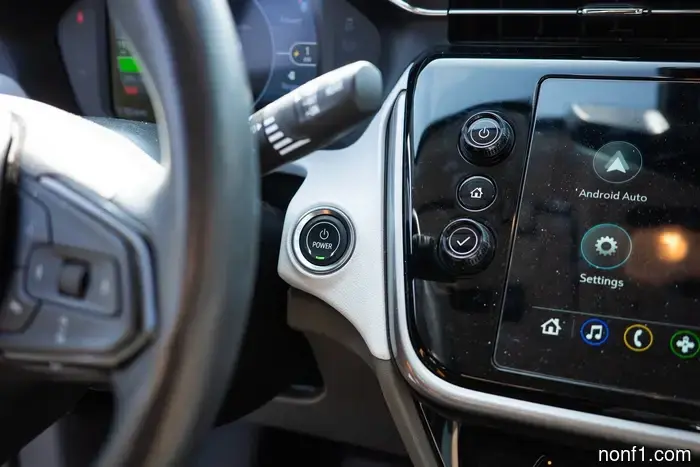
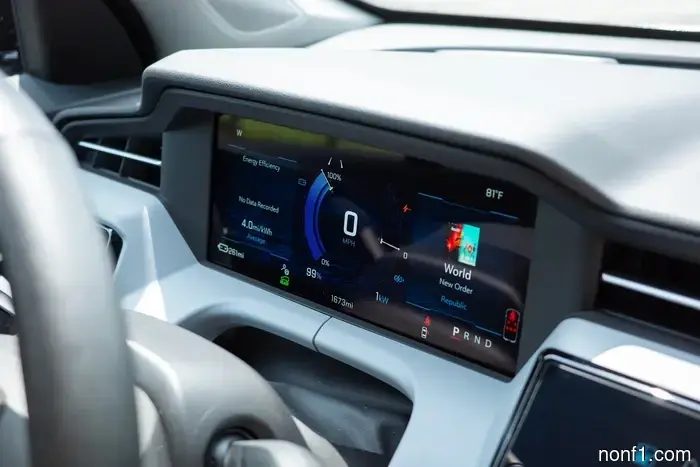
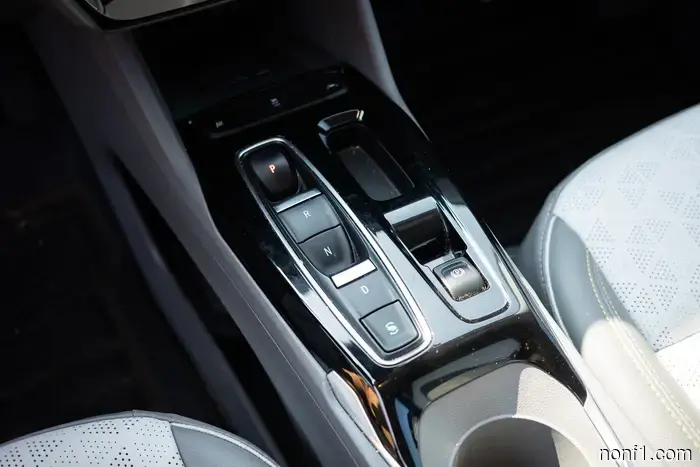
**Interior and technological updates.** The new model offers additional storage options and tech enhancements, but it lacks CarPlay and has inconvenient regenerative braking settings.
**Price and value comparison.** There is only a slight price increase from 2023, but used versions provide better value.
**Conclusion:** The 2027 Chevy Bolt features significant upgrades, yet it also has several drawbacks, resulting in a mixed experience compared to the previous model.
**AI-assisted, editor-reviewed**
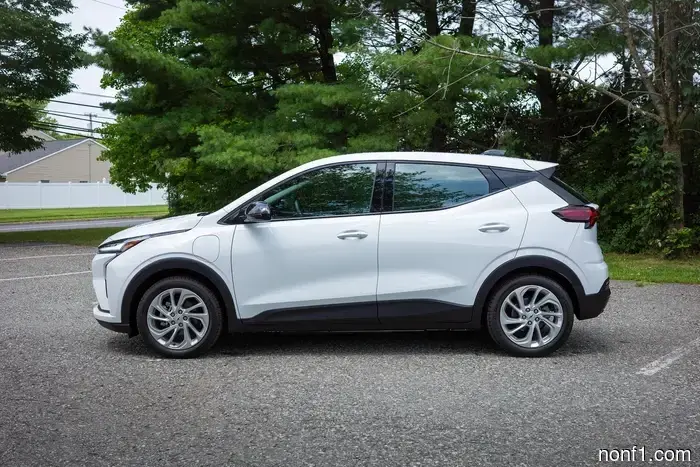
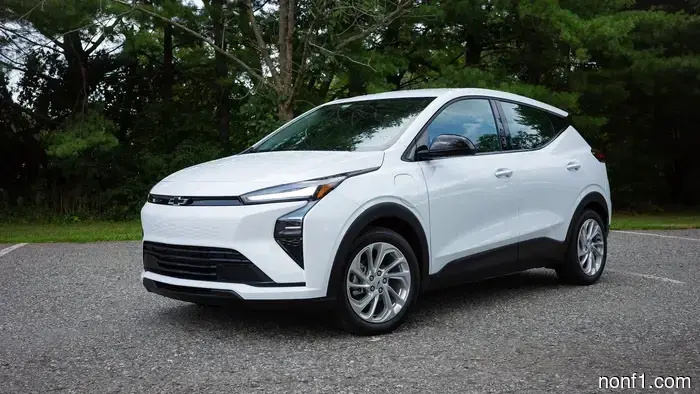
In an ideal scenario, General Motors would have continued producing the Chevrolet Bolt over the past two years and into the future. However, due to various mundane and frustrating reasons that we won’t elaborate on here, this compact, entry-level electric vehicle is confirmed to return for only one model year, with production expected to wrap up in mid-2027. This isn’t a completely new Bolt, but rather a substantially updated version of the Bolt EUV, which was on hiatus after 2023; the smaller, non-EUV variant is no longer available.
Considering the similarities between a lightly used Bolt and this latest iteration, I found it valuable to compare them. My friend Forrest lent me the keys to his 2023 Bolt EUV, which I drove consecutively with this nearly base model I was provided for review a couple of weeks ago.
I observed that while the new Bolt has certain advantages over its predecessor, it also makes several frustrating compromises that hinder it from being the clear choice. To potentially reveal my conclusion early, I would say that if I already possessed an older Bolt, I wouldn’t necessarily seek to upgrade.
**Overview**
Let’s examine what the new Bolt offers compared to its predecessor. While its battery maintains the same 65 kWh rating as before, the new CATL-developed pack employs lithium-iron-phosphate chemistry instead of the prior nickel-cobalt construction. The benefit is that the LFP battery should maintain its charge for considerably more cycles. On the downside, it has poorer theoretical cold-weather performance, although the new Bolt is equipped with a heat pump that the previous model lacked, which may recover some range in such conditions. Additionally, the new battery material results in a heavier pack, but for a vehicle like the Bolt, this weight is not a significant concern.
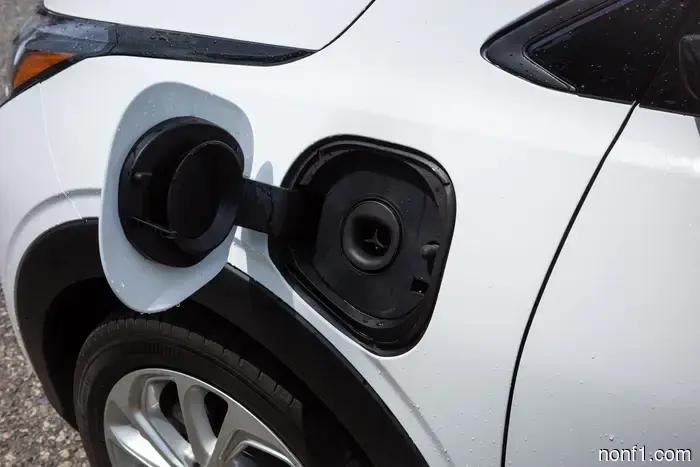
The 2027 version also includes a NACS port and can DC fast-charge at up to 150 kW, which is a threefold increase over its predecessor. The combination of enhanced charging speed and the widespread availability of this port in North America is, frankly, the most substantial advantage of the refreshed Bolt.
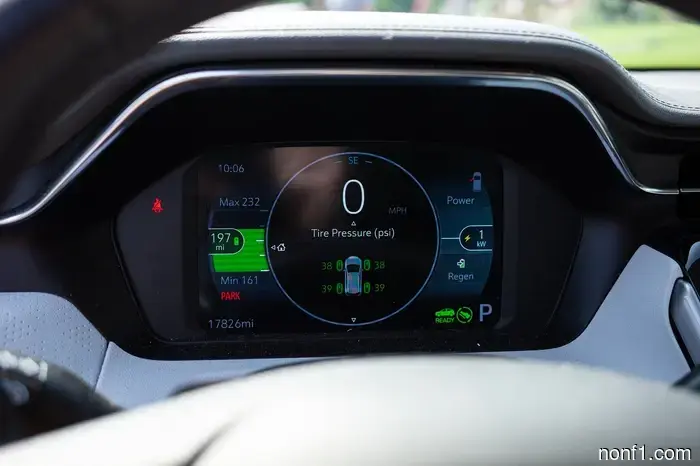
However, none of these enhancements translate into a marked improvement in range, which is EPA-estimated at 262 miles on a full charge—approximately 15 miles more than before. Furthermore, while the new Bolt benefits from an increase of 10 horsepower over the previous model, now reaching 210 hp, the torque has surprisingly decreased from 266 lb-ft to just 169 lb-ft. Fortunately, this isn’t as detrimental in actual driving conditions as it appears on paper, as GM engineers adjusted the final drive ratio to complement the car’s smaller, higher-RPM motor. Consequently, in direct acceleration comparisons between both Bolts, the new model feels noticeably quicker, even if the raw figures suggest otherwise.
Additionally, the new Bolt includes bidirectional charging capabilities, allowing it to power your home, but this is only feasible for GM Energy customers; for instance, there is no 120-volt outlet in the trunk.
**Driving the Two Bolts Back-to-Back**
I should mention that my friend Forrest genuinely enjoys his Bolt, and it’s easy to understand why. Whether you choose a pre-owned or a new model, it’s a fantastic little vehicle for short trips. Both offer excellent cabin visibility, light and straightforward steering, and accelerator pedals designed not to unleash excessive torque upon initial engagement, which can be jarring in electric vehicles.
The differences between the two vehicles begin to show in the powertrain and also in their ride and braking behaviors. Neither car is speedy, but the 2027 model feels more lively off the line and during overtaking, despite its significantly lower torque figure. The revised gearing contributes significantly to this difference.
The new Bolt features an updated rear twist beam, but I preferred the ride quality of Forrest’s vehicle, which is understandable given that he upgraded


Other articles
 The FIA confirmed the start time of the race in Malaysia.
The FIA confirmed the start time of the Bahrain Grand Prix, which has been decided to take place on the first weekend of October at the Malaysian circuit in Sepang...
The FIA confirmed the start time of the race in Malaysia.
The FIA confirmed the start time of the Bahrain Grand Prix, which has been decided to take place on the first weekend of October at the Malaysian circuit in Sepang...
 Formula 1 reported record statistics
According to the official statistics for the first half of the season reported by Formula 1, there is a steady increase in viewer interest across all key indicators...
Formula 1 reported record statistics
According to the official statistics for the first half of the season reported by Formula 1, there is a steady increase in viewer interest across all key indicators...
 900 HP with a Manufacturer’s Warranty: Mopar Supercharger Packages Return for the Ram Rumble Bee
The Hellcat V8 in the Rumble Bee SRT sees a boost of over 100 horsepower with the Direct Connection kit, and Ram is additionally providing superchargers for the 5.7L and 6.4L engines.
900 HP with a Manufacturer’s Warranty: Mopar Supercharger Packages Return for the Ram Rumble Bee
The Hellcat V8 in the Rumble Bee SRT sees a boost of over 100 horsepower with the Direct Connection kit, and Ram is additionally providing superchargers for the 5.7L and 6.4L engines.
Chevy Bolt New vs. Old Review: A Major Advancement with Several Minor Setbacks
The Chevy Bolt has returned for a limited period, and although it has certainly seen improvements in a significant area, several puzzling changes prevent it from being an obvious front-runner. Here’s a comparison of how the 2027 model differs from the nearly identical 2023 version.