
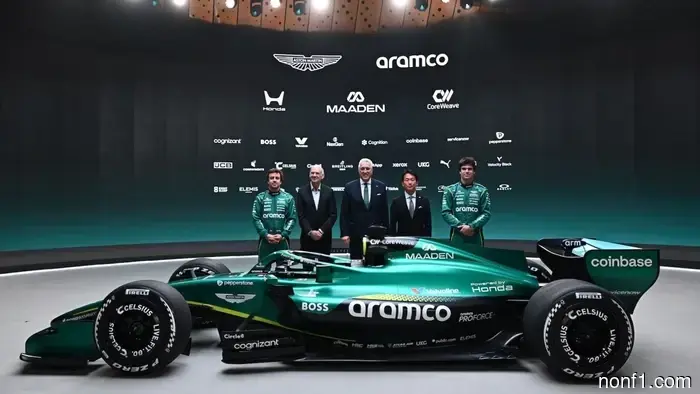
Inside Honda’s Unsteady Comeback to F1: Racing Chief Watanabe Discusses Vibrations, Tense Discussions, and Future Plans
The latest in car news and reviews, no nonsense
Our complimentary daily newsletter delivers the most important stories straight to your inbox every weekday.
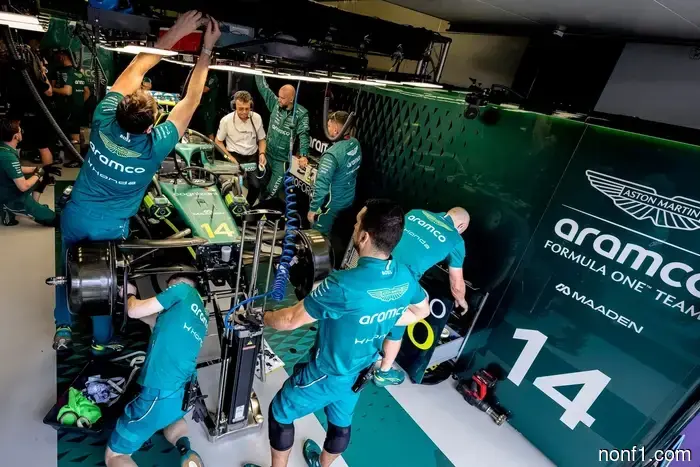
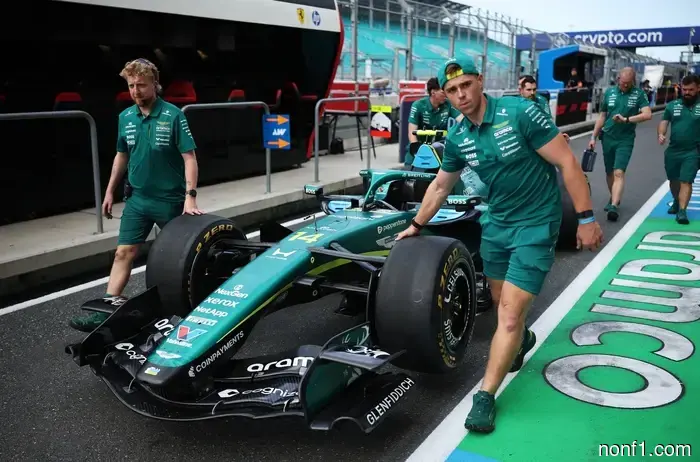
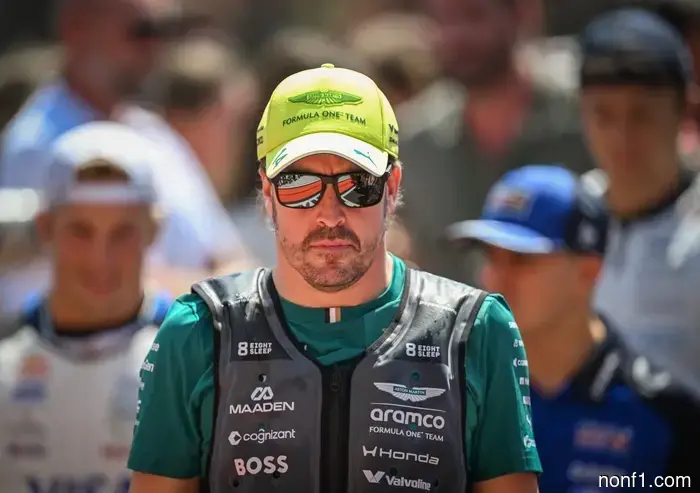
Aston Martin appears ready to compete for midfield positions at this weekend's Formula 1 Dutch Grand Prix, a scenario that would have seemed far-fetched just a race or two ago. The significant 16-part aerodynamic update the team introduced before the summer break marked a substantial improvement, yielding immediate results as Lance Stroll and Fernando Alonso finished 13th and 14th in Hungary. Now, it's Honda's moment to shine, with the long-anticipated "Spec 2" power unit making its debut in the AMR26 at Zandvoort. There’s a lot at stake.
This extensively revised power unit is the first of two Additional Development and Upgrade Opportunities (ADUO) awarded by the FIA for 2026, given to manufacturers lagging over 4% behind the performance leader. The Spec 2 includes a new pre-chamber for enhanced combustion, a redesigned piston for improved combustion efficiency, and revised lubrication systems to minimize friction.
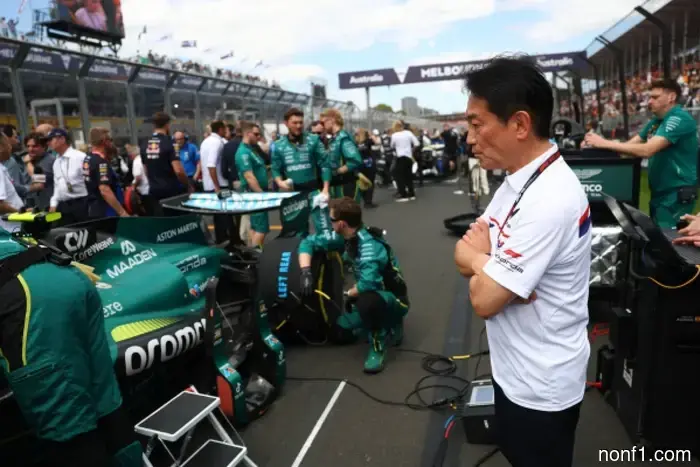
While optimism is rising within both the Silverstone and Sakura organizations, the journey has not always been smooth. Since Honda announced its return as a full F1 power unit manufacturer with Aston in 2023, challenges have emerged, peaking during the Australian Grand Prix when both parties, alongside the rest of the racing world, faced the tough realities of their situation.
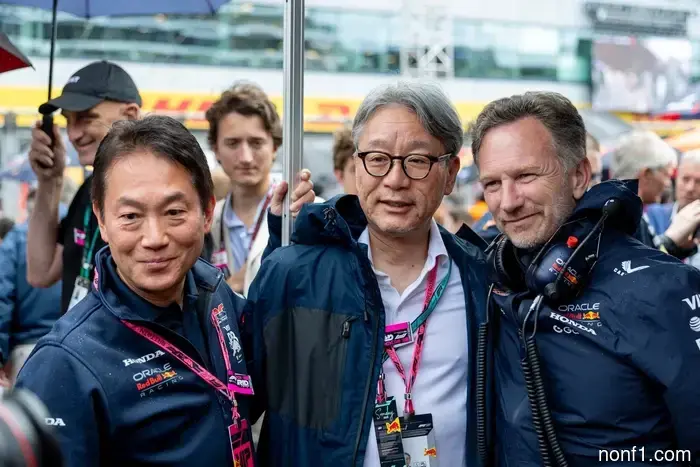
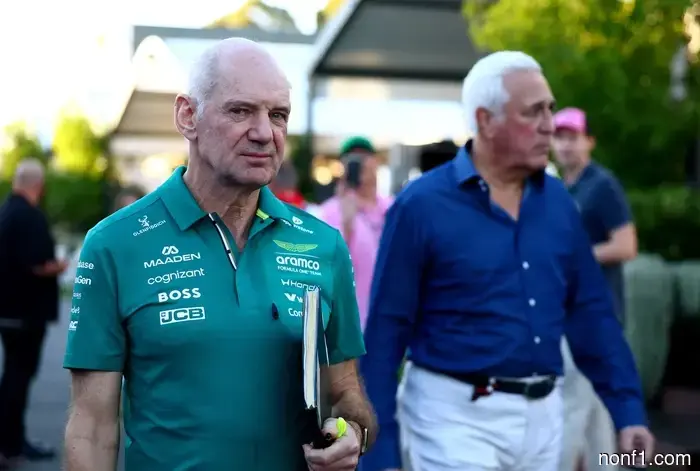
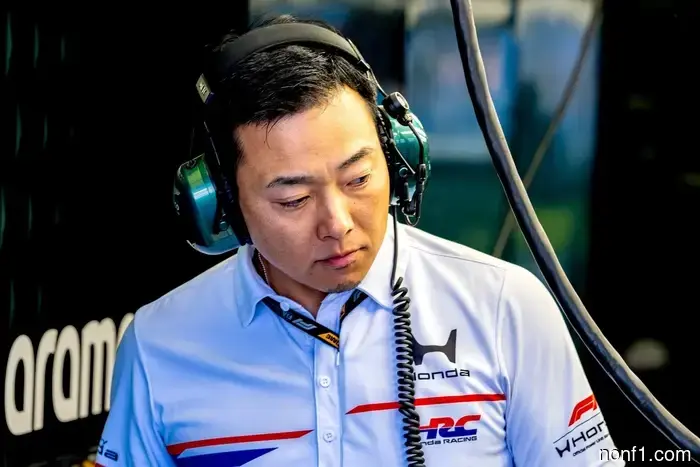
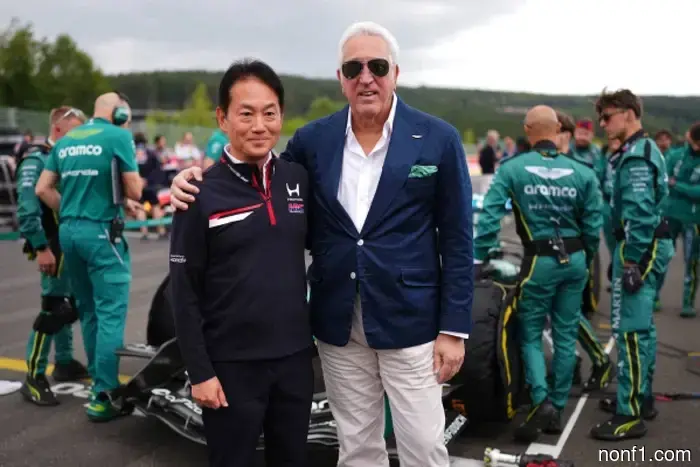
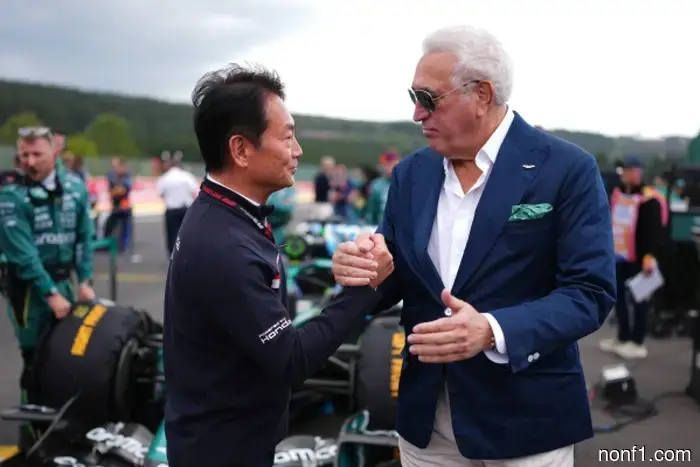
Leading these two teams are two prominent figures who have navigated their squads through significant highs and lows. On the Aston side is Managing Technical Partner and Team Principal Adrian Newey. On the Honda side is Koji Watanabe, President of Honda Racing Corporation. The two have collaborated for a decade and have a long-standing acquaintance, both contributing to each other’s accomplishments, including over 70 race victories and numerous constructor and driver championships during their previous partnership with Red Bull.
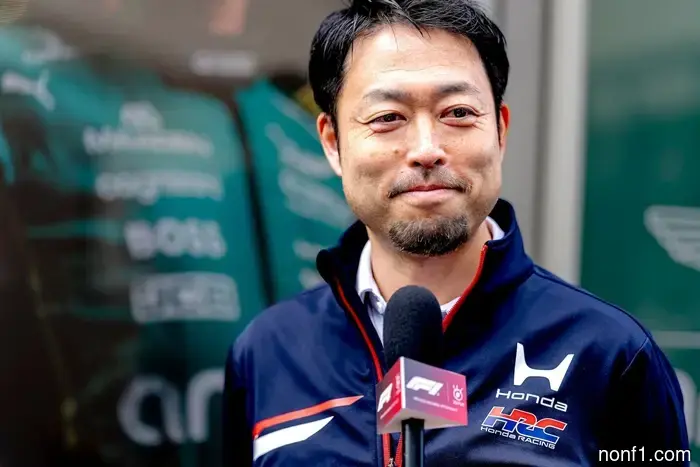
In an exclusive interview with The Drive, Watanabe provided in-depth insights into the team's trajectory since Honda reaffirmed its commitment to F1 three years ago, discussing why the initiation was fraught with difficulties. He described the "very tense and very serious” meetings that unfolded when upheaval hit during pre-season testing and the Australian Grand Prix, and how, despite Newey’s critical public statements about Aston’s new partner, everyone at Honda moved forward to find solutions.
A Shaky Start
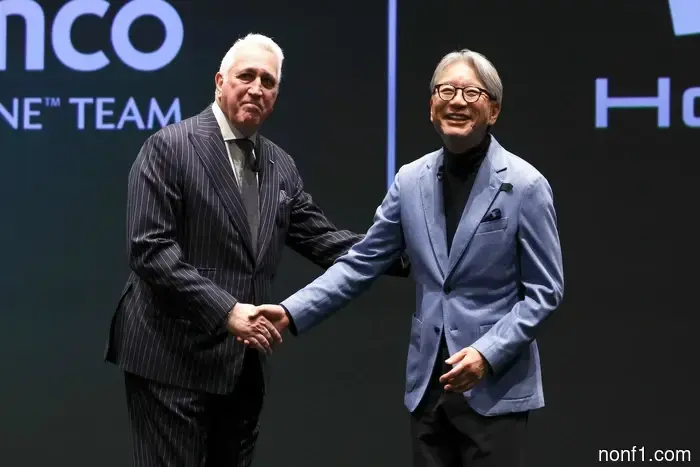
“I will personally be in Australia to ensure the car performs well,” Honda CEO Toshihiro Mibe remarked, wagging his finger while having breakfast with me at the Mexican GP last October. He was in good spirits after responding to my direct query about how it felt for Lawrence Stroll to call him for a winning engine. He smiled and nodded.
Yet, while Red Bull was winning races with an HRC engine, Honda’s F1 program in Japan faced a very different reality. More than two years had elapsed since it announced its return as a full F1 power unit manufacturer with Aston, but it was far from straightforward. Unbeknownst to the public, Honda struggled to gather enough human resources to fulfill its operational needs, and pressures from the FIA's strict budget cap regulation regarding 2026 spending were already being felt. With a significant deadline approaching, tensions increased.
Jerry Perez: From the time Honda announced its return until you started working on the power unit, how much time passed?
Koji Watanabe: Honda's return to F1 and partnership with Aston Martin was announced in May 2023. Before that announcement, Honda's position was as a technical partner with Red Bull, which limited our involvement in F1. By the end of March 2022 [after Honda stepped back as a power unit manufacturer while continuing to supply RBR], many engineers involved in F1 were reallocated to different areas within the company. We were in the process of returning these engineers to other domains when Honda announced its return to F1. Thus, rebuilding the team meant either bringing in engineers from other Honda departments or hiring new talent from outside, which consumed considerable time.
Additionally, we faced the reality of the budget cap for the new 2026 regulations being enforced in 2023. Rivals had begun their preparations and development for the 2026 season back in 2022, prior to the cost cap being in place, which created a substantial gap for Honda and complicated our situation.
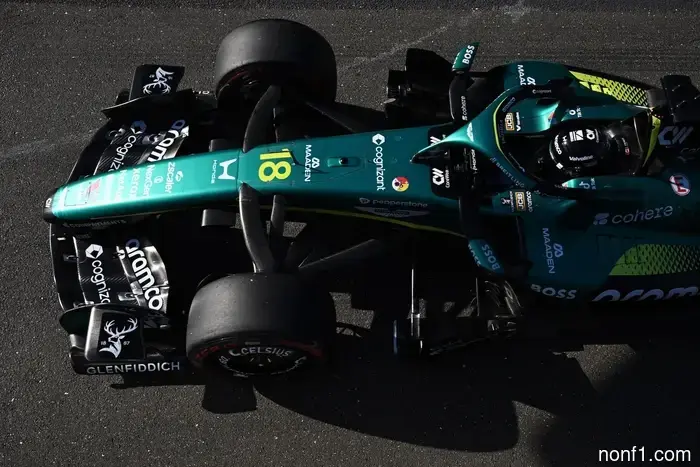
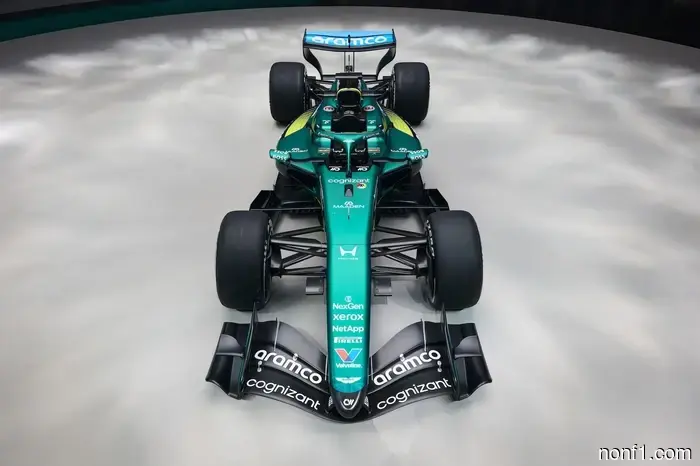
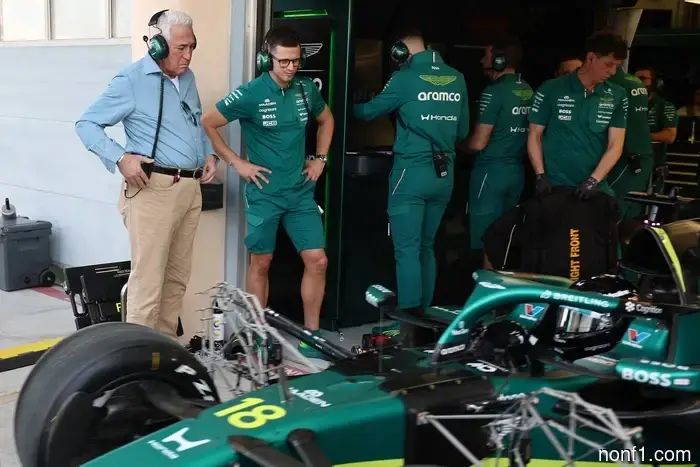
Top: AMR26 – HRC. Bottom: Adrian Newey – Joseph Portlock via Getty
In retrospect, do you think there was a chance to expedite recalling those engineers upon the hint of Honda's return to F1, or was that impossible?
In hindsight, we should have taken steps in that direction. However, F1 demands a large number of highly skilled and talented engineers to function effectively. Assembling such talent in a brief period was extremely challenging. The inability to form a capable team so quickly is a responsibility that I and the management share, and
Other articles
 Dutch Grand Prix: Changes to the track and overtaking zone
Before the start of the weekend in Zandvoort, the FIA announced changes to the track and confirmed the locations of the DRS activation zones and SM zones...
Dutch Grand Prix: Changes to the track and overtaking zone
Before the start of the weekend in Zandvoort, the FIA announced changes to the track and confirmed the locations of the DRS activation zones and SM zones...
 Charles Leclerc: We shouldn't have any problems this year.
On the eve of the Dutch Grand Prix, Charles Leclerc admitted that the track in Zandvoort has traditionally not suited Ferrari, but this year, after the switch to new generation cars, Scuderia may have a chance for a strong result.
Charles Leclerc: We shouldn't have any problems this year.
On the eve of the Dutch Grand Prix, Charles Leclerc admitted that the track in Zandvoort has traditionally not suited Ferrari, but this year, after the switch to new generation cars, Scuderia may have a chance for a strong result.
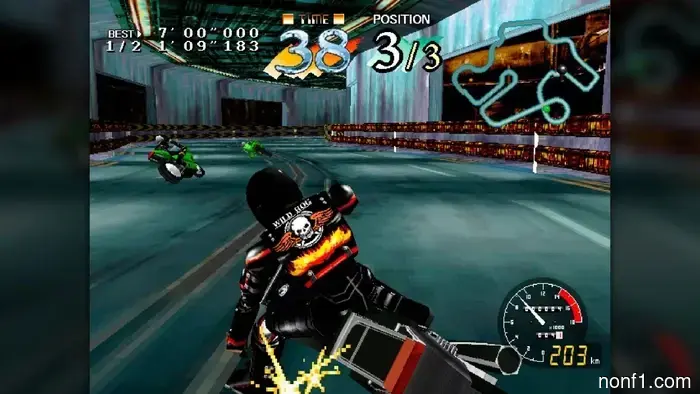 Namco's Cyber Cycles is set to receive a console port after 31 years.
Launched in arcades in 1995 following Ridge Racer, Cyber Cycles never had a home version—until now.
Namco's Cyber Cycles is set to receive a console port after 31 years.
Launched in arcades in 1995 following Ridge Racer, Cyber Cycles never had a home version—until now.
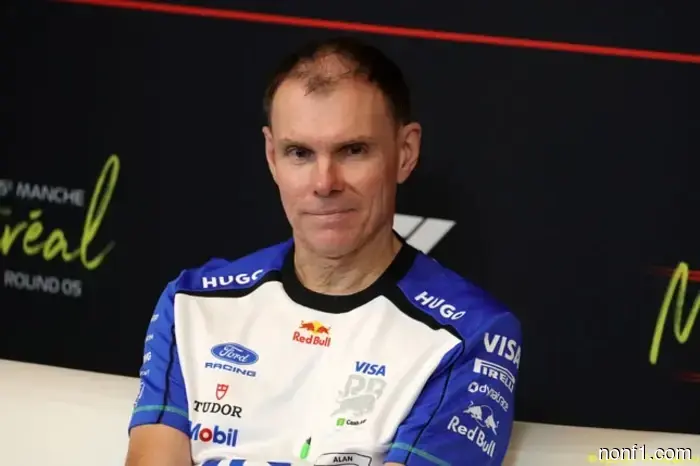 Alan Permain: Our car is fast on different types of tracks.
At the Dutch Grand Prix, there will be changes in the driver lineup at Racing Bulls. Team principal Alan Permain shared what he expects from the event in Zandvoort.
Alan Permain: Our car is fast on different types of tracks.
At the Dutch Grand Prix, there will be changes in the driver lineup at Racing Bulls. Team principal Alan Permain shared what he expects from the event in Zandvoort.
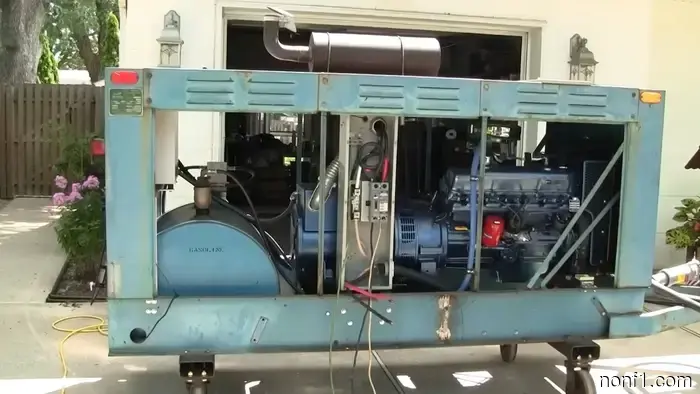 1976 Chrysler Slant-Six Hot Rod Now Fuels an Entire Home
While some individuals construct these engines for the quarter-mile, this particular one was enhanced for backup power purposes.
1976 Chrysler Slant-Six Hot Rod Now Fuels an Entire Home
While some individuals construct these engines for the quarter-mile, this particular one was enhanced for backup power purposes.
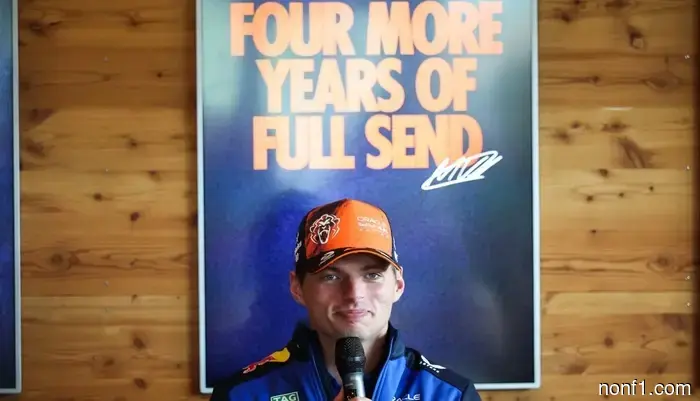 Max Verstappen Stuns Everyone by Signing with Red Bull F1 Until 2030
While not officially confirmed, there are rumors that Max Verstappen's new contract with Red Bull F1 will provide him with approximately $100 million annually.
Max Verstappen Stuns Everyone by Signing with Red Bull F1 Until 2030
While not officially confirmed, there are rumors that Max Verstappen's new contract with Red Bull F1 will provide him with approximately $100 million annually.
Inside Honda’s Unsteady Comeback to F1: Racing Chief Watanabe Discusses Vibrations, Tense Discussions, and Future Plans
In a rare one-on-one interview, Honda's racing chief Koji Watanabe explains how the company's culture of trust and respect enabled them to continue their work and seek solutions, even in light of the critical remarks from Aston at the beginning of the F1 season.