Red Bull отвергает теорию о 2026 годе на фоне возрождения McLaren

Red Bull отвергает теорию о 2026 годе на фоне возрождения McLaren

      Формула-1 | Red Bull настаивает, что их поздний рывок в развитии в конце сезона никак не связан с опасениями по поводу регламента двигателей 2026 года — несмотря на утверждение McLaren, что (…)

Red Bull отвергает теорию о 2026 годе на фоне возрождения McLaren

Другие статьи

Гран-при Мехико: Интересная статистика Гран-при Мехико: Интересная статистика Некоторые интересные статистические данные по результатам Гран-при Мехико... The forthcoming Sprinter will be built on an entirely new platform and will showcase a more striking design. 

Mercedes has offered a glimpse of the next-generation Sprinter through a new sculpture, indicating that the van will feature a more dynamic and premium aesthetic. 

Constructed on the new VAN platform, the vehicle will come with various configurations. 

Mercedes created the van concept in 1896 and is preparing to celebrate “130 Years of Transportation.” Although the anniversary is still a few months away, Mercedes-Benz Vans has commenced the celebrations with the introduction of “THE BOuLDER.” 

This sculpture, resembling stone, represents “robustness, reliability, versatility, and durability” and serves as a preview for the design of the next-gen Sprinter.

While the company has not disclosed extensive details about the upcoming model, the sculpture hints at a more expressive front design, featuring a larger grille and a prominent tri-point star. It also includes a flatter hood with well-defined surfaces. 

The overall design maintains a somewhat boxy shape, yet it appears that the revamped model will present a more intriguing upper profile. 

Notably, there’s a protruding section just beneath the roof, enhanced by subtle sculpting that is likely aimed at improving aerodynamics. 

Moving on to the next-generation Sprinter, it will be constructed on the newly developed VAN architecture. This platform is set to debut with the VLE next year and will ultimately support both commercial and passenger vehicles.

Mercedes states that these commercial variants were “developed in close collaboration with customers across various industries” and will include electric as well as traditional powertrains. 

Customers will again have the option to select from multiple lengths, wheelbases, and weight categories, making it suitable for diverse applications, including passenger transport, parcel delivery, and camper van use.

Andreas Zygan, head of development for Mercedes-Benz Vans, noted that “the next generation of Mercedes-Benz vans will concentrate on innovative powertrains, connectivity, and advanced digital services.” 

He mentioned that the Mercedes-Benz Operating System (MB.OS) has been tailored specifically for commercial applications and believes that the “future Sprinter will be more of a flagship in its segment than ever before.”

Reflecting on the past, the Sprinter was launched in 1995, with more than five million units manufactured since then. This impressive history can be traced back to Benz & Cie in 1896, which created two delivery vans based on the Victoria and Velociped models.

The former was equipped with a 2.7-liter single-cylinder engine producing 6 hp, while the latter featured a 1.0-liter engine generating 2.75 hp. This allowed them to reach speeds of up to 12 mph (20 km/h), making them faster and capable of carrying more than two-horse carriages.

In honor of the upcoming anniversary, the oldest operational van has been carefully restored. Built in 1899 under license by Hewetson’s Ltd in England, it features a 3 hp engine and a payload capacity of approximately 220 lbs (100 kg), in addition to the driver's weight. The forthcoming Sprinter will be built on an entirely new platform and will showcase a more striking design. Mercedes has offered a glimpse of the next-generation Sprinter through a new sculpture, indicating that the van will feature a more dynamic and premium aesthetic. Constructed on the new VAN platform, the vehicle will come with various configurations. Mercedes created the van concept in 1896 and is preparing to celebrate “130 Years of Transportation.” Although the anniversary is still a few months away, Mercedes-Benz Vans has commenced the celebrations with the introduction of “THE BOuLDER.” This sculpture, resembling stone, represents “robustness, reliability, versatility, and durability” and serves as a preview for the design of the next-gen Sprinter. While the company has not disclosed extensive details about the upcoming model, the sculpture hints at a more expressive front design, featuring a larger grille and a prominent tri-point star. It also includes a flatter hood with well-defined surfaces. The overall design maintains a somewhat boxy shape, yet it appears that the revamped model will present a more intriguing upper profile. Notably, there’s a protruding section just beneath the roof, enhanced by subtle sculpting that is likely aimed at improving aerodynamics. Moving on to the next-generation Sprinter, it will be constructed on the newly developed VAN architecture. This platform is set to debut with the VLE next year and will ultimately support both commercial and passenger vehicles. Mercedes states that these commercial variants were “developed in close collaboration with customers across various industries” and will include electric as well as traditional powertrains. Customers will again have the option to select from multiple lengths, wheelbases, and weight categories, making it suitable for diverse applications, including passenger transport, parcel delivery, and camper van use. Andreas Zygan, head of development for Mercedes-Benz Vans, noted that “the next generation of Mercedes-Benz vans will concentrate on innovative powertrains, connectivity, and advanced digital services.” He mentioned that the Mercedes-Benz Operating System (MB.OS) has been tailored specifically for commercial applications and believes that the “future Sprinter will be more of a flagship in its segment than ever before.” Reflecting on the past, the Sprinter was launched in 1995, with more than five million units manufactured since then. This impressive history can be traced back to Benz & Cie in 1896, which created two delivery vans based on the Victoria and Velociped models. The former was equipped with a 2.7-liter single-cylinder engine producing 6 hp, while the latter featured a 1.0-liter engine generating 2.75 hp. This allowed them to reach speeds of up to 12 mph (20 km/h), making them faster and capable of carrying more than two-horse carriages. In honor of the upcoming anniversary, the oldest operational van has been carefully restored. Built in 1899 under license by Hewetson’s Ltd in England, it features a 3 hp engine and a payload capacity of approximately 220 lbs (100 kg), in addition to the driver's weight. Российская серия гонок на выносливость подвела итоги десятого юбилейного сезона 2025 года. Лео Турини полагает, что Берман показал себя лучше, чем Леклер. Лео Турини полагает, что Берман показал себя лучше, чем Леклер. Лео Турини полагает, что Берман показал себя лучше, чем Леклер. Экклстоун отмечает 95‑летие — «Я никогда не был так счастлив» Экклстоун отмечает 95‑летие — «Я никогда не был так счастлив» Формула-1 | Бывший глава Формулы-1 Берни Экклстоун во вторник отметит 95-летие — и давний друг и ветеран-журналист Роджер Бенуа говорит, что некогда в этом виде спорта (…) Норрис: Эти воспоминания о победе останутся со мной навсегда. Норрис: Эти воспоминания о победе останутся со мной навсегда. Ландо Норрис одержал победу на Гран При Мехико и за четыре гонки до завершения сезона занял первое место в чемпионате. Конечно, он счастлив от достижения и настроен продолжать показывать высокие результаты... Ферстаппен: Я не предполагал, что смогу подняться на подиум. Ферстаппен: Я не предполагал, что смогу подняться на подиум. Макс Ферстаппен рад тому, что смог занять пьедестал почета в Мехико...
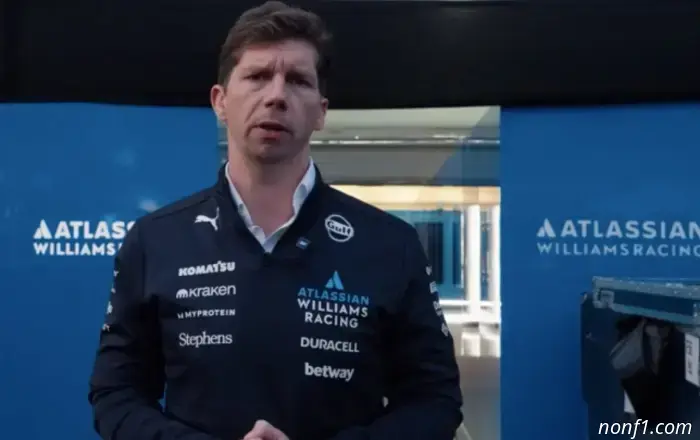
Red Bull отвергает теорию о 2026 годе на фоне возрождения McLaren

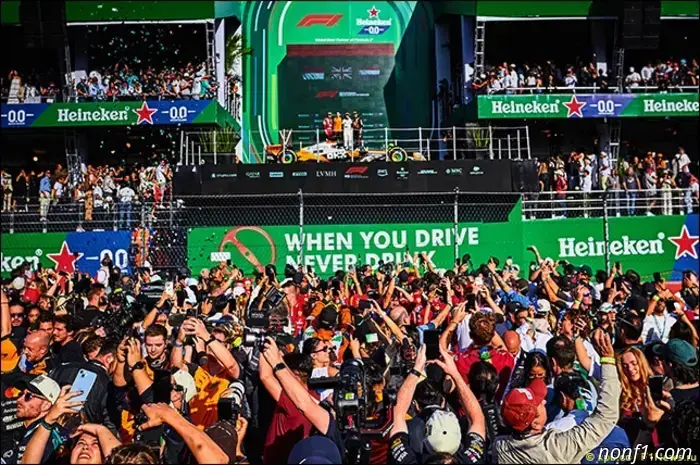
Формула-1 | Red Bull настаивает, что их поздний рывок в развитии в конце сезона никак не связан с опасениями по поводу регламента двигателей 2026 года — несмотря на утверждение McLaren, что (…)