
The IIHS Will Begin Assigning Safety Ratings to Commercial Vehicles. Here’s Why This Is Important.
Ford
The most significant news and reviews in the automotive world, no fluff involved.
Our complimentary daily newsletter delivers the crucial stories straight to your inbox every weekday.
Commercial vehicles are not regulated in the same way as passenger vehicles, and in some cases, this distinction makes sense. However, one area where it falls short is safety. Medium- and heavy-duty work vehicles currently operate outside most government safety standards, and thus far, they have largely escaped evaluation by independent organizations as well. The Insurance Institute for Highway Safety (IIHS) is striving to change this by soon rating commercial vehicles based on crash avoidance capabilities and the availability of advanced seatbelts and airbags, which, even now, are not universally standard.
The situation with airbags should highlight the necessity for this change. According to the IIHS, in 2023, there were 6,535 fatalities resulting from collisions involving work vehicles like medium- and heavy-duty trucks, as well as light vans. This accounted for 16% of all roadway deaths just three years ago. The majority of these fatalities involved other road users, which is why the IIHS intends to urge manufacturers to adopt active safety features designed to help prevent accidents in the first place.
While automatic emergency braking and other advanced driver assistance systems are becoming more common in new cars, they remain uncommon in commercial vehicles. One reason for this is that manufacturers often create these vehicles as blank slates, enabling customers to customize them with whatever body or bed configuration they need. This can complicate the installation of features like blind spot monitoring when a truck manufacturer has no standard bodywork to accommodate sensors.
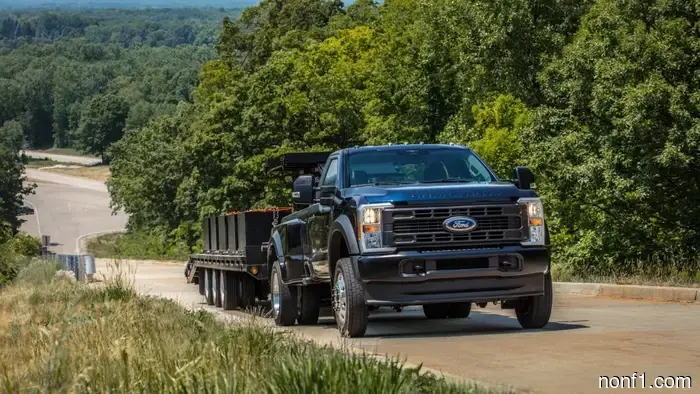
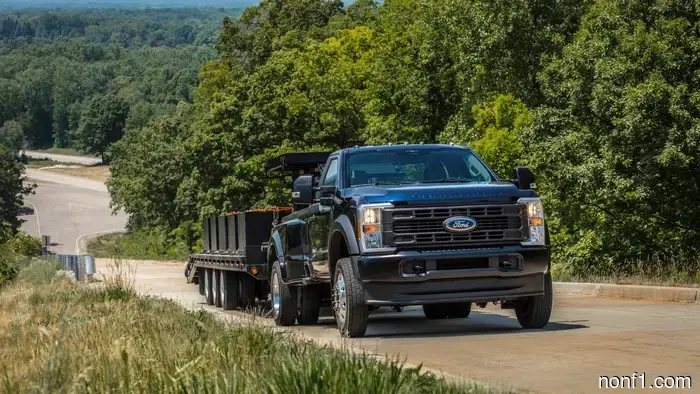
An encouraging example of a medium-duty truck that includes some of these safety features is the Ford F-Series chassis cab. Ford manufactures these models starting from the F-350 up to the F-600, which fleets purchase in large quantities to convert into service vehicles, tow trucks, bucket trucks, etc. Ford provides standard features like blind spot monitoring with trailer integration, lane departure warning, and Pre-Collision Assist with automatic emergency braking, demonstrating that such enhancements are feasible.
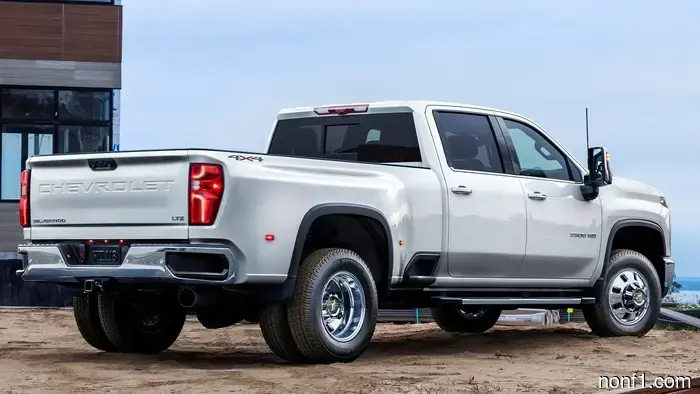
Conversely, other manufacturers, particularly those that produce heavier trucks, choose not to include these features or even basic equipment like airbags because they are not federally required. The IIHS plans to pressure these manufacturers to create commercial vehicles that go beyond the current standards. Additionally, the organization will encourage fleets to demand such vehicles to ensure the safety of their drivers and others on the road.
Chevrolet
The IIHS has already begun testing cargo vans and Class 3 pickups with gross vehicle weight ratings between 10,001 and 14,000 pounds. They aim to publish occupant protection ratings this spring, with plans to conduct crash avoidance evaluations later. The organization also promises to broaden its testing to include box trucks and possibly Class 8 semis in the future.
While I believe that most commercial vehicle operators will support enhanced safety measures, this could potentially raise the costs of trucks and vans that are already quite expensive. Moreover, the increased initial costs could be overshadowed by the expenses associated with repairs and the financial losses due to vehicle downtime. Manufacturers are aware that this is a major concern for their customers, making it intriguing to see how this situation develops.
Have a tip or question for the author? Reach out directly: caleb@thedrive.com
Other articles
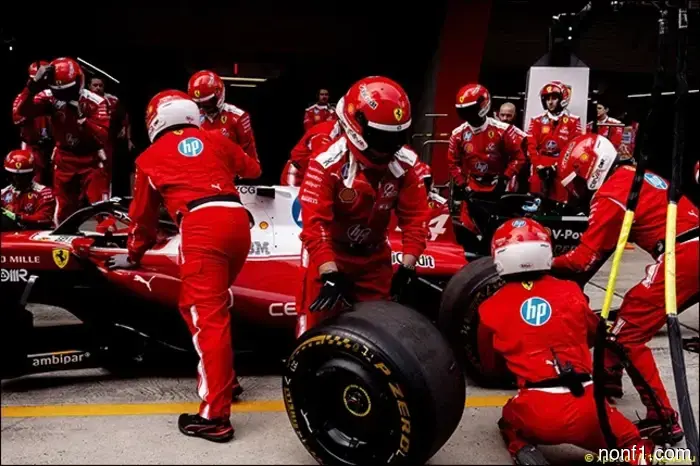 Ferrari adjusted their approach in preparation for Suzuka.
Ferrari adjusted their approach in preparation for the weekend in Suzuka by changing the aerodynamic package for better optimization of energy distribution.
Ferrari adjusted their approach in preparation for Suzuka.
Ferrari adjusted their approach in preparation for the weekend in Suzuka by changing the aerodynamic package for better optimization of energy distribution.
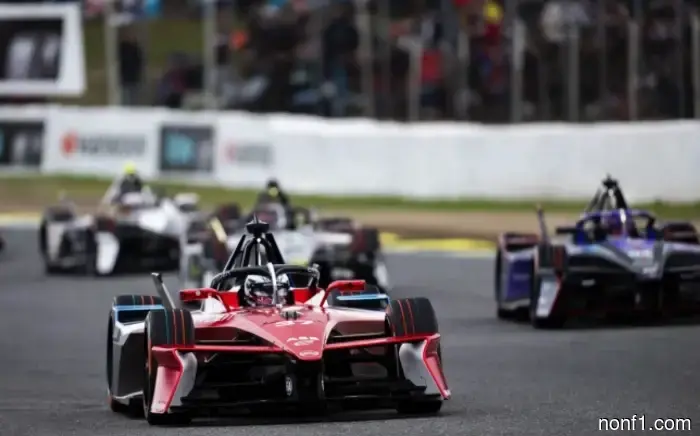 Citroën Racing will stay in Formula E for a long time.
Citroën management has confirmed that the company's factory team will continue to compete in Formula E in the coming years as the electric series transitions to 4th generation technology...
Citroën Racing will stay in Formula E for a long time.
Citroën management has confirmed that the company's factory team will continue to compete in Formula E in the coming years as the electric series transitions to 4th generation technology...
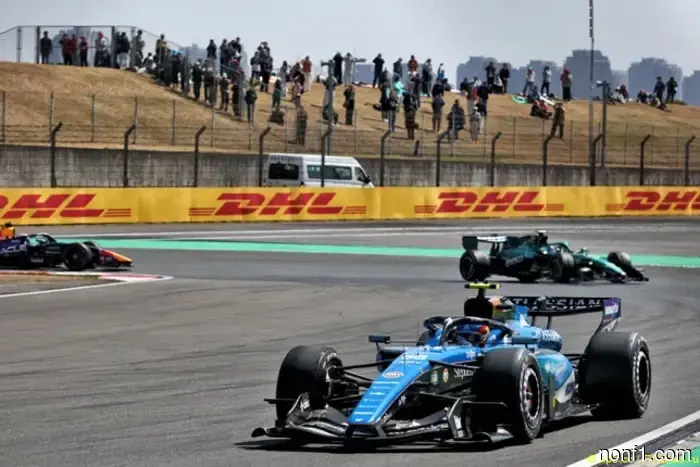 Carlos Sainz is satisfied with his starts at the beginning of the season.
We have already quoted the words of Alex Albon, the Williams driver, that the FW48 car is full of flaws – from the excessive weight of the chassis to low reliability and efficiency. Carlos Sainz agrees with him, but the Spanish driver was able to find one positive aspect of the 2026 car – the starts.
Carlos Sainz is satisfied with his starts at the beginning of the season.
We have already quoted the words of Alex Albon, the Williams driver, that the FW48 car is full of flaws – from the excessive weight of the chassis to low reliability and efficiency. Carlos Sainz agrees with him, but the Spanish driver was able to find one positive aspect of the 2026 car – the starts.
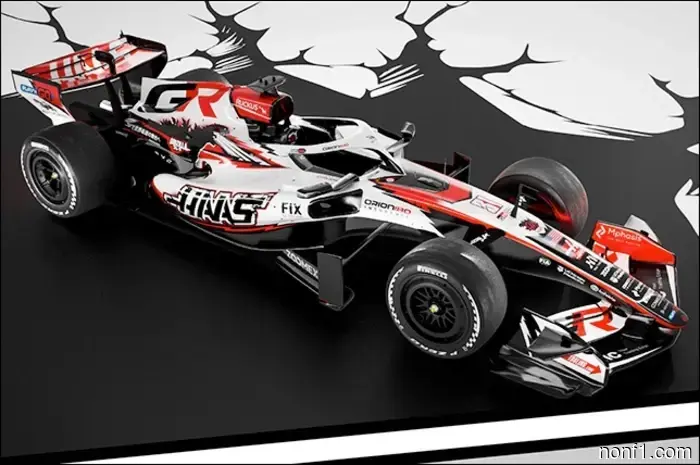 Ayo Komatsu: Our goal is points with two cars.
Haas F1 scored points in the first two races and hopes to build on that success in Suzuka...
Ayo Komatsu: Our goal is points with two cars.
Haas F1 scored points in the first two races and hopes to build on that success in Suzuka...
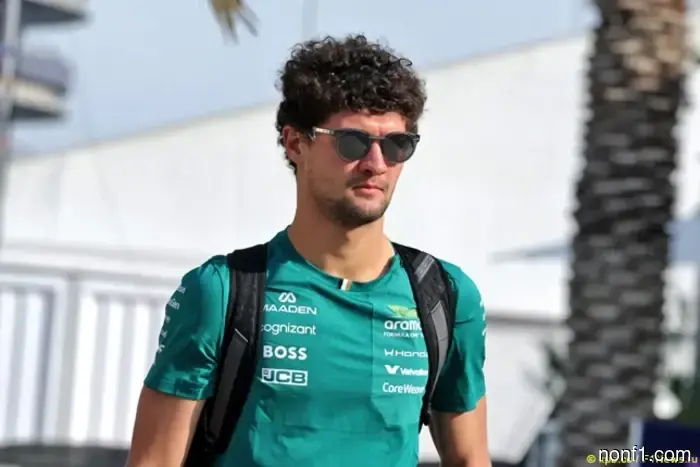 Crawford will replace Alonso in the first practice in Japan.
Aston Martin announced a change in the lineup for the first session of free practice at the Japanese Grand Prix. The team's third driver, Jack Crawford, will replace Fernando Alonso at the wheel of the AMR25.
Crawford will replace Alonso in the first practice in Japan.
Aston Martin announced a change in the lineup for the first session of free practice at the Japanese Grand Prix. The team's third driver, Jack Crawford, will replace Fernando Alonso at the wheel of the AMR25.
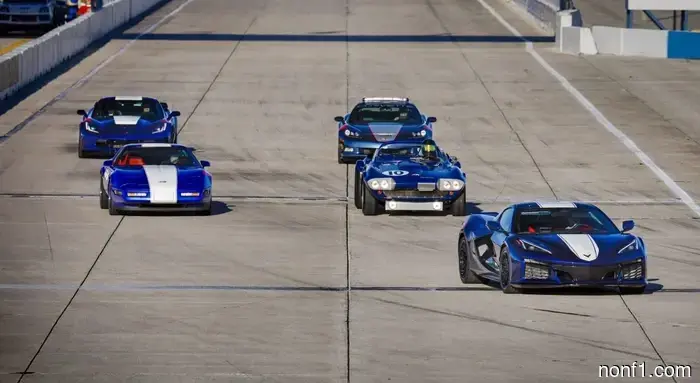 The 2027 Chevrolet Corvette Grand Sport is confirmed, and it will be accompanied by a new V8 engine.
Grand Sport? LS6? Two iconic names could be making a comeback together in a single package.
The 2027 Chevrolet Corvette Grand Sport is confirmed, and it will be accompanied by a new V8 engine.
Grand Sport? LS6? Two iconic names could be making a comeback together in a single package.
The IIHS Will Begin Assigning Safety Ratings to Commercial Vehicles. Here’s Why This Is Important.
Beginning with cargo vans and large pickup trucks, the IIHS might eventually progress to semis, while promoting the need for safer vehicles among fleets.