
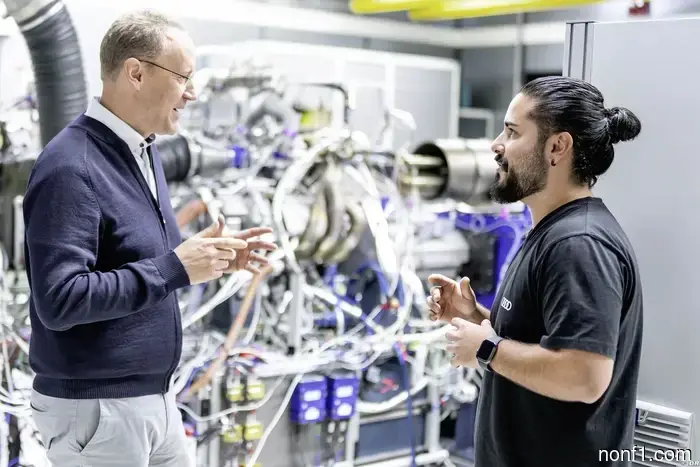
Discussions at the FIA regarding a reconsideration of the engine have come to a standstill.
"This would have necessitated a so-called super-majority."
Formula 1 officials were unable to reach a consensus on more significant engine modifications during recent urgent discussions, ultimately opting for what insiders refer to as a compromise. According to Tobias Gruner's report in Auto Motor und Sport, the conversations surrounding the contentious 2026 regulations were "constructive, but in the end, as usual, they settled on the lowest common denominator." The discourse focused on increasing demands to revert the power dynamics towards combustion engines to minimize extreme energy management and enhance racing quality. FIA technical director Nikolas Tombazis acknowledged that the present situation poses challenges.
"It is indeed true that energy management issues arise when the ratio falls below a certain level. We have understood that from the very beginning. We’ve made efforts to address many of these compromises," he stated.
"The cars are slightly quicker, and teams have discovered a bit more downforce than anticipated. Consequently, the energy recovered during braking phases is somewhat less than we would prefer."
The potential solution of augmenting fuel flow — and thereby increasing engine power — was a topic of discussion, yet no agreement was reached. "During the talks, the possibility of lowering the electric component and permitting greater gasoline flow was considered," remarked another FIA representative, Jan Monchaux.
"However, this would have required a so-called super-majority, meaning most manufacturers needed to be in agreement. They were not, and we can't decide that without their consensus."
He clarified why a consensus was unattainable. "One party believes this gives them an edge. Another thinks, ‘I’m currently winning races, so I don’t want to change anything.’ The third expresses, ‘I need 16 months to develop a new engine, and 2027 isn’t feasible.’"
Without an agreement, any significant changes are now likely postponed until at least 2028. Meanwhile, former F1 driver Patrick Friesacher contends that the situation could have been entirely averted if there had been more attention to drivers' perspectives earlier on.
"I believe Max raised this issue a year and a half ago, along with Carlos Sainz," he stated on Servus TV. "They should have generally considered the drivers’ input more. They are the ones in the car. This approach could prevent such issues — or ensure they do not occur again in the future."
Other articles
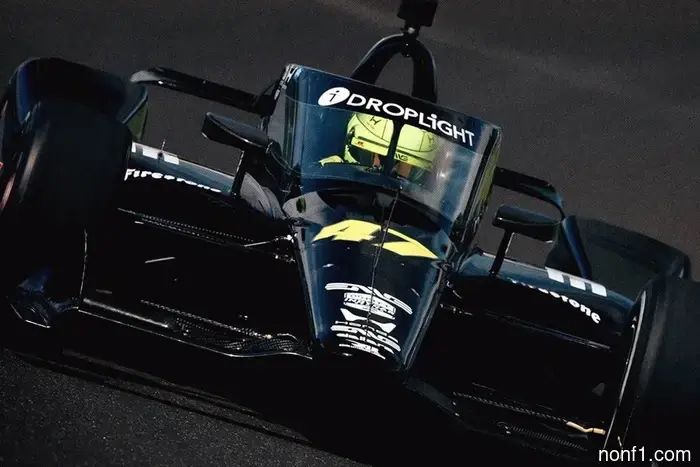 Schumacher remains receptive to a comeback in F1 despite difficulties in IndyCar.
Formula 1 | Mick Schumacher has acknowledged that he still contemplates Formula 1 and would not dismiss the possibility of making a comeback to the grid. It would be dishonest of me to say otherwise (...)
Schumacher remains receptive to a comeback in F1 despite difficulties in IndyCar.
Formula 1 | Mick Schumacher has acknowledged that he still contemplates Formula 1 and would not dismiss the possibility of making a comeback to the grid. It would be dishonest of me to say otherwise (...)
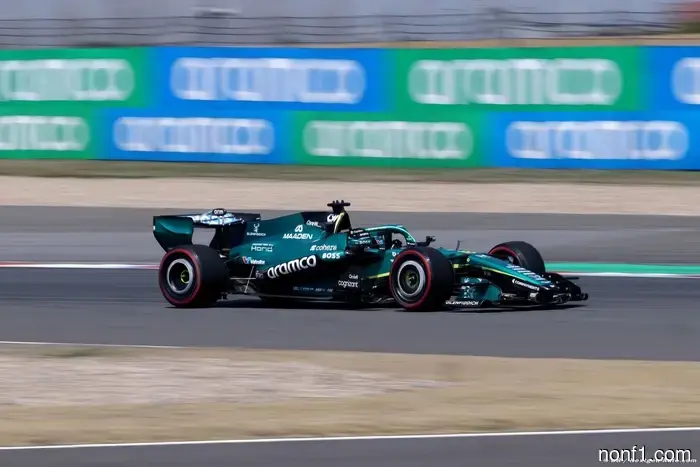 Honda cautions that there is no swift solution to the Aston crisis in Miami.
Formula 1 | Honda has cautioned that its difficulties in Formula 1 with Aston Martin will not be resolved in Miami, even after extensive recent development efforts. As the (…)
Honda cautions that there is no swift solution to the Aston crisis in Miami.
Formula 1 | Honda has cautioned that its difficulties in Formula 1 with Aston Martin will not be resolved in Miami, even after extensive recent development efforts. As the (…)
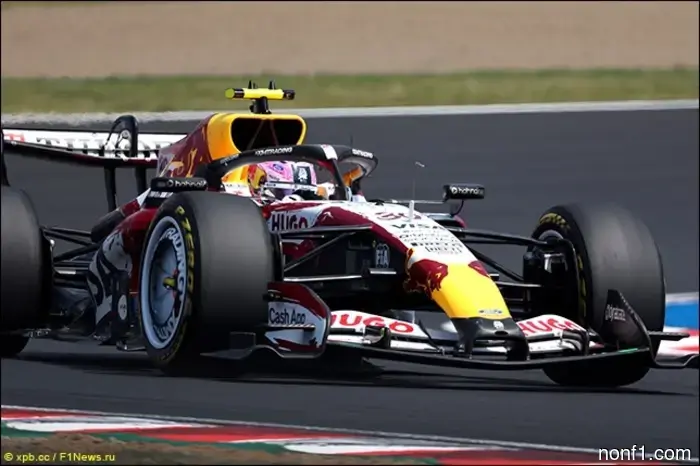 Alan Permain: We have also prepared some new products.
Racing Bulls have prepared several new items for the stage in Miami and hope for a successful weekend...
Alan Permain: We have also prepared some new products.
Racing Bulls have prepared several new items for the stage in Miami and hope for a successful weekend...
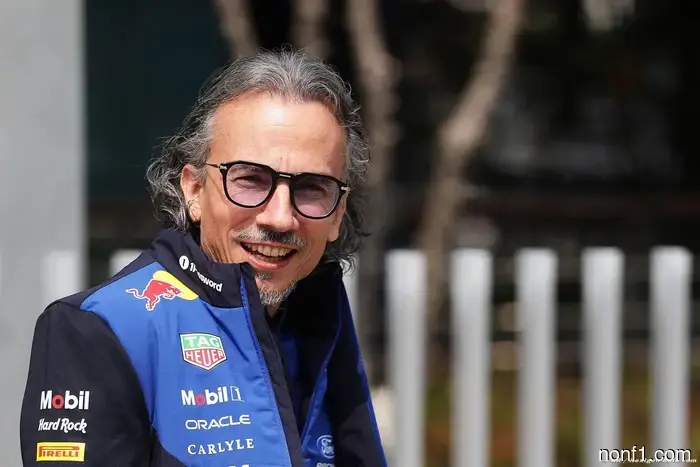 Discussion about Verstappen's future intensifies as Mekies comments on Lambiase's departure.
Formula 1 | The long-term prospects of Max Verstappen at Red Bull are facing heightened scrutiny, as team principal Laurent Mekies sought to ease worries regarding the upcoming (…)
Discussion about Verstappen's future intensifies as Mekies comments on Lambiase's departure.
Formula 1 | The long-term prospects of Max Verstappen at Red Bull are facing heightened scrutiny, as team principal Laurent Mekies sought to ease worries regarding the upcoming (…)
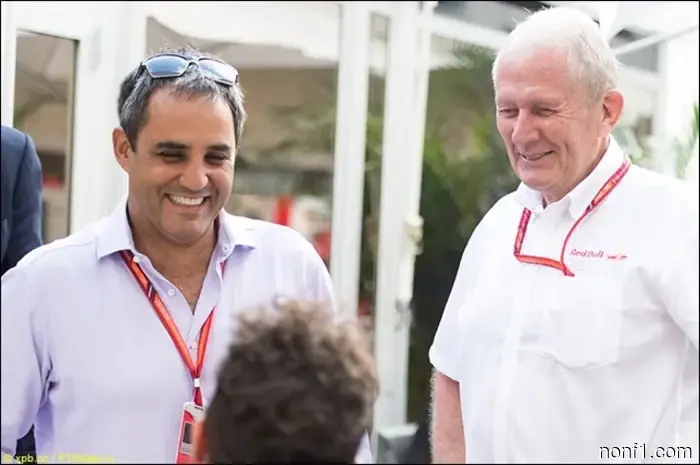 Helmut Marko: Montoya was incredibly talented!
Former Red Bull consultant Helmut Marko recalled his acquaintance with Juan Pablo Montoya in 1997 in an interview with Die Welt...
Helmut Marko: Montoya was incredibly talented!
Former Red Bull consultant Helmut Marko recalled his acquaintance with Juan Pablo Montoya in 1997 in an interview with Die Welt...
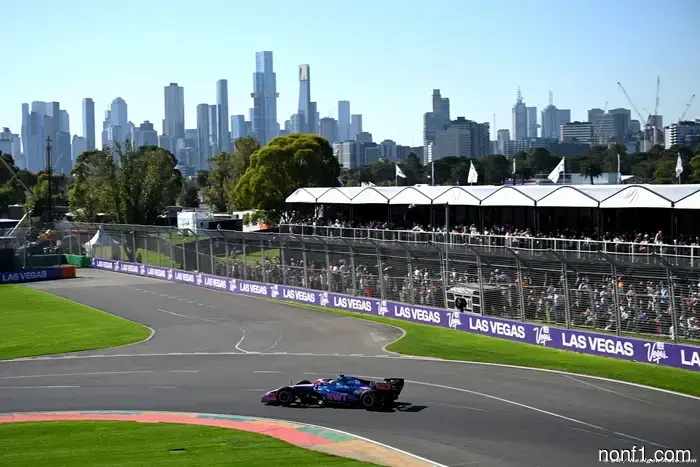 Melbourne will lose their season opener, despite their promise to "make it difficult."
Formula 1 | Melbourne appears poised to lose its position as the season opener starting in 2027, despite previous commitments to make it challenging for competitors to claim that spot. (…)
Melbourne will lose their season opener, despite their promise to "make it difficult."
Formula 1 | Melbourne appears poised to lose its position as the season opener starting in 2027, despite previous commitments to make it challenging for competitors to claim that spot. (…)
Discussions at the FIA regarding a reconsideration of the engine have come to a standstill.
Formula 1 | Executives of Formula 1 were unable to come to a consensus regarding more significant engine modifications during their recent crisis discussions, ultimately opting for what sources reveal.